
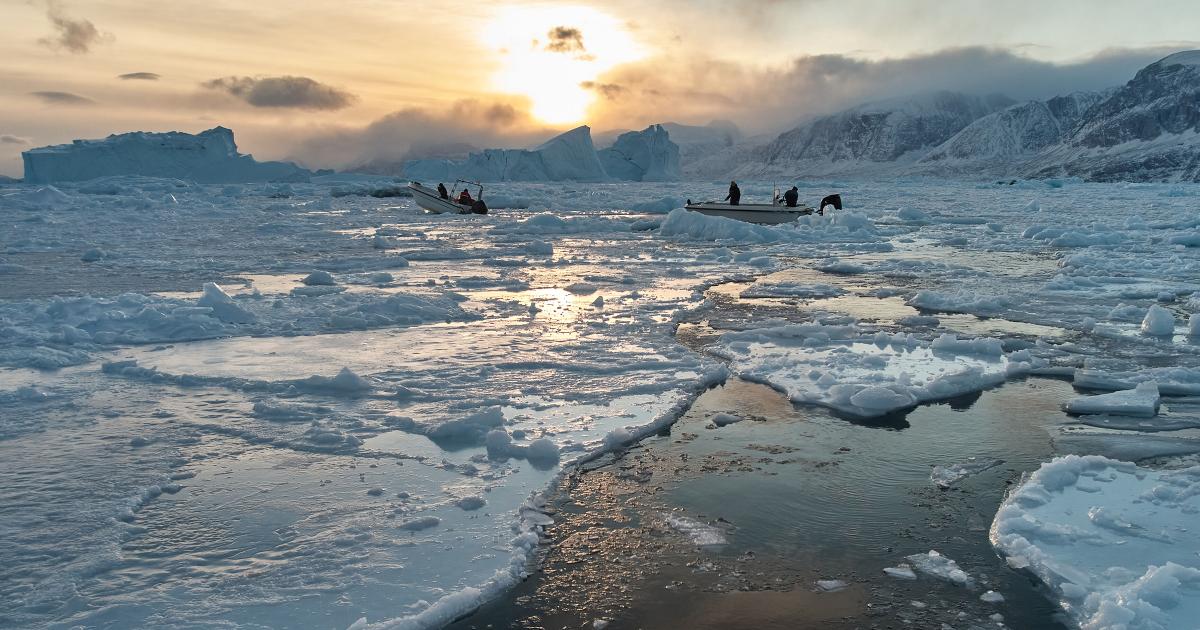
Melting ice in polar and alpine regions drives sea‑level rise, alters ocean circulation, releases greenhouse gases, and reshapes ecosystems, creating direct and indirect challenges for human societies worldwide.
\n\n
Quick Answer
\n
Melting ice refers to the loss of solid water from glaciers, ice sheets, sea ice, and permafrost due to rising temperatures. The process adds fresh water to the oceans, reduces surface reflectivity (albedo), and can release trapped carbon‑rich gases, thereby amplifying global warming. Scientific assessments such as the IPCC Sixth Assessment Report (2021) conclude that ice loss is a major contributor to projected sea‑level rise of 0.3–1.1 meters by 2100, and that it will affect coastal communities, marine ecosystems, and Indigenous livelihoods. Uncertainty remains around the exact rate of permafrost carbon release and regional climate feedbacks.
\n
\n\n
Key Takeaways
\n
- \n
- Ice loss adds measurable volume to the oceans, driving sea‑level rise that threatens low‑lying regions.
- Freshwater influx and reduced salinity can modify major ocean currents, affecting global climate patterns.
- Thawing permafrost releases methane and carbon dioxide, creating a positive feedback on warming.
- Wildlife that depends on ice habitats, such as polar bears and seals, face habitat loss and population decline.
- Indigenous peoples and coastal economies experience food‑security, cultural, and infrastructure risks.
- Mitigation (reducing emissions) and adaptation (protecting coasts, preserving ecosystems) are both required, each with trade‑offs.
\n
\n
\n
\n
\n
\n
\n
\n\n
What Is How Melting Ice Affects People and the Planet?
\n
Melting ice encompasses the reduction of all frozen water reservoirs—continental ice sheets (Greenland, Antarctica), mountain glaciers, sea ice, and permafrost—caused primarily by sustained temperature increases. Unlike seasonal melt, the term implies a long‑term, net loss that persists beyond a single year. The phenomenon matters because ice regulates Earth’s energy balance, stores vast quantities of freshwater, and locks away greenhouse gases that can be released when it thaws.
\n\n
How Does It Work?
\n
Physical and Chemical Processes
\n
- \n
- Higher atmospheric temperatures increase surface melt on glaciers and ice sheets.
- Surface meltwater can percolate down, lubricating the base of ice sheets and accelerating flow toward the ocean.
- Sea‑ice loss reduces surface albedo, meaning more solar radiation is absorbed by the dark ocean.
- Permafrost thaw breaks down organic material, allowing microbes to decompose it and emit methane (CH₄) and carbon dioxide (CO₂).
\n
\n
\n
\n
\n
Oceanic and Atmospheric Feedbacks
\n
When large volumes of freshwater enter the oceans, salinity gradients weaken, potentially slowing down the Atlantic Meridional Overturning Circulation (AMOC). A slower AMOC can lead to cooler temperatures in the North Atlantic but also shift storm tracks globally. Additionally, the release of greenhouse gases from permafrost adds to atmospheric concentrations, reinforcing the warming that drives further ice melt.
\n\n
What Does the Evidence Show?
\n
Multiple lines of evidence converge on a clear picture of accelerating ice loss:
\n
- \n
- Satellite altimetry (e.g., NASA GRACE, 2002‑2022) shows Greenland’s ice sheet losing an average of 279 Gt yr⁻¹ and Antarctica losing 150 Gt yr⁻¹.
- In‑situ glacier mass balance records compiled by the World Glacier Monitoring Service indicate that worldwide glacier volume has declined by roughly 30 % since the 1960s.
- Sea‑level tide‑gauge and satellite data (NOAA, 1993‑2022) attribute about 0.8 mm yr⁻¹ of the observed 3.3 mm yr⁻¹ global sea‑level rise to ice‑mass loss.
- Permafrost monitoring networks (e.g., Global Terrestrial Network for Permafrost, 2000‑2020) report average active‑layer thickening of 0.3 m per decade, consistent with increased carbon emissions.
- Ecological studies document range shifts in fish species linked to altered salinity and temperature regimes in the Arctic Ocean (IPCC, 2021).
\n
\n
\n
\n
\n
\n
These observations are supported by climate‑model simulations that reproduce the observed trends when forced with historic greenhouse‑gas concentrations.
\n\n
Main Causes or Drivers
\n
Direct Climate Forcing
\n
Rising concentrations of CO₂, CH₄, and other greenhouse gases increase global mean surface temperature, directly raising melt rates across all ice types.
\n
Feedback Mechanisms
\n
- \n
- Albedo feedback: Less ice means lower reflectivity, leading to more absorbed solar energy.
- Hydrological feedback: Meltwater lubricates ice‑sheet basal sliding, speeding discharge.
- Carbon feedback: Thawing permafrost releases additional greenhouse gases.
\n
\n
\n
\n
Human Activities
\n
Anthropogenic emissions from fossil‑fuel combustion, land‑use change, and industrial processes are the primary drivers of the temperature rise that initiates melting. Local activities, such as black‑carbon deposition on snow, can further accelerate melt.
\n\n
Environmental and Human Impacts
\n
Environmental Impacts
\n
- \n
- Sea‑level rise: Low‑lying islands and coastal wetlands face inundation and saltwater intrusion.
- Ocean circulation changes: Potential weakening of the AMOC could alter regional climates and marine productivity.
- Biodiversity loss: Species that rely on sea ice (e.g., polar bears, narwhals) experience habitat reduction; glacier‑fed rivers may see altered flow regimes affecting freshwater species.
- Permafrost carbon release: Estimated to add 0.1–0.2 Gt C yr⁻¹ by 2100 under moderate warming scenarios, amplifying climate change.
\n
\n
\n
\n
\n
Human Health and Social Impacts
\n
- \n
- Coastal flooding increases risk of water‑borne diseases and damages infrastructure.
- Traditional hunting routes for Inuit and Saami peoples become unsafe, threatening food security and cultural continuity.
- Tourism economies dependent on glacier scenery face revenue loss as iconic ice retreats.
\n
\n
\n
\n
Economic and Infrastructure Impacts
\n
- \n
- Adaptation costs for flood defenses are projected to reach billions of dollars globally by 2050 (World Bank, 2021).
- Shipping routes such as the Northwest Passage may become more navigable, offering economic opportunities but also raising geopolitical and environmental concerns.
\n
\n
\n\n
Regional Differences
\n
Impacts are not uniform:
\n
- \n
- Arctic: Rapid permafrost thaw, sea‑ice decline, and direct effects on Indigenous communities.
- Antarctica: West Antarctic Ice Sheet is losing mass faster than East Antarctica, influencing sea‑level contribution more than the stable interior.
- High‑altitude regions (e.g., Himalayas, Andes): Glaciers supply water to millions; accelerated melt threatens seasonal water availability for agriculture.
- Tropical coastlines: Even modest sea‑level rise can exacerbate storm surge and erosion due to low elevation.
\n
\n
\n
\n
\n\n
What Scientists Know With High Confidence
\n
- \n
- Global temperatures have risen by about 1.1 °C since pre‑industrial times, and this warming is the dominant driver of observed ice loss (IPCC, 2021).
- Ice‑sheet mass loss contributes significantly to observed sea‑level rise, with Greenland and Antarctica together accounting for roughly 30 % of the 3.3 mm yr⁻¹ increase recorded over the past three decades.
- Permafrost soils contain an estimated 1,500 Gt C, and thawing releases greenhouse gases that will act as a positive feedback on warming.
- Arctic sea‑ice extent has declined by about 13 % per decade since satellite records began in 1979.
\n
\n
\n
\n
\n
\n\n
What Remains Uncertain
\n
Key uncertainties include the rate at which permafrost carbon will be released under different warming scenarios, the precise threshold at which the West Antarctic Ice Sheet may undergo irreversible collapse, and how freshwater influx will alter major ocean currents such as the AMOC. Improved monitoring, especially in remote regions, and higher‑resolution climate models are needed to reduce these gaps.
\n
\n\n
Common Misconceptions
\n
Misconception: “All sea‑level rise comes from melting ice.”
\n
Reality: Thermal expansion of warming seawater accounts for about two‑thirds of observed sea‑level rise, while melting ice supplies the remaining one‑third.
\n
Misconception: “Sea‑ice loss does not affect sea level.”
\n
Reality: While floating sea ice displaces its own water volume, the loss of sea‑ice cover reduces albedo, leading to additional ocean warming and indirect sea‑level contributions.
\n
Misconception: “Permafrost thaw is too slow to matter.”
\n
Reality: Monitoring shows active‑layer deepening of 0.3 m per decade, and recent field studies have measured rapid methane release events, indicating that permafrost feedbacks can accelerate within this century.
\n
\n\n
Solutions and Limitations
\n
Addressing melting ice requires both mitigation of greenhouse‑gas emissions and adaptation to unavoidable changes.
\n
- \n
- Mitigation: Rapid decarbonisation of energy systems can limit temperature rise to below 2 °C, reducing the rate of ice loss. However, mitigation alone cannot prevent all melting because some warming is already locked in.
- Adaptation: Coastal defenses (e.g., seawalls, managed retreat) protect vulnerable communities but can be costly and may shift risk elsewhere.
- Conservation: Protecting Arctic marine habitats can preserve biodiversity and sustain Indigenous livelihoods, yet enforcement is challenging across international waters.
- Permafrost monitoring and research: Investing in ground‑based and satellite observations improves early‑warning capabilities, though translating data into policy remains a hurdle.
\n
\n
\n
\n
\n\n
What Individuals, Communities, and Governments Can Do
\n
What Individuals Can Do
\n
- \n
- Reduce personal carbon footprints by using energy‑efficient appliances, supporting renewable energy, and limiting high‑emission travel.
- Advocate for climate‑policy measures that target net‑zero emissions.
- Support Indigenous rights and organizations working on climate resilience.
\n
\n
\n
\n
What Communities and Organizations Can Do
\n
- \n
- Develop local flood‑risk maps and implement nature‑based solutions such as restored wetlands.
- Invest in water‑conservation projects that compensate for glacier‑fed river changes.
- Partner with scientific institutions for community‑based monitoring of permafrost and sea‑ice conditions.
\n
\n
\n
\n
What Governments Can Do
\n
- \n
- Implement and strengthen nationally determined contributions (NDCs) to achieve the Paris Agreement goals.
- Fund large‑scale research programs on ice dynamics, permafrost carbon, and ocean circulation.
- Enact land‑use policies that limit black‑carbon deposition on snow and ice surfaces.
- Provide financing mechanisms for climate‑resilient infrastructure in vulnerable coastal zones.
\n
\n
\n
\n
\n\n
Synthesis
\n
Melting ice is a clear indicator of a warming planet, linking the cryosphere to sea‑level rise, ocean circulation, greenhouse‑gas feedbacks, and human well‑being. High‑confidence science shows that ice loss is already reshaping coastlines, ecosystems, and cultures, while uncertainties remain around the speed of permafrost carbon release and potential ice‑sheet thresholds. Effective responses combine rapid emissions reductions with targeted adaptation and robust monitoring, recognizing that no single action can fully offset the multifaceted impacts of a changing cryosphere.
Frequently Asked Questions
What is the main cause of melting ice?
The primary cause of melting ice is the increase in global average temperatures driven by rising concentrations of greenhouse gases such as carbon dioxide and methane, which warm the atmosphere and oceans.
How does melting ice contribute to sea‑level rise?
Melting ice adds freshwater to the oceans from glaciers, ice sheets, and ice‑shelf collapse, directly raising sea level, while thermal expansion of warmed seawater contributes an additional two‑thirds of observed sea‑level increase.
Which regions are most vulnerable to the impacts of melting ice?
Low‑lying coastal zones, Arctic Indigenous communities, island nations, and high‑altitude regions that depend on glacier melt for water are among the most vulnerable to sea‑level rise, ecosystem change, and cultural disruption.
What role does permafrost play in climate feedbacks?
Permafrost stores large amounts of organic carbon; when it thaws, microbes decompose the material and release methane and carbon dioxide, creating a positive feedback that amplifies global warming.
What actions can individuals take to help address melting ice?
Individuals can lower their carbon footprints by using energy‑efficient appliances, supporting renewable energy, reducing high‑emission travel, advocating for climate policies, and supporting Indigenous climate‑resilience initiatives.







Leave a Comment