
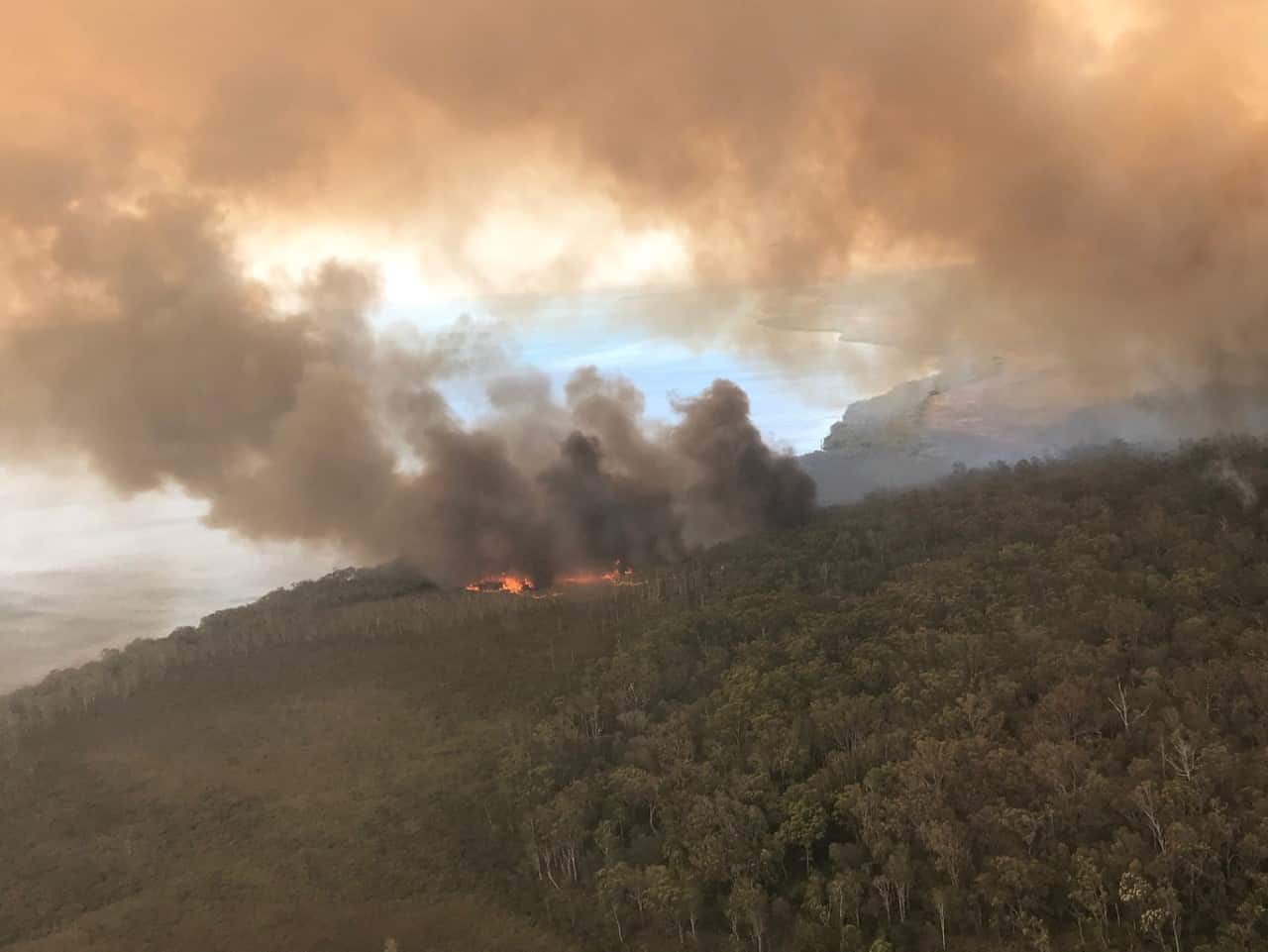
Bushfires on Australia’s Fraser Island illustrate how rising temperatures, prolonged droughts, and changing weather patterns increase climate risk for vulnerable ecosystems and communities.
Quick Answer
Fraser Island, a UNESCO World Heritage site, experiences bushfires when hot, dry conditions combine with abundant fuel loads, igniting flames that can spread rapidly. Climate change intensifies these conditions by lengthening fire seasons and raising fire‑weather severity. The fires threaten endemic wildlife, degrade soil, and reduce tourism revenue, while scientific evidence links the increasing frequency of severe fires to global warming. Uncertainty remains around exact future fire frequencies due to complex ecological feedbacks.
Key Takeaways
- Rising temperatures and drought in Queensland heighten fire‑weather risk on Fraser Island.
- Fire destroys habitat for koalas, rare birds, and many plant species, and can impair soil regeneration.
- Tourism and local livelihoods suffer when landscapes are scorched.
- Effective strategies include controlled burns, fire‑breaks, and community‑led restoration.
- Individual actions such as supporting eco‑tourism and reducing carbon footprints complement larger policy measures.
What Is Bushfires on Australia’s Fraser Island Highlight Climate Risk?
The phrase refers to the occurrence of wildfires on Fraser Island and the way those events exemplify broader climate‑related hazards. Fraser Island spans 184,000 hectares of sand dunes, rainforests, and wetlands, supporting many species found nowhere else. When fires burn, they expose how climate change amplifies fire‑prone conditions, making the island a case study for understanding risk, response, and resilience in fire‑sensitive landscapes.
How Does It Work?
Physical and climatic drivers
Fire ignition requires three elements: heat, fuel, and oxygen. In Queensland, summer temperatures have risen by about 0.6 °C per decade since the 1960s (Australian Bureau of Meteorology). Longer dry spells reduce moisture in vegetation, turning leaves and bark into dry fuel. Strong winds can then transport embers across the sand‑based terrain, allowing fires to spread quickly.
Ecological response
Many Australian plants are adapted to fire, using heat to open seed pods. However, Fraser Island’s unique rainforest species, such as the Moreton Bay fig, lack strong fire adaptations. When flames consume canopy cover, shade disappears, soil moisture evaporates, and nutrient cycles are disrupted, slowing regeneration. Charred soil also loses organic matter, making it harder for seedlings to establish.
Human‑landscape interactions
Human activities—campfires, vehicle sparks, and illegal arson—provide ignition sources. Tourist infrastructure concentrates visitors in fire‑prone zones, increasing the probability of accidental ignitions. At the same time, land‑management decisions, such as the suppression of low‑intensity burns, can allow fuel to accumulate, creating conditions for more severe fires.
What Does the Evidence Show?
Long‑term monitoring by the Australian Bureau of Meteorology and the Commonwealth Scientific and Industrial Research Organisation (CSIRO) shows a statistically significant increase in the number of fire‑danger days in southeast Queensland over the past three decades. The Intergovernmental Panel on Climate Change (IPCC) reports that higher temperatures and altered precipitation patterns are consistent drivers of increased wildfire activity worldwide. Regional studies in the Great Barrier Reef catchment, which includes Fraser Island, link recent severe fire events to above‑average heatwaves and low rainfall during the fire season.
Main Causes or Drivers
Direct causes
Lightning strikes, unattended campfires, and equipment sparks ignite fires when fuel moisture is low. On Fraser Island, visitor‑related ignitions have been documented in several recent incidents.
Underlying drivers
Climate change raises average temperatures and extends drought periods, creating more days with high fire‑danger ratings. Land‑use practices that suppress natural low‑intensity fires allow fuel loads to build up, increasing the potential for high‑intensity burns.
Environmental and Human Impacts
Environmental impacts
Fire destroys habitat for the island’s iconic koala populations and for several endemic bird species, such as the Fraser Island sandpiper. Soil erosion accelerates on the island’s sandy substrate, leading to sediment runoff into coastal wetlands, which can affect water quality and marine life. Recovery of rainforest patches can take decades if moisture remains insufficient.
Human health and social impacts
Smoke exposure can exacerbate respiratory conditions for residents and visitors. The loss of natural scenery also has psychological effects, contributing to stress and a sense of cultural loss among communities that value the island’s heritage.
Economic and infrastructure impacts
Tourism accounts for a large share of the island’s economy. Burned areas reduce the attractiveness of walking trails and beaches, leading to lower visitor numbers and revenue loss for local businesses. Damage to roads and facilities increases repair costs for authorities.
Regional Differences
While Fraser Island experiences fire in a subtropical climate, fire dynamics differ across Australia. In arid interior regions, fires are often driven by vegetation type and wind, whereas in temperate southern forests, cooler temperatures limit fire length. The combination of high humidity, dense rainforest, and sand dunes makes Fraser Island’s fire risk distinct from mainland savanna landscapes.
What Scientists Know With High Confidence
- Temperatures across eastern Australia have risen consistently over the past half‑century.
- Longer, hotter fire seasons increase the likelihood of severe bushfires.
- Fire‑adapted species recover more quickly than fire‑sensitive rainforest species.
- Human ignition sources contribute to a measurable proportion of fires on protected islands.
What Remains Uncertain
Key uncertainties include the precise threshold at which climate‑driven drought will cause irreversible loss of certain rainforest patches, and how quickly fuel‑management programs can reduce fire intensity without harming native biodiversity. Limited long‑term post‑fire monitoring on Fraser Island hampers precise quantification of ecosystem recovery trajectories.
Common Misconceptions
Misconception: Bushfires are a new phenomenon on Fraser Island
Reality: Fire has occurred historically, but the frequency and intensity of recent fires exceed the long‑term record, coinciding with documented climate warming.
Misconception: All fires are purely destructive
Reality: Low‑intensity fires can promote regeneration for some fire‑adapted species, but high‑intensity fires on Fraser Island often damage fire‑sensitive ecosystems.
Misconception: Climate change is the sole cause of every fire
Reality: Climate change creates conditions that make fires more likely, yet ignition still requires a spark, and local land‑management decisions influence outcomes.
Solutions and Limitations
Prevention strategies include prescribed burns during safe weather windows, creation of strategic fire‑breaks, and strict enforcement of campfire regulations. Mitigation requires reducing greenhouse‑gas emissions at national and global scales; however, transition timelines mean that near‑term fire risk will remain elevated. Adaptation measures such as habitat restoration and building fire‑resilient infrastructure can lower vulnerability, but they demand sustained funding and community participation. Each solution carries trade‑offs: prescribed burns may temporarily disturb wildlife, and expanding fire‑breaks can fragment habitats.
What Individuals, Communities, and Governments Can Do
What Individuals Can Do
Support certified eco‑tourism operators that follow fire‑safety guidelines, reduce personal carbon footprints, and follow all fire‑risk instructions when visiting the island.
What Communities and Organizations Can Do
Engage in volunteer fire‑monitoring programs, assist with post‑fire habitat restoration, and promote education about safe fire practices among tourists and residents.
What Governments Can Do
Invest in climate‑resilient land‑management, fund long‑term ecological monitoring, enforce strict fire‑permit policies, and accelerate national emissions‑reduction targets to address the underlying climate driver.
Synthesis
Bushfires on Fraser Island exemplify how a warming climate amplifies fire risk in ecosystems that evolved under different conditions. Strong evidence links rising temperatures and extended drought to more severe fires, while uncertainties remain about long‑term ecological thresholds. Effective response requires a mix of prevention, mitigation, and adaptation actions, coordinated across individuals, communities, and governments. By addressing both the immediate fire‑management needs and the broader climate challenge, the resilience of Fraser Island’s unique natural heritage can be safeguarded for future generations.
Frequently Asked Questions
What are the main causes of bushfires on Fraser Island?
Bushfires on Fraser Island are sparked by a combination of natural and human factors. Lightning, unattended campfires, and equipment sparks provide ignition, while hotter, drier conditions caused by climate change create abundant dry fuel that allows fires to spread rapidly.
How does climate change increase fire risk in Queensland?
Climate change raises average temperatures and extends drought periods, leading to more days with high fire‑danger ratings. Warmer air also dries out vegetation, turning it into ready fuel, and intensifies heatwaves that make severe bushfires more likely across Queensland, including Fraser Island.
Which species on Fraser Island are most threatened by recent fires?
Fire‑sensitive rainforest species, such as the Moreton Bay fig, and iconic wildlife like the koala and the Fraser Island sandpiper face the greatest threat. Their habitats can be destroyed quickly, and recovery is slow because these species lack strong fire‑adaptation mechanisms.
What measures are being taken to prevent future fires on Fraser Island?
Authorities use prescribed low‑intensity burns during safe weather windows, maintain fire‑breaks, and enforce strict campfire regulations. Community groups also monitor fire risk, and restoration projects aim to rebuild habitats after burns, all to lower the chance of severe fires.
How can visitors help protect Fraser Island’s ecosystems?
Visitors can choose certified eco‑tourism operators that follow fire‑safety rules, obey all fire‑risk signage, avoid lighting fires, and reduce their carbon footprints. Supporting local conservation initiatives and respecting habitat protection guidelines also contributes to the island’s resilience.





Leave a Comment