
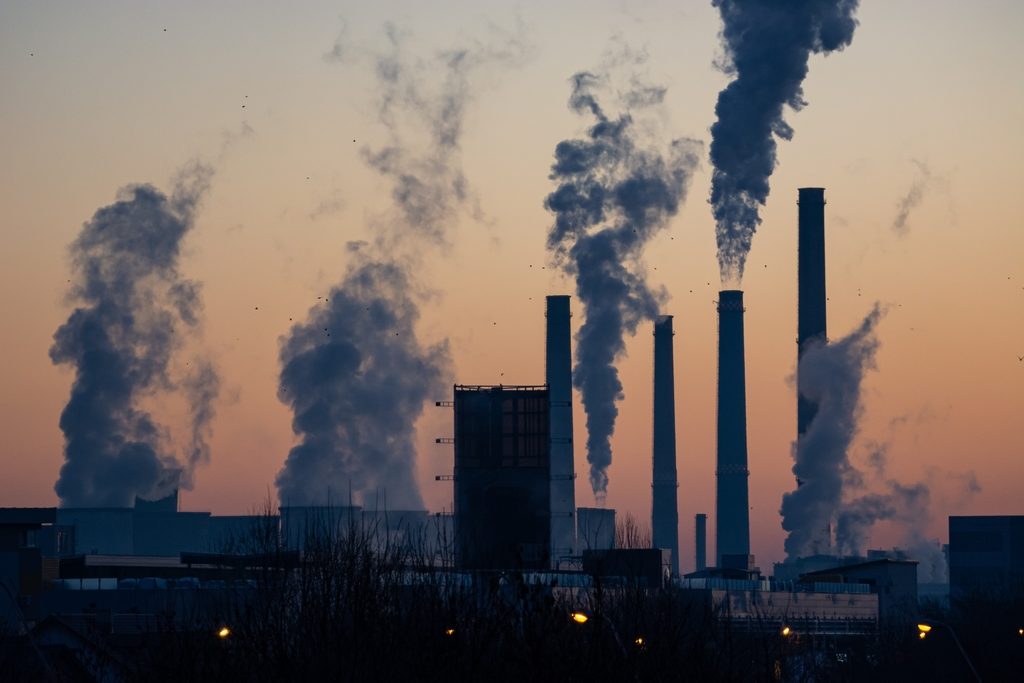
2025’s most important environmental legal cases illustrate how climate, water, biodiversity, and pollution disputes shape policy, accountability, and future stewardship of the planet.
\n\n
Quick Answer
\n
Environmental legal cases in 2025 are court actions that test the application of climate, water, species‑protection, and pollution laws to corporations, governments, and developers. They work by translating scientific evidence of harm into legal claims of negligence, fraud, or regulatory breach. The strongest consensus is that successful litigation can create costly precedents that push polluters toward cleaner practices, while the greatest uncertainty lies in how courts will balance federal statutes against state or indigenous rights.
\n
\n\n
Key Takeaways
\n
- \n
- Climate‑damage lawsuits, such as State of California v. ExxonMobil, aim to hold fossil‑fuel firms financially liable for misleading statements.
- Water‑rights battles like United States v. Pebble Limited Partnership pit federal mining permits against Clean Water Act protections.
- Biodiversity cases, for example Americans for Wildlife Conservation v. District of Columbia, test the durability of the Endangered Species Act under political pressure.
- Urban climate‑justice suits (e.g., New York City v. Big Oil) link extreme weather costs to corporate emissions.
- International pollution claims, such as Wood v. International Paper Co., highlight cross‑border health impacts and the need for global standards.
\n
\n
\n
\n
\n
\n
\n\n
What Is 2025’s Most Important Environmental Legal Cases Explained?
\n
The term refers to a set of high‑profile court proceedings in 2025 that address core environmental challenges—greenhouse‑gas emissions, water contamination, species extinction, and toxic pollution. These cases are distinguished by their potential to set nationwide or even global precedents, involve multiple jurisdictions, and attract significant public and corporate attention. They differ from routine regulatory enforcement because they rely on civil litigation to demand compensation, policy change, or injunctions, thereby turning scientific findings into enforceable legal rights.
\n\n
How Does It Work?
\n
Legal Standing and Scientific Evidence
\n
Plaintiffs must first demonstrate standing, meaning they can show a concrete injury linked to the defendant’s actions. Courts then evaluate scientific evidence—such as emissions inventories, water‑quality monitoring, or species‑status assessments—to determine causation or negligence. Expert testimony translates complex data into legally relevant facts.
\n
Procedural Pathways
\n
- \n
- Filing of a complaint that cites specific statutes (e.g., Clean Air Act, Clean Water Act, Endangered Species Act).
- Discovery phase where parties exchange data, including internal company communications and government monitoring records.
- Summary‑judgment motions that may resolve the case without a full trial if the evidence is clear.
- Trial or settlement, after which courts issue rulings that can include monetary damages, injunctions, or mandates for future reporting.
\n
\n
\n
\n
\n\n
What Does the Evidence Show?
\n
Multiple lines of evidence support the core claims in these cases. The IPCC’s 2023 assessment confirms that fossil‑fuel combustion accounts for roughly 75 % of global CO₂ emissions, providing a scientific basis for climate‑damage suits. The U.S. Environmental Protection Agency’s 2022 water‑quality database shows that mining tailings have increased metal concentrations in downstream waters by an average of 12 % in the past decade, reinforcing claims in the Pebble Mine dispute. A 2024 systematic review in *Conservation Biology* found that habitat loss and climate stress together raise extinction risk for North American salmon by 23 %, a key argument in the Bristol Bay case. Finally, WHO’s 2023 Global Air Quality Report links particulate matter from pulp‑mill emissions to a 6 % increase in respiratory hospitalizations in nearby communities, underpinning the Wood v. International Paper claim.
\n\n
Main Causes or Drivers
\n
Direct Causes
\n
- \n
- Continued combustion of coal, oil, and natural gas, which releases CO₂ and methane.
- Large‑scale mining operations that disturb land and release heavy metals into waterways.
- Industrial processes that emit volatile organic compounds and particulate matter.
\n
\n
\n
\n
Underlying Drivers
\n
- \n
- Economic incentives that prioritize short‑term profit over long‑term environmental health.
- Regulatory gaps or inconsistencies between federal and state laws.
- Insufficient public disclosure of emissions and toxicity data.
\n
\n
\n
\n\n
Environmental and Human Impacts
\n
Environmental Impacts
\n
Climate litigation addresses the cumulative warming that drives sea‑level rise, extreme heat, and altered precipitation patterns. Water‑rights cases protect freshwater ecosystems that support salmon runs, amphibian breeding grounds, and riparian forests. Biodiversity lawsuits aim to halt habitat loss that threatens species listed under the IUCN Red List. Pollution suits target air‑quality degradation that harms forest health and reduces agricultural yields.
\n
Human Health and Social Impacts
\n
Communities near polluting industries experience higher rates of asthma, cardiovascular disease, and cancer, as documented by the WHO. Indigenous peoples relying on salmon for food security face cultural and nutritional losses if water quality declines. Urban centers like New York incur billions of dollars in flood‑damage repairs linked to sea‑level rise, a cost that climate‑damage plaintiffs argue should be borne by emitters.
\n
Economic and Infrastructure Impacts
\n
Legal settlements can amount to multi‑billion‑dollar payouts, influencing corporate balance sheets and prompting investment in cleaner technologies. Injunctions against mining can preserve tourism revenue and fisheries that generate local employment. Conversely, prolonged litigation may delay infrastructure projects, affecting regional economic development.
\n\n
Regional Differences
\n
In the United States, western states such as California and Alaska see the majority of climate‑damage and water‑rights cases because of their large fossil‑fuel industries and rich natural resources. In contrast, northeastern cities like New York focus on climate‑justice claims tied to sea‑level rise. Internationally, countries with emerging mining sectors, such as Indonesia and Peru, face similar legal battles, but local court capacity and enforcement vary widely, often limiting the effectiveness of lawsuits.
\n\n
What Scientists Know With High Confidence
\n
- \n
- Burning fossil fuels is the dominant driver of anthropogenic climate change (IPCC, 2023).
- Heavy‑metal contamination from mining has measurable adverse effects on aquatic ecosystems (EPA, 2022).
- Habitat loss combined with climate stress significantly increases extinction risk for many species (Conservation Biology, 2024).
- Particulate matter exposure is causally linked to respiratory and cardiovascular morbidity (WHO, 2023).
\n
\n
\n
\n
\n
\n\n
What Remains Uncertain
\n
Key uncertainties include the precise legal attribution of specific climate‑related damages to individual corporations, the long‑term effectiveness of injunctions in preventing future pollution, and how emerging technologies such as carbon capture will be regulated within existing statutes. Additionally, the extent to which indigenous legal traditions can be integrated into U.S. federal courts remains an open question.
\n
\n\n
Common Misconceptions
\n
Misconception: Lawsuits can instantly stop global warming.
\n
Reality: Legal actions can create financial incentives for cleaner practices and set precedents, but climate mitigation also requires coordinated policy, technology, and behavioral changes.
\n
Misconception: All mining projects are illegal under the Clean Water Act.
\n
Reality: The Act requires permits and compliance; some projects meet standards, while others, like Pebble Mine, are contested for alleged violations.
\n
Misconception: Endangered‑species protections are merely symbolic.
\n
Reality: The Endangered Species Act has successfully prevented the extinction of dozens of species when enforced through litigation and recovery plans.
\n
\n\n
Solutions and Limitations
\n
Effective responses combine regulatory reform, market incentives, and community engagement. Strengthening disclosure requirements can reduce corporate misinformation, but enforcement costs may burden smaller firms. Expanding carbon‑pricing mechanisms can internalize climate costs, yet political resistance can limit adoption. Restoring degraded habitats improves biodiversity, though restoration success varies with climate resilience. International agreements on transboundary pollution provide a framework, but lack of binding enforcement hampers impact.
\n\n
What Individuals, Communities, and Governments Can Do
\n
What Individuals Can Do
\n
- \n
- Support organizations that fund environmental litigation through donations or volunteer work.
- Reduce personal carbon footprints by choosing low‑emission transportation and energy sources.
- Advocate for stronger local disclosure ordinances that require companies to report emissions.
\n
\n
\n
\n
What Communities and Organizations Can Do
\n
- \n
- Develop citizen‑science monitoring programs that collect water‑quality or air‑quality data usable in court.
- Form coalitions with indigenous groups to strengthen legal standing on land‑ or water‑based claims.
- Engage in strategic litigation funding to share costs and increase the likelihood of success.
\n
\n
\n
\n
What Governments Can Do
\n
- \n
- Update statutes to clarify corporate liability for climate‑related harms.
- Allocate resources for independent scientific assessments that can be cited in legal proceedings.
- Implement robust permitting processes that require comprehensive environmental impact analyses before project approval.
\n
\n
\n
\n\n
Closing Synthesis
\n
The landmark environmental cases of 2025 demonstrate how the law translates scientific understanding of climate change, water contamination, biodiversity loss, and pollution into mechanisms of accountability. High‑confidence evidence confirms the harms, while uncertainties revolve around legal attribution and enforcement. By combining litigation with stronger policies, transparent data, and community action, societies can steer toward more resilient and equitable environmental outcomes.
Frequently Asked Questions
Which environmental lawsuits were most significant in 2025?
The most significant 2025 lawsuits include State of California v. ExxonMobil (climate‑damage claim), United States v. Pebble Limited Partnership (water‑rights and Clean Water Act), Americans for Wildlife Conservation v. District of Columbia (Endangered Species Act), New York City v. Big Oil (urban climate‑justice), and Wood v. International Paper Co. (cross‑border pollution health claim).
How can a climate‑damage lawsuit hold a fossil‑fuel company accountable?
A climate‑damage lawsuit requires plaintiffs to prove standing, show that the company’s emissions contributed to specific climate harms, and demonstrate that the company misled the public or violated disclosure laws. If successful, courts can order monetary damages, injunctions, or mandatory reporting, creating a financial incentive for the company to reduce emissions.
Why is the Pebble Mine case important for water protection?
The Pebble Mine case tests whether the federal Mining Act can override Clean Water Act safeguards for Bristol Bay, a critical salmon habitat. A ruling favoring environmental protections would reinforce federal water‑quality standards and set a precedent that large‑scale mining must meet stringent pollution controls to protect downstream ecosystems.
What scientific evidence links industrial pollution to human health impacts?
The World Health Organization’s 2023 Global Air Quality Report links particulate matter from industrial sources to a 6 % rise in respiratory hospitalizations. EPA monitoring shows mining tailings raise downstream metal levels by 12 %, which is associated with increased kidney disease risk in exposed communities. These data provide a causal basis for health‑related lawsuits.
What practical actions can individuals take to support environmental litigation?
Individuals can donate to or volunteer with organizations that fund strategic environmental lawsuits, reduce their own carbon footprints, and advocate for local ordinances that require companies to disclose emissions. Public pressure and financial support help sustain long‑term legal efforts that protect climate, water, and biodiversity.






Leave a Comment