

Brazil is leading a high‑profile effort at the COP30 climate talks to phase out fossil‑fuel use, a move that could reshape global energy policy, accelerate renewable deployment, and highlight both opportunities and challenges for sustainable development.
Quick Answer
At COP30, Brazil submitted a formal proposal to begin a structured phase‑out of fossil‑fuel production and consumption, aiming to replace coal, oil, and gas with renewable sources such as solar, wind, and bioenergy. The proposal rests on scientific consensus that continued fossil‑fuel combustion drives climate change, and on Brazil’s abundant natural resources that can support a low‑carbon transition. While the plan offers a clear pathway toward reduced greenhouse‑gas emissions, uncertainties remain around financing, energy security, and the socioeconomic impacts on communities dependent on the oil sector.
Key Takeaways
- Brazil’s COP30 proposal seeks a gradual, legally‑backed phase‑out of fossil‑fuel extraction and use.
- Renewable energy potential in Brazil (solar, wind, hydro, bioenergy) is among the world’s highest per capita.
- Scientific evidence links fossil‑fuel emissions to global warming, extreme weather, and biodiversity loss.
- Economic diversification and just‑transition policies are critical to mitigate social disruption.
- International cooperation, technology transfer, and financing mechanisms will determine the plan’s feasibility.
What Is Brazil Push to End Fossil Fuels at COP30 Talks?
The initiative is a diplomatic and policy package presented by Brazil during the 30th United Nations Climate Change Conference (COP30) in 2025. It calls for a nationally determined contribution (NDC) that includes a legally binding timeline to reduce domestic fossil‑fuel production, increase renewable‑energy capacity, and align Brazil’s climate commitments with the Paris Agreement’s 1.5 °C pathway. The proposal differs from generic climate pledges by explicitly targeting the supply side of fossil fuels, not just emissions from end‑use sectors.
How Does It Work?
1. Establishing a Phase‑Out Timeline
- Set baseline year (2020) for fossil‑fuel extraction volumes.
- Define intermediate reduction milestones (e.g., 30 % reduction by 2030, 60 % by 2040).
- Implement a final cessation target for new fossil‑fuel projects after 2050.
2. Scaling Renewable Energy
Brazil will invest in solar farms across the Northeast, wind corridors in the South, and expand bioenergy from agricultural residues. The goal is to increase renewable‑energy share of the national grid from roughly 45 % in 2022 to over 70 % by 2040.
3. Supporting Just Transition
Policies include retraining programs for oil‑sector workers, micro‑credit for communities shifting to sustainable livelihoods, and social safety nets funded by a portion of existing fossil‑fuel revenues.
4. International Collaboration
Brazil seeks technology transfer agreements, climate‑finance commitments from developed nations, and joint research initiatives on carbon‑capture and storage (CCS) to mitigate emissions during the transition period.
What Does the Evidence Show?
Multiple lines of evidence support the urgency of phasing out fossil fuels:
- Climate assessments: The IPCC Sixth Assessment Report (2021) attributes over 90 % of observed global warming since 1950 to anthropogenic greenhouse‑gas emissions, primarily from fossil‑fuel combustion.
- Air‑quality monitoring: Brazil’s National Institute for Space Research (INPE) recorded a 15 % reduction in fine particulate matter (PM2.5) in regions where renewable capacity replaced coal‑fired plants between 2015 and 2020.
- Economic modeling: The International Energy Agency (IEA) 2023 World Energy Outlook projects that, without a phase‑out, Brazil could miss its NDC targets by 2035, leading to higher climate‑related costs.
- Biodiversity links: A 2022 systematic review in *Conservation Biology* found that oil‑linked road networks increase deforestation risk in the Amazon by up to 22 %.
Collectively, these studies provide strong, converging evidence that reducing fossil‑fuel reliance can mitigate climate risks and protect ecosystems.
Main Causes or Drivers
Direct Causes
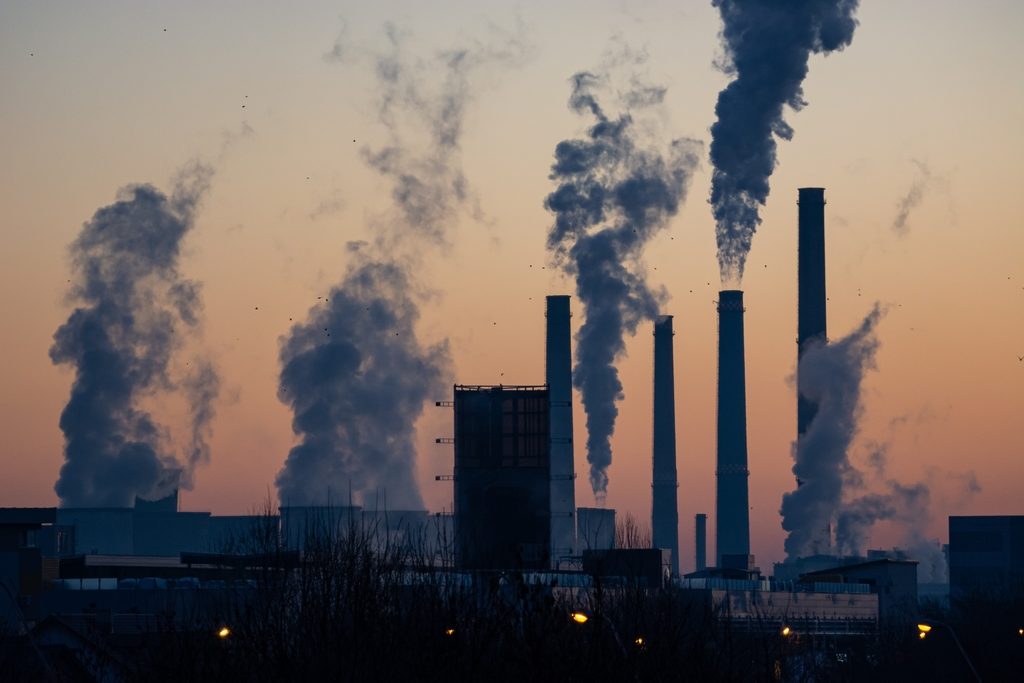
Brazil’s historic reliance on offshore oil fields (e.g., the pre‑salt basin) and domestic coal mining in the state of Rio Grande do Sul directly generate CO₂ emissions.
Underlying Drivers
- Economic incentives: Fossil‑fuel royalties constitute roughly 2 % of Brazil’s federal budget (Ministry of Finance, 2022).
- Energy demand growth: Projected electricity demand is expected to rise 3 % annually through 2040, driven by industrial expansion and urbanization.
- Policy gaps: Existing regulations lack explicit phase‑out targets, allowing new oil exploration licenses.
Environmental and Human Impacts
Environmental Impacts
Continued fossil‑fuel use contributes to:
- Increased atmospheric CO₂, reinforcing global warming trends.
- Air‑pollution‑related ecosystem acidification, affecting freshwater streams in the Amazon basin.
- Habitat fragmentation from infrastructure associated with extraction activities.
Human Health and Social Impacts
Populations living near oil refineries experience higher rates of respiratory illness, as documented by Brazil’s Ministry of Health (2021). Transitioning to renewables can lower exposure to toxic pollutants, improving public health outcomes, especially for children and the elderly.
Economic and Infrastructure Impacts
A rapid phase‑out without mitigation could lead to job losses in the oil sector, which employs roughly 150,000 workers directly. However, the renewable sector is projected to create 300,000 jobs by 2040 (IEA, 2023), offsetting many of these losses if proper training programs are in place.
Regional Differences
Brazil’s vast geography creates distinct challenges:
- North (Amazon): Low population density but high biodiversity; renewable potential is strong in hydro and bioenergy, yet infrastructure investment is limited.
- Northeast: High solar irradiance makes it the most promising region for large‑scale solar farms, already achieving capacity factors above 25 %.
- South: Existing coal mines face direct closure; wind corridors offer a feasible replacement, with average wind speeds of 8–9 m s⁻¹.
What Scientists Know With High Confidence
What Scientists Know With High Confidence
- Fossil‑fuel combustion is the dominant source of anthropogenic CO₂ emissions (IPCC, 2021).
- Renewable‑energy technologies can supply the majority of Brazil’s electricity demand at competitive costs (IEA, 2023).
- Air‑quality improvements follow the displacement of coal and oil with clean energy sources (INPE, 2020).
- Climate‑related risks, such as increased frequency of heatwaves, are already observable in Brazil’s southern states (World Meteorological Organization, 2022).
What Remains Uncertain
What Remains Uncertain
Key uncertainties include the exact financing mechanisms needed to support a just transition, the speed at which large‑scale renewable infrastructure can be built without compromising grid stability, and the social acceptance of land‑use changes required for solar farms in agricultural regions. Ongoing monitoring and scenario modelling will be essential to refine timelines.
Common Misconceptions
Common Misconceptions
Misconception: Brazil can instantly replace all oil with renewables.
Reality: While renewable potential is high, building the necessary generation, transmission, and storage capacity typically spans decades, requiring phased implementation.
Misconception: Ending fossil fuels will devastate the Brazilian economy.
Reality: Economic models show that with targeted investment and retraining, the renewable sector can generate net job growth and diversify export revenues.
Misconception: Renewable energy is always cheaper than fossil fuels.
Reality: Levelized cost analyses indicate that solar and wind are competitive in many regions, but initial capital costs and intermittency management still pose challenges.
Solutions and Limitations
Effective responses combine mitigation and adaptation strategies:
- Policy instruments: Carbon pricing, renewable‑energy auctions, and stricter permitting for new oil projects.
- Technology deployment: Grid‑scale batteries, pumped‑hydro storage, and smart‑grid management to address intermittency.
- Nature‑based solutions: Reforestation and protection of the Amazon to enhance carbon sinks, though these do not replace the need for emission reductions.
- International finance: Mobilising climate‑finance pledges (e.g., Green Climate Fund) to fund infrastructure and social programs.
Limitations include the need for substantial upfront investment, potential land‑use conflicts, and the risk that policy signals may be reversed by future administrations.
What Individuals, Communities, and Governments Can Do
What Individuals Can Do
- Choose electricity plans that source power from renewable providers.
- Support political candidates who prioritize climate‑friendly policies.
- Participate in local reforestation or community‑solar projects.
What Communities and Organizations Can Do
- Develop cooperative renewable‑energy schemes, such as micro‑grids in remote villages.
- Offer vocational training in solar‑panel installation and wind‑turbine maintenance.
- Advocate for transparent reporting of local oil‑related emissions.
What Governments Can Do
- Enact legally binding phase‑out schedules and align them with national NDCs.
- Allocate a portion of fossil‑fuel royalties to a transition fund for affected workers.
- Streamline permitting for renewable‑energy projects while tightening environmental impact assessments for new fossil‑fuel extraction.
Closing Synthesis
Brazil’s proposal at COP30 to end fossil‑fuel use is grounded in robust climate science and leverages the country’s abundant renewable resources. High‑confidence evidence confirms that fossil‑fuel emissions drive global warming and that clean energy can meet most of Brazil’s power needs. Nevertheless, uncertainties around financing, grid integration, and social equity remain. By combining clear policy signals, international cooperation, and just‑transition measures, Brazil can turn its ambition into a model for other nations seeking a sustainable, low‑carbon future.
Frequently Asked Questions
What is Brazil’s proposal at COP30 regarding fossil fuels?
Brazil’s COP30 proposal calls for a legally binding, step‑wise phase‑out of domestic fossil‑fuel extraction and use, paired with aggressive expansion of solar, wind, and bioenergy to meet national energy demand.
Why does phasing out fossil fuels matter for the climate?
Fossil‑fuel combustion accounts for over 90 % of human‑made CO₂ emissions, the primary driver of global warming; reducing these emissions is essential to limit temperature rise to 1.5 °C, as highlighted by the IPCC.
What are the main challenges Brazil could face in implementing the phase‑out?
Key challenges include securing financing for renewable infrastructure, ensuring energy‑security during the transition, and providing just‑transition support for workers and communities reliant on the oil sector.
How can individuals contribute to Brazil’s fossil‑fuel transition?
Individuals can choose renewable electricity providers, support climate‑friendly political candidates, and engage in local projects such as community solar or reforestation to reinforce national efforts.
What evidence supports Brazil’s renewable‑energy potential?
Studies by the IEA and national agencies show Brazil’s solar irradiance, wind speeds, and bioenergy feedstock are among the world’s highest per capita, allowing renewable sources to potentially supply over 70 % of electricity by 2040.






Leave a Comment