

Human activities, especially the emission of greenhouse gases and large-scale land alterations, are accelerating sea level rise by warming oceans, melting ice, and changing how water is stored on land.
Quick Answer
Sea level rise is the increase in the average height of the world’s oceans relative to land. It is driven primarily by two climate‑related processes that are amplified by human actions: thermal expansion of seawater as it absorbs excess heat, and the addition of meltwater from glaciers and the Greenland and Antarctic ice sheets. Since the late 19th century, global mean sea level has risen about 20 cm, with the rate accelerating to roughly 3.4 mm per year over the past two decades (IPCC, 2021). The rise threatens coastal ecosystems, infrastructure, and low‑lying populations, although exact local impacts depend on regional land movement and ocean dynamics. Uncertainties remain in ice‑sheet dynamics and future emission pathways, but the overall upward trend is well established.
Key Takeaways
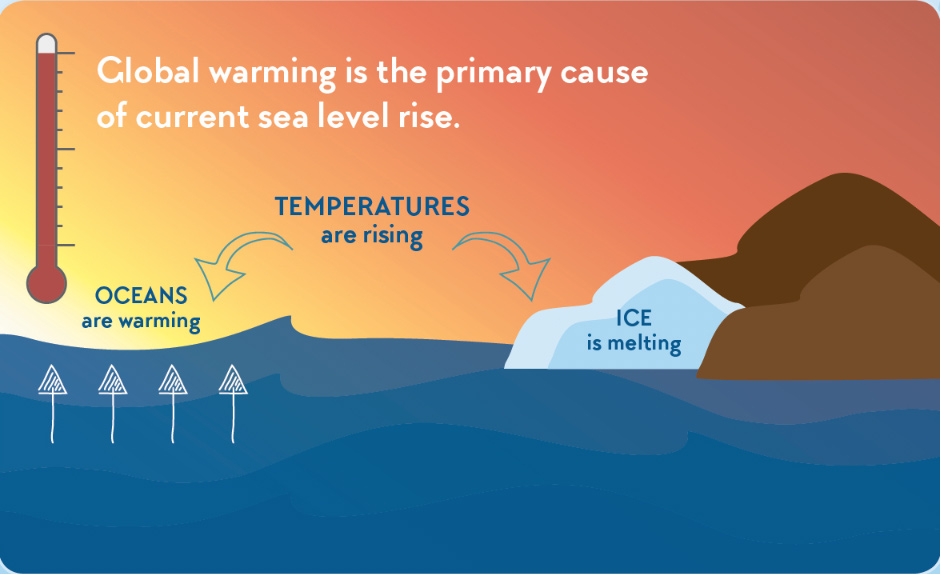
- Human‑generated greenhouse gases warm the atmosphere and oceans, causing water to expand and ice to melt.
- Thermal expansion accounts for about one‑third of observed sea‑level rise since 1970, while ice‑sheet melt contributes the majority of the recent increase.
- Land‑use changes—deforestation, urbanization, and wetland loss—reduce natural water storage and can intensify coastal flooding.
- Sea‑level rise amplifies storm surge, threatens freshwater supplies, and disproportionately impacts vulnerable communities.
- Mitigation (reducing emissions) and adaptation (protective infrastructure, ecosystem restoration) are both required, each with limits and trade‑offs.
What Is How Human Activity Is Driving Sea Level Rise?
The phrase refers to the suite of anthropogenic processes that increase the volume of the world’s oceans relative to land. It includes the direct addition of water from melting ice, the indirect addition through thermal expansion, and changes in land‑surface water storage caused by activities such as urban development, agriculture, and resource extraction. It differs from natural sea‑level variability caused by tides, volcanic activity, or short‑term climate oscillations because the observed long‑term trend aligns with the rise in atmospheric greenhouse‑gas concentrations since the industrial era.
How Does It Work?
1. Greenhouse‑Gas Emissions Warm the Climate System
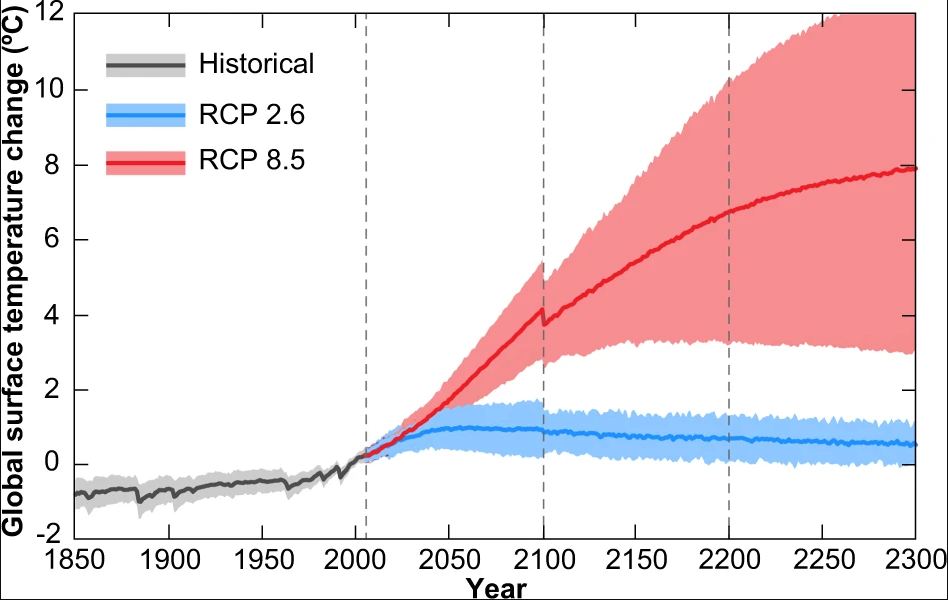
Burning fossil fuels, cement production, and deforestation release carbon dioxide (CO₂), methane (CH₄), and other gases that trap infrared radiation. The Intergovernmental Panel on Climate Change (IPCC) reports that atmospheric CO₂ increased from 280 ppm in pre‑industrial times to over 415 ppm by 2020, raising global mean surface temperature by ~1.1 °C (IPCC, 2021).
2. Ocean Heat Uptake and Thermal Expansion
Oceans absorb ~90 % of excess heat. Warmer water molecules occupy more space, a process known as thermal expansion. Satellite altimetry and Argo float data show that ocean heat content has increased by more than 20 × 10²² J since 2000, contributing roughly 0.7 mm yr⁻¹ to sea‑level rise (NOAA, 2022).
3. Ice‑Sheet and Glacier Melt
Higher air and ocean temperatures accelerate melting of mountain glaciers, Greenland’s ice sheet, and Antarctica’s West Antarctic Ice Sheet. The IPCC estimates that ice‑sheet loss added 1.1 mm yr⁻¹ to global sea level between 2000 and 2020, with Greenland alone contributing about 0.8 mm yr⁻¹ (IPCC, 2021).
4. Land‑Surface Water Redistribution
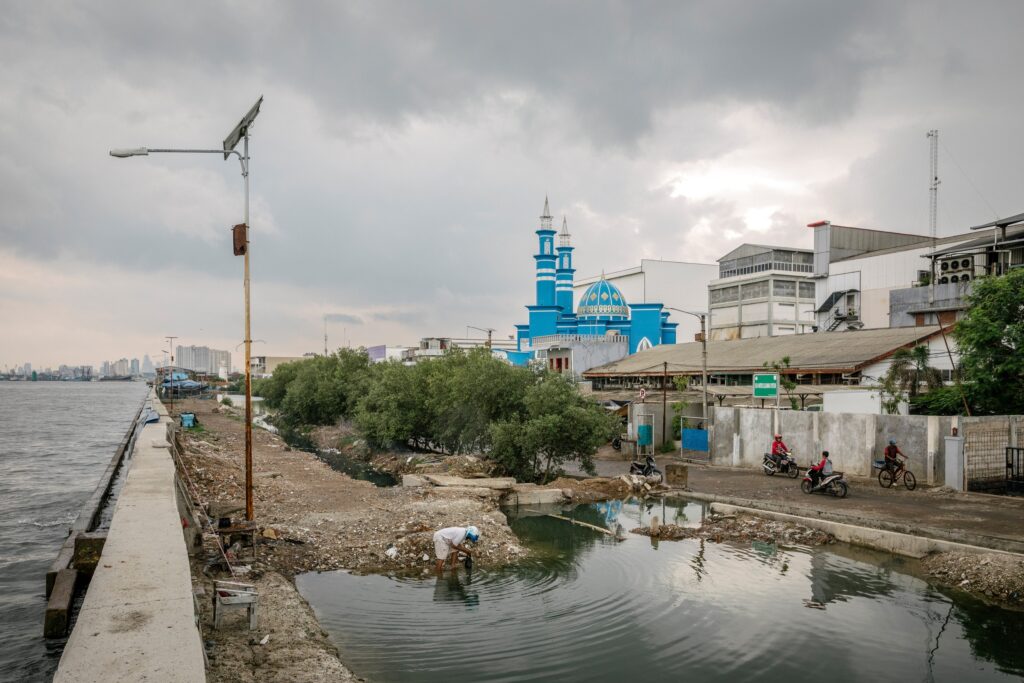
Human activities such as dam construction, groundwater extraction, and wetland drainage alter how water is stored on land. When groundwater is pumped faster than it is recharged, the land can subside, effectively raising relative sea level. Urban impervious surfaces increase runoff, reducing natural infiltration and enhancing flood risk.
5. Feedbacks and Amplifying Factors
Reduced sea‑ice extent lowers ocean albedo, allowing more solar absorption and further warming. Ice‑sheet dynamics may involve nonlinear processes like ice‑shelf collapse, which can trigger rapid acceleration of inland ice flow.
What Does the Evidence Show?
Multiple independent lines of evidence converge on a clear picture of human‑driven sea‑level rise:
- Long‑term tide‑gauge records dating back to the 19th century show a global average rise of ~20 cm, with an accelerating trend in the late 20th century (University of Colorado Sea Level Research Group, 2020).
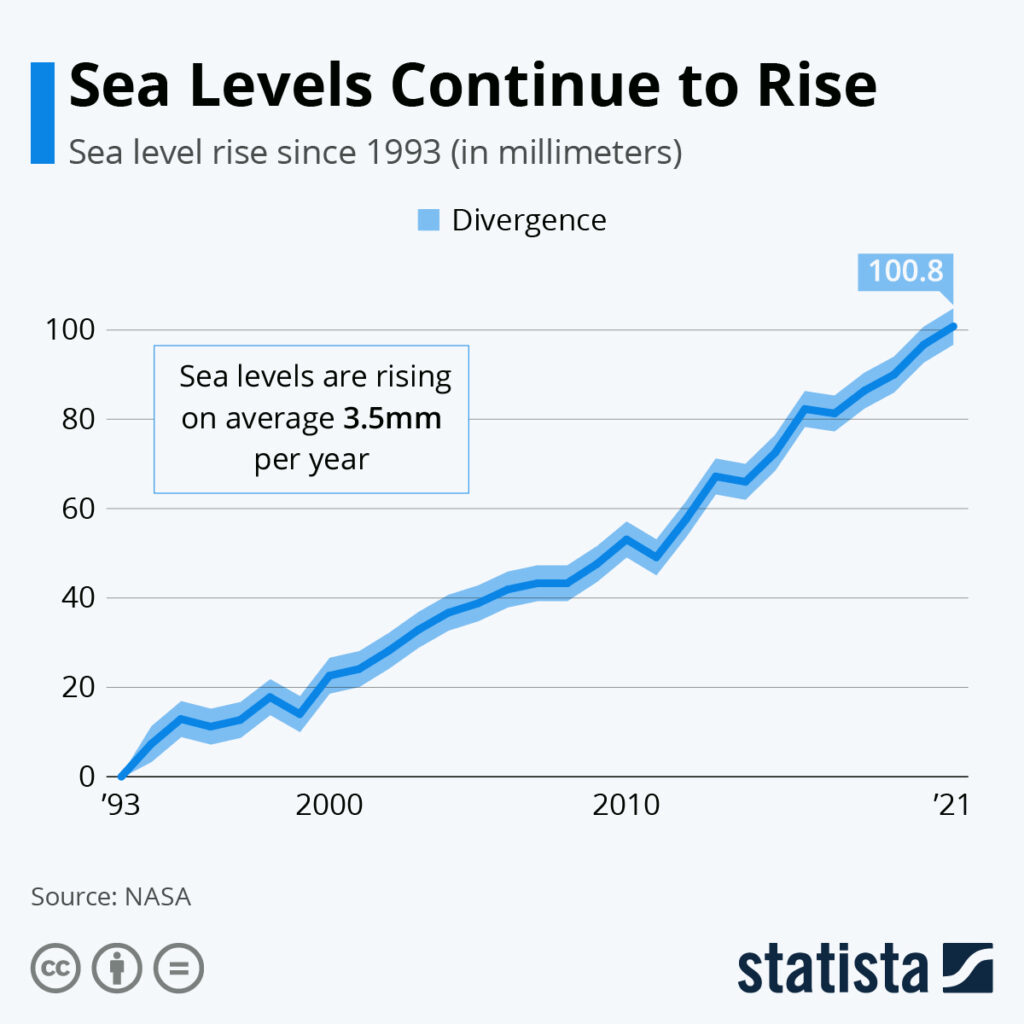
- Satellite altimetry since 1993 provides precise global sea‑level measurements, confirming an average increase of 3.4 mm yr⁻¹ and revealing regional variations linked to ocean currents (NASA, 2021).
- Gravity‑satellite missions such as GRACE detect mass loss from Greenland and Antarctica, quantifying ice‑sheet contributions to sea‑level rise (NASA/GSFC, 2020).
- Climate‑model attribution studies isolate the human fingerprint by comparing observed trends with simulations that include versus exclude anthropogenic forcing, consistently showing that >90 % of the observed rise since 1970 is attributable to human activities (IPCC, 2021).
Main Causes or Drivers
Direct Anthropogenic Drivers
- Increasing atmospheric concentrations of CO₂, CH₄, and nitrous oxide from energy production, industry, and agriculture.
- Land‑use change that reduces natural water storage (e.g., wetland loss, deforestation).
Underlying Physical Drivers
- Thermal expansion of seawater due to ocean warming.
- Melting of glaciers, Greenland ice sheet, and parts of Antarctica.
- Land subsidence from groundwater extraction and oil‑field compaction.
Environmental and Human Impacts
Environmental Impacts
Rising seas inundate coastal wetlands, erode beaches, and alter salinity gradients, threatening habitats such as mangroves, salt‑marshes, and coral reefs. Species that rely on narrow intertidal zones may experience range shifts or local extinctions.
Human Health and Social Impacts
Salt‑water intrusion contaminates freshwater aquifers, reducing drinking‑water quality and agricultural productivity. Increased frequency of coastal flooding raises risks of injury, displacement, and mental‑health stress, especially for low‑income communities lacking adaptive capacity.
Economic and Infrastructure Impacts
Sea‑level rise amplifies storm surge, leading to higher repair costs for roads, ports, and housing. The World Bank estimates that, without adaptation, coastal flood damage could total $1 trillion annually by 2050 (World Bank, 2021).
Regional Differences
Sea‑level change is not uniform. In the Western Pacific, thermal expansion and El Niño‑driven sea‑surface height anomalies add up to rates exceeding 5 mm yr⁻¹, while parts of the North Atlantic experience slower rise due to regional ocean circulation. Land subsidence in the Gulf of Mexico and the Mekong Delta intensifies relative sea‑level rise, whereas post‑glacial rebound in parts of Scandinavia actually lowers local sea level.
What Scientists Know With High Confidence
- Human greenhouse‑gas emissions are the dominant cause of global warming since the mid‑20th century.
- Thermal expansion and ice‑sheet melt together account for the majority of observed sea‑level rise since 1970.
- Sea‑level rise is occurring worldwide, with the global average increasing by about 3.4 mm yr⁻¹ over the past two decades.
- Coastal flooding frequency and extent have already increased in many regions directly linked to higher sea levels.
What Remains Uncertain
Key uncertainties include the rate at which the West Antarctic Ice Sheet may destabilize, the precise contribution of future iceberg calving events, and how regional land‑movement (subsidence or uplift) will interact with oceanic trends. These gaps affect projections of sea‑level rise by 2100, which range from 0.3 m to 1.0 m depending on emission scenarios and ice‑sheet behavior.
Common Misconceptions
Misconception: Sea‑level rise is caused only by natural factors.
Reality: While tides and short‑term climate variability affect local water levels, the long‑term upward trend aligns closely with the rise in anthropogenic greenhouse gases, as demonstrated by attribution studies.
Misconception: A few centimeters of rise are harmless.
Reality: Even modest increases raise the baseline for storm surge, increase the frequency of coastal inundation, and can outpace the ability of natural buffers such as dunes and wetlands to keep pace.
Misconception: Sea walls can stop sea‑level rise.
Reality: Sea walls protect specific sites but do not reduce the volume of water in the oceans; they also can cause downstream erosion and require costly maintenance.
Misconception: All regions will experience the same amount of rise.
Reality: Local sea‑level change varies due to ocean currents, gravitational effects of melting ice, and land subsidence or uplift, leading to significant regional differences.
Solutions and Limitations
Addressing sea‑level rise requires both mitigation of climate change and adaptation to inevitable impacts.
- Mitigation: Rapid decarbonisation of energy, transport, and industry reduces future warming and thus limits thermal expansion and ice melt. The limitation is the global coordination required and the time lag before atmospheric CO₂ stabilises.
- Nature‑Based Adaptation: Restoring mangroves, salt‑marshes, and coral reefs provides shoreline protection while supporting biodiversity. However, these habitats can be overtopped if sea level rises faster than they can accrete.
- Hard Infrastructure: Sea walls, surge barriers, and raised platforms protect critical assets but are costly, can disrupt sediment transport, and may create a false sense of security.
- Managed Retreat: Relocating vulnerable communities reduces exposure but involves complex social, economic, and cultural considerations.
What Individuals, Communities, and Governments Can Do
What Individuals Can Do
- Support policies that accelerate renewable‑energy adoption and carbon pricing.
- Reduce personal carbon footprints through energy‑efficient housing, low‑carbon travel, and mindful consumption.
- Participate in local shoreline restoration projects or citizen‑science monitoring of coastal erosion.
What Communities and Organizations Can Do
- Integrate sea‑level projections into land‑use planning, zoning, and building codes.
- Invest in green infrastructure such as permeable pavements, restored wetlands, and community‑scale flood barriers.
- Develop emergency‑response plans that consider future flood scenarios.
What Governments Can Do
- Implement and strengthen nationally determined contributions (NDCs) under the Paris Agreement to limit warming to 1.5 °C.
- Fund large‑scale coastal resilience programmes, including nature‑based solutions and strategic retreat where necessary.
- Mandate transparent reporting of coastal subsidence and sea‑level trends to guide adaptive investment.
Synthesis of Causes, Evidence, and Path Forward
Human‑driven greenhouse‑gas emissions heat the climate system, causing ocean water to expand and ice to melt, while land‑use changes alter natural water storage. Robust observational records and satellite data confirm that these processes have raised global mean sea level by about 20 cm since the 19th century, with the rate accelerating in recent decades. High‑confidence findings link this rise to increased coastal flooding, ecosystem loss, and socioeconomic vulnerability. Uncertainties remain in ice‑sheet dynamics and regional land movement, but they do not overturn the central conclusion that sea‑level rise is a real, human‑influenced phenomenon. Effective responses combine rapid emissions reductions, ecosystem‑based protection, resilient infrastructure, and, where necessary, planned retreat.
Frequently Asked Questions
What is sea‑level rise?
Sea‑level rise is the long‑term increase in the average height of the world’s oceans relative to land, measured over decades to centuries, and it reflects changes in water volume and land elevation.
How do human activities cause sea‑level rise?
Human activities emit greenhouse gases that warm the atmosphere and oceans, causing thermal expansion of seawater and melting of glaciers and ice sheets; land‑use changes also reduce natural water storage, amplifying the rise.
What evidence shows that sea‑level rise is accelerating?
Tide‑gauge records show a ~20 cm rise since the 1800s, while satellite altimetry since 1993 records a current global increase of about 3.4 mm per year, indicating an accelerating trend confirmed by multiple agencies.
Which regions are most vulnerable to rising seas?
Low‑lying deltas such as the Mekong and Nile, small island states in the Pacific and Indian Oceans, and coastal megacities built on subsiding sediments face the greatest risk of frequent flooding and salt‑water intrusion.
What actions can governments take to address sea‑level rise?
Governments can strengthen climate commitments under the Paris Agreement, fund coastal resilience projects, enforce building codes that incorporate sea‑level projections, and develop policies for managed retreat where protection is no longer viable.





Leave a Comment