
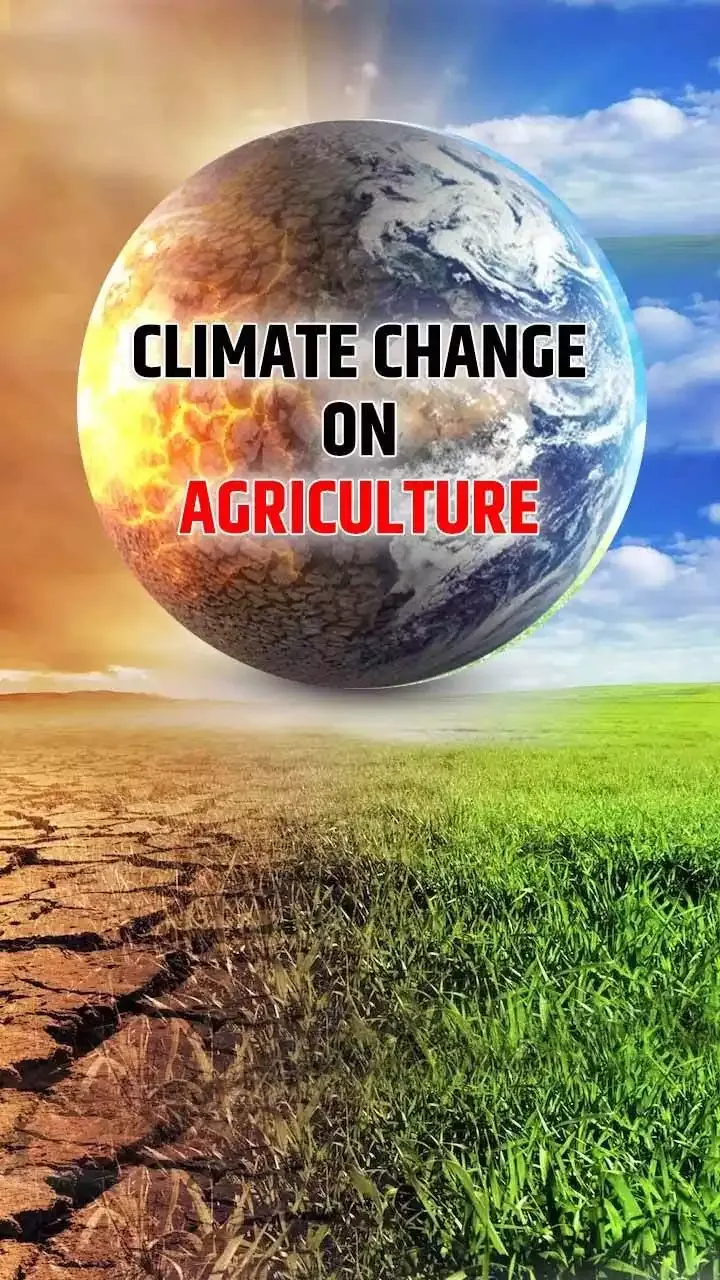
Agriculture can lower its climate footprint by adopting regenerative practices, agroforestry, precision technologies, sustainable livestock management, circular systems, and supportive policies that together enhance carbon sequestration and cut greenhouse‑gas emissions.
Quick Answer
Agriculture reduces its climate impact by shifting from input‑intensive, linear production to practices that store carbon in soils and vegetation, minimize synthetic inputs, and use data‑driven management. Evidence from the Intergovernmental Panel on Climate Change (IPCC) and long‑term field trials shows that regenerative soils can sequester up to 0.4 t CO₂‑eq ha⁻¹ yr⁻¹, while precision irrigation can cut water use by 20‑30 %. These measures lower emissions, improve resilience, and provide co‑benefits for biodiversity and food security, although outcomes vary by climate zone, crop type, and access to technology.
Key Takeaways
- Regenerative soil management can both sequester carbon and reduce the need for synthetic fertilizers.
- Agroforestry integrates trees into farms, delivering carbon storage, habitat, and diversified income.
- Precision agriculture optimizes inputs, cutting emissions and resource waste.
- Sustainable livestock practices, such as rotational grazing and improved feeds, lower methane and enhance pasture carbon stocks.
- Circular approaches recycle on‑farm waste into valuable inputs, reducing landfill emissions.
- Policy incentives, education, and market access are essential to scale climate‑smart agriculture.
What Is How Agriculture Can Reduce Its Impact on Climate Change?
The phrase describes a suite of climate‑smart farming methods that aim to cut greenhouse‑gas (GHG) emissions and increase carbon removal from the atmosphere. It encompasses soil‑health techniques, tree‑based systems, digital management tools, livestock reforms, and circular resource loops. Unlike generic “sustainable agriculture,” the focus here is explicitly on measurable climate outcomes—both mitigation (reducing emissions) and adaptation (building resilience).
How Does It Work?
1. Enhancing Soil Carbon
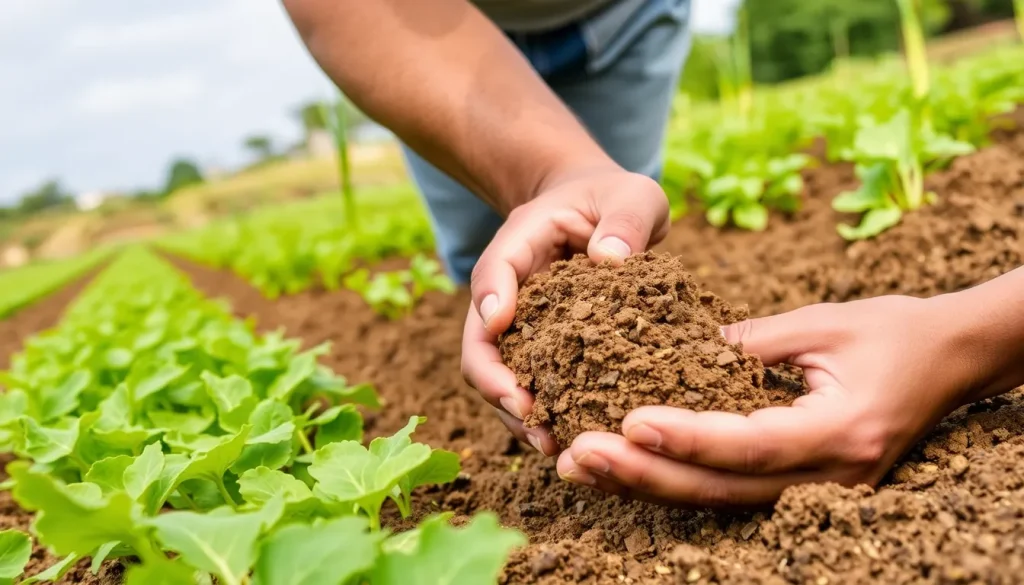
Cover crops, reduced tillage, and organic amendments add organic matter to the topsoil. Microbial activity transforms this material into stable humus, which stores carbon for decades. The process also improves water infiltration, reducing runoff and the need for irrigation.
2. Integrating Trees (Agroforestry)
Trees photosynthesize, pulling CO₂ from the air and locking it in woody biomass and roots. Their shade moderates microclimates, decreasing evaporative loss and enabling lower fertilizer rates.
3. Precision Input Management
Satellite imagery, soil sensors, and AI models guide variable‑rate applications of water, nitrogen, and pesticides. By matching inputs to real‑time crop needs, farms avoid excess emissions from over‑application.
4. Sustainable Livestock Practices
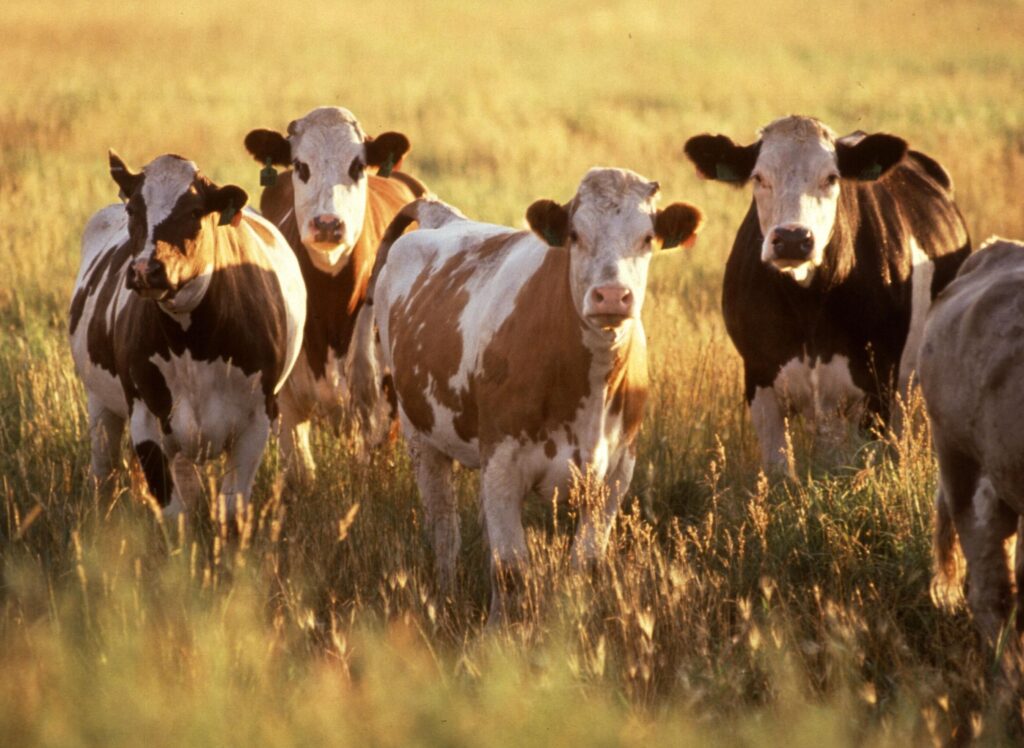
Rotational grazing allows grasses to recover, enhancing root depth and carbon storage. Feeding ruminants high‑quality forages or feed additives can reduce enteric methane by 10‑30 % according to meta‑analyses.
5. Circular Agriculture
By composting crop residues, manure, or food‑processing waste, farms create nutrient‑rich amendments that replace synthetic fertilizers, whose production accounts for roughly 8 % of global GHG emissions.
What Does the Evidence Show?
Multiple lines of evidence support the climate benefits of these practices. The IPCC’s 2022 assessment reports that improved soil management could offset up to 0.5 Gt CO₂‑eq yr⁻¹ globally if widely adopted. A systematic review of 54 field experiments (published in *Agriculture, Ecosystems & Environment* 2021) found an average 15 % reduction in nitrous‑oxide emissions from no‑till and cover‑crop systems. Long‑term trials in the United States Corn Belt show that continuous cover cropping increased soil organic carbon by 0.2‑0.3 % per year. Precision irrigation studies in Spain reported water savings of 25 % with no yield loss, implying lower energy use and associated emissions.
Main Causes or Drivers
Direct Causes
- Enteric methane from ruminants.
- Nitrous‑oxide emissions from synthetic nitrogen fertilizers.
- Carbon dioxide from fossil‑fuel‑based farm machinery.
Underlying Drivers
- Intensive monocultures that deplete soil organic matter.
- Land‑use change, especially forest conversion to cropland.
- Market pressures favoring high‑yield, input‑heavy production.
Environmental and Human Impacts
Environmental Impacts
Reduced GHG emissions directly mitigate climate change, while enhanced soil carbon improves water retention and reduces erosion. Agroforestry restores habitat, supporting pollinators and wildlife. Lower fertilizer use diminishes nitrate leaching into waterways, protecting aquatic ecosystems.
Human Health and Social Impacts
Cleaner air from fewer ammonia and nitrous‑oxide releases benefits respiratory health in nearby communities. Diversified farm income from tree products or value‑added compost can strengthen rural livelihoods, reducing poverty‑related vulnerability.
Regional Differences
In temperate regions such as the Midwestern United States, no‑till combined with winter cover crops is widely feasible and has demonstrated measurable carbon gains. In tropical smallholder systems, agroforestry and intercropping provide both climate benefits and food security, but adoption is constrained by land tenure insecurity. Arid zones face water scarcity; precision irrigation offers the greatest emission reduction potential there, though high upfront costs limit uptake.
What Scientists Know With High Confidence
- Soil organic carbon can be increased through reduced tillage, cover crops, and organic amendments.
- Enteric methane accounts for the largest share of agricultural GHG emissions.
- Agroforestry provides net carbon sequestration while delivering co‑benefits for biodiversity.
- Precision agriculture reduces input waste when supported by reliable sensor data.
What Remains Uncertain
Key uncertainties include the long‑term stability of sequestered soil carbon under changing climate conditions, the scalability of low‑methane feed additives across diverse livestock systems, and the socioeconomic barriers that limit technology adoption in low‑income regions. Further large‑scale, multi‑year field trials are needed to quantify net climate benefits when multiple practices are combined.
Common Misconceptions
Misconception: Planting trees on farms always offsets all emissions.
Reality: Trees sequester carbon, but the amount depends on species, density, and management. Trees cannot fully compensate for high fossil‑fuel use or excessive fertilizer application without complementary measures.
Misconception: No‑till farming eliminates the need for fertilizers.
Reality: No‑till improves soil structure but does not replace the nutrient function of fertilizers; balanced nutrient management remains essential.
Misconception: Precision agriculture is only for large, high‑tech farms.
Reality: Low‑cost sensor kits and open‑source platforms now enable smallholders to adopt variable‑rate practices, though training and support are critical.
Solutions and Limitations
Each climate‑smart strategy offers benefits and trade‑offs:
- Regenerative soil management: High potential for carbon storage, but benefits accrue over several years and require changes in tillage equipment.
- Agroforestry: Provides carbon and biodiversity gains, yet may reduce short‑term cropland area, affecting immediate yields.
- Precision agriculture: Improves efficiency, but depends on reliable data connectivity and may be financially prohibitive for some producers.
- Sustainable livestock: Rotational grazing enhances pasture carbon, yet implementation demands careful herd management and fencing.
- Circular agriculture: Composting recycles nutrients, yet large‑scale compost facilities require capital investment and regulatory compliance.
What Individuals, Communities, and Governments Can Do
What Individuals Can Do
- Choose food with lower embedded emissions, such as plant‑based options or products from certified regenerative farms.
- Support local CSA programs that encourage diversified, climate‑smart production.
- Advocate for transparent labeling of carbon‑footprint information.
What Communities and Organizations Can Do
- Facilitate farmer field schools that teach cover cropping, composting, and agroforestry.
- Develop cooperative purchasing schemes for precision‑ag technology to lower costs.
- Implement community composting hubs that turn organic waste into farm inputs.
What Governments Can Do
- Provide subsidies or tax credits for practices that demonstrably reduce GHG emissions, such as carbon‑credit schemes tied to verified soil carbon gains.
- Invest in rural broadband to enable data‑driven farming.
- Set standards for methane‑reducing feed additives and support research on region‑specific feed formulations.
What Businesses and Industries Can Do
- Incorporate climate‑smart criteria into procurement contracts for raw agricultural commodities.
- Offer financing products that cover the upfront costs of precision equipment or tree planting.
- Report supply‑chain emissions transparently, encouraging suppliers to adopt mitigation practices.
Synthesis
Agriculture can meaningfully curb climate change by restoring soils, integrating trees, applying data‑driven input management, and moving toward circular resource flows. High‑confidence science confirms that these actions store carbon, cut emissions, and deliver ancillary benefits for water quality, biodiversity, and rural livelihoods. Uncertainties remain around long‑term carbon permanence and the socioeconomic pathways needed for widespread adoption. By aligning policy incentives, education, and accessible technology, societies can unlock the sector’s potential as a climate ally rather than a liability.
Frequently Asked Questions
What is climate‑smart agriculture?
Climate‑smart agriculture refers to farming methods that both reduce greenhouse‑gas emissions and increase the sector’s ability to store carbon, improve resilience, and support food security.
How do cover crops help reduce agriculture’s climate impact?
Cover crops add organic matter to soil, boosting microbial activity that transforms carbon into stable humus, which sequesters CO₂ and improves water retention, thereby lowering the need for synthetic fertilizers.
Can precision agriculture significantly cut emissions?
Yes; by using sensors and satellite data to apply water, nitrogen, and pesticides only where needed, precision agriculture can reduce input waste by 20‑30 %, decreasing the associated CO₂ emissions from production and application.
What role does agroforestry play in carbon sequestration?
Agroforestry integrates trees into croplands, allowing photosynthesis to lock carbon in wood and roots while providing shade, habitat, and diversified income, making it a net carbon sink.
What policies support farmers in adopting climate‑friendly practices?
Policies such as subsidies for carbon‑sequestering soils, tax credits for precision equipment, and research funding for low‑methane feed additives create financial incentives and reduce barriers to climate‑smart adoption.






Leave a Comment