
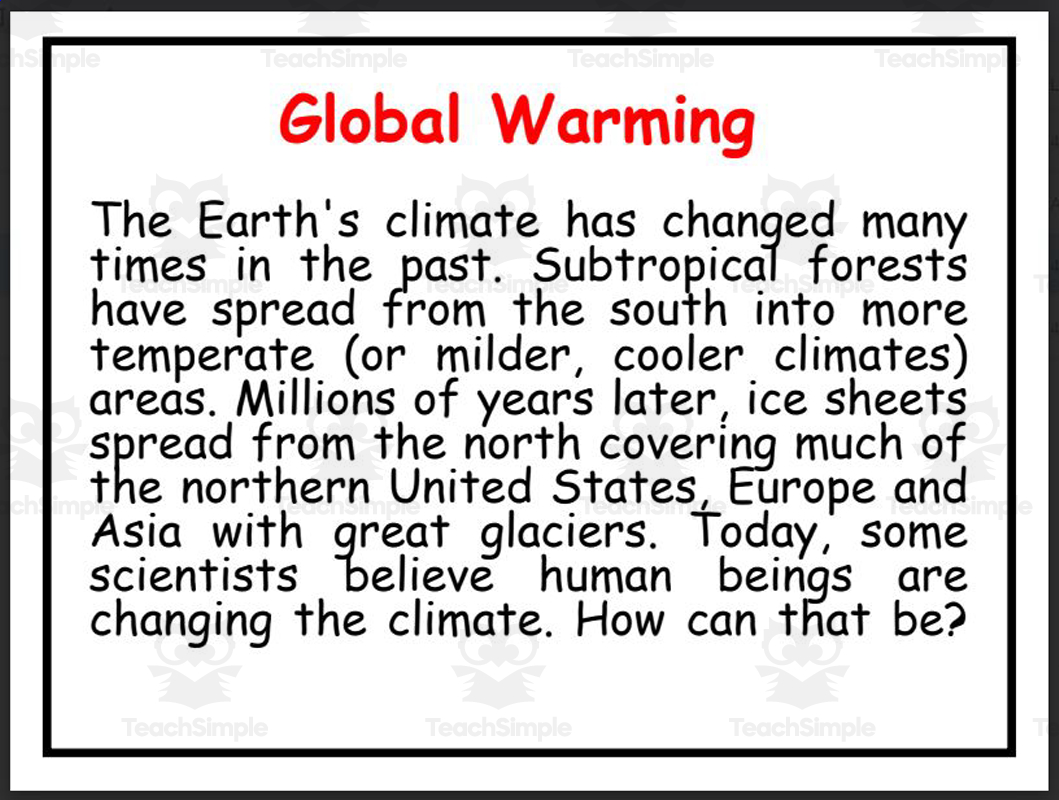
Global warming is the long‑term increase in Earth’s average surface temperature caused mainly by human‑driven greenhouse‑gas emissions, which traps extra heat and reshapes climate systems worldwide.
Quick Answer
Global warming refers to the sustained rise in the planet’s average surface temperature, primarily due to the accumulation of carbon dioxide, methane, nitrous oxide and other greenhouse gases released by burning fossil fuels, deforestation and intensive agriculture. These gases enhance the natural greenhouse effect, causing more solar energy to be retained in the atmosphere. The scientific consensus, summarized in the IPCC’s assessment reports, is that warming is unequivocal and largely anthropogenic. The most consequential impact is a shift toward more extreme weather, sea‑level rise and ecosystem disruption, though exact regional outcomes retain some uncertainty because of natural variability and future emission pathways.
Key Takeaways
- Human activities have increased atmospheric CO₂ by about 50 % since pre‑industrial times (IPCC, 2021).
- The enhanced greenhouse effect is the core physical mechanism driving global warming.
- Observed impacts include hotter summers, intensified storms, shrinking ice, and shifting species ranges.
- High‑confidence findings are supported by multiple independent lines of evidence (satellite data, ocean heat content, paleoclimate records).
- Mitigation, adaptation and equitable policy are all required; no single action can solve the problem alone.
What Is Global Warming in One Sentence: A Clear and Simple Explanation?
Global warming is the long‑term rise in Earth’s average surface temperature caused mainly by human‑generated greenhouse‑gas emissions that trap additional heat in the atmosphere. It differs from “climate change,” which also includes longer‑term shifts in precipitation, wind patterns and extreme‑event frequency, whereas warming focuses on temperature increase. Understanding this concise definition matters because temperature is a fundamental driver of many climate‑system feedbacks that affect ecosystems, economies and human health.
How Does It Work?
1. The Natural Greenhouse Effect
Solar radiation passes through the transparent atmosphere and warms the planet’s surface. The Earth then emits infrared radiation upward; gases such as water vapor, carbon dioxide (CO₂), methane (CH₄) and nitrous oxide (N₂O) absorb part of this outgoing energy and re‑emit it, keeping the planet roughly 33 °C warmer than it would be without them (NASA, 2023).
2. Anthropogenic Amplification
Since the Industrial Revolution, humans have added large quantities of CO₂, CH₄ and N₂O by burning coal, oil and gas, clearing forests, and managing livestock. These additional gases increase the atmosphere’s opacity to infrared radiation, creating a net energy surplus that raises global temperatures.
3. Feedback Loops
Warming triggers feedbacks that can amplify or dampen the initial forcing. For example, melting Arctic sea ice reduces the Earth’s albedo (reflectivity), causing more solar absorption; permafrost thaw releases stored CH₄, further strengthening the greenhouse effect. Some feedbacks, such as increased cloud cover, remain uncertain and are a focus of ongoing research.
What Does the Evidence Show?
Multiple, independent lines of evidence confirm warming:
- Instrumental records: Global surface temperature datasets (e.g., NOAA, NASA GISS) show a mean increase of about 1.1 °C since 1880, with most of the rise occurring after 1970.
- Ocean heat content: The World Ocean Monitoring System records a steady increase in heat absorbed by the oceans, which now store >90 % of the excess energy.
- Cryosphere changes: Satellite observations document declining Arctic sea‑ice extent (≈‑13 % per decade) and glacier mass loss worldwide.
- Paleoclimate reconstructions: Ice‑core and sediment records demonstrate that current CO₂ concentrations (≈420 ppm in 2023) exceed natural variability over the past 800,000 years.
- Attribution studies: Detection‑and‑attribution analyses consistently link the observed warming pattern to human emissions, with a probability of >99 % that the signal is anthropogenic.
Main Causes or Drivers
Direct Human Emissions
Fossil‑fuel combustion accounts for roughly 75 % of total CO₂ emissions, while agriculture contributes about 14 % of total greenhouse‑gas emissions, largely through CH₄ from ruminants and rice paddies, and N₂O from fertilizer use (IEA, 2022).
Land‑Use Change
Deforestation and land‑conversion reduce carbon sinks, releasing stored carbon and diminishing the planet’s capacity to absorb CO₂. The Global Forest Watch reports a net loss of ~10 million hectares of forest per year, equating to ~0.5 Gt of CO₂ released annually.
Amplifying Feedbacks
Melting permafrost, decreasing albedo, and water‑vapor feedbacks can intensify warming beyond the original forcing, though the exact magnitude remains a research focus.
Environmental and Human Impacts
Environmental Impacts
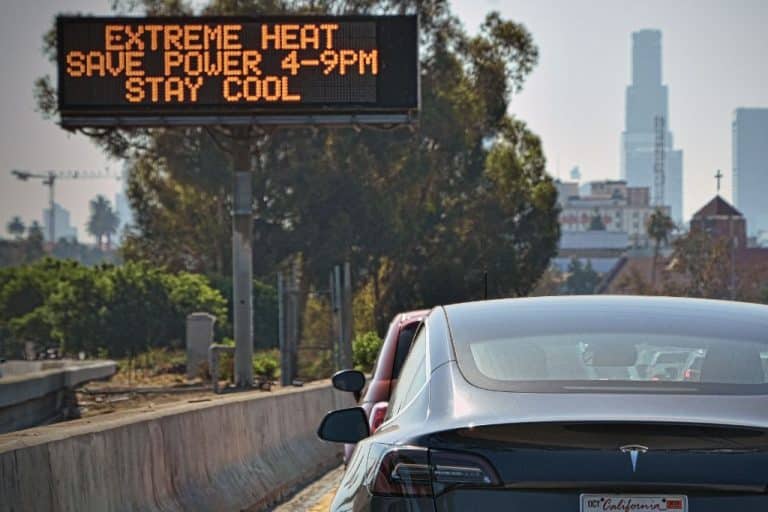
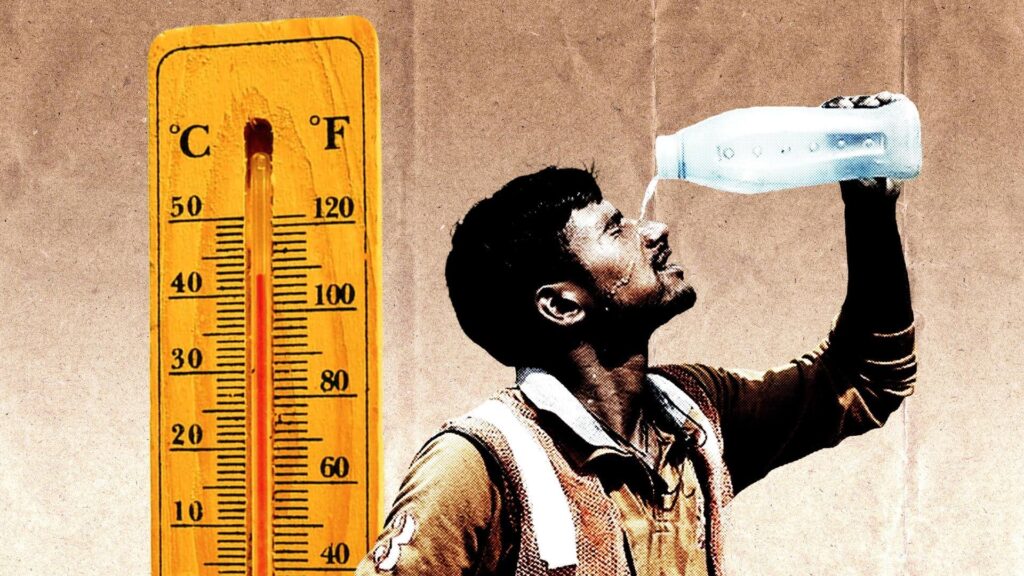
- More frequent and intense heatwaves, especially in mid‑latitude regions.
- Shifted precipitation patterns, leading to droughts in some areas and heavier rainfall in others.
- Ocean acidification (average pH drop of 0.1 since pre‑industrial times) affecting coral reefs and shell‑forming organisms.
- Loss of biodiversity as species migrate, adapt, or face extinction; the IUCN reports accelerated extinction risk for ~27 % of assessed species.
Human Health and Social Impacts
- Heat‑related mortality rises, particularly among older adults and outdoor workers.
- Vector‑borne diseases (e.g., malaria, dengue) expand their geographic range as temperatures climb.
- Food security is threatened by reduced crop yields in heat‑stressed regions, especially in low‑income tropical nations.
- Displacement and migration increase as sea levels rise and extreme events damage homes.
Economic and Infrastructure Impacts
- Higher insurance costs and greater frequency of climate‑related damages to property and infrastructure.
- Energy systems face strain from increased cooling demand and reduced hydroelectric generation during droughts.
Regional Differences
Impacts are not uniform. The Arctic is warming roughly twice the global average, accelerating ice loss and permafrost thaw. Sub‑Saharan Africa experiences heightened drought risk, affecting agriculture and water supply. Small island developing states confront sea‑level rise that threatens entire landmass. Conversely, some higher‑latitude regions may see longer growing seasons, yet still face ecosystem disruption.
What Scientists Know With High Confidence
What Scientists Know With High Confidence
- Atmospheric concentrations of CO₂, CH₄ and N₂O have risen sharply due to human activities.
- The enhanced greenhouse effect is the dominant cause of the observed global temperature increase since the mid‑20th century.
- Warming is linked to a wide range of physical changes, including sea‑level rise, shrinking ice, and increased ocean heat content.
- Human societies are already experiencing climate‑related risks, and these risks will grow with continued warming.
What Remains Uncertain
What Remains Uncertain
Key uncertainties involve the magnitude of climate feedbacks—especially cloud responses and permafrost carbon release—because they vary across models and are difficult to observe directly. Regional climate projections also carry larger confidence intervals due to complex local geography and limited observational networks. Finally, future emissions pathways depend on socio‑economic decisions, making precise temperature forecasts contingent on policy choices.
Common Misconceptions
Common Misconceptions
Misconception: “Global warming is just about hotter summers.”
Reality: While average temperatures rise, the broader climate system changes—including altered precipitation, more extreme storms, and sea‑level rise—are equally important.
Misconception: “CO₂ is a harmless plant nutrient, so more is fine.”
Reality: Excess CO₂ drives the greenhouse effect; the nutrient benefit to plants is limited and outweighed by ecosystem disruptions and ocean acidification.
Misconception: “Individual lifestyle changes can solve global warming alone.”
Reality: Personal actions matter but must be combined with systemic policy, infrastructure and industry transformations to achieve the emission reductions needed.
Solutions and Limitations
Effective responses combine mitigation (reducing emissions) and adaptation (preparing for impacts). Major strategies include:
- Renewable energy transition: Solar, wind and hydroelectric power can replace fossil fuels, yet intermittency, grid integration and upfront costs require supportive policies.
- Energy efficiency: Upgrading buildings, appliances and industrial processes cuts demand; barriers include capital availability and behavioral inertia.
- Reforestation and avoided deforestation: Restoring forests enhances carbon sinks, but land‑use competition and permanence concerns limit effectiveness.
- Carbon pricing: Taxes or cap‑and‑trade create economic incentives, yet political acceptance and price adequacy remain challenges.
- Adaptation measures: Coastal defenses, resilient agriculture and early‑warning systems reduce vulnerability, but they cannot fully offset the damage from unchecked warming.
Each solution carries trade‑offs. For example, large‑scale bioenergy may compete with food production, and some renewable projects impact local ecosystems. A portfolio approach—mixing technologies, nature‑based solutions and policy tools—is therefore essential.
What Individuals, Communities, and Governments Can Do
What Individuals Can Do
- Reduce personal energy use (e.g., improve home insulation, choose efficient appliances).
- Support low‑carbon transportation (public transit, cycling, electric vehicles when feasible).
- Choose diets with lower meat content, as livestock contributes ~14 % of global emissions.
- Engage civically—vote for climate‑responsive policies and participate in local sustainability initiatives.
What Communities and Organizations Can Do
- Develop local renewable energy projects and community micro‑grids.
- Implement climate‑resilient land‑use planning, preserving green spaces and wetlands.
- Provide education and resources for energy‑saving practices.
What Governments Can Do
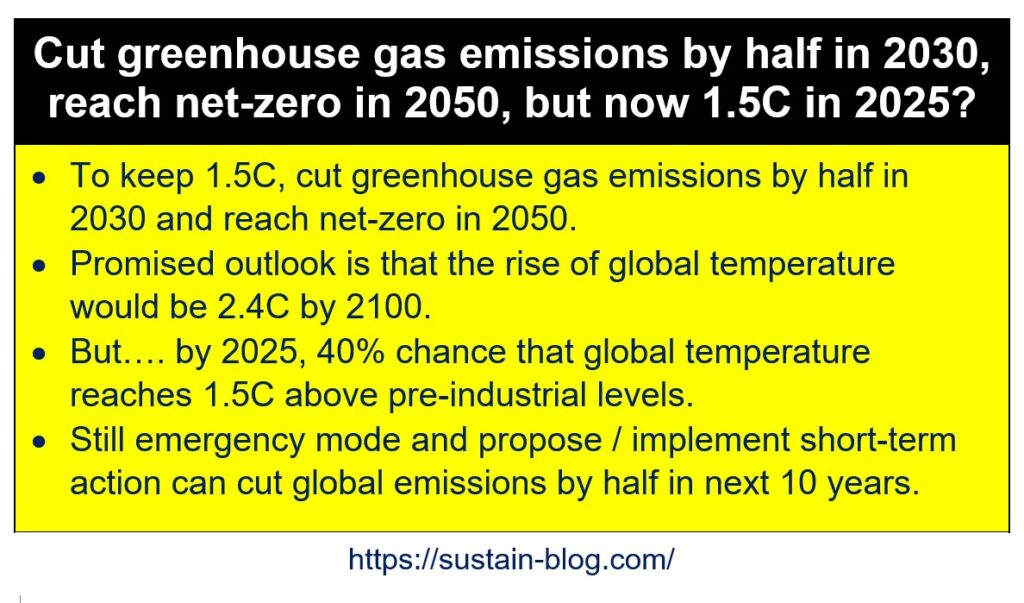
- Set ambitious, legally binding net‑zero targets aligned with the IPCC’s 1.5 °C pathway.
- Invest in public transit, grid modernization and research on low‑carbon technologies.
- Enforce regulations that limit emissions from industry and protect high‑risk ecosystems.
- Allocate financing for adaptation in vulnerable regions, ensuring equity.
Closing Synthesis
In a single sentence, global warming is the human‑driven rise in Earth’s average temperature that reshapes climate systems. Robust evidence from temperature records, ocean heat content, ice loss and atmospheric chemistry confirms this trend and its primary cause. While uncertainties remain around feedback strength and regional projections, the core physics is well‑understood. Mitigation, adaptation and equitable policy together offer the most credible path forward; individual actions matter most when they amplify collective change. Continued monitoring, transparent reporting and sustained investment in low‑carbon solutions will determine how sharply the warming trajectory can be flattened for future generations.
Frequently Asked Questions
What is the simplest definition of global warming?
Global warming is the long‑term increase in Earth's average surface temperature caused mainly by human‑generated greenhouse‑gas emissions that trap extra heat in the atmosphere.
How do greenhouse gases cause the planet to warm?
Greenhouse gases such as CO₂, CH₄ and N₂O absorb infrared radiation emitted by Earth's surface and re‑emit it back, creating a net energy surplus that raises global temperatures.
What are the most confident scientific findings about global warming?
Scientists are highly confident that atmospheric CO₂ has risen sharply due to human activity, that the enhanced greenhouse effect drives observed temperature rise, and that warming is linked to sea‑level rise, ice loss and increased ocean heat.
Why does global warming affect regions differently?
Geography, local climate dynamics and socioeconomic factors cause varied impacts: the Arctic warms about twice the global average, while some tropical regions face intensified droughts and low‑lying islands confront sea‑level rise.
What actions can governments take to limit global warming?
Governments can set legally binding net‑zero targets, invest in renewable energy and grid upgrades, enforce emissions regulations, and fund adaptation projects, especially for vulnerable communities.






Leave a Comment