

Melting glaciers are reshaping sea levels, ecosystems, weather, permafrost stability, and economies, creating cascading environmental and societal impacts that demand informed action.
Quick Answer
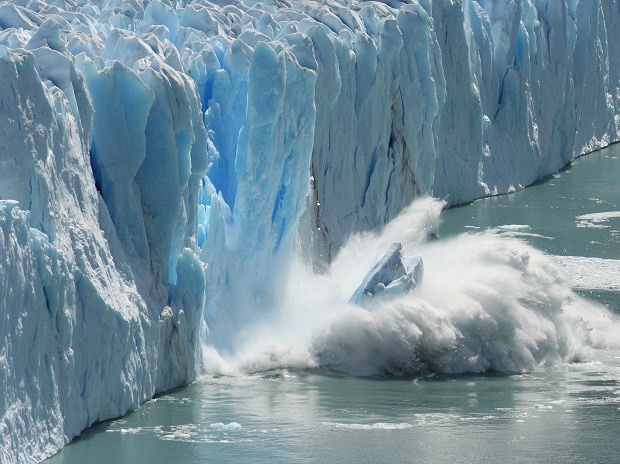
Glacier melt occurs when rising atmospheric temperatures exceed the energy balance that sustains ice, causing ice to convert to runoff that joins the oceans. The process is well documented by the Intergovernmental Panel on Climate Change (IPCC) and national monitoring agencies. The most consequential outcome is sea‑level rise, but melt also alters freshwater supplies, disrupts marine and terrestrial ecosystems, modifies atmospheric circulation, and releases greenhouse gases from thawing permafrost. While the direction of change is clear, uncertainties remain about the timing of regional impacts and the magnitude of feedbacks.
Key Takeaways
- Glacier melt contributes roughly 0.8 mm per year to global sea‑level rise, accounting for about 20 % of observed increases since 1993 (IPCC, 2021).
- Freshwater runoff from glaciers supports millions of people but is declining in many basins, threatening agriculture and drinking water.
- Freshwater influx into the North Atlantic can weaken the Atlantic Meridional Overturning Circulation, influencing weather patterns across Europe and North America.
- Thawing permafrost releases methane and carbon dioxide, creating a positive feedback that could add 0.1–0.3 °C of warming by 2100 under high‑emission scenarios.
- Economic costs arise from adaptation measures such as coastal defenses, water‑management infrastructure, and loss of glacier‑based tourism.
What Is Five Ways Melting Glaciers Are Changing Our World?
The phrase refers to five major pathways through which the loss of glacier ice influences the planet: (1) sea‑level rise, (2) ecosystem disruption, (3) altered weather and climate dynamics, (4) permafrost thaw, and (5) economic and societal ramifications. Glaciers are long‑term reservoirs of frozen freshwater; when they shrink, the stored water is released, and the physical landscape is altered. Unlike seasonal snow, glaciers persist for centuries, making their melt a signal of sustained climate change rather than short‑term variability.
How Does It Work?
1. Energy Imbalance and Ice Loss
Glaciers lose mass when the net energy input (solar radiation plus sensible and latent heat) exceeds the energy lost through longwave radiation and sublimation. The IPCC’s Fifth Assessment Report (AR5) identifies a global mean temperature increase of 1.1 °C above pre‑industrial levels as the primary driver of accelerated melt since the 1980s.
2. Transfer of Meltwater to the Oceans
Runoff from mountain glaciers, ice caps, and the Greenland and Antarctic ice sheets travels via rivers or directly into the sea. Satellite altimetry (e.g., NASA’s ICESat‑2) and gravimetric data from the GRACE mission quantify the added water volume, which translates to measurable sea‑level rise.
3. Feedbacks to Climate Systems
Freshwater input reduces surface salinity, affecting ocean density and the strength of thermohaline circulation. In the North Atlantic, a weakened overturning circulation can shift storm tracks and alter precipitation patterns over the North Atlantic region.
4. Permafrost Thaw and Greenhouse Gas Release
Glacier retreat often coincides with warming of adjacent permafrost. As ice within soils melts, organic matter decomposes anaerobically, producing methane (CH₄) and carbon dioxide (CO₂). The National Oceanic and Atmospheric Administration (NOAA) estimates that permafrost currently stores about 1,500 Gt of carbon, roughly twice the amount in the atmosphere.
5. Socio‑economic Cascades
Communities that rely on glacier meltwater for irrigation, hydropower, and tourism experience reduced water availability and loss of income. Coastal cities confront higher flood risk, prompting costly adaptation such as sea walls, managed retreat, or elevation of infrastructure.
What Does the Evidence Show?
Long‑term observations from the World Glacier Monitoring Service (WGMS) record a net loss of 9 % of global glacier volume between 1961 and 2016. Peer‑reviewed synthesis by Zemp et al. (2019) confirms that most glaciers are retreating, with the exception of a few high‑altitude sites that show temporary stability.
Sea‑level rise is documented by tide‑gauge records and satellite altimetry. The IPCC (2021) attributes 0.26 mm yr⁻¹ of the 2020 global mean sea‑level rise to glacier melt, with the remainder split between thermal expansion and ice‑sheet loss.
Changes in the Atlantic Meridional Overturning Circulation have been linked to freshwater pulses from Greenland melt, as shown in coupled climate model ensembles (e.g., CMIP6) and in observational studies by Rahmstorf et al. (2020).
Permafrost carbon release is supported by field measurements across Siberia and Alaska, where soil cores show increasing CH₄ fluxes during summer thaw periods (Schuur et al., 2015). However, the exact magnitude of future emissions remains an active research area.
Main Causes or Drivers
Direct Climate Forcing
Anthropogenic greenhouse‑gas emissions raise global mean temperatures, shifting the altitude‑temperature profile that sustains glaciers.
Regional Atmospheric Circulation
Changes in wind patterns can alter precipitation regimes, reducing snowfall that replenishes glaciers. For example, the weakening of the Asian monsoon has been linked to reduced accumulation in the Himalayas.
Albedo Feedback
As ice retreats, darker land or water surfaces absorb more solar radiation, accelerating local warming—a classic positive feedback documented in remote‑sensing studies.
Human Land‑Use Change
Black carbon deposition from combustion can darken glacier surfaces, increasing melt rates, especially in the Arctic and high‑altitude regions.
Environmental and Human Impacts
Environmental Impacts
- Sea‑level rise: Low‑lying islands and coastal marshes risk permanent inundation.
- Ecosystem alteration: Cold‑water fish species lose habitat as stream temperatures rise; alpine plant communities shift upward.
- Ocean circulation: Freshwater dilution may weaken heat transport, influencing regional climate.
- Permafrost carbon release: Additional greenhouse gases amplify global warming.
Human Health and Social Impacts
Reduced glacier runoff can compromise drinking‑water supplies, increasing reliance on groundwater extraction, which may lead to land subsidence. Nutrient‑rich meltwater supports agriculture; its decline can exacerbate food insecurity in downstream communities.
Economic and Infrastructure Impacts
Tourism revenue from glacier trekking declines as iconic ice formations disappear. Coastal adaptation costs are projected by the World Bank to reach $1 trillion annually by 2050 under high‑emission pathways, driven largely by sea‑level rise.
Regional Differences
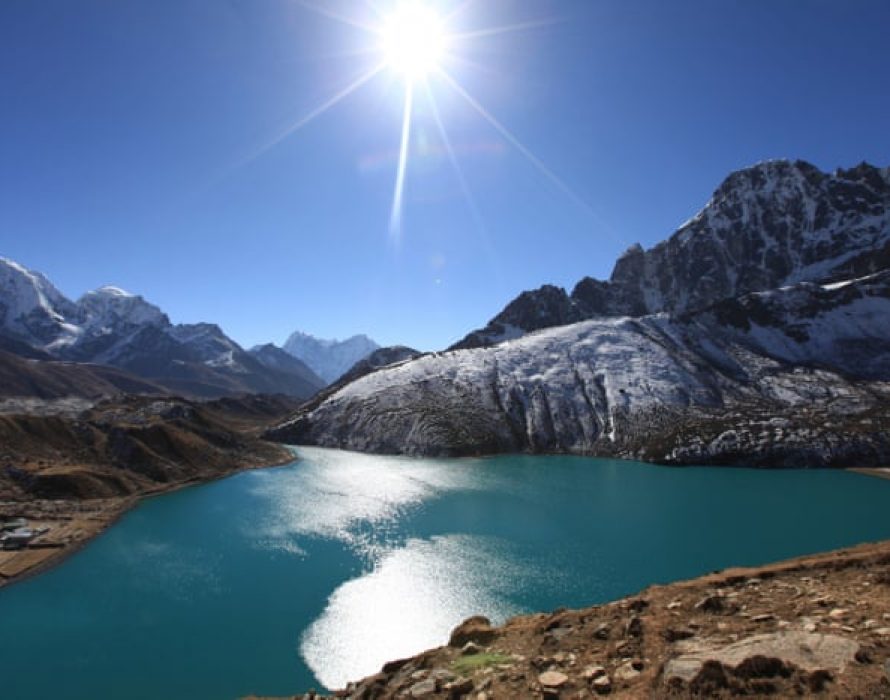
In the Himalaya, glacier retreat threatens the water security of over a billion people who depend on the Ganges, Indus, and Brahmaputra basins. In contrast, the Andes experience a rapid loss of tropical glaciers, affecting irrigation for Andean agriculture and hydroelectric power in Chile and Peru. Arctic regions face the dual challenge of permafrost thaw and sea‑level rise, endangering Indigenous communities that rely on stable coastlines for hunting and cultural practices.
What Scientists Know With High Confidence
- Global average temperatures have risen and are the primary driver of glacier mass loss.
- Glacier melt contributes measurably to observed sea‑level rise.
- Permafrost stores large carbon stocks that can be released as greenhouse gases when thawed.
- Freshwater influx from melt can influence ocean density and large‑scale circulation.
What Remains Uncertain
Key uncertainties include the rate at which the Atlantic Meridional Overturning Circulation will respond to continued freshwater input, the spatial variability of permafrost carbon emissions under different warming scenarios, and the socioeconomic resilience of communities dependent on glacier‑fed water resources. Improved in‑situ monitoring and high‑resolution modeling are needed to narrow these knowledge gaps.
Common Misconceptions
Misconception: All glacier melt is caused by natural climate cycles.
Reality: While natural variability influences glacier mass balance, the rapid acceleration of melt since the mid‑20th century aligns closely with anthropogenic greenhouse‑gas emissions, as shown in attribution studies (IPCC, 2021).
Misconception: Sea‑level rise is only due to melting ice sheets.
Reality: Sea‑level rise results from a combination of thermal expansion of seawater, glacier melt, and ice‑sheet loss; glaciers account for about one‑fifth of the total rise.
Misconception: Permafrost thaw only affects the Arctic.
Reality: Permafrost underlies roughly 24 % of the Northern Hemisphere’s land surface, extending into sub‑Arctic regions of North America, Europe, and Asia, where thaw can impact infrastructure and ecosystems.
Solutions and Limitations
Addressing glacier‑related changes requires both mitigation of global warming and adaptation to inevitable impacts.
- Mitigation: Rapid decarbonisation of energy systems reduces the temperature pathway that drives melt. The limitation is the need for coordinated policy, technology rollout, and financing at a global scale.
- Adaptation of Water Management: Building reservoirs, improving water‑use efficiency, and developing transboundary governance can buffer reduced glacier runoff. However, such infrastructure can be costly and may have ecological side‑effects.
- Coastal Protection: Sea walls, managed retreat, and ecosystem‑based buffers (e.g., mangroves) mitigate flood risk. Trade‑offs include high capital costs, potential displacement of communities, and limited lifespan under accelerating sea‑level rise.
- Permafrost Monitoring and Engineering: Early‑warning systems and redesign of foundations for roads and pipelines can reduce damage. Limitations involve technical challenges in remote areas and uncertainty about the timing of severe thaw.
What Individuals, Communities, and Governments Can Do
What Individuals Can Do
Support policies that limit greenhouse‑gas emissions, reduce personal carbon footprints through energy efficiency and low‑carbon transport, and engage in local water‑conservation initiatives. While individual actions alone cannot stop glacier melt, collective behavior influences political will.
What Communities and Organizations Can Do
Develop integrated water‑resource plans that account for declining glacier contributions, invest in climate‑resilient infrastructure, and promote sustainable tourism that does not depend on fragile glacier landscapes.
What Governments Can Do
Implement ambitious mitigation targets consistent with the Paris Agreement, fund long‑term glacier and permafrost monitoring networks, and allocate resources for adaptation measures such as flood‑defense systems and relocation assistance for vulnerable coastal populations.
Synthesis of Findings
Melting glaciers are a clear indicator of a warming climate and a driver of multiple interconnected changes: rising seas, altered ecosystems, shifting weather patterns, and the release of ancient carbon. High‑confidence science confirms the direction of these trends, while uncertainties persist around the magnitude of feedbacks and regional vulnerabilities. Effective responses combine rapid emissions reductions with targeted adaptation, recognizing both the limitations of current technologies and the need for equitable solutions.
Frequently Asked Questions
How does glacier melt contribute to sea‑level rise?
Glacier melt adds freshwater to the oceans, directly raising sea level. The IPCC reports that meltwater from glaciers accounts for about 0.8 mm of global sea‑level rise each year, roughly 20 % of the total observed increase since the early 1990s.
What are the main impacts of glacier loss on freshwater supplies?
Glaciers act as natural reservoirs, releasing water during dry seasons. As they shrink, downstream communities face reduced river flow, affecting drinking water, irrigation, and hydropower generation, especially in regions like the Himalaya and the Andes.
Can melting glaciers affect weather patterns far from the ice?
Yes. Freshwater entering the North Atlantic from Greenland melt can lower surface salinity, weakening the Atlantic Meridional Overturning Circulation. This can shift storm tracks and alter precipitation patterns across Europe and North America.
Why does permafrost thaw matter in the context of glacier melt?
Permafrost stores about 1,500 Gt of carbon. When thawed—often alongside glacier retreat—organic matter decomposes, releasing methane and carbon dioxide, which amplify global warming and create a feedback loop.
What actions can governments take to address the challenges of glacier melt?
Governments can set ambitious emissions‑reduction targets, fund long‑term glacier and permafrost monitoring, develop water‑resource management plans that consider reduced glacier runoff, and invest in coastal protection and relocation strategies for vulnerable populations.




Leave a Comment