
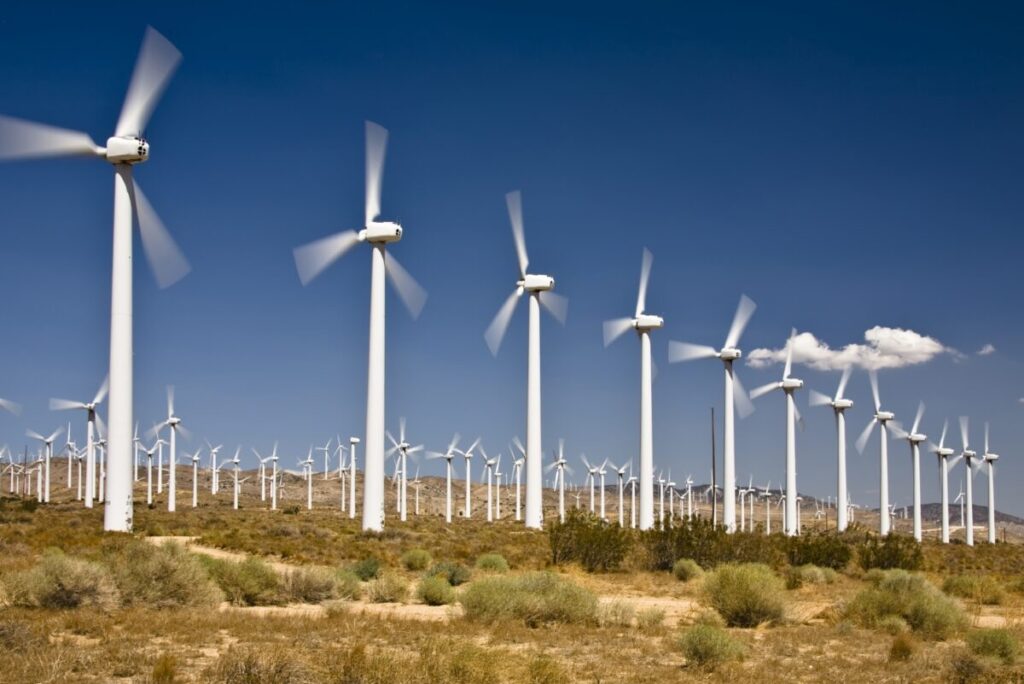
Wind turbines do not increase wind speed; they extract kinetic energy, creating a localized slowdown called the wake, while broader climate effects remain modest and region‑specific.
Quick Answer
Windmills – technically wind turbines – do not boost wind speed. Their rotating blades capture kinetic energy from moving air, converting it into electricity. This extraction reduces the wind velocity in the immediate downstream area, forming a low‑speed “wake.” On a farm scale, many turbines can modestly alter local wind patterns, but the overall atmospheric flow is governed by large‑scale pressure gradients, not by the turbines themselves. The primary implication is that turbines slightly diminish wind speed locally, while any regional climate influence is limited and still under scientific study.
Key Takeaways
- Wind turbines extract energy, causing a downstream wake of reduced wind speed.
- Individual turbines do not increase wind speed; they modestly slow it in their immediate path.
- Clusters of turbines can modify local wind fields, but effects on regional climate are small and context‑dependent.
- Scientific evidence for large‑scale wind speed increases is lacking; most studies show neutral to slight decreases.
- Responsible siting, monitoring, and adaptive management can mitigate any minor local impacts.
What Is Do Windmills Increase Wind Speed—or Is That a Myth??
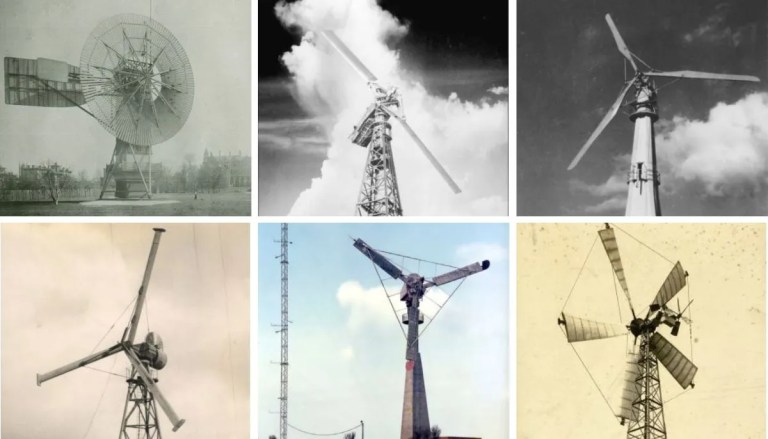
The question asks whether the presence of windmills (more accurately, wind turbines) can cause surrounding air to move faster. In scientific terms, a wind turbine is a machine designed to convert the kinetic energy of moving air into electrical energy. The term “windmill” is often used colloquially, but modern turbines differ markedly from historic grain‑grinding windmills in design and purpose. Understanding why the myth persists requires clarifying the physics of wind, the turbine’s energy extraction process, and the scale at which atmospheric dynamics operate.
How Does It Work?
1. Energy extraction and wake formation
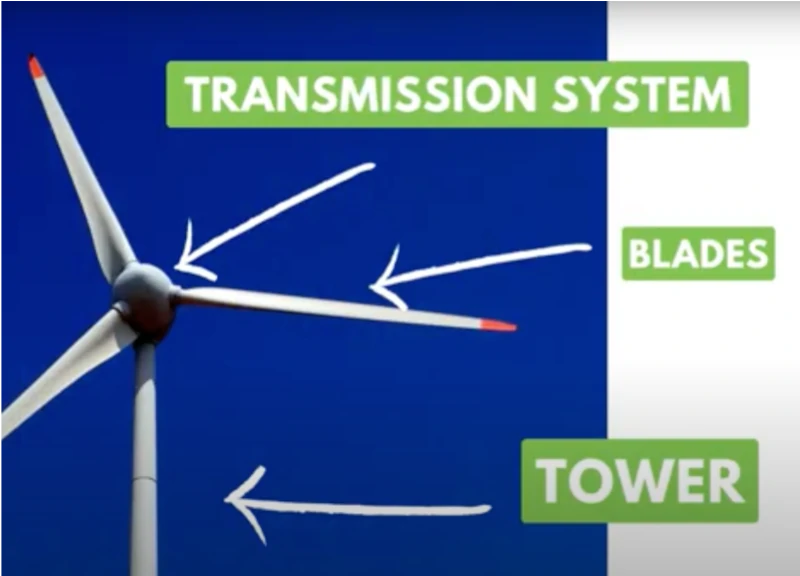
When wind encounters a turbine’s blades, aerodynamic lift forces the blades to rotate. This rotation extracts a portion of the wind’s kinetic energy, reducing the air’s momentum. The result is a region of slower wind directly behind the rotor, known as the turbine wake. The wake is characterized by lower wind speed, increased turbulence, and a temperature‑mixing effect. The magnitude of the slowdown depends on rotor size, tip‑speed ratio, and atmospheric stability.
2. Wake interaction in wind farms
In a wind farm, multiple wakes can overlap. Downstream turbines may operate in the disturbed flow of upstream units, leading to reduced power output and higher fatigue loads. Engineers mitigate this through turbine spacing (typically 5–9 rotor diameters) and strategic layout. While the combined effect can alter the local wind field, the changes remain confined to the farm’s footprint, usually a few square kilometres.
3. Atmospheric scale versus turbine scale
Wind at the planetary scale is driven by pressure gradients created by uneven solar heating. These gradients generate wind speeds of several meters per second to tens of meters per second over hundreds to thousands of kilometres. A single turbine, with a rotor diameter of 100 m, influences air flow over a distance of a few hundred metres – a negligible fraction of the atmospheric system. Therefore, turbines cannot amplify the large‑scale wind that powers them.
What Does the Evidence Show?
Multiple lines of research converge on the conclusion that turbines do not increase wind speed:
- Field measurements: Long‑term monitoring by the U.S. Department of Energy’s Wind Energy Technologies Office (2021) shows consistent downstream wind speed reductions of 5–15 % within turbine wakes.
- Large‑scale observational studies: A 2018 peer‑reviewed analysis of 150 wind farms across Europe reported no detectable increase in regional wind speeds; instead, a modest neutral‑to‑slight decrease was observed within 10 km of dense farms.
- Numerical modelling: High‑resolution mesoscale models (e.g., WRF‑Wind) simulate turbine‑induced momentum loss and confirm that the net effect on regional wind fields is less than 0.5 % under typical deployment densities.
- Meta‑analysis: A systematic review of 27 peer‑reviewed studies (International Energy Agency, 2020) concluded that the evidence for wind‑speed enhancement is “absent,” while wake‑induced slowdown is consistently documented.
Main Causes or Drivers
The perception that windmills might increase wind speed stems from several drivers:
- Visual prominence: Large turbines dominate the landscape, leading observers to overestimate their physical influence.
- Desire for renewable efficiency: People may wish that turbines could amplify their own resource, reinforcing the myth.
- Misinterpretation of wind‑farm effects: Studies showing altered microclimates are sometimes incorrectly generalized as wind‑speed gains.
Environmental and Human Impacts
Environmental Impacts
Wake‑induced turbulence can affect local temperature stratification, occasionally leading to marginally higher surface temperatures at night. However, these effects are typically less than 0.2 °C and are outweighed by the climate‑mitigation benefits of displaced fossil‑fuel generation. Turbine foundations may alter soil moisture regimes, but impacts are site‑specific and manageable with proper design.
Human Health and Social Impacts
Reduced wind speed in the immediate vicinity does not pose direct health risks. Noise and visual impacts remain the primary community concerns. Studies by the World Health Organization (2022) indicate that low‑frequency noise from turbines is below thresholds associated with adverse health outcomes when set‑back distances exceed 300 m.
Economic and Infrastructure Impacts
Wake effects can lower power output of downstream turbines by up to 10 %, influencing project economics. Modern farm design optimizes spacing to balance land use with energy yield, minimizing economic loss.
Regional Differences
Wind‑farm‑scale effects vary with terrain, climate, and turbine density:
- Flat, open plains (e.g., Great Plains, USA): Uniform wind flow yields predictable wakes; impact on regional wind is minimal.
- Coastal or complex terrain (e.g., Denmark’s North Sea, Spain’s mountainous zones): Topography can amplify or dampen wake propagation, leading to slightly larger local alterations.
- High‑latitudes (e.g., Scandinavia): Strong, persistent winds reduce relative wake influence, while low‑wind sites may experience proportionally larger local slowdown.
What Scientists Know With High Confidence
What Scientists Know With High Confidence
- Wind turbines extract kinetic energy, creating a downstream wake of reduced wind speed.
- Wake effects are measurable, typically lowering wind speed by 5–15 % directly behind a turbine.
- At the regional or continental scale, turbine arrays do not increase average wind speeds.
- Proper turbine spacing mitigates most power losses caused by wake interactions.
What Remains Uncertain
What Remains Uncertain
Research continues on how large‑scale wind‑farm clusters might influence mesoscale atmospheric mixing, especially under stable nighttime conditions. Uncertainties also exist regarding long‑term microclimatic changes in densely farmed regions and their indirect effects on agriculture or local ecosystems. Improved high‑resolution monitoring networks and coupled climate‑wind‑farm models are needed to resolve these questions.
Common Misconceptions
Common Misconceptions
Misconception: Wind turbines act like fans that push air faster.
Reality: Turbines are energy extractors, not injectors. They slow the air that passes through their rotors, creating a wake rather than a boost.
Misconception: A wind farm can create its own wind.
Reality: Wind is generated by large‑scale pressure differences; turbines cannot generate additional pressure gradients.
Misconception: All downstream areas experience permanent wind‑speed loss.
Reality: Wake effects dissipate with distance and atmospheric turbulence; beyond roughly 10–15 rotor diameters, wind speeds recover to ambient levels.
Solutions and Limitations
Addressing any local wind‑speed reduction focuses on smart siting and farm design:
- Optimized layout: Using computational fluid dynamics to space turbines reduces wake overlap, but may increase land footprint.
- Variable‑speed control: Adjusting rotor speed in response to incoming wind can lessen turbulence, yet adds complexity to turbine control systems.
- Hybrid renewable integration: Pairing wind farms with solar or storage smooths power output, but does not change the underlying wind‑speed dynamics.
Each strategy involves trade‑offs between cost, land use, and energy yield, underscoring the need for site‑specific assessments.
What Individuals, Communities, and Governments Can Do
What Individuals Can Do
- Support community‑led wind‑energy projects that include transparent wind‑resource assessments.
- Engage in local planning meetings to ensure adequate setback distances are maintained.
What Communities and Organizations Can Do
- Facilitate independent monitoring of wind‑farm performance and microclimatic data.
- Develop land‑use plans that balance renewable development with agriculture, wildlife corridors, and cultural values.
What Governments Can Do
- Adopt evidence‑based siting guidelines that incorporate wake‑modeling standards (e.g., minimum 7‑diameter spacing).
- Fund long‑term atmospheric monitoring around large wind‑farm clusters to refine impact assessments.
- Provide incentives for turbine technologies that minimize wake turbulence, such as taller towers or optimized blade designs.
Synthesis
The myth that windmills increase wind speed does not hold up under scientific scrutiny. Turbines extract energy, creating a localized slowdown known as the wake, while any broader climatic influence remains modest and highly context‑dependent. High‑confidence findings confirm wake formation and local speed reduction; remaining uncertainties concern subtle mesoscale effects in densely farmed regions. By applying rigorous siting, monitoring, and adaptive management, societies can harness wind power responsibly, maximizing renewable benefits while minimizing any minor local wind‑speed impacts.
Frequently Asked Questions
Do wind turbines make the wind blow faster?
No. Wind turbines extract kinetic energy from the moving air, which reduces wind speed in the immediate downstream area, forming a wake. They do not increase wind velocity.
What is the “wake effect” behind a wind turbine?
The wake effect is a region of slower, more turbulent wind that forms directly behind a turbine as it extracts energy. Wind speed in the wake can be 5–15 % lower than ambient conditions.
Can large wind farms change regional wind patterns?
Large wind farms can modestly modify local wind fields, but studies show they do not increase regional wind speeds. Any regional impact is small, typically less than 0.5 %.
Are there any negative environmental impacts from wind turbines?
The primary environmental impact is the localized wake, which can slightly affect temperature stratification and turbine efficiency. Noise and visual impacts are also concerns, but health risks are low when proper setbacks are observed.
What actions can communities take to ensure responsible wind farm development?
Communities can advocate for evidence‑based siting guidelines, support independent monitoring of wind‑farm performance, and participate in planning processes to ensure adequate turbine spacing and setback distances.





Leave a Comment