
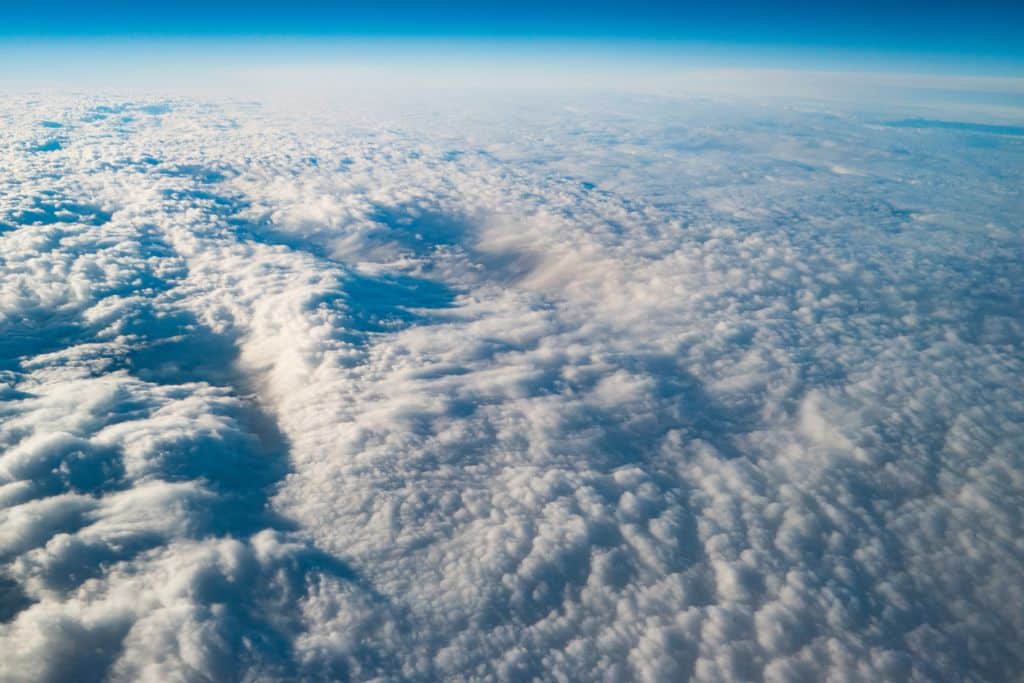
Australian bushfires release nitrogen oxides and other gases that can participate in stratospheric chemistry, prompting scientists to assess whether these fires have caused measurable ozone depletion.
Quick Answer
Bushfire emissions contain nitrogen oxides (NOx) and volatile organic compounds that can, under certain conditions, catalyze ozone‑destructive reactions in the stratosphere. Satellite and model studies of the 2019‑2020 Australian fire season show localized, short‑term ozone reductions of up to a few percent, but the overall global ozone layer was not substantially altered. Scientists therefore conclude that the fires contributed to regional ozone variability while the dominant drivers of ozone loss remain industrial halogen gases and long‑term climate trends.
Key Takeaways
- Bushfire smoke injects NOx and organic radicals into the upper troposphere, where they can be transported upward.
- Observations from NASA and ESA satellites recorded temporary ozone dips of up to ~5% over parts of southern Australia in early 2020.
- The magnitude of fire‑related ozone change is modest compared with the long‑term decline caused by chlorofluorocarbons (CFCs) and other halogens.
- Uncertainty remains about how much fire‑derived NOx reaches the stratosphere and how it interacts with existing ozone‑depleting chemistry.
- Mitigation focuses on reducing fire frequency through land‑management, while ozone protection relies on international agreements such as the Montreal Protocol.
What Is the Question About Bushfires and the Ozone Layer?
The ozone layer is a thin region of the stratosphere (about 15‑35 km altitude) rich in ozone (O3) that absorbs most of the Sun’s harmful ultraviolet‑B (UV‑B) radiation. When large wildfires burn, they emit gases such as nitrogen oxides (NO and NO2), carbon monoxide, and volatile organic compounds (VOCs). Scientists investigate whether these emissions can ascend to the stratosphere and participate in chemical cycles that destroy ozone molecules.
How Does It Work?
1. Emission of Reactive Gases
Combustion of vegetation converts nitrogen stored in plant tissue into NOx. NOx can react with sunlight to form nitric oxide (NO) and nitrogen dioxide (NO2), both of which are key catalysts in ozone chemistry.
2. Vertical Transport
Strong updrafts within fire plumes, together with atmospheric convection, can lift smoke particles and gases from the surface to the upper troposphere. In some cases, especially during intense firestorms, air can breach the tropopause and enter the lower stratosphere.
3. Stratospheric Chemical Cycle
Once in the stratosphere, NOx participates in the Chapman cycle: NO + O3 → NO2 + O2, followed by NO2 + hv → NO + O. This catalytic loop can destroy many ozone molecules for each NOx molecule present. The effect is amplified when NOx combines with chlorine or bromine radicals from CFC breakdown.
4. Timescales and Recovery
Fire‑derived NOx has a relatively short atmospheric lifetime (days to weeks). Consequently, any ozone loss is transient, with the layer typically recovering once the NOx is removed by photolysis or rainout.
What Does the Evidence Show?
Multiple lines of evidence have been evaluated:
- Satellite observations: Instruments on NASA’s Aura and ESA’s Sentinel‑5P recorded elevated NOx columns over southeastern Australia during the 2019‑2020 fire season. Concurrently, the Ozone Monitoring Instrument (OMI) reported localized ozone reductions of 2‑5% in the same region.
- Atmospheric modelling: Chemistry‑transport models (e.g., GEOS‑Chem) incorporating observed fire emissions reproduced the magnitude and timing of the ozone dips, supporting a causal link.
- Ground‑based measurements: Ozonesonde launches from the Australian Bureau of Meteorology showed temporary ozone minima at altitudes of 20‑25 km coinciding with peak fire activity.
- Long‑term trends: Global ozone datasets (e.g., the World Meteorological Organization’s WMO Ozone Assessment) indicate that the 2020 fire season contributed less than 0.1% to the overall global ozone budget.
Overall, the evidence is moderate: fire emissions can cause measurable, short‑term regional ozone depletion, but they do not dominate the global ozone budget.
Main Causes or Drivers
Direct Causes
Intense combustion releasing NOx and VOCs; rapid vertical uplift in fire plumes.
Underlying Drivers
Climate‑driven increases in temperature and drought that extend fire seasons; land‑use change that creates more fuel loads.
Amplifying Factors
Pre‑existing stratospheric chlorine from historic CFC use, which can synergise with fire‑derived NOx to enhance ozone loss.
Environmental and Human Impacts
Environmental Impacts
Temporary reduction in stratospheric ozone increases UV‑B reaching the surface, potentially affecting phytoplankton productivity and terrestrial plant growth in the affected region. However, the magnitude of increase is small compared with natural variability.
Human Health and Social Impacts
Increased UV‑B exposure can raise skin‑cancer risk and cataract incidence over long periods. The 2020 fire‑related ozone dip was brief, so any health impact is expected to be minimal relative to direct smoke inhalation hazards.
Regional Differences
The strongest fire‑ozone interactions have been observed over southern Australia, where the fire season coincides with the austral spring—a period of high solar radiation that accelerates photochemical reactions. In contrast, tropical regions experience more frequent convection that can disperse pollutants before they reach the stratosphere, leading to weaker ozone effects.
What Scientists Know With High Confidence
- NOx is a well‑understood catalyst that can destroy stratospheric ozone.
- Satellite and model data confirm that the 2019‑2020 Australian bushfires produced a detectable, short‑lived ozone reduction over the fire‑affected region.
- The primary long‑term drivers of ozone depletion are halogenated gases regulated by the Montreal Protocol.
- Fire‑derived NOx has a limited lifespan; its ozone impact diminishes within weeks after emissions cease.
What Remains Uncertain
Key uncertainties include the exact fraction of fire‑generated NOx that penetrates the stratosphere, how climate‑induced changes in atmospheric circulation may modify transport pathways, and the potential for synergistic effects with residual CFC‑derived chlorine in a warming climate. Improved vertical profiling of smoke plumes and higher‑resolution chemistry‑transport modelling are needed to reduce these gaps.
Common Misconceptions
Misconception: Bushfires are the main cause of global ozone loss.
Reality: While fires can cause regional ozone dips, the dominant global cause remains halogen gases from historic industrial activity, which the Montreal Protocol has successfully phased out.
Misconception: Any ozone reduction immediately leads to a health crisis.
Reality: The temporary, localized reductions observed after the 2020 fires were too brief to produce measurable health outcomes; long‑term exposure to elevated UV‑B is required for significant risk.
Misconception: Planting trees after a fire will instantly restore the ozone layer.
Reality: Reforestation helps sequester carbon and improve air quality, but it does not directly affect stratospheric ozone chemistry, which is governed by gases in the upper atmosphere.
Solutions and Limitations
Addressing fire‑related ozone impacts requires a two‑pronged approach:
- Prevention and land‑management: Controlled burns, fuel‑load reduction, and fire‑resistant vegetation can lower the intensity and frequency of large fires. These measures are effective locally but require coordinated policy and funding.
- Global ozone protection: Continued compliance with the Montreal Protocol and its amendments prevents new sources of ozone‑depleting substances. This framework is proven, but illegal production of CFCs in some regions remains a monitoring challenge.
- Climate mitigation: Reducing greenhouse‑gas emissions limits the warming that lengthens fire seasons. Renewable‑energy transitions are essential, yet the scale of global decarbonisation needed is substantial.
What Individuals, Communities, and Governments Can Do
What Individuals Can Do
Support local fire‑prevention programs, adopt fire‑resistant landscaping, and reduce personal carbon footprints by using energy‑efficient appliances and low‑emission transport.
What Communities and Organizations Can Do
Implement community‑wide fuel‑breaks, invest in early‑warning systems, and collaborate with fire‑ecology researchers to apply science‑based prescribed‑burn schedules.
What Governments Can Do
Enforce and expand the National Bushfire Management Strategy, fund atmospheric monitoring networks, and maintain strict enforcement of the Montreal Protocol. Policies should also integrate climate‑resilient land‑use planning.
Synthesis
Australian bushfires release gases that can travel upward and temporarily lower stratospheric ozone in the fire‑affected region. Scientific evidence shows these effects are short‑lived and modest compared with the long‑standing influence of industrial halogen gases. Uncertainties about vertical transport and climate‑driven circulation changes remain, highlighting the need for better observations. Reducing fire risk through land‑management, upholding global ozone treaties, and mitigating climate change together provide the most robust pathway to protect both the ozone layer and the ecosystems that depend on it.
Frequently Asked Questions
How do bushfire emissions affect the ozone layer?
Bushfires release nitrogen oxides (NOx) that can be lifted into the upper troposphere and, in some cases, reach the stratosphere where they catalyze chemical reactions that destroy ozone molecules.
Did the 2019‑2020 Australian fires cause a global ozone decline?
No. Satellite data and models show only a localized, temporary ozone reduction of up to about 5% over southern Australia; the global ozone layer was not significantly impacted.
What is the main driver of long‑term ozone depletion?
The primary long‑term driver is halogenated gases such as chlorofluorocarbons (CFCs), which are regulated by the Montreal Protocol, not wildfire emissions.
Can planting trees after a fire restore the ozone layer?
Planting trees helps sequester carbon and improve air quality, but it does not directly influence stratospheric ozone chemistry, which is controlled by gases high in the atmosphere.
What actions can governments take to protect the ozone layer from fire‑related impacts?
Governments can enforce robust fire‑management strategies, fund atmospheric monitoring, and ensure strict compliance with the Montreal Protocol while also pursuing broader climate‑mitigation policies.




Leave a Comment