
California’s water crisis persists even as the state swings between heavy storms and scorching heat, revealing a complex mix of climate dynamics, water‑use practices, and policy challenges.
Quick Answer
California remains in drought because most precipitation arrives as short, intense storms that run off rather than recharge soils and aquifers, while rising temperatures speed evaporation and melt snowpack earlier. Climate change amplifies both extremes, and growing water demand outpaces supply. The result is chronic water scarcity that persists despite occasional heavy rainfall, though exact future conditions remain uncertain.
Key Takeaways
- Most California rain falls in brief, high‑intensity events that generate runoff rather than groundwater recharge.
- Warmer temperatures increase evaporation and cause earlier snowmelt, reducing natural water storage.
- Population growth and high‑water‑use agriculture intensify demand on already limited supplies.
- Climate‑change projections show more frequent droughts and heavier storms, creating a paradox of excess water and scarcity.
- Effective solutions combine water‑conservation, smart infrastructure, and climate‑adapted policies, but each has trade‑offs.
What Is California Drought Amid Extreme Weather Swings?
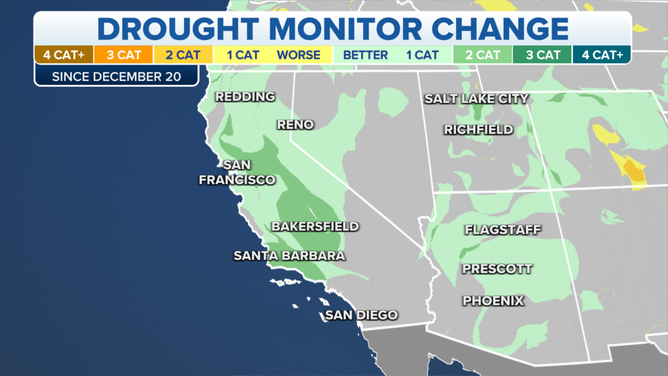
The term describes a prolonged period of water deficit in California that coexists with large, episodic rainfall events and heat waves. Unlike a simple lack of rain, drought reflects an imbalance among precipitation, storage, demand, and losses. It is measured by indices such as the U.S. Drought Monitor, which integrates soil moisture, streamflow, and reservoir levels across the state.
How Does the Drought–Rainfall Cycle Work?
1. Atmospheric Drivers
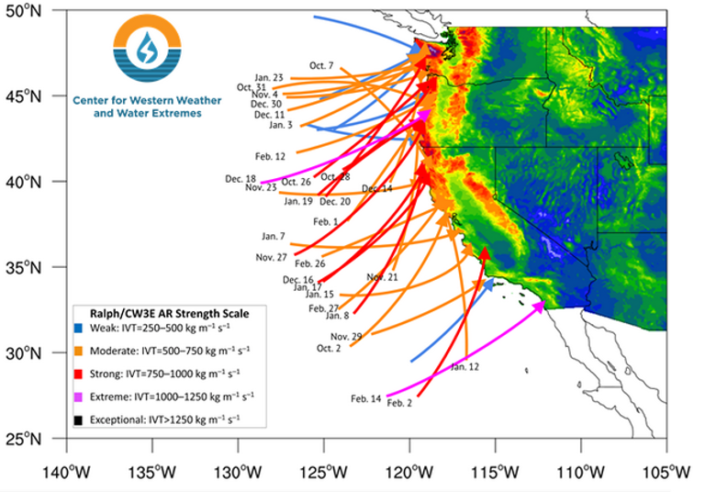
California’s climate is dominated by the Pacific jet stream and the position of the North Pacific high‑pressure system. When the jet dips south, winter storms bring rain; when the high expands, the state experiences dry, subsiding air that creates heat waves.
2. Storm Intensity and Runoff
Recent storms often exceed 2 inches per hour, overwhelming dry soils. Water flows rapidly into rivers and the ocean, bypassing the shallow soils that would otherwise absorb moisture. The National Oceanic and Atmospheric Administration (NOAA) notes that runoff efficiency can exceed 80 % during such events, limiting aquifer recharge.
3. Snowpack as Natural Reservoir
The Sierra Nevada snowpack historically stored 30–40 % of California’s annual runoff. Warmer winters cause snow to melt earlier, shifting water release from summer to spring. The U.S. Geological Survey (2022) reports that snow‑water equivalent has declined by about 15 % since the 1980s, reducing the buffering capacity against summer drought.
4. Evapotranspiration
Higher temperatures raise evapotranspiration from soils, plants, and reservoirs. A 1 °C rise can increase evaporation by roughly 5 %, according to the Intergovernmental Panel on Climate Change (IPCC) 2021 assessment. This accelerates the loss of any stored water.
What Does the Evidence Show?
Long‑term monitoring by the California Department of Water Resources shows that, despite a 30 % increase in total winter precipitation between 2000 and 2020, reservoir levels fell by an average of 12 % during the same period because of higher runoff ratios and increased water withdrawals. Peer‑reviewed studies (e.g., Williams et al., 2020, Water Resources Research) confirm that extreme precipitation events contribute less than 30 % to groundwater recharge in Mediterranean climates like California’s.
Main Causes or Drivers
Direct Causes
- Short, high‑intensity storms that generate runoff instead of infiltration.
- Elevated summer temperatures that boost evaporation.
- Early snowmelt reducing summer streamflow.
Underlying Drivers
- Global climate change, which intensifies the water‑cycle extremes.
- Urban heat islands that locally raise temperature and alter precipitation patterns.
- Historical water‑rights allocations that prioritize agricultural withdrawals over ecological needs.
Environmental and Human Impacts
Environmental Impacts
Reduced streamflow harms freshwater ecosystems, leading to fish kills and loss of riparian habitat. The California Department of Fish and Wildlife reports that winter steelhead survival rates have declined by roughly 20 % in drought years.
Human Health and Social Impacts
Water scarcity raises the risk of water‑borne disease when communities rely on untreated sources. Low‑income neighborhoods often face higher exposure because they lack access to alternative supplies.
Economic and Infrastructure Impacts
Agricultural revenue drops during drought; the USDA estimates a $1.5 billion loss in 2021 for California’s almond and dairy sectors. Hydroelectric generation also falls, increasing reliance on fossil‑fuel peaker plants.
Regional Differences
Coastal regions such as the San Francisco Bay Area benefit from fog and marine layers, which modestly supplement water needs, while inland Central Valley farms experience the most severe groundwater depletion. The Sierra Nevada foothills receive the bulk of snowpack, making them especially sensitive to early melt.
What Scientists Know With High Confidence
- Climate change is increasing the frequency of both extreme droughts and heavy precipitation events in California.
- Snowpack decline directly reduces summer water availability.
- Runoff from intense storms is inefficient for aquifer recharge.
- Water demand in California has risen by about 15 % since 1990, driven by population growth and agricultural expansion.
What Remains Uncertain
Key uncertainties include the exact magnitude of future temperature rise at the regional scale, how land‑use changes will interact with climate‑driven hydrology, and the effectiveness of emerging water‑recycling technologies under variable climate conditions. Improved high‑resolution climate models and expanded groundwater monitoring networks are needed to narrow these gaps.
Common Misconceptions
Misconception: A single heavy rainstorm ends the drought.
Reality: One storm rarely replenishes groundwater because most water runs off; sustained, moderate precipitation over months is required to restore water balances.
Misconception: Drought is only a natural, cyclical phenomenon.
Reality: While natural variability exists, human‑induced climate change and water‑use practices amplify the intensity and duration of modern droughts.
Misconception: Desalination can solve California’s water shortage.
Reality: Desalination provides reliable supply but is energy‑intensive and costly; it can complement but not replace conservation and storage strategies.
Solutions and Limitations
Effective responses blend adaptation and mitigation:
- Water‑conservation programs (e.g., tiered pricing) reduce demand but depend on public acceptance.
- Improved storage such as underground aquifer recharge captures runoff, yet requires suitable geology and capital investment.
- Smart irrigation using soil moisture sensors cuts agricultural water use, though adoption is slower among smaller farms.
- Nature‑based solutions like restoring wetlands increase infiltration, but land‑use conflicts can limit scale.
What Individuals, Communities, and Governments Can Do
What Individuals Can Do
Install low‑flow fixtures, fix leaks promptly, adopt xeriscaped landscaping, and support local water‑reuse projects.
What Communities and Organizations Can Do
Develop rain‑water harvesting ordinances, create neighborhood water‑banking cooperatives, and run public‑education campaigns on drought‑smart practices.
What Governments Can Do
Implement integrated water‑resource management that aligns agricultural allocations with ecosystem needs, fund groundwater monitoring, and incentivize climate‑resilient infrastructure.
Closing Synthesis
California’s paradox of drought amid extreme weather is rooted in the physics of intense storms, warming temperatures, and shrinking snowpack, all intensified by human water demand. High‑confidence science confirms these mechanisms, yet uncertainties remain about future climate trajectories and the performance of new technologies. A combination of conservation, smart storage, and policy reform offers the most viable path forward, recognizing that no single solution can fully offset the systemic challenges.
Frequently Asked Questions
Why doesn’t a single heavy rainstorm end California’s drought?
A single storm usually generates rapid runoff that flows into rivers and the ocean, with only a small fraction infiltrating soils. Sustainable groundwater recharge requires repeated, moderate precipitation over a longer period.
How does climate change affect California’s snowpack?
Warmer winters cause more precipitation to fall as rain and melt snow earlier. The U.S. Geological Survey reports a 15 % decline in snow‑water equivalent since the 1980s, reducing the natural summer water reservoir.
What are the main human drivers of California’s water shortage?
Key drivers include population growth, high‑water‑use agriculture, historic water‑rights allocations that favor irrigation, and urban heat islands that increase local evaporation.
Which solutions have the strongest evidence for reducing drought impacts?
Evidence supports integrated approaches: tiered water pricing, underground aquifer recharge, smart irrigation sensors for agriculture, and wetland restoration to increase infiltration. Each improves supply or efficiency but requires investment and public buy‑in.
What uncertainties remain about California’s future water security?
Uncertainties involve the precise magnitude of regional temperature rise, how land‑use changes will interact with climate‑driven hydrology, and the long‑term performance of emerging water‑recycling technologies.




Leave a Comment