
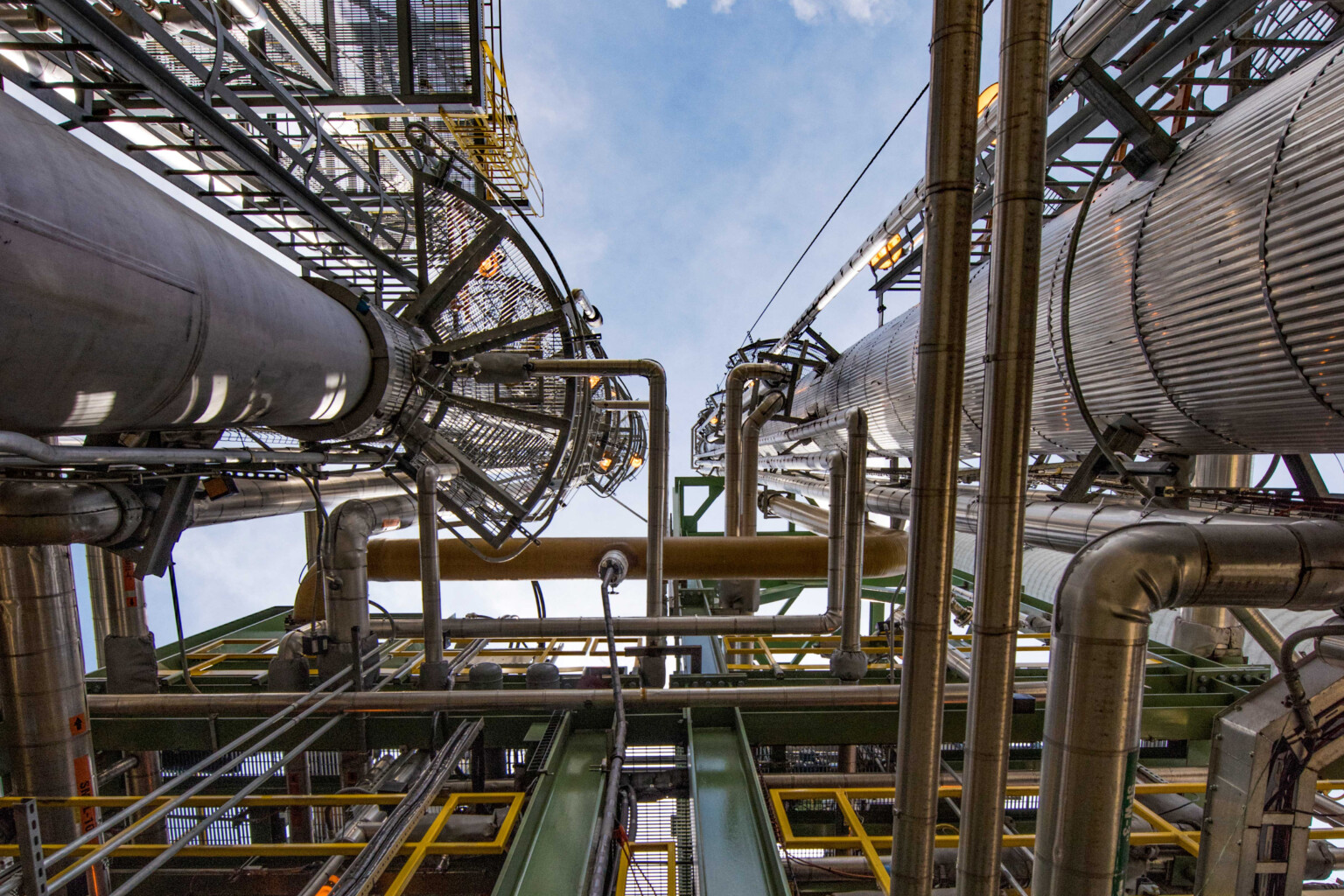
Carbon capture technologies aim to remove CO₂ from power‑plant exhaust, industrial processes, or ambient air, but whether they can be deployed at the scale needed to meet climate goals remains uncertain.
Quick Answer
Carbon capture technologies—such as pre‑combustion, post‑combustion, and direct‑air capture—extract carbon dioxide from emissions or the atmosphere and store it underground or convert it into products. The Intergovernmental Panel on Climate Change (IPCC) notes that capture could contribute up to 15 % of the mitigation needed by 2050, but the current global capacity of roughly 30 Mt CO₂ yr–1 (2021) is far below the several gigatonnes required. Scaling will demand massive investment, lower energy penalties, and supportive policies; without these, the technology alone cannot avert the projected warming.
Key Takeaways
- Carbon capture includes three main pathways—pre‑combustion, post‑combustion, and direct‑air capture—each with distinct technical challenges.
- Global capture capacity in 2021 was about 30 Mt CO₂ yr–1, while pathways to limit warming to 1.5 °C require gigaton‑scale removal by mid‑century.
- High energy demand (often 10–30 % of plant output) and capital costs (US$ 50–150 per tonne captured) are the principal barriers to rapid scale‑up.
- Policy instruments such as carbon pricing, tax credits, and long‑term storage permits have proven essential in early‑stage projects.
- Complementary measures—energy efficiency, renewable power, and demand‑side changes—remain the most cost‑effective climate actions.
What Is Carbon Capture Technologies: Can They Scale Fast Enough??
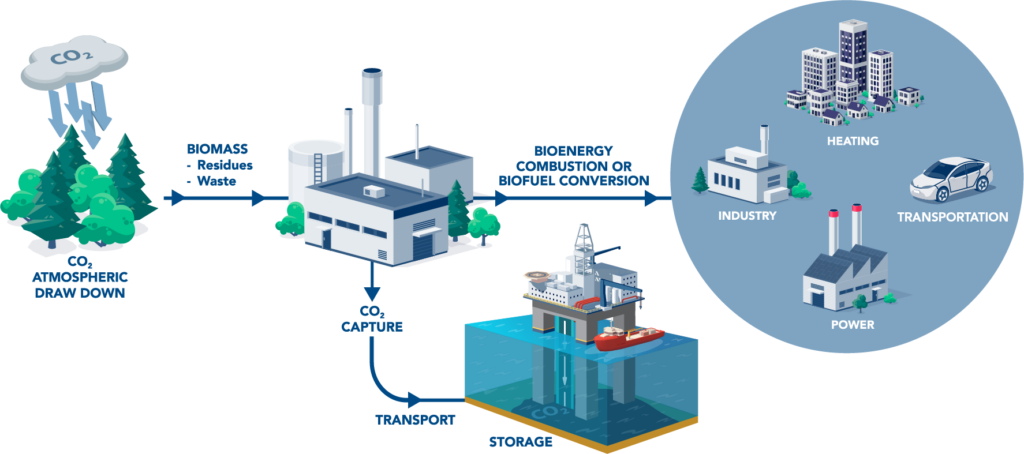
Carbon capture technologies (CCT) refer to engineered processes that separate carbon dioxide (CO₂) from a source—whether a fossil‑fuel power plant, a cement kiln, or the ambient air—and then transport it to a storage site or utilization pathway. The term excludes natural carbon sinks such as forests and soils. The three dominant commercial pathways are:
- Pre‑combustion capture: Fossil fuels are gasified, producing a hydrogen‑rich stream and a separate CO₂ stream that can be captured before combustion.
- Post‑combustion capture: CO₂ is removed from flue‑gas after combustion using solvents, sorbents, or membranes.
- Direct‑air capture (DAC): Large fans pull ambient air through chemical filters that bind CO₂, which is then released by heating.
These technologies are central to many climate‑mitigation scenarios because they offer a way to neutralize emissions from hard‑to‑decarbonize sectors such as steel, aviation, and heavy industry.
How Does It Work?
Pre‑combustion Capture
- Fuel (coal, natural gas, or biomass) is gasified at high temperature, producing synthesis gas (syngas) composed of hydrogen (H₂) and carbon monoxide (CO).
- Water‑gas shift reaction converts CO + H₂O → CO₂ + H₂, separating CO₂ from hydrogen.
- CO₂ is scrubbed using physical solvents (e.g., Selexol) or high‑pressure amine systems.
- Captured CO₂ is compressed to supercritical conditions (≈7 MPa, 31 °C) for pipeline transport and geological storage.
Post‑combustion Capture
- Flue gas exits the boiler at 100–150 °C and contains 10–15 % CO₂ by volume.
- Amine‑based solvents (e.g., monoethanolamine) chemically bind CO₂ in an absorber tower.
- The rich solvent is heated in a stripper, releasing concentrated CO₂ and regenerating the solvent.
- Released CO₂ is compressed and either stored underground or used for enhanced oil recovery.
Direct‑Air Capture
- Large fans draw ambient air (≈400 ppm CO₂) through a contactor.
- Solid sorbents (e.g., amine‑functionalized silica) or liquid alkali solutions bind CO₂.
- Heating or pressure swing releases pure CO₂, which is then compressed.
- Because ambient CO₂ concentration is low, DAC requires significant electricity—often supplied by renewable sources to avoid offsetting gains.
What Does the Evidence Show?
Long‑term monitoring by the International Energy Agency (IEA) indicates that cumulative CO₂ captured worldwide reached ≈ 30 Mt by the end of 2021, representing less than 0.1 % of annual global emissions (≈ 36.8 Gt CO₂ in 2022). Systematic reviews of pilot projects (e.g., a 2020 Energy & Environmental Science review) find that post‑combustion capture costs average US$ 70–120 per tonne of CO₂, with energy penalties of 15–30 % of plant output. Direct‑air capture remains the most expensive, with reported costs ranging from US$ 600 to over US$ 1,000 per tonne (Climeworks, 2023). However, learning‑rate analyses suggest costs could fall 20–30 % for each doubling of cumulative capacity, similar to renewable‑energy trends.
Scenario modelling by the IPCC (AR6, 2021) shows that limiting warming to 1.5 °C requires net‑negative emissions of 5–10 Gt CO₂ yr–1 by 2050, of which CCT could provide 1‒2 Gt yr–1 under optimistic policy environments. The evidence therefore supports the technical feasibility of capture, but highlights that current deployment is orders of magnitude too small.
Main Causes or Drivers
Industrial Emission Hotspots
Heavy industries (cement, steel, chemicals) emit CO₂ directly from process chemistry, not just from fuel combustion. These sectors account for roughly 20 % of global emissions (IEA, 2022) and are often cited as primary drivers for CCT development.
Policy and Carbon Pricing
Regions with carbon pricing (e.g., the European Union Emissions Trading System) have seen higher capture project pipelines, indicating that economic incentives are a key driver.
Technological Learning and Investment
Private‑sector investment, especially in DAC startups, is accelerating as venture capital follows the promise of future carbon‑credit markets.
Environmental and Human Impacts
Environmental Impacts
When CO₂ is stored in deep saline formations, the risk of leakage is low; the IPCC rates geological storage as having a > 95 % probability of permanent containment over 10,000 years. However, large‑scale water use for solvent regeneration can strain local water resources, especially in arid regions. Energy‑intensive capture can increase upstream fuel consumption unless powered by low‑carbon electricity.
Human Health and Social Impacts
Reduced atmospheric CO₂ can mitigate climate‑related health risks such as heat‑related mortality and vector‑borne diseases. Conversely, construction of capture facilities may affect nearby communities through noise, traffic, and perceived risk of underground storage.
Economic and Infrastructure Impacts
Capture projects generate skilled jobs in engineering, construction, and operations. Yet high capital costs can divert public funds from renewable‑energy investments, raising concerns about opportunity costs.
Regional Differences
Europe leads in post‑combustion capture pilots, supported by the EU’s Carbon Capture and Storage (CCS) Directive (2021). The United States has the largest geological storage capacity, particularly in the Midwest’s basalt formations, but federal tax credits (45Q) are limited in duration. In the Middle East, abundant cheap natural gas and geological storage potential have spurred interest in large‑scale CO₂‑enhanced oil recovery, though this raises questions about net climate benefit.
What Scientists Know With High Confidence
- CO₂ can be permanently stored in deep saline aquifers and depleted oil‑ and gas reservoirs with a high degree of certainty.
- Post‑combustion capture using amine solvents is a mature technology with commercially operating plants.
- Without substantial decarbonization of the electricity sector, many capture processes will increase overall emissions due to their energy demand.
- Policy incentives (price on carbon, tax credits) are the most effective lever for accelerating deployment.
What Remains Uncertain
Key uncertainties include the future cost trajectory of DAC at gigaton scale, the scalability of safe CO₂ transport networks, and the social licence for large underground storage sites. Additionally, the net climate benefit of using captured CO₂ for enhanced oil recovery remains contested, requiring more life‑cycle analyses.
Common Misconceptions
Misconception: Carbon capture can replace the need for renewable energy.
Reality: Capture merely mitigates emissions from existing fossil‑fuel use; it does not generate low‑carbon electricity and therefore cannot substitute for renewables in a decarbonized grid.
Misconception: Direct‑air capture removes enough CO₂ to solve climate change on its own.
Reality: Current DAC plants capture only a few thousand tonnes per year, far below the gigaton‑scale removals needed for 1.5 °C pathways.
Misconception: Storing CO₂ underground is unsafe and will inevitably leak.
Reality: Decades of monitoring from sites such as the Sleipner field in the North Sea show leakage rates below detection limits, confirming long‑term containment under proper site selection.
Solutions and Limitations
Four broad response strategies are discussed:
- Technology improvement: Developing low‑energy solvents, solid sorbents, and modular DAC units can reduce costs, but breakthroughs may take years of research.
- Policy and market mechanisms: Carbon pricing, tax credits (e.g., 45Q in the U.S.), and mandatory capture thresholds for high‑emitting sectors can drive investment, yet political volatility can undermine long‑term certainty.
- Infrastructure development: Building CO₂ pipelines and storage hubs enables economies of scale, but requires upfront capital and cross‑border regulatory harmonisation.
- Integrated climate strategy: Pairing capture with aggressive emissions reductions, renewable energy expansion, and demand‑side measures ensures that capture does not become a “techno‑fix” excuse to delay decarbonization.
What Individuals, Communities, and Governments Can Do
What Individuals Can Do
- Support policies that price carbon or fund CCS research through voting and advocacy.
- Choose low‑carbon products and services, reducing the overall emissions that capture would need to offset.
- Engage in local climate initiatives that monitor and question proposed capture projects for safety and equity.
What Communities and Organizations Can Do
- Participate in stakeholder consultations for CCS siting to ensure transparent risk assessment.
- Partner with universities or NGOs to conduct independent monitoring of storage sites.
- Invest in renewable energy and energy‑efficiency projects that lower the baseline emissions before capture is considered.
What Governments Can Do
- Implement stable, long‑term carbon pricing that makes capture financially viable.
- Fund research into low‑energy solvents and DAC scale‑up through public‑private partnerships.
- Develop clear permitting frameworks for CO₂ transport and storage, including liability regimes.
- Integrate CCS targets into nationally determined contributions (NDCs) while maintaining ambitious renewable‑energy goals.
Closing Synthesis
Carbon capture technologies provide a scientifically proven method to remove CO₂ from point sources and the atmosphere, yet the scale required to meaningfully blunt climate change far exceeds current capacity. High‑confidence evidence confirms that storage is safe and that post‑combustion capture works at commercial scale, but high energy demands, cost, and the need for supportive policy remain major bottlenecks. Accelerating deployment will depend on coordinated action: robust carbon pricing, sustained research funding, and transparent community engagement. While capture can complement decarbonization, it cannot replace the urgent transition to renewable energy and systemic emissions reductions.
Frequently Asked Questions
What are the main types of carbon capture technologies?
The three primary types are pre‑combustion capture (removing CO₂ before fuel is burned), post‑combustion capture (scrubbing CO₂ from flue gas after combustion), and direct‑air capture (pulling CO₂ from ambient air using chemical filters). Each method uses different chemical or physical processes and has distinct cost and energy profiles.
How much carbon dioxide is currently captured worldwide?
As of 2021, global carbon capture capacity was about 30 megatonnes of CO₂ per year, which is less than 0.1 % of the roughly 36.8 gigatonnes of CO₂ emitted globally in 2022. This shows that current capture is far below the gigaton‑scale removals needed for climate targets.
What are the biggest cost and energy barriers to scaling carbon capture?
Capital costs range from US$ 50 to US$ 150 per tonne of CO₂ captured, and the process often consumes 10‑30 % of a plant’s electricity output. These high expenses and energy penalties make large‑scale rollout financially challenging without strong policy incentives or cheaper low‑energy technologies.
Can carbon capture replace the need for renewable energy?
No. Carbon capture mitigates emissions from existing fossil‑fuel use but does not generate low‑carbon electricity. Renewable energy is still essential to decarbonize the power sector, and capture should be viewed as a complement, not a substitute, for renewables.
What policies help accelerate carbon capture deployment?
Effective policies include carbon pricing that internalizes CO₂ costs, tax credits such as the U.S. 45Q program, long‑term storage permits, and government‑funded research into low‑energy solvents and DAC. Consistent, predictable policy frameworks give investors the confidence needed for large projects.






Leave a Comment