
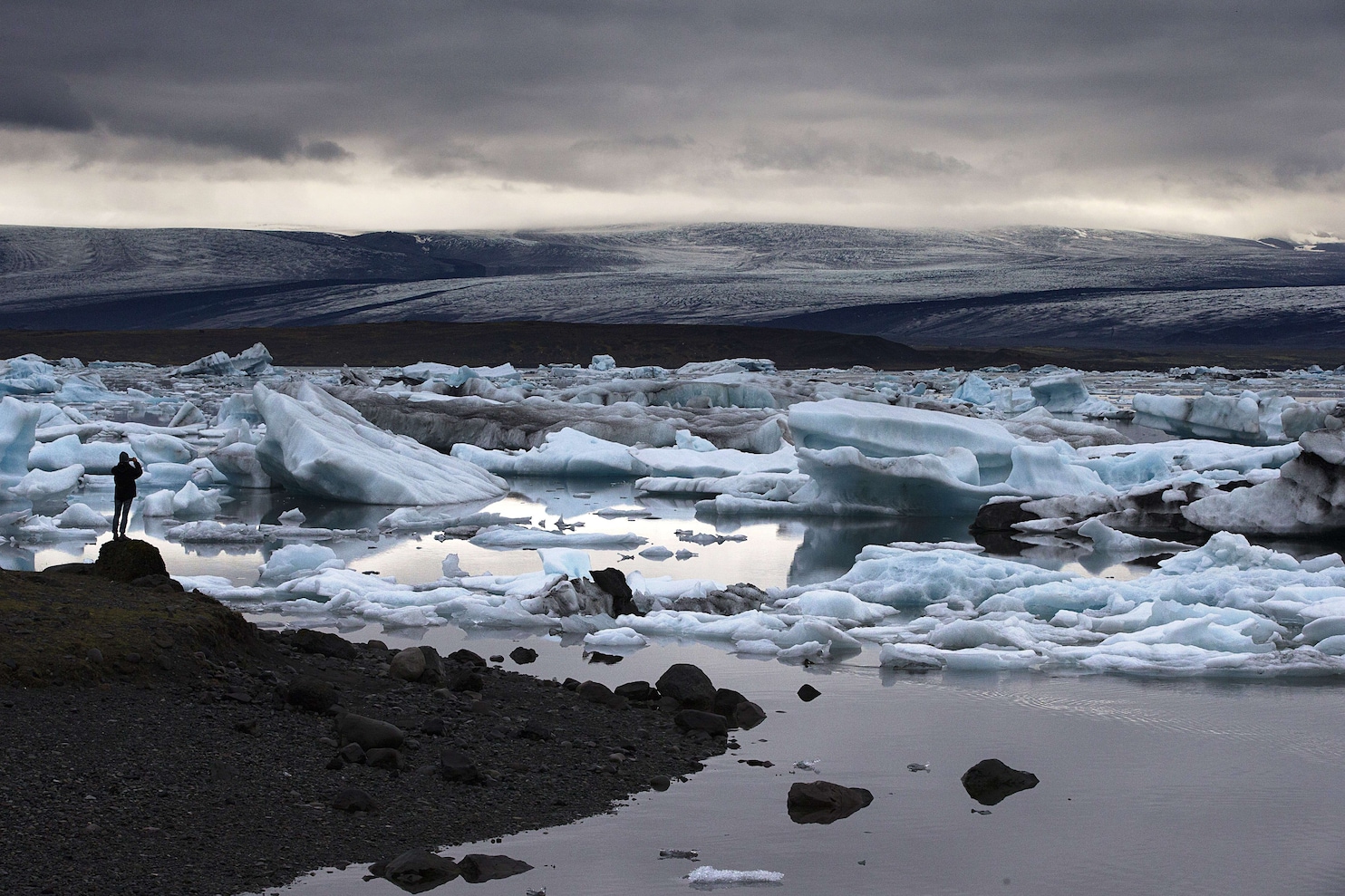
Glacier melt driven by global warming reshapes freshwater supplies, sea levels, and ecosystems, highlighting both the scale of climate change and the urgent need for evidence‑based mitigation and adaptation.
Quick Answer
Glaciers are massive, long‑lived ice bodies that lose mass when atmospheric temperatures rise above the freezing point of snow. The primary mechanism is a balance‑sheet shift: higher air temperatures increase surface melt and accelerate ice flow, while warmer oceans melt glacier fronts that terminate in water. Scientific assessments (e.g., the IPCC) show that glacier mass has declined globally since the 1990s, contributing to sea‑level rise and reducing seasonal water runoff. The most important implication is that continued melt threatens water security for billions of people and amplifies coastal flood risk, although precise regional outcomes remain uncertain.
Key Takeaways
- Global glacier mass has fallen by roughly 30% since the early 1990s, with the greatest losses in the Andes, Himalayas, and Alaska.
- Melting glaciers add about 0.27 mm per year to global sea level, a contribution that will grow as ice loss accelerates.
- Glacial runoff sustains river flow for up to 80 % of the year in many mountain regions, so melt reduces water availability during dry seasons.
- High‑confidence findings include the link between greenhouse‑gas emissions, rising temperatures, and glacier retreat; uncertainties remain in regional projections and feedbacks.
- Effective responses combine emissions reductions, water‑resource management, and targeted adaptation for vulnerable communities.
What Is Climate Change and Melting Glaciers: The Big Picture?
Climate change refers to long‑term shifts in temperature, precipitation, and other atmospheric variables caused primarily by human‑generated greenhouse gases. Glaciers are dense, perennial ice masses that form where snowfall exceeds melt over many decades. When the climate warms, the delicate balance between accumulation and ablation tilts toward net loss, causing glaciers to thin, retreat up valleys, or disappear entirely. This process is distinct from seasonal snow cover and differs from sea‑ice loss because glacier melt directly transfers freshwater stored on land into rivers and oceans.
How Does It Work?
1. Energy Imbalance and Surface Melt
Rising greenhouse‑gas concentrations trap additional infrared radiation, raising mean surface air temperatures. Warmer air delivers more energy to glacier surfaces, increasing melt rates during the melt season. Snow that would normally reflect sunlight (high albedo) becomes exposed ice, which absorbs more heat, creating a positive feedback.
2. Ice Dynamics and Flow Acceleration
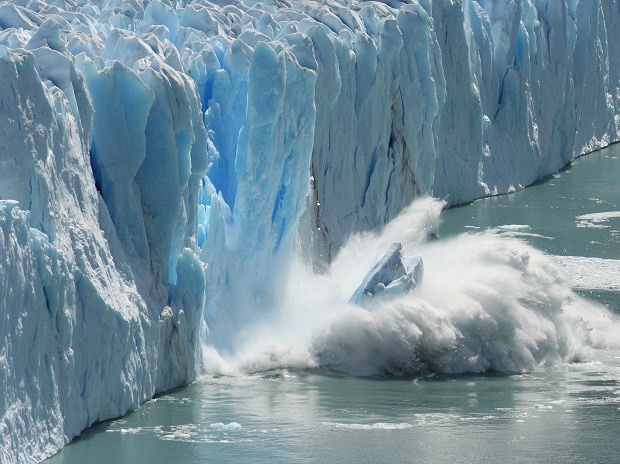
Heat also reaches the glacier base, lubricating the bed with meltwater. This reduces friction and can speed up ice flow, causing glaciers to discharge ice into downstream valleys or directly into the ocean. In tidewater glaciers, warmer ocean water erodes the ice front, promoting calving.
3. Mass‑Balance Shift
The net mass balance is the difference between annual accumulation (snowfall) and ablation (melt and calving). When ablation exceeds accumulation, the glacier loses mass, retreats, and contributes freshwater to rivers and seas.
What Does the Evidence Show?
Multiple lines of evidence converge on the conclusion that glaciers are losing mass worldwide:
- Long‑term monitoring: The World Glacier Monitoring Service (WGMS) reports that, as of 2021, 89 % of the 150 + monitored glaciers have a negative mass balance.
- Satellite gravimetry: NASA’s GRACE mission detected a loss of about 267 Gt of ice from glaciers between 2003 and 2019, equivalent to 0.75 mm of sea‑level rise.
- Field studies: Direct stake measurements in the Himalayas show annual thinning rates of 0.5–1.5 m in the last two decades.
- Ice‑core records: Trapped air bubbles reveal that current atmospheric CO₂ levels exceed any value in the past 800 000 years, correlating with unprecedented temperature rise.
These observations are reinforced by climate‑model simulations that reproduce the observed retreat when driven by historical greenhouse‑gas emissions.
Main Causes or Drivers
Direct Causes
- Increased atmospheric greenhouse‑gas concentrations (CO₂, CH₄, N₂O) from fossil‑fuel combustion, deforestation, and industrial agriculture.
- Rising ocean temperatures that erode marine‑terminating glacier fronts.
Underlying Drivers
- Global economic growth reliant on carbon‑intensive energy sources.
- Land‑use change that reduces surface albedo, enhancing regional warming.
- Feedbacks such as reduced albedo from exposed ice, which amplify local melt.
Environmental and Human Impacts
Environmental Impacts
- Sea‑level rise: Melting glaciers contribute roughly 0.27 mm yr⁻¹ to global sea level, compounding thermal expansion and ice‑sheet loss.
- Ecosystem change: Reduced cold‑water runoff harms alpine and downstream aquatic species that rely on seasonal melt for spawning.
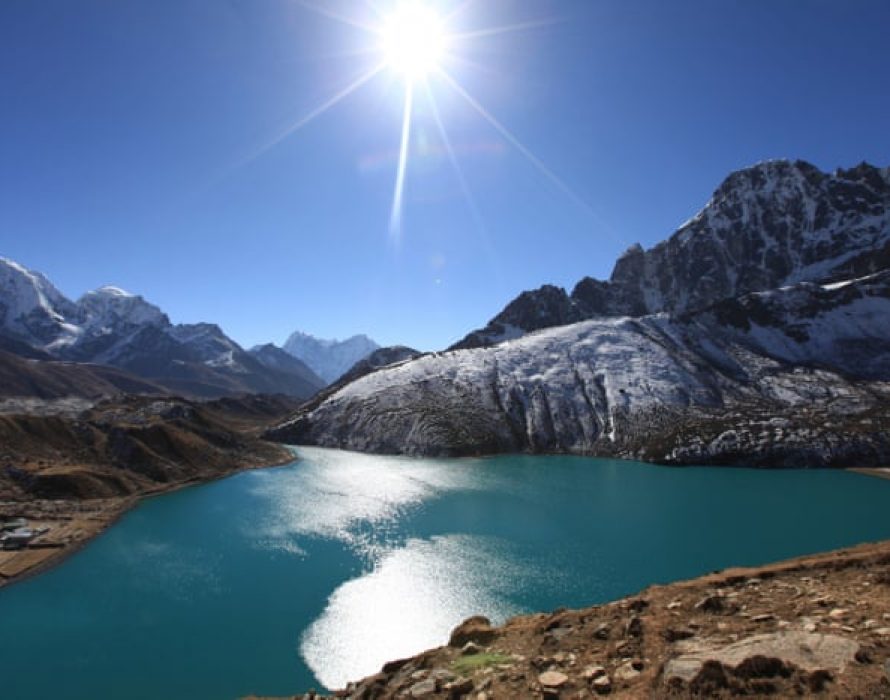
- Glacial lake outburst floods (GLOFs): Rapid melt can create unstable moraine‑dammed lakes, posing sudden flood hazards.
Human Health and Social Impacts
- Declining summer river flows jeopardize irrigation for crops in the Andes, Central Asia, and the western United States, threatening food security.
- Communities that depend on glacier‑fed water for drinking face increased scarcity during drought years.
- Coastal populations in low‑lying nations confront higher flood risk as sea level rises, potentially prompting climate‑related migration.
Economic and Infrastructure Impacts
- Hydropower plants that rely on predictable meltwater may experience reduced generation capacity, affecting energy security.
- Tourism economies built around iconic glaciers (e.g., Patagonia, Swiss Alps) risk revenue loss as ice retreats.
Regional Differences
Glacier response varies with latitude, altitude, and local climate:
- High‑latitude Arctic: Ice caps like those in Greenland have lost an average of 280 Gt yr⁻¹ since the 1990s, driven by both surface melt and basal lubrication.
- Mid‑latitude mountains (e.g., Andes, Himalayas): Rapid retreat is linked to strong monsoonal warming and limited snowfall, with some glaciers disappearing within a generation.
- Temperate zones (e.g., European Alps): Many small glaciers have retreated above the 1.5 °C warming threshold, but some high‑altitude glaciers persist.
These patterns illustrate that while the global trend is loss, the timing and magnitude differ markedly across regions.
What Scientists Know With High Confidence
- Human‑induced greenhouse‑gas emissions are the dominant driver of global temperature rise since the mid‑20th century.
- Glaciers worldwide have a negative mass balance, meaning they are losing more ice than they gain.
- The contribution of glacier melt to sea‑level rise is measurable and increasing.
- Reduced glacier runoff directly lowers summer water availability in mountain‑fed river basins.
What Remains Uncertain
Key uncertainties include the precise timing of threshold crossings for individual glacier basins, the magnitude of future melt under different emission scenarios, and the interaction between glacier loss and regional precipitation patterns. Improved high‑altitude monitoring networks and refined ice‑flow models are needed to narrow these gaps.
Common Misconceptions
Misconception: Glaciers only melt during hot summers.
Reality: While summer melt is the primary driver, year‑round temperature increases, reduced snowfall, and warmer ocean water also erode glaciers throughout the year.
Misconception: Glacier loss is a distant problem for people who live far from mountains.
Reality: Meltwater feeds major rivers that supply drinking water, agriculture, and hydropower far downstream, linking glacier health to urban and industrial water security.
Misconception: All glaciers will disappear by 2100.
Reality: High‑altitude and polar ice caps are projected to persist longer, though many lower‑elevation glaciers are likely to vanish within this century under high‑emission pathways.
Solutions and Limitations
Addressing glacier melt requires both mitigation of global warming and adaptation to inevitable changes:
- Emissions reductions: Rapid decarbonisation of energy, transport, and industry can limit temperature rise to well‑below 2 °C, slowing melt. Limitation: Political and economic inertia make near‑term reductions challenging.
- Water‑resource management: Investing in storage, efficient irrigation, and demand‑side measures can buffer communities against reduced glacier runoff. Limitation: Infrastructure costs and governance capacity vary widely.
- Glacier monitoring and early‑warning systems: Satellite and ground‑based observations enable prediction of GLOF hazards. Limitation: Remote regions often lack funding for sustained monitoring.
- Ecosystem‑based adaptation: Restoring upstream wetlands can enhance natural water retention, mitigating downstream scarcity. Limitation: Land‑use conflicts may restrict large‑scale restoration.
What Individuals, Communities, and Governments Can Do
What Individuals Can Do
- Reduce personal carbon footprints by using public transport, improving home energy efficiency, and choosing lower‑carbon foods.
- Support water‑conservation initiatives in mountainous regions, such as rain‑water harvesting projects.
- Advocate for climate‑friendly policies through voting, petitions, and community outreach.
What Communities and Organizations Can Do
- Develop integrated water‑resource plans that account for declining glacier contributions.
- Implement early‑warning systems for GLOF risk, including community drills and hazard mapping.
- Partner with research institutions to host monitoring stations and share data.
What Governments Can Do
- Set and enforce ambitious net‑zero emissions targets aligned with the IPCC 1.5 °C pathway.
- Allocate funding for mountain‑region climate monitoring networks and adaptation projects.
- Incorporate glacier‑melt projections into national water‑security strategies and disaster‑risk reduction plans.
Synthesis
Glacier melt is a clear, measurable signal of a warming climate, linking atmospheric change to sea‑level rise, water scarcity, and ecosystem disruption. High‑confidence science ties greenhouse‑gas emissions to rising temperatures and a negative glacier mass balance, while uncertainties remain around regional melt rates and future socioeconomic responses. Mitigation that curbs emissions, combined with targeted adaptation—especially in water‑resource management and hazard monitoring—offers the most effective pathway to protect both natural systems and the billions of people who rely on glacier‑derived water.
Frequently Asked Questions
What defines a glacier and how does it differ from seasonal snow?
A glacier is a long‑lived, dense body of ice that forms where annual snowfall exceeds melt for many decades, allowing ice to compact and flow. Unlike seasonal snow, which melts each year, glaciers retain ice year‑round and can be several hundred meters thick, making them significant freshwater reservoirs.
How does rising temperature cause glaciers to lose mass?
Higher air and ocean temperatures increase the energy reaching glacier surfaces, boosting melt during the warm season. Warm meltwater can also reach the glacier base, lubricating its bed and speeding ice flow toward the ocean. The net result is a negative mass balance where ice loss exceeds snowfall accumulation.
What evidence shows that glaciers are shrinking worldwide?
Multiple independent lines of evidence confirm global glacier loss: the World Glacier Monitoring Service reports that 89 % of monitored glaciers have a negative mass balance; satellite gravimetry (NASA GRACE) measured a loss of about 267 Gt of glacier ice from 2003‑2019; and field stake measurements in mountain ranges show consistent thinning of 0.5‑1.5 m per year.
Why is glacier melt important for people who live far from the mountains?
Glaciers feed major rivers that supply drinking water, irrigation, and hydropower far downstream. When glaciers retreat, summer river flows decline, reducing water availability for agriculture, industry, and households in regions such as the Andes, Central Asia, and the western United States.
What actions can governments take to address glacier melt?
Governments can set ambitious net‑zero emissions targets, fund mountain‑region climate monitoring networks, and integrate glacier‑melt projections into national water‑security and disaster‑risk plans. These steps help limit further warming, improve early‑warning systems for glacial lake outburst floods, and support adaptation for affected communities.




Leave a Comment