How Much Has Sea Level Risen Since 1880? A Historical Breakdown
Since 1880 global sea level has risen roughly 8–9 inches (20–23 cm), a change documented through tide gauges and satellite altimetry that signals
November 12, 2025
Changes in the world’s oceans, ice masses, and related coastal impacts.
Since 1880 global sea level has risen roughly 8–9 inches (20–23 cm), a change documented through tide gauges and satellite altimetry that signals
November 12, 2025
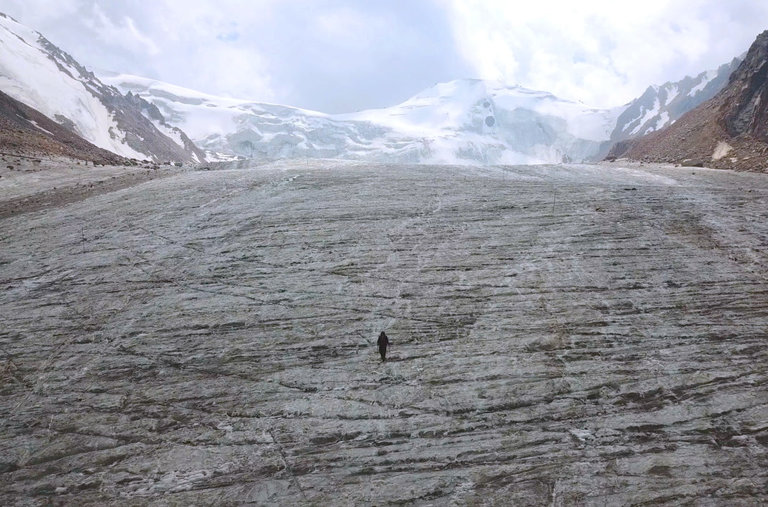
Melting glaciers liberate long‑trapped pollutants such as persistent organic pollutants, heavy metals, and microplastics, creating risks for water quality, ecosystems and human health
November 12, 2025
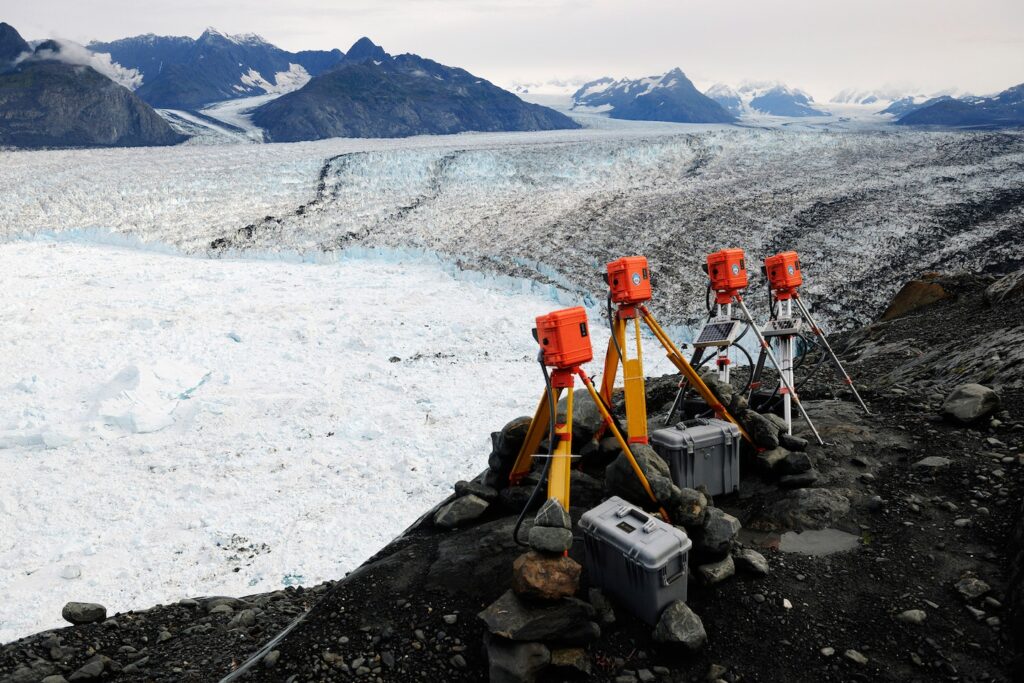
Rapid glacier melting threatens freshwater supplies, accelerates sea‑level rise, and triggers feedbacks that amplify climate change, prompting scientists to warn of widespread ecological
November 11, 2025
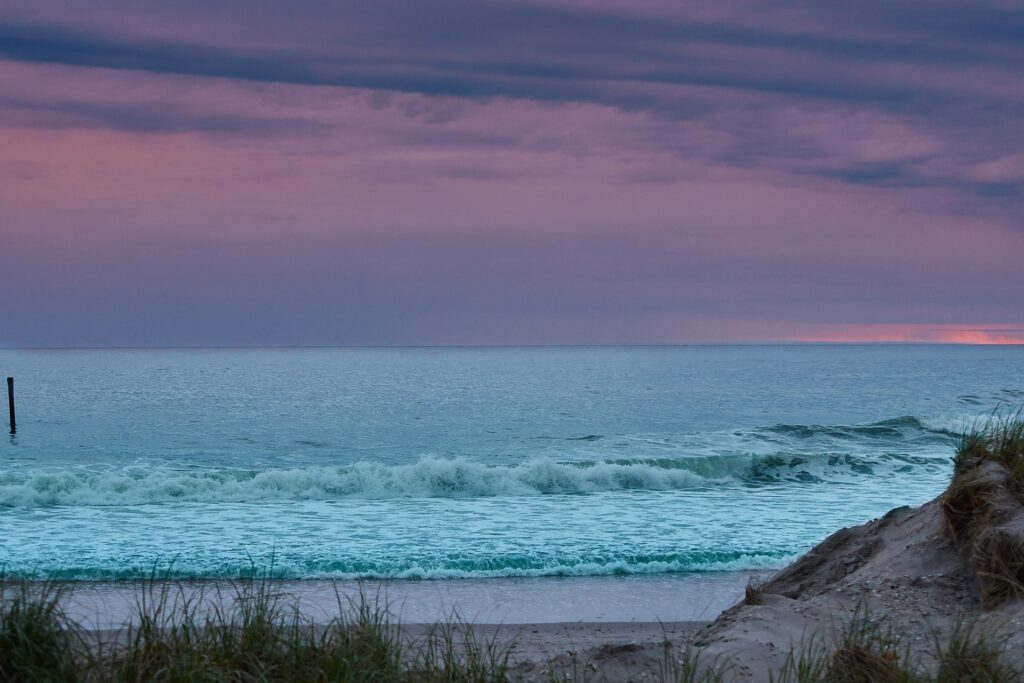
Ocean ecosystems, from microscopic phytoplankton to coastal mangroves, naturally capture carbon, regulate heat, and support climate resilience, making them essential allies in slowing
November 10, 2025
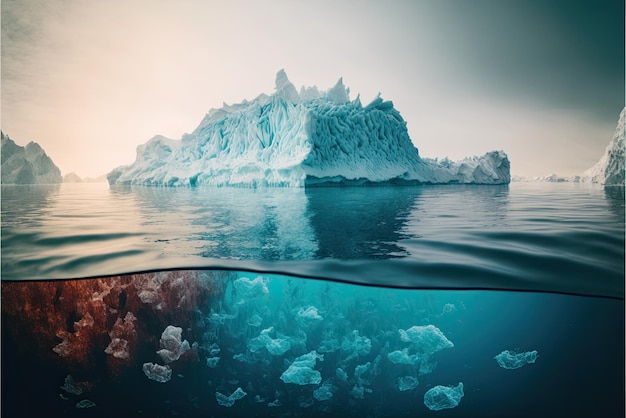
The accelerating melt of sea ice and glaciers amplifies global warming, raises sea levels, disrupts ecosystems, and jeopardizes water and food security for
November 9, 2025
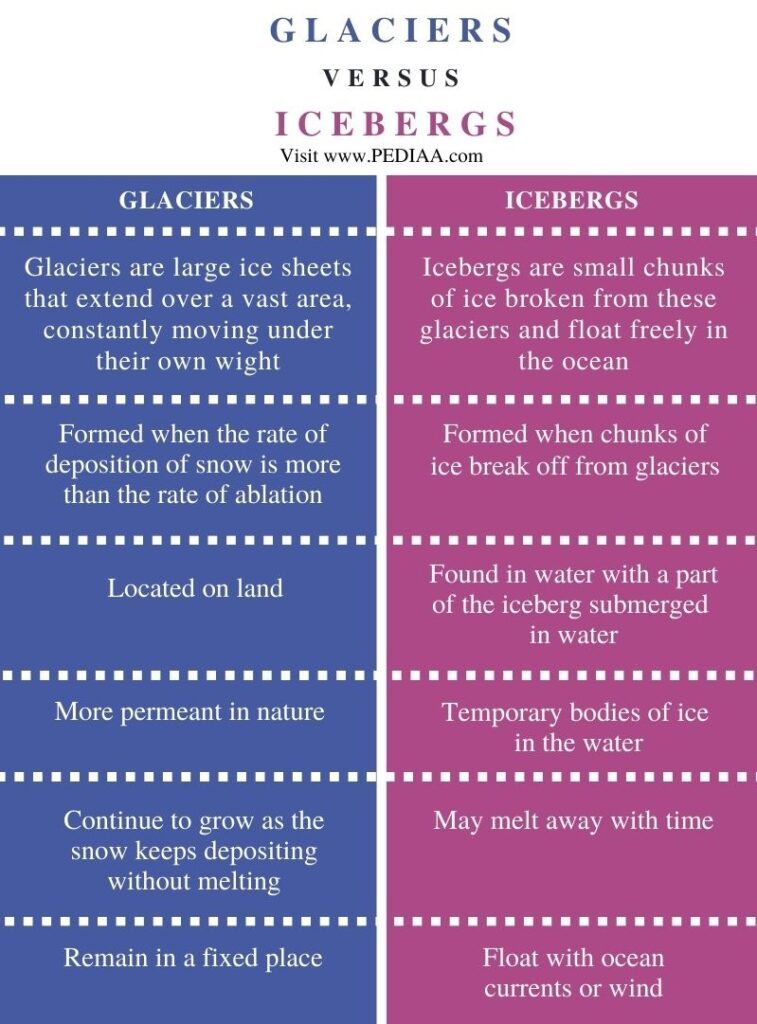
Icebergs are floating fragments that break off from glaciers or ice shelves, while melting glaciers are land‑based ice bodies that shrink in place;
November 8, 2025
October 18, 2026

October 18, 2026

24Earth is an independent environmental knowledge platform explaining climate, oceans, biodiversity, pollution, energy, and planetary change through accessible, evidence-based reporting.
Copyright ©2026
24Earth.