

Ocean ecosystems, from microscopic phytoplankton to coastal mangroves, naturally capture carbon, regulate heat, and support climate resilience, making them essential allies in slowing global climate change.
Quick Answer
Ocean ecosystems act as a massive, living carbon sink and heat buffer. Through photosynthesis, phytoplankton absorb roughly half of the Earth’s carbon dioxide, while the biological carbon pump transports this carbon to deep waters for centuries. Marine mammals, fish, and coastal habitats such as seagrasses and mangroves further recycle nutrients that boost primary production. Ocean currents redistribute heat, moderating regional climates. Although scientific confidence is high that these processes reduce atmospheric CO₂ and moderate temperature, ongoing acidification and warming threaten their effectiveness, adding uncertainty to future climate mitigation potential.
Key Takeaways
- Phytoplankton photosynthesis removes about 50% of global CO₂ fixation.
- The biological carbon pump sequesters carbon in deep ocean layers for centuries to millennia.
- Coastal blue‑carbon habitats (seagrass, mangroves, salt marshes) store carbon faster than most terrestrial forests.
- Ocean circulation and heat uptake buffer atmospheric warming, but rising sea temperatures can disrupt marine food webs.
- Human activities—acidification, overfishing, habitat loss—reduce the ocean’s climate‑mitigation capacity.
What Is the Role of Ocean Ecosystems in Slowing Climate Change?
Ocean ecosystems encompass all living components of the seas, from microscopic algae to the largest whales, and the habitats they create—open water, coral reefs, kelp forests, seagrass meadows, and mangrove swamps. Their collective function is to transform solar energy and dissolved nutrients into biomass, which in turn captures and stores carbon dioxide (CO₂) from the atmosphere. Unlike engineered carbon‑capture technologies, these natural processes have operated for millions of years, providing a self‑sustaining component of Earth’s climate system.
How Does It Work?
1. Phytoplankton Photosynthesis
Phytoplankton, the ocean’s microscopic plants, perform photosynthesis in the sunlit euphotic zone. The Intergovernmental Panel on Climate Change (IPCC) reports that they account for roughly 50% of global primary production (IPCC AR6, 2021). By converting CO₂ and water into organic carbon and oxygen, they directly lower atmospheric greenhouse‑gas concentrations.
2. The Biological Carbon Pump
When phytoplankton die or are consumed, a portion of their carbon‑rich organic matter sinks as “marine snow.” This vertical flux transports carbon to the deep ocean, where it can remain isolated from the atmosphere for hundreds to thousands of years. The efficiency of this pump varies with water temperature, nutrient availability, and food‑web structure.
3. Nutrient Recycling by Marine Megafauna
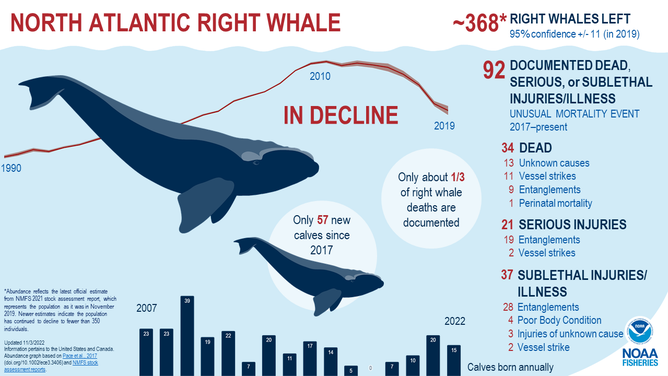
Large marine animals such as whales, tuna, and squid feed at depth and release nutrient‑rich feces near the surface. This “whale pump” fertilizes surface waters, stimulating new phytoplankton blooms and enhancing the overall carbon‑capture capacity of the ocean.
4. Coastal Blue‑Carbon Habitats
Seagrass meadows, mangrove forests, and tidal salt marshes trap CO₂ in both plant tissue and underlying sediments. Studies indicate that mangroves can store up to 1,000 t C ha⁻¹ yr⁻¹, outpacing many terrestrial forests. Their dense root systems also protect shorelines from erosion and storm surges.
5. Ocean Heat Uptake and Circulation
Oceans absorb more than 90% of excess heat generated by human activities. Surface currents, driven by wind and the Coriolis effect, move warm water toward higher latitudes, moderating regional climates. However, this heat storage comes at the cost of marine heatwaves, which can impair the biological processes described above.
What Does the Evidence Show?
Long‑term satellite observations (e.g., NASA’s SeaWiFS and MODIS) confirm that phytoplankton chlorophyll concentrations track seasonal CO₂ drawdown. Global ocean carbon‑cycle models, calibrated with data from the Global Ocean Data Analysis Project, consistently estimate that the ocean removes about 2.5 Gt C yr⁻¹ (≈ 30% of anthropogenic emissions). Peer‑reviewed syntheses of seagrass and mangrove carbon stocks (e.g., Duarte et al., 2020) demonstrate that blue‑carbon ecosystems collectively sequester 0.1–0.2 Gt C yr⁻¹. The IPCC’s Sixth Assessment Report (2021) cites high confidence that these natural processes have mitigated climate change to date, while also noting that ongoing acidification reduces phytoplankton calcification efficiency.
Main Causes or Drivers That Undermine Ocean Climate Services
Direct Human Drivers
Increasing atmospheric CO₂ raises oceanic dissolved CO₂, leading to acidification that harms calcifying organisms and alters nutrient cycles. Rising sea surface temperatures stress coral reefs and shift species distributions, weakening food‑web dynamics that support the carbon pump.
Indirect Drivers
Overfishing removes key predators and alters trophic cascades, potentially reducing the efficiency of nutrient recycling. Coastal development and pollution degrade mangroves, seagrasses, and salt marshes, eroding their blue‑carbon storage capacity.
Environmental and Human Impacts
Environmental Impacts
Reduced carbon sequestration accelerates atmospheric warming, which in turn intensifies ocean stratification—further limiting nutrient upwelling and phytoplankton productivity. Loss of coastal habitats diminishes shoreline protection, increasing vulnerability to storm surges and sea‑level rise.
Human Health and Social Impacts
Communities that rely on fisheries experience lower catches when primary productivity declines, threatening food security and livelihoods. Coastal populations face heightened flood risk when mangroves and coral reefs degrade, leading to greater economic loss and displacement.
Regional Differences
In the high‑latitude North Atlantic, the Gulf Stream transports warm water northward, creating a strong carbon‑sink region that benefits from deep‑water formation. Tropical Pacific islands depend heavily on coral‑reef protection; bleaching events there directly affect tourism and fisheries. Southeast Asian coastlines host extensive mangrove forests, providing disproportionate carbon storage relative to land area, yet they face rapid conversion to aquaculture.
What Scientists Know With High Confidence
- Phytoplankton contribute ~50% of global primary production and are a major oceanic carbon sink.
- The biological carbon pump moves carbon to the deep ocean on timescales of centuries to millennia.
- Coastal blue‑carbon ecosystems store carbon at rates higher than most terrestrial forests.
- Oceans absorb >90% of excess heat from anthropogenic greenhouse‑gas emissions.
What Remains Uncertain
Key uncertainties include the future strength of the biological carbon pump under warming and acidification, the quantitative contribution of whale‑mediated nutrient recycling, and how changing ocean circulation patterns will alter regional heat distribution. Improved autonomous sensor networks and long‑term carbon‑budget experiments are needed to reduce these gaps.
Common Misconceptions
Misconception: The ocean can absorb unlimited CO₂.
Reality: Ocean uptake is constrained by chemical equilibria; as surface waters become more acidic, their capacity to dissolve additional CO₂ declines, leading to saturation effects.
Misconception: All marine life equally helps sequester carbon.
Reality: Only organisms that fix carbon (e.g., phytoplankton, seagrass) or transport it to depth (e.g., sinking particles, whale feces) directly contribute to long‑term sequestration.
Misconception: Protecting coral reefs has little climate relevance.
Reality: Healthy reefs support diverse fish populations that enhance nutrient cycling, indirectly boosting phytoplankton growth and carbon drawdown.
Solutions and Limitations
Effective strategies combine conservation, restoration, and sustainable management.
- Marine Protected Areas (MPAs): Preserve biodiversity and allow natural carbon‑sequestration processes to function, but require adequate enforcement and may displace fisheries.
- Blue‑Carbon Restoration: Replanting mangroves and seagrasses can rapidly increase carbon storage, yet success depends on water quality, sediment stability, and community involvement.
- Fisheries Management: Reducing overfishing maintains trophic structures that support nutrient recycling, though economic transitions for fishing communities can be challenging.
- Carbon‑Neutral Shipping: Lowering emissions from vessels reduces acidification and thermal stress, but technology adoption is still emerging.
What Individuals, Communities, and Governments Can Do
What Individuals Can Do
- Support sustainable seafood certifications that protect fish populations and ecosystem health.
- Donate to or volunteer with organizations restoring mangroves and seagrasses.
- Advocate for policies that limit coastal development and reduce plastic pollution.
What Communities and Organizations Can Do
- Implement local “blue‑carbon” projects that involve schools and NGOs in planting native coastal vegetation.
- Adopt shoreline‑stabilization methods that use natural habitats instead of hard engineering.
What Governments Can Do
- Expand and adequately fund MPAs, especially in regions where carbon sequestration potential is high.
- Integrate blue‑carbon values into national climate‑change mitigation plans and carbon accounting frameworks.
- Invest in research infrastructure—autonomous floats, satellite sensors—to monitor ocean carbon dynamics.
Synthesis
Ocean ecosystems naturally draw down CO₂, store it for centuries, and moderate planetary heat. Scientific evidence confirms these mechanisms are substantial, yet human‑driven stressors are eroding their effectiveness. High‑confidence findings underscore the importance of phytoplankton, the biological carbon pump, and coastal blue‑carbon habitats. Uncertainties remain around future pump efficiency and the role of marine megafauna. Protecting and restoring marine habitats, improving fisheries management, and integrating oceanic carbon into climate policy offer concrete pathways—though each comes with trade‑offs that must be managed carefully. By safeguarding the oceans, we preserve a vital, self‑reinforcing ally in the fight against climate change.
Frequently Asked Questions
How do phytoplankton help reduce atmospheric carbon dioxide?
Phytoplankton perform photosynthesis, converting CO₂ and water into organic carbon and oxygen. They account for roughly half of global primary production, directly removing CO₂ from the atmosphere.
What is the biological carbon pump and why is it important?
The biological carbon pump transports carbon from surface waters to the deep ocean via sinking organic matter. This process stores carbon for centuries to millennia, effectively removing it from the atmospheric pool.
Why are mangroves considered effective carbon sinks compared to forests?
Mangroves store carbon both in their dense biomass and in the anoxic sediments below, with sequestration rates up to 1,000 t C ha⁻¹ yr⁻¹—higher than many terrestrial forests—while also protecting shorelines.
What are the main threats that reduce the ocean’s ability to mitigate climate change?
Key threats include ocean acidification, warming, overfishing, and coastal habitat loss. These stressors impair phytoplankton productivity, weaken the carbon pump, and degrade blue‑carbon ecosystems.
What actions can governments take to enhance the ocean’s climate‑mitigation role?
Governments can expand and enforce marine protected areas, integrate blue‑carbon habitats into climate policies, and fund research and monitoring networks that track ocean carbon dynamics.







Leave a Comment