
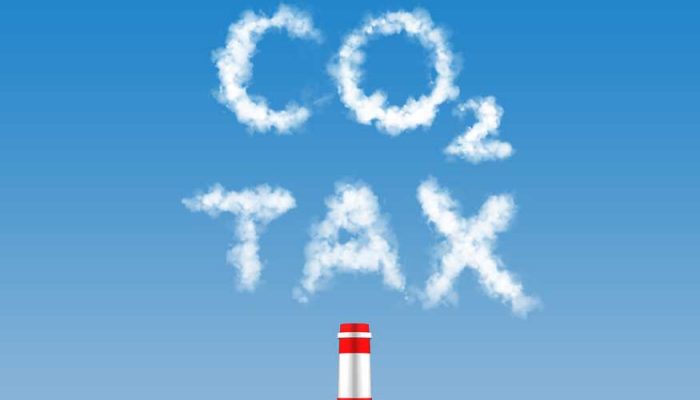
A carbon tax puts a price on carbon emissions to encourage lower greenhouse‑gas output, but its economic fairness, effectiveness, and broader impacts remain subjects of rigorous debate.
Quick Answer
A carbon tax is a levy on the carbon content of fossil fuels, designed to internalise the climate cost of emissions. By raising the price of carbon‑intensive energy, it nudges producers and consumers toward cleaner alternatives. The Intergovernmental Panel on Climate Change (IPCC) notes that well‑designed carbon pricing can achieve emissions reductions comparable to regulatory approaches, provided the tax rate is sufficiently high. However, evidence also shows that without targeted revenue recycling, low‑income households may face disproportionate cost burdens, and emissions may shift to jurisdictions with weaker policies (carbon leakage). Thus, the policy’s climate benefit is clear, but equity and political feasibility introduce uncertainty.
Key Takeaways
- Carbon taxes create a clear economic signal that makes emitting carbon more expensive.
- Revenue can be recycled to fund renewable energy, public transit, or to offset household energy costs.
- High tax rates are needed for substantial emissions cuts; low rates may have limited impact.
- Without equity safeguards, carbon taxes can increase financial strain on low‑income families.
- International coordination is essential to avoid carbon leakage.
What Is Carbon Tax Pros and Cons: The Climate Policy Debate Explained?
A carbon tax is a policy tool that charges a fee per tonne of carbon dioxide equivalent (CO₂e) emitted from the combustion of fossil fuels such as coal, oil, and natural gas. The tax is applied upstream—often at the point of fuel extraction or import—so that the cost is passed down the supply chain to businesses and consumers. This differs from cap‑and‑trade systems, which set a hard limit on total emissions and allow trading of emission allowances. While both aim to put a price on carbon, a tax provides price certainty and administrative simplicity, whereas a cap guarantees emissions quantity but can result in price volatility.
How Does It Work?
Step‑by‑Step Process
- Government sets a tax rate, expressed in dollars (or euros) per tonne of CO₂e.
- Fuel producers or importers calculate the carbon content of each fuel type and add the tax to the sale price.
- Businesses that burn the fuel incur higher operating costs, which they may pass on to consumers through higher prices for electricity, gasoline, heating, or goods.
- Higher prices create economic incentives to: (a) improve energy efficiency, (b) switch to lower‑carbon fuels, or (c) invest in renewable energy and low‑carbon technologies.
- Collected revenues are deposited into the national treasury and can be allocated to: (a) fund clean‑energy projects, (b) subsidise public transit, (c) provide rebates or dividends to households, or (d) reduce other distortionary taxes.
Feedback Loops and Timescales
Short‑term responses include reduced fuel consumption and accelerated adoption of energy‑efficient appliances. Medium‑term effects involve capital‑intensive shifts such as retrofitting industrial plants or expanding wind and solar capacity. Long‑term outcomes depend on the tax trajectory—whether it escalates predictably over years—to shape investment decisions that typically span decades.
What Does the Evidence Show?
Empirical studies from jurisdictions that have implemented carbon taxes—such as British Columbia (Canada), Sweden, and Finland—demonstrate measurable emissions declines. A 2020 systematic review in *Energy Policy* found an average reduction of 5–15 % in CO₂ emissions within the first five years of tax implementation when rates exceeded 30 USD per tonne. The IPCC’s 2021 assessment report cites these cases as evidence that carbon pricing, when combined with complementary policies, can achieve cost‑effective mitigation. However, the same literature notes that tax rates below 20 USD per tonne often produce modest behavioral changes, indicating a threshold effect.
Main Causes or Drivers
Direct Drivers of Carbon Tax Adoption
- Recognition of climate change as a market failure where greenhouse‑gas emissions are not priced.
- Desire for a transparent, revenue‑generating instrument that can fund climate initiatives.
Underlying Political and Economic Drivers
- Public demand for climate action combined with concerns about fiscal deficits.
- Lobbying by renewable‑energy sectors that view a carbon tax as a market advantage.
- International pressure to meet commitments under the Paris Agreement.
Environmental and Human Impacts
Environmental Impacts
By raising the cost of carbon‑intensive fuels, a carbon tax reduces combustion‑related CO₂ emissions, which directly contributes to slowing global temperature rise. Lower emissions also diminish co‑pollutants such as sulfur dioxide and particulate matter, improving air quality. In regions where tax revenues fund renewable‑energy expansion, the electricity sector’s carbon intensity can fall by 10–30 % over a decade, according to the International Energy Agency (IEA) 2022 data.
Human Health and Social Impacts
Improved air quality translates into measurable health benefits. A 2019 health impact assessment for British Columbia estimated that each additional 10 USD per tonne of carbon tax avoided approximately 30 premature deaths per year by reducing fine particulate exposure. Conversely, without targeted rebates, low‑income households may spend a larger share of income on energy, potentially exacerbating energy poverty.
Economic and Infrastructure Impacts
Carbon tax revenues can be used to modernise public‑transport networks, reducing traffic congestion and supporting resilient infrastructure. However, industries that are energy‑intensive—such as steel, cement, and chemicals—may face competitiveness challenges, especially if trading partners lack comparable pricing mechanisms, raising the risk of carbon leakage.
Regional Differences
Implementation outcomes vary by region. In Sweden, where the tax exceeds 120 USD per tonne, emissions fell by roughly 25 % between 1990 and 2019, aided by strong public‑transport systems and high renewable‑energy penetration. In contrast, the United States has seen limited success at the sub‑state level, where tax rates are often below 10 USD per tonne and political opposition curtails revenue recycling. Developing economies may prioritize economic growth over climate pricing, leading to lower tax rates or reliance on alternative mechanisms such as renewable‑energy subsidies.
What Scientists Know With High Confidence
- Putting a price on carbon emissions creates a measurable incentive to reduce greenhouse‑gas output.
- Revenue from carbon taxes can be effectively redirected to climate mitigation, adaptation, or social equity programs.
- High tax rates (typically >30 USD per tonne) are necessary to achieve double‑digit percent reductions in national emissions.
What Remains Uncertain
Key uncertainties include the optimal tax level that balances emissions reductions with economic competitiveness, the long‑term political durability of carbon taxes, and the magnitude of carbon leakage under various international coordination scenarios. Additionally, the distributional effects of different revenue‑recycling designs (e.g., lump‑sum rebates versus targeted subsidies) require further empirical study across diverse socioeconomic contexts.
Common Misconceptions
Misconception: A carbon tax alone will solve climate change.
Reality: While a carbon tax is a powerful tool, comprehensive climate strategies also need regulations, technology development, and adaptation measures.
Misconception: Carbon taxes always increase energy prices for everyone.
Reality: If revenues are returned as rebates or used to subsidise clean energy, many households can experience net cost savings despite higher fuel prices.
Misconception: Carbon taxes cause massive job losses in all sectors.
Reality: Studies in Sweden and British Columbia show that employment can remain stable or even grow in low‑carbon sectors, while job losses in high‑emission industries are often offset by new jobs in renewables and energy efficiency.
Solutions and Limitations
Carbon taxes should be viewed as part of a broader climate‑policy toolkit. Complementary measures include:
- Regulatory standards: Fuel‑efficiency standards and building codes ensure baseline performance regardless of price signals.
- Cap‑and‑trade: Provides an emissions ceiling that can coexist with a tax to address both price and quantity concerns.
- Renewable‑energy subsidies: Accelerates the deployment of wind, solar, and hydro power, reducing reliance on fossil fuels.
- Just‑transition programs: Retraining and support for workers in carbon‑intensive sectors mitigate social disruption.
Each approach carries trade‑offs. For example, subsidies require fiscal outlays, and cap‑and‑trade can be vulnerable to market manipulation. Designing a carbon tax that is environmentally effective, socially equitable, and politically viable remains a complex balancing act.
What Individuals, Communities, and Governments Can Do
What Individuals Can Do
- Choose energy providers that offer renewable‑energy options, especially in regions where carbon taxes increase electricity prices.
- Improve home insulation and adopt energy‑efficient appliances to lower personal energy bills.
- Support local policies that earmark carbon‑tax revenues for public transit, bike lanes, or community solar projects.
What Communities and Organizations Can Do
- Develop community energy cooperatives that reinvest carbon‑tax rebates into local renewable installations.
- Run education campaigns explaining how revenue recycling can offset low‑income energy costs.
- Partner with local governments to pilot carbon‑tax‑funded retrofitting programs for schools and public buildings.
What Governments Can Do
- Set a clear, escalating carbon‑tax trajectory that provides price certainty for investors.
- Design revenue‑recycling mechanisms that protect vulnerable households, such as lump‑sum rebates or low‑income energy vouchers.
- Coordinate with trade partners to implement border‑adjustment mechanisms that reduce carbon leakage.
- Integrate the tax with complementary policies—standards, subsidies, and research funding—to address market failures that a price signal alone cannot solve.
Synthesis
A carbon tax is a proven economic instrument that can drive substantial emissions reductions when set at a level that reflects the social cost of carbon. The strongest scientific consensus confirms its effectiveness, especially when revenues are recycled to support clean energy and protect low‑income households. Nevertheless, uncertainties about optimal tax rates, equity outcomes, and international coordination mean that the policy must be crafted carefully and paired with complementary measures. By combining a well‑designed carbon tax with broader climate actions, societies can move toward the emissions pathways needed to limit global warming while managing economic and social impacts.
Frequently Asked Questions
What is a carbon tax and how does it differ from cap‑and‑trade?
A carbon tax is a fee applied per tonne of CO₂e emitted, raising the price of fossil fuels. Unlike cap‑and‑trade, which sets a total emissions limit and allows trading of permits, a carbon tax guarantees a stable price but does not cap emissions directly.
How effective are carbon taxes at reducing emissions?
Evidence from jurisdictions with taxes above 30 USD per tonne shows emissions reductions of 5–15 % within five years, and larger cuts where rates exceed 100 USD per tonne. Effectiveness rises with the tax level and when revenues support clean‑energy investments.
Do carbon taxes hurt low‑income households?
Without targeted rebates, low‑income families can spend a higher share of income on energy, increasing energy poverty. However, revenue recycling—such as lump‑sum rebates—can offset these costs and even provide net savings.
What is carbon leakage and why does it matter?
Carbon leakage occurs when firms relocate production to countries with weaker climate policies, shifting emissions abroad. It can undermine domestic emission reductions, so many designs include border‑adjustments or international coordination to mitigate leakage.
Can individuals help make a carbon tax more effective?
Individuals can support the policy by choosing renewable energy, improving home energy efficiency, and advocating for revenue‑recycling measures that protect vulnerable households, thereby enhancing both environmental and social outcomes.






Leave a Comment