
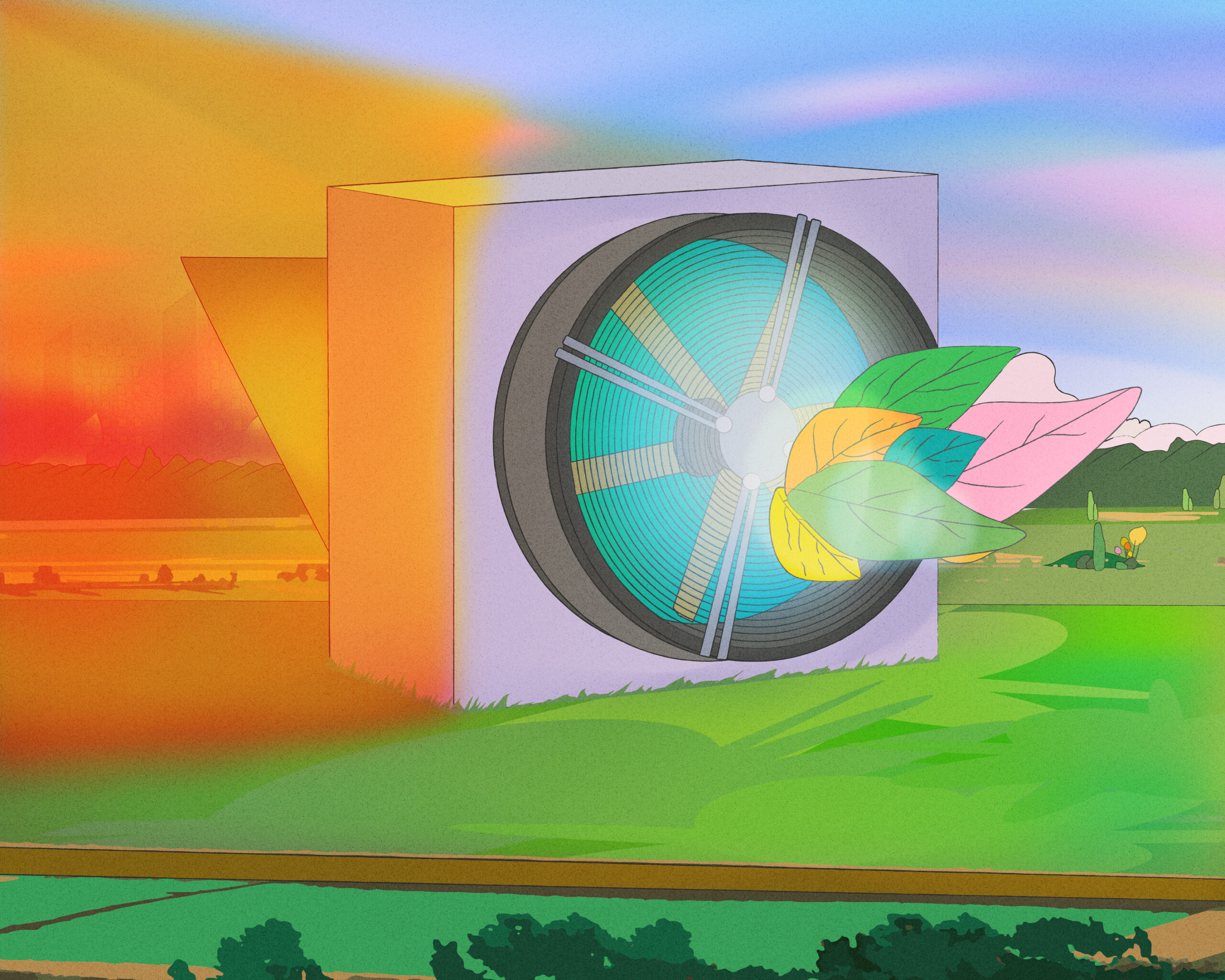
Carbon sinks are natural systems—forests, oceans and soils—that take up more carbon dioxide than they release, helping to slow climate change and supporting ecosystem health.
Quick Answer
A carbon sink is a reservoir that absorbs atmospheric CO₂ through physical, chemical or biological processes and stores it for years to centuries. Forests capture carbon via photosynthesis, oceans dissolve CO₂ and convert it into bicarbonate, and soils retain organic carbon in microbial matter. The scientific consensus is that these sinks offset roughly half of human CO₂ emissions, but their capacity is limited by land‑use change and climate impacts. Protecting and enhancing sinks is essential for long‑term climate stabilization.
Key Takeaways
- Forests, oceans and soils together store about 55% of the carbon emitted by human activities each year.
- Photosynthesis, dissolution, and organic matter formation are the primary mechanisms of CO₂ uptake.
- Deforestation, ocean acidification and soil degradation reduce sink effectiveness.
- Restoration, regenerative agriculture, and marine protection can enhance natural sequestration.
- Artificial carbon removal can supplement but not replace natural sinks.
What Is Carbon Sinks Explained: Nature’s Role in Absorbing CO₂?
In climate science, a carbon sink is any natural or engineered system that removes carbon dioxide (CO₂) from the atmosphere and retains it for an extended period. The term excludes short‑lived processes such as temporary turbulence. The three major natural sinks are terrestrial vegetation (especially forests), the world’s oceans, and the upper layers of soil. Each operates through distinct pathways—photosynthetic carbon fixation, chemical dissolution, and organic matter accumulation—yet all contribute to the global carbon budget.
How Does It Work?
1. Forest Carbon Uptake
Leaves capture sunlight and CO₂, converting the gas into glucose via photosynthesis. Carbon becomes part of wood, leaves, roots and soil organic matter. A mature tree can store 0.5–1 metric ton of carbon over its lifetime; globally, forests hold roughly 861 gigatons of carbon (IPCC AR6, 2021).
2. Oceanic Absorption
CO₂ dissolves into seawater following Henry’s law, forming carbonic acid, which then dissociates into bicarbonate (HCO₃⁻) and carbonate (CO₃²⁻). Phytoplankton also fix CO₂ through photosynthesis, exporting carbon to the deep ocean when they die—a process known as the biological pump. The oceans currently absorb about 30% of anthropogenic CO₂ emissions (NOAA, 2023).
3. Soil Carbon Storage
Plants deposit litter and root exudates into the soil. Microbial decomposers transform this material into stable organic compounds that can persist for decades to millennia. Globally, soils contain roughly 2,400 gigatons of carbon, making them the largest terrestrial carbon pool (FAO, 2022).
What Does the Evidence Show?
Long‑term monitoring networks, such as the Global Carbon Project, consistently report that natural sinks offset between 45% and 55% of annual CO₂ emissions since the 1990s. Satellite observations of forest greenness (NDVI) correlate with increased carbon uptake, while ocean pH records confirm ongoing CO₂ dissolution. Meta‑analyses of field experiments indicate that regenerative agriculture can raise soil carbon by 0.2–0.4 t C ha⁻¹ yr⁻¹, a modest but scalable benefit.
Main Causes or Drivers
Human Drivers
- Deforestation and forest degradation release stored carbon and diminish future uptake.
- Fossil‑fuel combustion raises atmospheric CO₂, increasing the gradient that drives oceanic absorption but also accelerating acidification.
- Intensive tillage and monoculture farming deplete soil organic matter.
Natural Drivers
- Temperature influences respiration rates in soils and forests, potentially turning some sinks into sources.
- Ocean circulation patterns affect how quickly dissolved carbon is transported to the deep sea.
Environmental and Human Impacts
Environmental Impacts
Robust sinks moderate atmospheric CO₂, limiting global temperature rise, sea‑level rise and extreme weather frequency. Healthy forests preserve biodiversity, while carbon‑rich soils improve water retention and reduce erosion.
Human Health and Social Impacts
Forests that act as sinks also provide clean air, recreational space and livelihoods for Indigenous peoples. Soil carbon improvement can boost crop yields, supporting food security in vulnerable regions.
Regional Differences
Temperate forests in North America and Europe store large carbon stocks but face high deforestation rates in tropical regions such as the Amazon and Congo Basin, where land‑use change is a dominant source of emissions. Coastal upwelling zones (e.g., off Peru) enhance oceanic carbon uptake, whereas polar regions experience reduced sea‑ice cover, altering carbon exchange dynamics.
What Scientists Know With High Confidence
- Forests, oceans and soils collectively absorb roughly half of annual anthropogenic CO₂ emissions.
- Photosynthesis is the primary mechanism by which terrestrial vegetation removes CO₂.
- Oceanic CO₂ uptake follows well‑understood physical chemistry and is measurable via pH and alkalinity trends.
- Soil organic carbon constitutes the largest terrestrial carbon pool and responds to management practices.
What Remains Uncertain
Key uncertainties include the long‑term stability of stored carbon under warming, the exact magnitude of future ocean uptake given acidification feedbacks, and the scalability of soil carbon sequestration across diverse agro‑ecosystems. Improved observation networks and process‑based models are needed to narrow these gaps.
Common Misconceptions
Misconception: Planting trees alone can offset all emissions.
Reality: While afforestation adds capacity, the land area required to match current global emissions exceeds realistic availability, and trees need decades to reach full sequestration potential.
Misconception: Oceans permanently store all absorbed CO₂.
Reality: Some dissolved carbon is re‑released to the atmosphere; the net sink depends on circulation, temperature and biological activity.
Misconception: Soil carbon cannot be increased once degraded.
Reality: Regenerative practices have demonstrated measurable gains in soil organic matter even on historically depleted soils.
Solutions and Limitations
Effective responses combine conservation, restoration and, where appropriate, engineered removal.
- Forest protection: Legal safeguards reduce deforestation, but enforcement varies by country and may clash with economic development goals.
- Reforestation and afforestation: Offers carbon gains and biodiversity benefits, yet requires land, long growth periods and careful species selection to avoid invasive risks.
- Regenerative agriculture: Improves soil carbon and yields, but adoption is limited by farmer knowledge, upfront costs and market incentives.
- Marine protected areas: Preserve phytoplankton habitats and reduce acidification impacts, though benefits depend on effective management and climate mitigation.
- Direct air capture (DAC): Provides controllable removal, yet currently high energy demand and cost make it a supplemental rather than primary strategy.
What Individuals, Communities, and Governments Can Do
What Individuals Can Do
- Support certified sustainable timber and paper products.
- Choose foods with lower carbon footprints, such as plant‑based options, which reduce pressure on soils.
- Donate to or volunteer with organizations that protect forests and restore wetlands.
What Communities and Organizations Can Do
- Implement urban tree‑planting programs that prioritize native species.
- Adopt regenerative land‑management practices on local farms or public lands.
- Develop community‑run composting schemes to keep organic matter out of landfills and return it to soils.
What Governments Can Do
- Enact and enforce anti‑deforestation legislation, backed by transparent monitoring (e.g., satellite‑based forest loss alerts).
- Provide subsidies or tax incentives for farmers transitioning to no‑till, cover‑cropping, and diversified rotations.
- Invest in marine protected areas and research on ocean carbon chemistry.
- Integrate carbon‑sink metrics into national climate‑action plans and reporting frameworks.
Closing Synthesis
Natural carbon sinks—forests, oceans and soils—are indispensable components of the Earth’s climate system, absorbing roughly half of the CO₂ we emit each year. Robust scientific evidence confirms their role, while ongoing uncertainties about future capacity highlight the need for vigilant monitoring and adaptive management. Protecting existing sinks, restoring degraded ones, and complementing them with carefully evaluated technological solutions offer the most credible pathway to stabilizing atmospheric carbon and safeguarding ecosystems for future generations.
Frequently Asked Questions
What is a carbon sink?
A carbon sink is a natural reservoir—such as a forest, ocean or soil—that absorbs more carbon dioxide from the atmosphere than it releases, storing the carbon for years to centuries.
How do forests store carbon?
Forests capture CO₂ through photosynthesis, converting it into wood, leaves, roots and soil organic matter. The carbon remains stored as long as the trees live and the soil remains undisturbed.
Why are oceans important for CO₂ absorption?
Oceans dissolve atmospheric CO₂, forming bicarbonate and carbonate ions, and phytoplankton also fix CO₂ via photosynthesis. Together they absorb about 30% of human‑generated emissions, buffering climate change.
What are the main threats to natural carbon sinks?
Deforestation, ocean acidification, and soil degradation reduce the ability of forests, seas and soils to retain carbon. Climate‑driven warming can also turn some sinks into sources.
What actions can individuals take to support carbon sinks?
People can choose sustainably sourced wood and paper, reduce meat consumption, support reforestation projects, and advocate for policies that protect forests, soils and marine areas.






Leave a Comment