
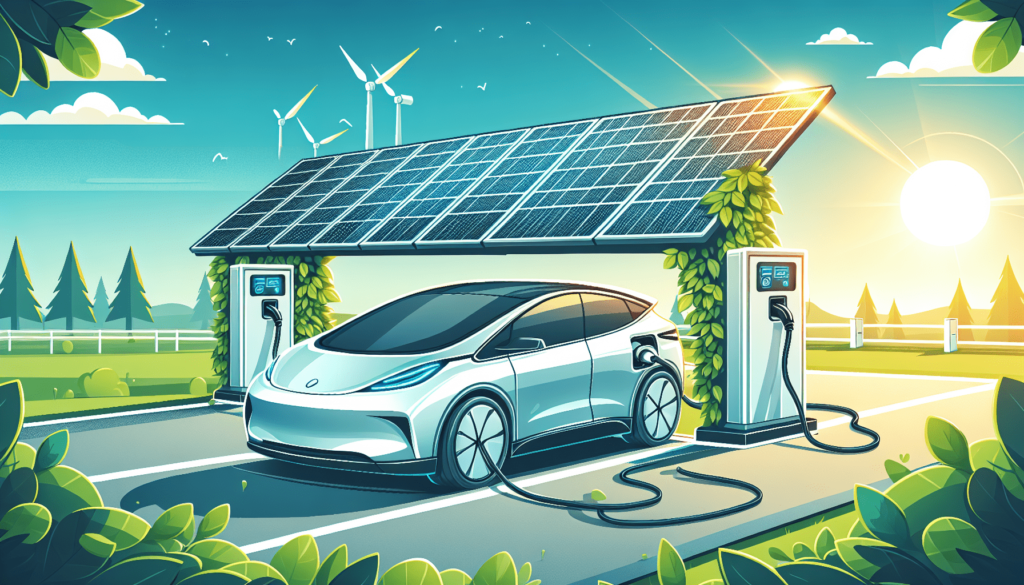
Carbon emissions from burning fossil fuels release carbon dioxide and a suite of co‑pollutants that degrade air quality, harm health, and amplify climate change.
Quick Answer
Carbon emissions are gases, primarily carbon dioxide (CO₂), released when carbon‑based fuels are combusted. The same combustion processes also emit nitrogen oxides (NOₓ), sulfur dioxide (SO₂), particulate matter (PM), and volatile organic compounds (VOCs), which together form smog and fine particles that impair breathing. Scientific assessments consistently show that rising CO₂ concentrations intensify the greenhouse effect, while co‑emitted pollutants directly worsen urban air quality. The most critical implication is a combined threat to climate stability and public health, though the exact magnitude varies by region and source mix.
Key Takeaways
- Carbon emissions arise mainly from fossil‑fuel combustion in transport, power generation, and industry.
- Combustion releases CO₂ plus air‑polluting gases such as NOₓ, SO₂, VOCs, and fine particulate matter.
- CO₂ drives global warming, while co‑pollutants cause respiratory and cardiovascular disease.
- Vulnerable communities near highways or industrial zones face disproportionate exposure.
- Renewable energy, cleaner transport, and stricter emission standards can cut both CO₂ and air pollutants, but trade‑offs and implementation challenges remain.
What Is Carbon Emissions Explained: How They Drive Air Pollution?
Carbon emissions refer to the release of carbon‑containing gases—most notably carbon dioxide (CO₂)—into the atmosphere. In the context of air pollution, the term expands to include the suite of other gases and particles that are emitted simultaneously when carbon‑based fuels are burned. These co‑emitted substances include nitrogen oxides (NOₓ), sulfur dioxide (SO₂), volatile organic compounds (VOCs), and particulate matter (PM). While CO₂ is a long‑lived greenhouse gas, the co‑pollutants are short‑lived but directly toxic to humans and ecosystems. Understanding the combined emissions is essential because policies targeting CO₂ alone may miss the immediate health benefits of reducing co‑pollutants.
How Does It Work?
The pathway from carbon emissions to air pollution involves several linked steps:
- Fuel Combustion: Burning coal, oil, or natural gas breaks carbon‑hydrogen bonds, producing CO₂ and heat.
- Co‑Emission Generation: Incomplete combustion and high‑temperature reactions also form NOₓ, SO₂, VOCs, and solid particles (e.g., soot).
- Atmospheric Chemistry: NOₓ and VOCs react with sunlight to create ozone (O₃), a key component of smog. SO₂ can convert to sulfate aerosols, contributing to fine PM (PM₂.₅).
- Dispersion and Deposition: Wind transports these gases and particles; they may remain aloft for days to weeks or settle onto land and water, affecting ecosystems.
- Health and Climate Feedbacks: Fine PM penetrates deep lung tissue, increasing disease risk. Simultaneously, CO₂ traps infrared radiation, warming the planet and altering atmospheric circulation, which can influence pollutant transport patterns.
What Does the Evidence Show?
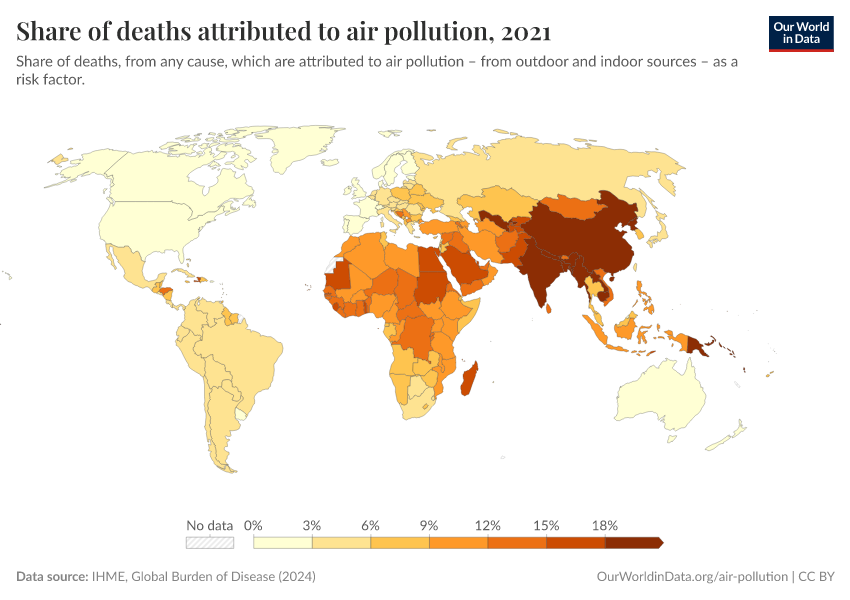
Long‑term monitoring by the World Health Organization (WHO) and national agencies such as the U.S. Environmental Protection Agency (EPA) links elevated PM₂.₅ and ozone levels to increased mortality. A 2021 WHO review estimated that ambient air pollution caused roughly 4.2 million premature deaths worldwide, with the largest shares in East Asia and South Asia. The Intergovernmental Panel on Climate Change (IPCC, 2021) reports that anthropogenic CO₂ concentrations have risen from 280 ppm pre‑industrial to over 415 ppm in 2020, driving a global temperature increase of about 1.1 °C. Systematic reviews (e.g., European Environment Agency, 2020) confirm that sectors with the highest CO₂ output—electricity generation, road transport, and heavy industry—also dominate emissions of NOₓ, SO₂, and PM. These converging lines of observation, modeling, and epidemiology provide strong, moderate, and mixed evidence for the intertwined climate‑air‑health nexus.
Main Causes or Drivers
Direct Causes
- Combustion of coal in power plants (major source of SO₂ and PM).
- Diesel and gasoline engines in road vehicles (primary source of NOₓ, VOCs, and black carbon).
- Industrial processes such as cement production (release CO₂ and dust).
Underlying Drivers
- Global economic growth that prioritises inexpensive fossil‑fuel energy.
- Urbanization patterns that concentrate traffic and industry in densely populated areas.
- Policy frameworks that have historically subsidised carbon‑intensive fuels.
Environmental and Human Impacts
Environmental Impacts
SO₂ and nitrogen compounds contribute to acid rain, which damages forests, soils, and freshwater systems. Sulfate and black carbon particles influence regional climate by altering the Earth’s radiative balance, sometimes offsetting greenhouse warming locally but worsening global warming overall. Ozone formation reduces crop yields and harms vegetation.
Human Health and Social Impacts
Fine particulate matter (PM₂.₅) and ozone are linked to asthma, chronic obstructive pulmonary disease, heart attacks, and premature death. Vulnerable groups—children, older adults, and people with pre‑existing conditions—are most at risk. Socially, low‑income neighborhoods often lie near highways or industrial zones, leading to environmental injustice. According to the WHO, people in such areas experience higher exposure levels and consequently greater health burdens.
Economic and Infrastructure Impacts
Air‑quality‑related illnesses generate healthcare costs estimated at hundreds of billions of dollars annually (World Bank, 2020). Visibility reduction from particulate haze affects tourism and transportation safety. Moreover, climate‑driven changes in wind patterns can alter pollutant dispersion, creating new hotspots.
Regional Differences
In East Asia, rapid industrialization and coal‑heavy electricity generation have produced some of the world’s highest PM₂.₅ concentrations. In contrast, Western Europe has reduced SO₂ and NOₓ emissions dramatically through stringent regulations, yet still faces ozone episodes in summer. In the United States, the Midwest experiences high ozone due to agricultural ammonia reacting with NOₓ, while the Gulf Coast contends with oil‑refining emissions. These patterns illustrate how local energy mixes, climate, and regulatory regimes shape exposure.
What Scientists Know With High Confidence
- Combustion of fossil fuels releases CO₂, NOₓ, SO₂, VOCs, and particulate matter.
- CO₂ is the primary driver of recent global warming.
- Fine particulate matter and ozone exposure increase risk of cardiovascular and respiratory disease.
- Regulatory controls on SO₂ and NOₓ have successfully reduced acid rain and some smog episodes in many high‑income regions.
What Remains Uncertain
Key uncertainties include the exact magnitude of climate‑feedbacks involving black carbon on regional snow melt, the long‑term health effects of emerging pollutants such as ultrafine particles, and how rapidly developing economies will transition to low‑carbon energy sources. Improved ground‑based monitoring in low‑income regions and more integrated climate‑air quality models are needed to narrow these gaps.
Common Misconceptions
Misconception: Carbon dioxide itself is a toxic air pollutant.
Reality: CO₂ is not directly toxic at ambient concentrations; its primary concern is its role as a long‑lived greenhouse gas that warms the climate.
Misconception: Cutting CO₂ automatically cleans the air.
Reality: While many CO₂ sources also emit co‑pollutants, some mitigation strategies (e.g., carbon capture with storage) target CO₂ alone and may leave NOₓ, SO₂, and PM unchanged.
Misconception: Air pollution is only a problem in developing countries.
Reality: Even high‑income nations experience hazardous ozone and fine‑particle episodes, especially during heatwaves, though exposure levels are generally lower than in rapidly industrialising regions.
Solutions and Limitations
Effective responses combine emission reductions, technology upgrades, and policy measures:
- Renewable Energy Transition: Replacing coal plants with wind or solar cuts CO₂ and co‑pollutants, but intermittent generation requires storage or grid upgrades, which entail cost and material considerations.
- Vehicle Electrification: Electric cars eliminate tailpipe NOₓ and PM, yet electricity must be sourced from low‑carbon generation to realize full benefits.
- Flue‑Gas Desulfurization and Selective Catalytic Reduction: These technologies remove SO₂ and NOₓ from power‑plant exhaust, but they add capital expense and can increase water usage.
- Urban Planning: Designing compact, transit‑oriented cities reduces vehicle miles traveled, yet retrofitting existing urban layouts is politically and financially challenging.
- Regulatory Standards: Air‑quality standards (e.g., EPA’s National Ambient Air Quality Standards) drive technology adoption, but enforcement varies across jurisdictions.
What Individuals, Communities, and Governments Can Do
What Individuals Can Do
- Choose public transport, cycling, or walking for short trips to reduce personal vehicle emissions.
- Improve home energy efficiency (insulation, efficient appliances) to lower heating‑related emissions.
- Support policies and candidates that prioritize clean energy and stricter air‑quality regulations.
What Communities and Organizations Can Do
- Implement local low‑emission zones that restrict high‑polluting vehicles.
- Develop community monitoring programs using low‑cost sensors to identify hotspots.
- Promote tree planting and green infrastructure that can capture particulate matter.
What Governments Can Do
- Phase out coal subsidies and set clear timelines for coal‑plant retirement.
- Invest in renewable energy grid integration and affordable storage solutions.
- Enforce stringent emission limits for industry and transport, with penalties for non‑compliance.
- Provide incentives for electric‑vehicle adoption and for retrofitting buildings.
Synthesis of Key Points
Carbon emissions from fossil‑fuel combustion are the engine that drives both climate change and the release of harmful air pollutants. Robust evidence links these emissions to adverse health outcomes, ecosystem damage, and socioeconomic inequities. While the science is clear on the fundamental mechanisms, uncertainties remain regarding regional climate‑air interactions and the speed of global energy transitions. Evidence‑based solutions—such as expanding renewables, improving combustion controls, and redesigning urban mobility—offer measurable benefits, but each carries cost, technical, and equity considerations. Coordinated action across individuals, communities, industry, and governments is essential to break the cycle of carbon‑driven air pollution and protect public health for future generations.
Frequently Asked Questions
What are the main pollutants released alongside carbon dioxide when fossil fuels are burned?
Burning fossil fuels releases nitrogen oxides (NOₓ), sulfur dioxide (SO₂), volatile organic compounds (VOCs), and fine particulate matter (PM₂.₅) together with carbon dioxide. These co‑pollutants are short‑lived but directly harmful to air quality and human health.
How does carbon dioxide contribute to climate change?
Carbon dioxide traps infrared radiation in the atmosphere, creating the greenhouse effect. Since pre‑industrial times CO₂ levels have risen from about 280 ppm to over 415 ppm, driving a global temperature increase of roughly 1.1 °C according to the IPCC.
Why are some communities more exposed to air pollution from carbon emissions?
Low‑income neighborhoods often sit near highways, power plants, or industrial zones where emissions are highest. This proximity leads to higher concentrations of pollutants like PM₂.₅ and ozone, resulting in greater health risks for those residents.
Can switching to renewable energy reduce both carbon emissions and air pollutants?
Yes. Renewables such as wind and solar generate electricity without combustion, eliminating CO₂ and co‑emitted pollutants. However, the overall benefit depends on replacing fossil‑fuel plants and addressing storage or grid challenges.
What are the biggest uncertainties in understanding carbon‑driven air pollution?
Key uncertainties include how black carbon influences regional snow melt, the long‑term health effects of ultrafine particles, and the pace at which developing economies will transition away from fossil fuels. Better monitoring and integrated models are needed to resolve these gaps.










Leave a Comment