
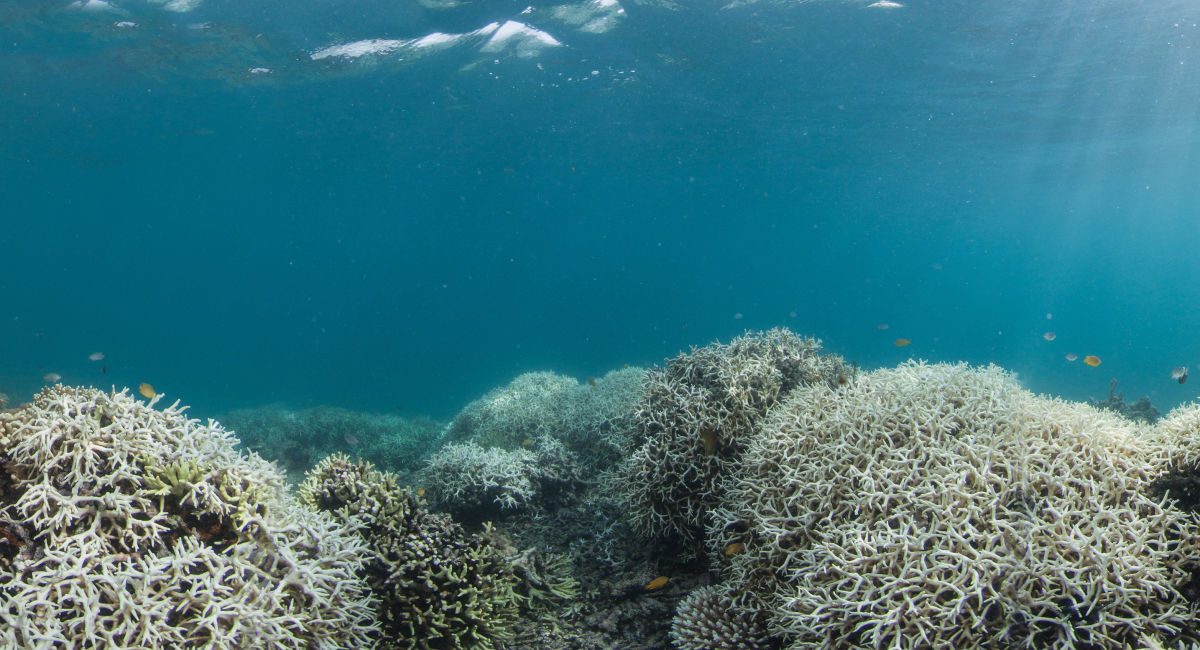
Australia’s confirmation of widespread Great Barrier Reef bleaching highlights how warming oceans are pushing the world’s largest coral system toward a critical tipping point.
Quick Answer
The Great Barrier Reef is experiencing its most extensive coral‑bleaching event on record, driven primarily by anomalously warm sea‑surface temperatures linked to global climate change. When water temperatures exceed corals’ thermal tolerance, they expel the symbiotic algae (zooxanthellae) that give them colour and most of their nutrition, leaving a pale, stressed skeleton. The bleaching reduces habitat complexity, threatens biodiversity, and jeopardises the tourism and fisheries that support tens of thousands of Australian jobs. While the exact future trajectory depends on greenhouse‑gas emissions, scientists are confident that continued warming will increase the frequency and severity of bleaching events.
Key Takeaways
- Bleaching was observed across more than 90% of surveyed reef sites in the 2023 GBRMPA report, the widest extent recorded.
- Elevated sea‑surface temperatures, driven by greenhouse‑gas‑induced warming, are the primary trigger.
- Repeated bleaching reduces coral resilience, leading to long‑term losses in biodiversity and ecosystem services.
- The reef contributes roughly AU$6 billion annually to the Australian economy and supports over 64,000 jobs.
- Effective responses combine emissions reductions, local stress mitigation, and targeted restoration, but each has limits.
What Is Australia Confirms Widespread Great Barrier Reef Bleaching as Oceans Warm?
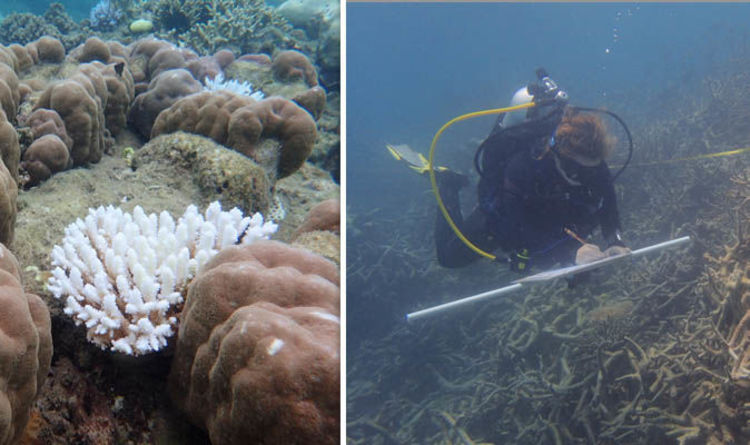
The phrase refers to the official announcement by the Australian government, based on monitoring by the Great Barrier Reef Marine Park Authority (GBRMPA), that a majority of the reef’s coral colonies have shown bleaching symptoms during the 2023 summer season. Bleaching is a physiological stress response, not a disease, and it signals that coral‑algal symbioses are breaking down. The Great Barrier Reef spans 344,400 km² off the northeast coast of Australia, encompassing over 2,900 individual reefs and home to thousands of marine species.
How Does It Work?
Corals rely on a mutualistic relationship with microscopic algae called zooxanthellae. These algae perform photosynthesis, providing up to 90% of the coral’s energy and the pigments that give reefs their vivid colours. When seawater temperatures rise above a species‑specific threshold—typically 1–2 °C above the long‑term summer mean—the photosynthetic machinery becomes stressed and produces harmful reactive oxygen species. To protect themselves, corals expel the algae, leading to a loss of colour (bleaching) and a sharp decline in energy intake.
Sequence of Events
- Prolonged heat stress elevates sea‑surface temperature.
- Zooxanthellae photosynthetic efficiency declines, generating oxidative stress.
- Corals expel the algae to mitigate cellular damage.
- Without algae, corals appear white and receive far less food.
- If temperatures normalize within weeks, some corals can re‑acquire algae and recover; if stress persists, tissue death and mortality occur.
What Does the Evidence Show?
Long‑term monitoring by the Australian Institute of Marine Science (AIMS) and satellite‑derived sea‑surface temperature records indicate a warming trend of about 0.2 °C per decade across the reef region since the 1980s (IPCC AR6, 2021). The 2023 GBRMPA annual report documented bleaching at 91% of the 1,400 surveyed sites, surpassing the 2016 and 2017 events that affected roughly 70% of sites each. A systematic review of field studies (e.g., Hughes et al., 2018, *Nature*) found that repeated bleaching reduces coral growth rates by 30–50% and increases mortality risk. Model simulations by the Commonwealth Scientific and Industrial Research Organisation (CSIRO) project that under a high‑emissions pathway (RCP8.5) more than 70% of the reef could be functionally dead by 2100, whereas a low‑emissions pathway (RCP2.6) improves the odds of partial recovery.
Main Causes or Drivers
Direct Causes
- Thermal stress: Sea‑surface temperatures exceeding the climatological summer mean by 1–2 °C.
- Solar irradiance: High light intensity amplifies oxidative stress during heat waves.
Underlying Drivers
- Anthropogenic greenhouse‑gas emissions: Global CO₂ concentrations have risen from 280 ppm pre‑industrial to over 420 ppm in 2023, trapping heat and raising ocean temperatures (IPCC AR6).
- Local stressors: Nutrient runoff, sedimentation, and overfishing can weaken coral health, making bleaching more likely.
Environmental and Human Impacts
Environmental Impacts
Bleached corals lose the structural complexity that shelters fish, crustaceans, and mollusks. Declines in coral cover have been linked to a 40% reduction in reef fish biomass in heavily affected sectors (AIMS, 2022). Loss of live coral also diminishes the reef’s ability to sequester carbon and to buffer coastlines from storm surges, increasing erosion risk.
Human Health and Social Impacts
While direct health effects are limited, the degradation of reef ecosystems can affect food security for coastal Indigenous communities that rely on traditional fisheries. Cultural values attached to the reef are also at risk, eroding heritage and identity.
Economic and Infrastructure Impacts
The tourism industry contributes roughly AU$6 billion per year and employs more than 64,000 Australians (Tourism Australia, 2022). Bleaching reduces the aesthetic appeal that draws visitors, leading to revenue losses that can ripple through hotels, tour operators, and remote communities. Commercial fisheries face lower catches of high‑value species such as reef‑associated snapper and grouper.
Regional Differences
Bleaching intensity varies across the reef’s latitudinal gradient. The northern sections (e.g., the Torres Strait) experienced earlier warming but have historically hosted more heat‑tolerant coral species, resulting in slightly lower mortality. In contrast, the central and southern sectors, where water temperatures are usually cooler, showed higher bleaching severity in 2023 because the temperature anomaly exceeded local thresholds more dramatically. Monitoring capacity also differs: remote northern reefs are surveyed less frequently, introducing data gaps that affect regional assessments.
What Scientists Know With High Confidence
- Global warming is raising average sea‑surface temperatures across the Great Barrier Reef region.
- Coral bleaching is directly triggered by sustained temperature anomalies of 1–2 °C above the long‑term summer mean.
- Repeated bleaching events erode coral resilience and increase the probability of long‑term reef degradation.
- The reef provides essential ecosystem services, including tourism, fisheries, and coastal protection, valued at billions of dollars annually.
What Remains Uncertain
Key uncertainties include the precise rate at which heat‑tolerant coral genotypes can spread, the long‑term effectiveness of large‑scale restoration under continued warming, and the socioeconomic thresholds at which tourism and fisheries will experience irreversible declines. Improved high‑resolution monitoring and experimental breeding programs could reduce these knowledge gaps.
Common Misconceptions
Misconception: Bleaching means the reef is dead.
Reality: Bleaching is a stress response; many corals can recover if temperatures return to normal within weeks.
Misconception: Only climate change is to blame.
Reality: While global warming is the dominant driver, local stressors such as nutrient runoff and overfishing exacerbate bleaching susceptibility.
Misconception: Individual actions cannot make a difference.
Reality: Collective consumer choices can reduce greenhouse‑gas emissions and lessen local pressures, supporting broader mitigation efforts.
Solutions and Limitations
Effective responses fall into three categories: mitigation, adaptation, and restoration.
- Mitigation: Rapid reduction of CO₂ emissions is essential. International agreements (e.g., the Paris Agreement) aim to limit warming to 1.5 °C, a threshold that would markedly reduce bleaching frequency. Limitation: Global coordination is required, and benefits accrue over decades.
- Local Adaptation: Improving water‑quality through stricter land‑use regulations reduces sediment and nutrient loads, enhancing coral resilience. Limitation: Implementation varies across jurisdictions and may face economic opposition.
- Restoration: Coral gardening and assisted gene flow projects have shown localized success in growing heat‑tolerant fragments. Limitation: Scale remains small relative to the reef’s size, and long‑term survival under warming waters is uncertain.
What Individuals, Communities, and Governments Can Do
What Individuals Can Do
- Reduce personal carbon footprints by using renewable energy, limiting air travel, and adopting energy‑efficient appliances.
- Support certified sustainable seafood to lessen pressure on reef‑associated fish stocks.
- Donate to or volunteer with reputable reef‑conservation NGOs that fund monitoring and restoration.
What Communities and Organizations Can Do
- Implement coastal‑zone management plans that curb runoff and protect mangrove buffers.
- Develop eco‑tourism guidelines that limit reef contact and encourage low‑impact visitor behaviour.
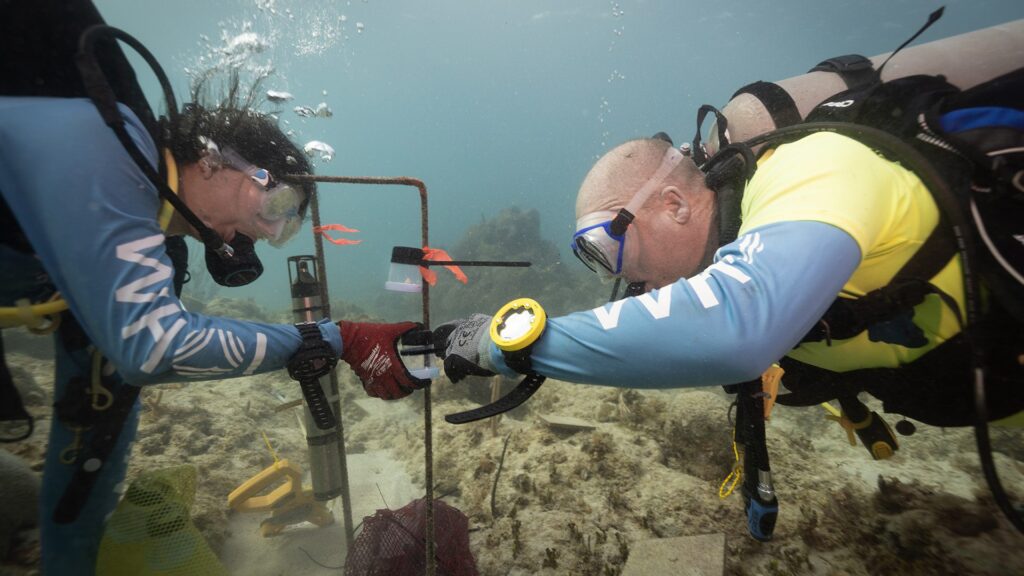
- Partner with research institutions to host citizen‑science monitoring programs.
What Governments Can Do
- Enforce and strengthen emissions‑reduction targets consistent with the IPCC’s 1.5 °C pathway.
- Allocate funding for large‑scale restoration and for the development of heat‑tolerant coral breeding programs.
- Improve regulatory frameworks for agricultural runoff, ensuring water‑quality standards that protect reef health.
Closing Synthesis
The confirmation of widespread bleaching on the Great Barrier Reef underscores a clear scientific link between rising ocean temperatures and coral stress. Robust monitoring and decades of research give high confidence that continued warming will increase bleaching frequency, threatening biodiversity, tourism, and fisheries. While uncertainties remain about the pace of ecological recovery and the scalability of restoration, the evidence points to urgent emissions reductions, improved local water‑quality management, and targeted restoration as the most effective combined strategy. By aligning individual choices, community initiatives, and government policy, society can reduce the trajectory toward irreversible loss and preserve the reef’s ecological and cultural legacy for future generations.
Frequently Asked Questions
What is coral bleaching and why does it matter for the Great Barrier Reef?
Coral bleaching occurs when corals expel the symbiotic algae (zooxanthellae) that give them colour and most of their food, usually because of prolonged heat stress. Without the algae, corals turn white and lose up to 90% of their energy, making them vulnerable to disease and death. For the Great Barrier Reef, widespread bleaching reduces habitat complexity, threatens thousands of marine species, and jeopardises tourism and fisheries that support the regional economy.
How do rising ocean temperatures trigger bleaching events?
When sea‑surface temperatures rise 1–2 °C above the long‑term summer average, the photosynthetic process of zooxanthellae becomes stressed and produces harmful reactive oxygen species. To protect their cells, corals expel the algae, losing both colour and a major energy source. If the heat persists, the corals cannot recover and may die, leading to large‑scale bleaching across the reef.
What evidence shows that bleaching is becoming more widespread on the reef?
Long‑term monitoring by the Great Barrier Reef Marine Park Authority reported bleaching at 91% of surveyed sites in the 2023 summer, surpassing the ~70% coverage recorded in 2016 and 2017. Satellite data and Australian Institute of Marine Science records also show a steady rise in sea‑surface temperatures of about 0.2 °C per decade since the 1980s, aligning with increased bleaching frequency.
What are the main impacts of bleaching on marine life and local economies?
Bleached corals lose the structural habitat that many fish, crustaceans, and mollusks depend on, leading to a 40% drop in reef fish biomass in heavily affected areas. Economically, the reef generates roughly AU$6 billion annually and supports over 64,000 jobs in tourism and fisheries; bleaching reduces the reef’s visual appeal and fish stocks, threatening these revenue streams.
What actions can individuals take to help protect the Great Barrier Reef?
Individuals can lower their carbon footprints by using renewable energy, limiting air travel, and choosing energy‑efficient appliances. Supporting sustainable seafood reduces pressure on reef‑associated fish, and donating time or money to reputable reef‑conservation groups helps fund monitoring and restoration projects that aim to improve reef resilience.






Leave a Comment