

Atmospheric carbon dioxide has risen to concentrations not seen in four million years, a level that signals intensified greenhouse warming and broad implications for climate, ecosystems, and societies.
Quick Answer
Atmospheric CO₂ concentrations have exceeded 420 parts per million (ppm) in 2023, a level unprecedented in the geological record for the past four million years. The rise is driven primarily by fossil‑fuel combustion and land‑use change, which add carbon faster than natural sinks can absorb it. This amplifies the greenhouse effect, raising global average temperatures and accelerating climate‑related risks such as sea‑level rise and extreme weather. While the upward trend is robust, uncertainties remain around the strength of future feedbacks and the exact timing of threshold‑crossing events.
Key Takeaways
- Atmospheric CO₂ surpassed 420 ppm in 2023, the highest level in ~4 million years.
- Human activities add roughly 10 Gt of carbon each year, outpacing natural absorption.
- Higher CO₂ strengthens the greenhouse effect, contributing to global warming of ~1.2 °C above pre‑industrial levels.
- Impacts include accelerated sea‑level rise, ocean acidification, and heightened risk of heat‑related health events.
- Mitigation (renewable energy, efficiency, carbon pricing) and adaptation (resilient agriculture, coastal defenses) are both required.
What Is Atmospheric CO₂ Reaches Highest Level in 4 Million Years Scientists Warn?
The phrase refers to the measured concentration of carbon dioxide (CO₂) in Earth’s well‑mixed atmosphere reaching values that have not been recorded in ice‑core or marine sediment archives for the past four million years. CO₂ is a greenhouse gas; its abundance controls how much infrared radiation is trapped, influencing global climate. The current metric is a simple count of molecules per million molecules of air (ppm), with the most recent global average reported by the World Meteorological Organization (WMO) and the National Oceanic and Atmospheric Administration (NOAA).
How Does It Work?
1. The Greenhouse Effect
Solar radiation reaches Earth as short‑wave energy. The surface absorbs it and re‑emits infrared radiation. Greenhouse gases such as CO₂ absorb a portion of this infrared radiation and re‑radiate it back toward the surface, creating a warming effect. The more CO₂ present, the stronger the effect.
2. The Carbon Cycle
Carbon naturally moves between the atmosphere, oceans, land vegetation, and soils. Photosynthesis removes CO₂, while respiration, decomposition, and ocean release add it back. Human activities have introduced a net positive flux, tipping the balance.
3. Fossil‑Fuel Combustion
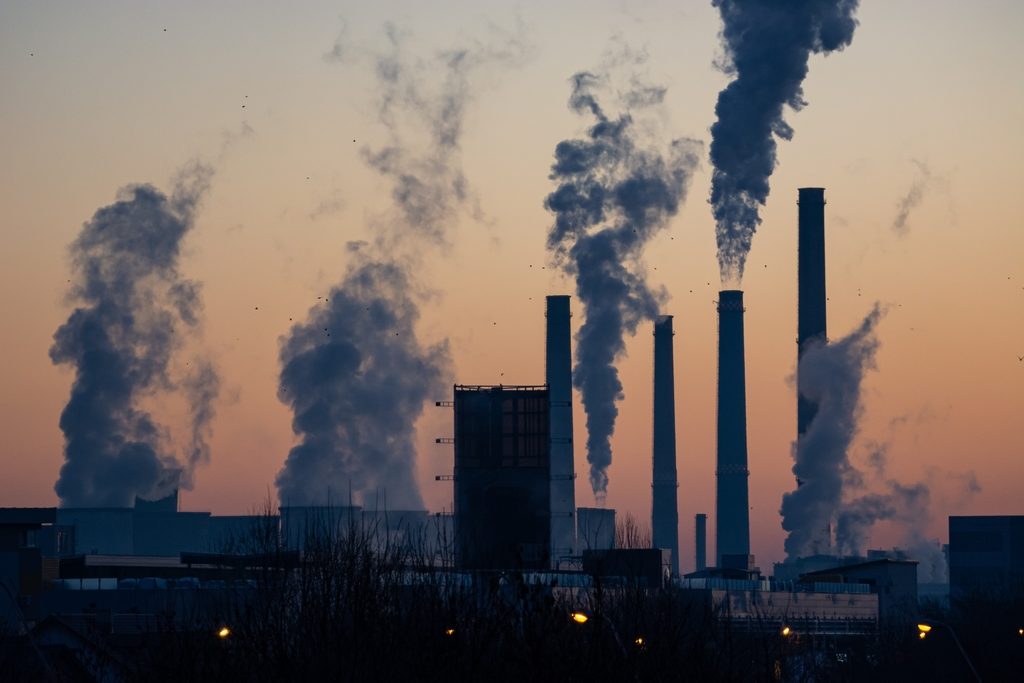
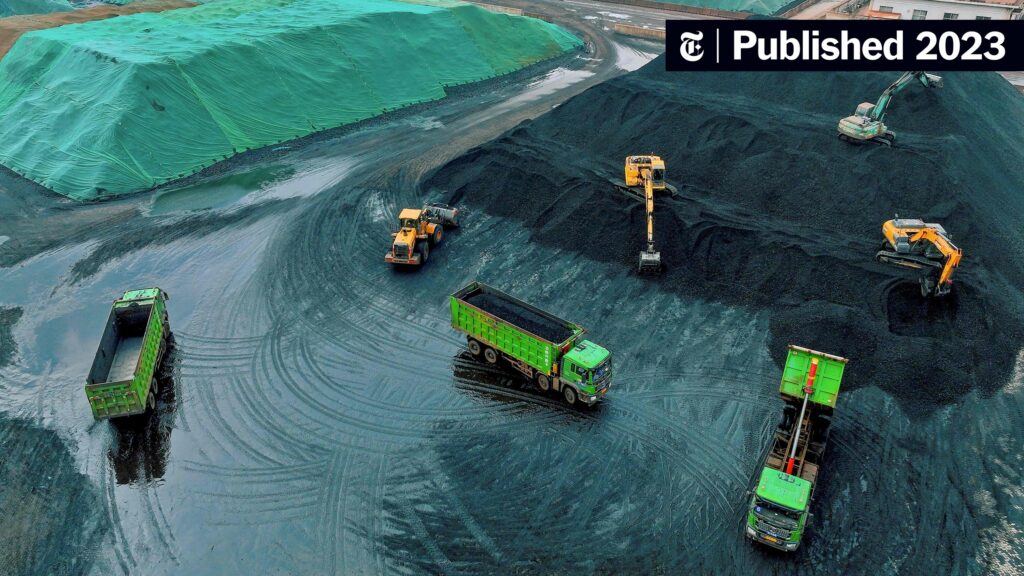
Burning coal, oil, and natural gas releases carbon that has been stored underground for millions of years. According to the International Energy Agency (IEA), global CO₂ emissions from fuel combustion were about 36.3 gigatonnes (Gt) of CO₂ in 2022.
4. Land‑Use Change
Deforestation and conversion of natural ecosystems to agriculture reduce the amount of carbon stored in vegetation and soils, turning these sinks into net sources.
5. Feedback Loops
Warming can release additional CO₂ from permafrost and the oceans, creating a positive feedback that accelerates the original forcing.
What Does the Evidence Show?
Multiple, independent lines of evidence confirm the recent CO₂ rise:
- Ice‑core records from Antarctica and Greenland provide a continuous CO₂ history back 800,000 years, showing natural variability between ~180 ppm (glacial minima) and ~300 ppm (interglacial maxima). The current level exceeds the entire range.
- Direct atmospheric monitoring at Mauna Loa Observatory, operated by NOAA, has recorded a steady increase from 315 ppm in 1958 to >420 ppm in 2023.
- Satellite observations from NASA’s OCO‑2 mission corroborate ground‑based measurements and provide global coverage.
- IPCC Assessment Report (2021) synthesizes these data and concludes that the observed rise is unequivocally linked to anthropogenic emissions.
Main Causes or Drivers
Direct Human Emissions
Combustion of fossil fuels for electricity, transport, industry, and heating adds the largest share of CO₂.
Land‑Use and Deforestation
Conversion of forests to cropland releases stored carbon and reduces future uptake.
Industrial Processes
Cement production alone contributes about 0.9 Gt of CO₂ annually through the calcination of limestone.
Natural Amplifiers
Warming‑induced permafrost thaw and reduced oceanic solubility can release additional CO₂, though these are secondary to direct emissions.
Environmental and Human Impacts
Environmental Impacts
- Temperature rise: Higher CO₂ correlates with a global mean surface temperature increase of ~1.2 °C since pre‑industrial times.
- Sea‑level rise: Thermal expansion and melting ice sheets contribute to an observed rise of about 20 cm since 1900.
- Ocean acidification: About 30 % of emitted CO₂ is absorbed by oceans, lowering pH by ~0.1 units, threatening coral reefs and shell‑forming organisms.
- Biodiversity loss: Climate‑driven habitat shifts increase extinction risk for many species, especially in the Arctic and tropical montane regions.
Human Health and Social Impacts
- Heatwaves increase mortality, particularly among the elderly and outdoor workers.
- Changes in vector‑borne disease patterns (e.g., malaria, dengue) are linked to temperature and precipitation shifts.
- Food security is threatened by altered growing seasons, increased droughts, and reduced nutrient density of some crops.
Economic and Infrastructure Impacts
- Coastal flooding imposes rising repair and relocation costs for infrastructure valued at billions of dollars annually.
- Agricultural losses from extreme weather events can affect commodity markets and livelihoods, especially in low‑income regions.
Regional Differences
Impact magnitude varies with geography:
- High‑latitude regions (e.g., Arctic) experience faster warming—up to twice the global average—leading to permafrost melt and ecosystem disruption.
- Tropical low‑lying islands face immediate sea‑level threats and limited adaptive capacity.
- Land‑locked developing nations may confront heightened drought risk and reduced water availability for agriculture.
- Industrialized nations typically have higher per‑capita emissions but also greater resources for mitigation and adaptation.
What Scientists Know With High Confidence
What Scientists Know With High Confidence
- CO₂ is a potent greenhouse gas that traps infrared radiation.
- Human activities have increased atmospheric CO₂ by about 55 % since the pre‑industrial era.
- Rising CO₂ levels are the dominant driver of the observed global temperature increase over the past century.
- Ocean uptake of CO₂ is causing measurable acidification that harms calcifying organisms.
- Continued emissions will likely push global warming beyond 1.5 °C unless rapid mitigation occurs.
What Remains Uncertain
What Remains Uncertain
Key uncertainties include the magnitude of carbon‑cycle feedbacks from permafrost thaw, the exact climate sensitivity to CO₂ (i.e., temperature response per CO₂ doubling), and the socio‑economic pathways that will dictate future emission trajectories. Improved monitoring of carbon fluxes and refined Earth‑system models are needed to narrow these gaps.
Common Misconceptions
Common Misconceptions
Misconception: CO₂ alone can explain all climate change.
Reality: CO₂ is the primary long‑lived greenhouse gas, but water vapour, methane, and aerosols also influence climate. The combined effect determines the total forcing.
Misconception: The CO₂ rise is a natural cycle.
Reality: While CO₂ has varied naturally over geological time, the rapid increase since the Industrial Revolution exceeds any natural rate documented in ice cores.
Misconception: More CO₂ will make crops grow better everywhere.
Reality: Elevated CO₂ can boost photosynthesis in some species, but heat stress, water scarcity, and nutrient limitations often offset any yield gains.
Solutions and Limitations
Effective responses combine mitigation—reducing emissions—and adaptation—preparing for unavoidable changes.
- Renewable energy transition: Solar, wind, and hydroelectric power can displace fossil fuels, but require grid upgrades and storage solutions.
- Energy efficiency: Improving building insulation and industrial processes cuts demand, yet adoption varies by region and policy support.
- Carbon pricing: Taxes or cap‑and‑trade schemes internalize emission costs, but political feasibility differs across countries.
- Reforestation and afforestation: Restoring forests sequesters carbon, but land‑use conflicts and permanence concerns limit scale.
- Direct air capture (DAC): Emerging technology that removes CO₂ from ambient air; currently costly and energy‑intensive, making large‑scale deployment uncertain.
- Adaptation measures: Climate‑resilient crops, improved water‑use efficiency, and coastal defenses protect vulnerable communities, yet they do not reduce atmospheric CO₂.
What Individuals, Communities, and Governments Can Do
What Individuals Can Do
- Reduce personal energy use by switching to LED lighting, improving home insulation, and using public transport or electric vehicles where feasible.
- Support policies and companies that commit to science‑based emission targets.
- Consume a diet with lower carbon intensity, e.g., more plant‑based foods and less meat from ruminants.
What Communities and Organizations Can Do
- Implement community solar or wind projects to lower collective electricity footprints.
- Adopt green building standards for new construction and retrofits.
- Develop local climate‑action plans that include heat‑wave response, flood mitigation, and ecosystem restoration.
What Governments Can Do
- Set ambitious, legally binding net‑zero targets aligned with the IPCC 1.5 °C pathway.
- Invest in public transit, electric‑vehicle charging infrastructure, and research on low‑carbon technologies.
- Provide financial and technical support to vulnerable regions for adaptation and resilient agriculture.
Closing Synthesis
The unprecedented rise of atmospheric CO₂ to levels unseen for four million years is a clear indicator of human‑driven climate change. Robust evidence from ice cores, direct monitoring, and climate assessments confirms the trend and its primary drivers. Consequences span warming oceans, sea‑level rise, ecosystem disruption, and heightened health and economic risks, with regional variations that amplify vulnerability for low‑lying and low‑income areas. High‑confidence findings give us a solid foundation for action, while remaining uncertainties—particularly around feedbacks—highlight the need for continued research. Mitigation strategies such as rapid renewable‑energy deployment, efficient use of energy, and carbon pricing, together with adaptation measures, offer the most viable path forward, though each carries trade‑offs. Collective effort across individuals, communities, and governments is essential to curb emissions, protect ecosystems, and safeguard future generations.
Frequently Asked Questions
What does it mean when scientists say atmospheric CO₂ is at its highest level in four million years?
It means that the measured concentration of carbon dioxide in the well‑mixed atmosphere, now above 420 ppm, exceeds any value recorded in ice‑core and marine sediment archives that span the last four million years, indicating an unprecedented level of greenhouse‑gas forcing.
How do scientists determine CO₂ levels from millions of years ago?
Scientists analyze air bubbles trapped in Antarctic and Greenland ice cores, which preserve ancient atmospheric samples. By measuring the CO₂ in these bubbles, they reconstruct past concentrations and compare them with modern observations.
Why does a higher concentration of CO₂ lead to global warming?
CO₂ absorbs infrared radiation emitted by Earth’s surface and re‑radiates it back, trapping heat in the lower atmosphere. More CO₂ increases this greenhouse effect, raising average global temperatures.
Which regions are most vulnerable to the impacts of rising CO₂ and associated climate change?
High‑latitude areas warm fastest, threatening permafrost and Arctic ecosystems. Tropical low‑lying islands face sea‑level rise and storm surge, while many developing, land‑locked nations confront intensified droughts and reduced water availability.
What actions can most effectively reduce atmospheric CO₂ concentrations?
Deploying renewable energy at scale, improving energy efficiency across industry and buildings, and implementing carbon pricing to discourage fossil‑fuel use are the most evidence‑backed strategies for cutting emissions quickly and sustainably.





Leave a Comment