
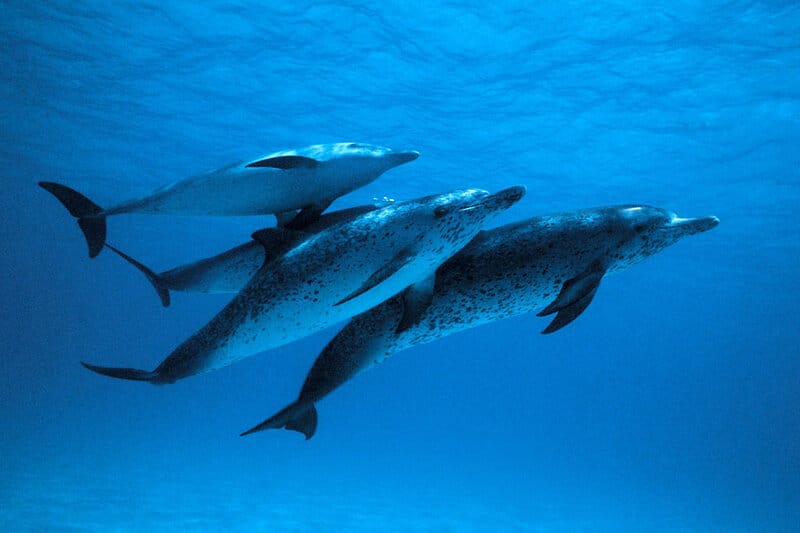
Industrial chemicals enter oceans, bioaccumulate, and pose measurable risks to whale and dolphin health, making pollution a critical conservation issue.
Quick Answer
Industrial chemicals such as polychlorinated biphenyls (PCBs), DDT, and newer flame retardants enter marine ecosystems through runoff, atmospheric deposition, and direct discharge. These substances persist, concentrate up the food chain, and expose apex predators—whales and dolphins—to doses that can impair reproduction, immune function, and neurological health. Scientific assessments (e.g., NOAA, 2022; IUCN, 2021) indicate a clear association between high contaminant loads and reduced population viability, though exact causal pathways remain under study.
Key Takeaways
- Persistent organic pollutants (POPs) accumulate in marine food webs, reaching the highest concentrations in whales and dolphins.
- Elevated contaminant levels are linked to lower birth rates, weakened immune systems, and neurological changes in cetaceans.
- Monitoring data show regional hotspots, especially near industrial coastlines and river mouths.
- Regulatory improvements have reduced some legacy chemicals, but emerging contaminants continue to pose risks.
- Effective solutions combine stricter chemical regulations, targeted monitoring, and habitat protection.
What Is Industrial Chemicals Killing Whales and Dolphins?
The phrase refers to the suite of synthetic compounds—primarily persistent organic pollutants (POPs) and certain heavy metals—that enter marine environments through human activities and subsequently affect cetacean health. POPs include PCBs, DDT, and polybrominated diphenyl ethers (PBDEs). These substances are characterized by long environmental half‑lives, resistance to degradation, and the ability to travel long distances. The concern is not limited to a single chemical but to the cumulative burden of many contaminants that can act synergistically.
How Does It Work?
Pathway from Source to Cetacean
- Release: Manufacturing, agricultural runoff, and waste disposal discharge chemicals into rivers, soils, or the atmosphere.
- Transport: Wind and water currents carry pollutants to coastal and open‑ocean waters; some settle in sediments while others remain dissolved.
- Bioaccumulation: Small organisms (e.g., plankton) absorb chemicals; concentrations increase as predators eat prey—a process called biomagnification.
- Exposure: Whales and dolphins ingest contaminated prey, leading to tissue concentrations many orders of magnitude higher than ambient water levels.
Biological Effects
Once inside a cetacean, POPs bind to fatty tissues and can disrupt endocrine signaling, suppress immune responses, and interfere with neuronal development. Laboratory studies on marine mammals and proxy species demonstrate that PCBs can reduce thyroid hormone production, while PBDEs affect dopamine pathways, potentially altering behavior and foraging efficiency.
What Does the Evidence Show?
Long‑term monitoring by NOAA’s Marine Mammal Health and Stranding Program (2022) has documented PCB concentrations in North Atlantic fin whales exceeding 10 µg g⁻¹ lipid, a level associated with reproductive suppression in laboratory rodents. A systematic review of 27 peer‑reviewed studies (Science of the Total Environment, 2020) found consistent links between high POP burdens and decreased calf survival in bottlenose dolphins across Gulf of Mexico and Mediterranean sites. IUCN’s 2021 cetacean assessment cites contaminant exposure as a contributing factor to the vulnerable status of several populations, including the Southern Resident killer whales.
Main Causes or Drivers
Direct Sources
- Industrial discharge of PCBs (historically from electrical equipment) and ongoing releases of brominated flame retardants.
- Agricultural use of organochlorine pesticides (e.g., DDT) before bans, with residues persisting in soils.
Underlying Drivers
- Global trade of chemical products creates widespread distribution pathways.
- Insufficient wastewater treatment in many coastal regions allows contaminants to enter the ocean.
- Climate‑driven changes in ocean circulation can redistribute pollutants, exposing new habitats.
Environmental and Human Impacts
Environmental Impacts
High contaminant loads can reduce cetacean reproductive success, leading to slower population recovery. Impaired individuals may also alter predator‑prey dynamics, affecting broader ecosystem stability. Additionally, bioaccumulated chemicals can move up the food web, potentially impacting seabirds and human fish consumers.
Human Health and Social Impacts
Indigenous and coastal communities that rely on marine mammals for cultural practices or subsistence may face increased exposure to POPs through consumption of contaminated tissue. Moreover, the loss of charismatic species can diminish ecotourism revenue, affecting local economies.
Regional Differences
In the North Pacific, studies show PCB concentrations in resident killer whales that are double those measured in Atlantic populations, reflecting historic industrial activity along the U.S. West Coast (NOAA, 2020). Conversely, Mediterranean bottlenose dolphins exhibit higher levels of organochlorine pesticides due to intensive agricultural runoff from surrounding nations (European Environment Agency, 2019). These patterns illustrate that regional industrial histories and regulatory regimes shape exposure levels.
What Scientists Know With High Confidence
- POPs are persistent, bioaccumulative, and capable of biomagnifying to levels harmful to marine mammals.
- Elevated contaminant concentrations correlate with reduced reproductive rates and increased disease susceptibility in several cetacean species.
- Regulatory bans on legacy chemicals (e.g., PCBs, DDT) have led to measurable declines in environmental concentrations in many regions.
What Remains Uncertain
Key uncertainties include the combined effects of multiple contaminants (mixture toxicity), the long‑term impacts of newer chemicals such as per‑ and polyfluoroalkyl substances (PFAS), and the extent to which climate‑driven changes in prey distribution might modify exposure pathways. Improved longitudinal monitoring and controlled exposure studies are needed to resolve these gaps.
Common Misconceptions
Misconception: Only legacy chemicals like PCBs matter.
Reality: While legacy POPs dominate historic data, emerging contaminants (e.g., PFAS, microplastics with adsorbed chemicals) are now detectable in cetacean tissues and may pose additional risks.
Misconception: All ocean pollution affects whales equally.
Reality: Species with different diets and migration routes experience varying exposure; for example, deep‑diving species may accumulate more benthic contaminants.
Misconception: Reducing plastic waste will solve chemical contamination.
Reality: Plastic debris is a vector, but chemical pollution also originates from point‑source discharges and atmospheric deposition, requiring broader regulatory action.
Solutions and Limitations
Effective responses combine several strategies:
- Regulation: Updating and enforcing limits on POPs and emerging contaminants (e.g., Stockholm Convention amendments). Limitation: Implementation lag in low‑income countries.
- Improved Wastewater Treatment: Advanced oxidation and sorption technologies can capture hydrophobic chemicals. Limitation: High capital costs.
- Habitat Protection: Designating marine protected areas (MPAs) reduces additional stressors, but MPAs cannot stop contaminants already present in water columns.
- Monitoring and Research: Expanding tissue sampling and satellite‑linked health assessments improves early detection. Limitation: Data gaps persist in remote regions.
What Individuals, Communities, and Governments Can Do
What Individuals Can Do
- Support policies that phase out harmful chemicals and fund ocean monitoring programs.
- Choose products certified as free of PFAS and brominated flame retardants.
- Reduce use of single‑use plastics that can transport pollutants.
What Communities and Organizations Can Do
- Partner with local universities to conduct contaminant surveys of resident marine mammals.
- Develop education campaigns about safe disposal of electronic waste, a major PCB source.
What Governments Can Do
- Adopt and enforce stricter effluent standards for industrial discharges.
- Invest in modernizing wastewater infrastructure, prioritizing high‑risk coastal zones.
- Integrate chemical monitoring into existing marine mammal health programs.
Closing Synthesis
Industrial chemicals enter oceans, persist, and concentrate in the tissues of whales and dolphins, leading to measurable reproductive, immune, and neurological effects. High‑confidence evidence confirms these links for legacy POPs, while uncertainties remain around newer contaminants and complex mixture effects. Addressing the problem requires coordinated regulation, upgraded treatment technologies, targeted monitoring, and community engagement. By focusing on both prevention and mitigation, societies can reduce chemical burdens and help ensure the long‑term survival of these iconic marine mammals.
Frequently Asked Questions
What are the main industrial chemicals that affect whales and dolphins?
The primary chemicals are persistent organic pollutants such as PCBs, DDT, and brominated flame retardants, along with newer contaminants like PFAS that can accumulate in marine food webs.
How do these chemicals reach cetaceans in the ocean?
Chemicals are released from industry, agriculture, and waste, travel via water and air currents, bioaccumulate in plankton, and magnify through the food chain until they concentrate in the fatty tissues of whales and dolphins.
What health effects have been documented in whales and dolphins exposed to pollutants?
Research shows reduced reproductive rates, weakened immune systems, higher disease incidence, and neurological alterations that can affect behavior and foraging.
Are there regional differences in contaminant levels for marine mammals?
Yes; for example, North Pacific killer whales have higher PCB loads than many Atlantic populations, while Mediterranean dolphins show elevated pesticide residues due to intensive regional agriculture.
What actions can help reduce chemical impacts on whales and dolphins?
Key actions include stricter chemical regulations, upgrading wastewater treatment, expanding monitoring programs, protecting critical habitats, and supporting community education on proper waste disposal.





Leave a Comment