
Global warming is the long‑term rise in Earth’s average surface temperature caused by human‑driven greenhouse‑gas emissions, a process that reshapes climate patterns, ecosystems and societies worldwide.
Quick Answer
Global warming refers to the sustained increase in the planet’s average surface temperature due to the accumulation of greenhouse gases—primarily carbon dioxide, methane and nitrous oxide—in the atmosphere. These gases trap infrared radiation, shifting Earth’s energy balance and leading to warmer air, oceans and melting ice. The Intergovernmental Panel on Climate Change (IPCC) assesses that human activities are the dominant cause, with confidence rated “very high.” The most consequential impact is the acceleration of extreme weather, sea‑level rise and ecosystem disruption, although precise regional outcomes retain moderate uncertainty.
Key Takeaways
- Human‑generated greenhouse gases have pushed atmospheric CO₂ above 400 ppm, a level not seen in at least 800,000 years.
- Multiple, independent lines of evidence—thermometer records, satellite data, ice cores—confirm a warming trend of roughly 1.1 °C since pre‑industrial times.
- Warming amplifies extreme heat, heavy precipitation, droughts and coastal flooding, affecting food, water and health security.
- Mitigation (e.g., renewable energy, carbon pricing) and adaptation (e.g., resilient infrastructure) are both essential, each with distinct limits.
- Individual actions matter most when they reduce demand for high‑carbon goods and support collective policy change.
What Is An Easy Essay Guide to Understanding Global Warming?
An “easy essay guide” is a concise, structured overview that explains the core concept of global warming, the scientific mechanisms behind it, the evidence that supports it, and the practical responses available. It is intended for students, educators and any reader seeking a clear, factual foundation without jargon. The guide differs from a general climate‑change overview by focusing specifically on the temperature‑rise component and its direct implications for essay writing, while still situating the topic within the broader climate system.
How Does It Work?
Greenhouse Effect
Solar radiation reaches Earth as short‑wave energy. About 30 % is reflected back to space, while the rest is absorbed by the surface and re‑emitted as long‑wave infrared radiation. Greenhouse gases absorb a portion of this infrared energy and re‑radiate it downward, creating a warming “blanket.” This natural greenhouse effect keeps the planet roughly 33 °C warmer than it would be without an atmosphere.
Human Amplification
Since the late 18th century, industrial activities have added roughly 2.5 × 10¹⁵ g of CO₂ annually, raising atmospheric concentrations from ~280 ppm to over 420 ppm in 2023 (NOAA, 2023). Methane and nitrous oxide, though present in smaller amounts, have higher heat‑trapping efficiency per molecule, further amplifying warming.
Feedback Loops
Warming triggers feedbacks that can accelerate or dampen change. Examples include:
- Ice‑albedo feedback: Melting snow and ice expose darker surfaces, absorbing more solar energy.
- Water‑vapour feedback: Warmer air holds more moisture, a potent greenhouse gas, enhancing heat retention.
- Permafrost carbon release: Thawing soils release stored methane and CO₂, adding to atmospheric concentrations.
What Does the Evidence Show?
Long‑term surface temperature records compiled by NASA’s Goddard Institute for Space Studies (GISS) and the UK Met Office show a global mean increase of about 1.1 °C from 1880 to 2022. Satellite measurements confirm that the lower troposphere has warmed consistently since the early 1970s. Ice‑core analyses reveal a tight correlation between CO₂ levels and temperature over the past 800,000 years, but the current rate of increase far exceeds natural variations. Sea‑level tide‑gauge data indicate a rise of 21 cm since 1900, while satellite altimetry shows an accelerating trend of 3.3 mm yr⁻¹ in recent decades. Attribution studies using climate models attribute more than 95 % of the observed warming since 1950 to anthropogenic emissions.
Main Causes or Drivers
Fossil‑Fuel Combustion
Burning coal, oil and natural gas for electricity, transport and industry releases the bulk of CO₂ emissions—about 73 % of total greenhouse‑gas emissions in 2022 (IEA, 2023).
Land‑Use Change
Deforestation and conversion of wetlands reduce the biosphere’s capacity to absorb CO₂, while also releasing stored carbon. The Food and Agriculture Organization estimates that land‑use change contributed roughly 10 % of global emissions in 2022.
Industrial Processes
Cement production, steelmaking and chemical manufacturing emit CO₂ and other gases directly from chemical reactions, accounting for an additional 5‑7 % of total emissions.
Agriculture
Enteric fermentation in ruminants and rice paddies generate methane, while synthetic fertilizers emit nitrous oxide. Together these gases represent about 11 % of anthropogenic emissions.
Environmental and Human Impacts
Environmental Impacts
Rising temperatures cause polar ice melt, contributing to sea‑level rise and loss of habitat for species such as polar bears and ice‑dependent seals. Ocean warming drives coral bleaching, threatening reef biodiversity and fisheries. Terrestrial ecosystems experience shifting vegetation zones, increased pest outbreaks and heightened wildfire risk, especially in Mediterranean‑type climates.
Human Health and Social Impacts
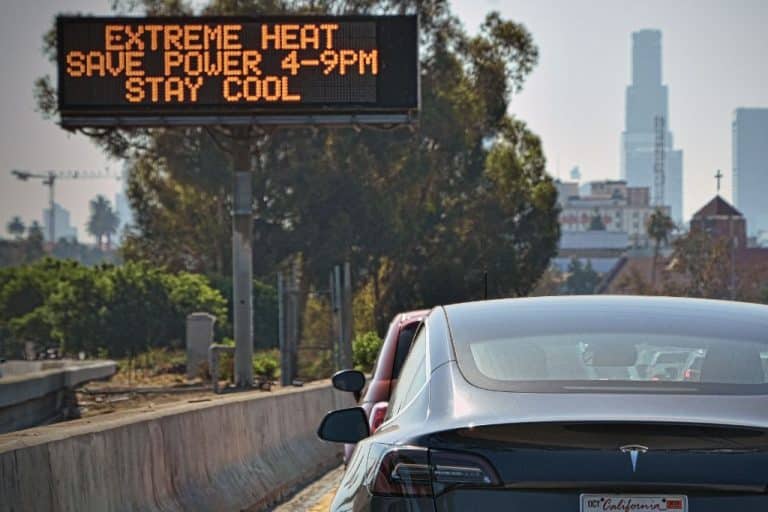
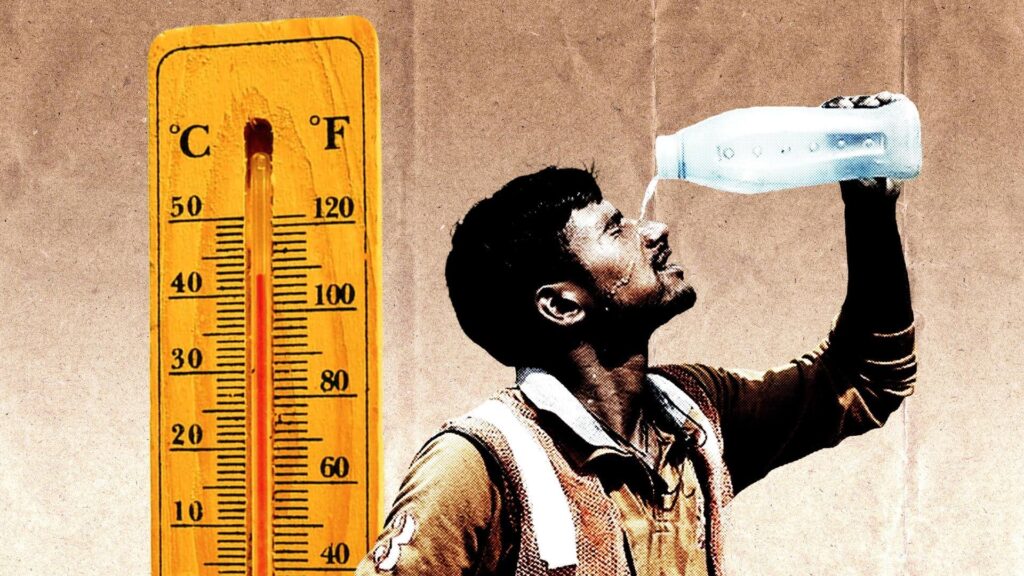
Heatwaves increase mortality risk, particularly among the elderly and outdoor workers. Changing vector distributions raise the incidence of diseases like malaria and dengue. Food‑production stress from droughts and heat reduces crop yields, exacerbating food insecurity in vulnerable regions.
Economic and Infrastructure Impacts
Coastal flooding damages property, reduces tourism revenue, and requires costly protective infrastructure. Extreme weather events raise insurance premiums and disrupt supply chains. Adaptation investments, estimated by the World Bank at $140 billion per year by 2030, are needed to safeguard critical services.
Regional Differences
Arctic regions warm at more than twice the global average, accelerating permafrost thaw and sea‑ice loss. Small island developing states face sea‑level rise that threatens entire nations, with projected land loss of up to 30 % by 2100 under high‑emission scenarios. Sub‑Saharan Africa experiences heightened drought frequency, stressing water resources and agriculture. Conversely, some high‑latitude areas may see longer growing seasons, but gains are often offset by pest pressures and ecosystem disruption.
What Scientists Know With High Confidence
- Atmospheric concentrations of CO₂, CH₄ and N₂O have risen sharply due to human activities since the Industrial Revolution.
- The majority of observed global warming since the mid‑20th century is attributable to these anthropogenic emissions.
- Warming is linked to increased frequency and intensity of heatwaves, heavy precipitation events and coastal flooding.
- Sea‑level rise is occurring and will continue as thermal expansion and ice‑mass loss persist.
What Remains Uncertain
Key uncertainties include the magnitude of future methane releases from thawing permafrost, the exact climate sensitivity (the temperature response to a doubling of CO₂), and regional precipitation changes in monsoon‑dependent areas. These gaps stem from limited long‑term observations, complex feedback interactions and divergent model representations. Improving satellite monitoring, expanding ground‑based networks and refining Earth‑system models will reduce these uncertainties over the coming decades.
Common Misconceptions
Misconception: “Global warming is just a natural cycle.”
Reality: While natural climate variability exists, the rapid temperature rise of the past century aligns closely with the unprecedented increase in greenhouse‑gas concentrations, a pattern confirmed by multiple attribution studies.
Misconception: “A few hot days prove global warming isn’t real.”
Reality: Climate refers to long‑term averages; single weather events do not disprove trends. Statistical analyses show that the probability of extreme heat events has increased significantly.
Misconception: “Only the polar regions are affected.”
Reality: All climate zones experience impacts—heat stress in cities, altered rainfall in agriculture, and rising sea levels that affect coastal communities worldwide.
Misconception: “Planting trees alone will solve the problem.”
Reality: Reforestation helps sequester carbon but cannot offset continued high emissions; it must be combined with rapid decarbonization of energy and industry.
Solutions and Limitations
Effective responses fall into mitigation (reducing greenhouse‑gas sources) and adaptation (preparing for unavoidable impacts).
- Renewable Energy Transition: Solar, wind and hydro power can replace fossil fuels, but integration challenges, intermittency and upfront capital costs limit speed of deployment.
- Carbon Pricing: Emissions trading or carbon taxes incentivize low‑carbon choices; however, political acceptance and equity concerns can hinder implementation.
- Energy Efficiency: Upgrading buildings and industry reduces demand, yet retrofitting older stock can be costly and logistically complex.
- Reforestation and Afforestation: Expands carbon sinks, but land‑use competition and long growth times constrain immediate impact.
- Adaptation Infrastructure: Sea‑walls, flood‑resilient housing and drought‑tolerant crops protect communities, but they require substantial investment and may not be feasible for low‑income regions without external support.
- Research and Development: Emerging technologies such as direct air capture hold promise, yet they remain energy‑intensive and expensive at scale.
What Individuals, Communities, and Governments Can Do
What Individuals Can Do
Choose low‑carbon transportation (public transit, cycling), improve home energy efficiency (insulation, LED lighting), reduce meat consumption, and support policies that promote renewable energy through voting and advocacy.
What Communities and Organizations Can Do
Implement local renewable projects, develop climate‑resilient land‑use plans, create community gardens with drought‑tolerant species, and provide educational programs that build climate literacy.
What Governments Can Do
Set ambitious, legally binding emissions targets; phase out coal subsidies; invest in public transit and grid modernization; enforce building codes that require energy efficiency; fund climate‑research and early‑warning systems; and ensure adaptation financing reaches vulnerable populations.
What Businesses and Industries Can Do
Adopt science‑based emissions reduction targets, disclose climate risks, shift to circular‑economy practices, and invest in low‑carbon technologies throughout supply chains.
Closing Synthesis
Global warming is a well‑documented, human‑driven increase in Earth’s average temperature that reshapes weather, ecosystems and societies. Robust evidence from temperature records, satellite observations and climate‑model attribution confirms the central role of greenhouse‑gas emissions. While the magnitude of some regional impacts and feedbacks remains uncertain, the high‑confidence findings provide a clear basis for action. Mitigation and adaptation strategies—each with strengths and trade‑offs—must be pursued together, guided by equitable policies and informed citizen participation. By understanding the science, acknowledging uncertainties, and acting on proven solutions, readers can contribute to a more resilient future.
Frequently Asked Questions
What is global warming?
Global warming is the long‑term increase in Earth’s average surface temperature caused primarily by human emissions of greenhouse gases such as carbon dioxide, methane and nitrous oxide.
How do greenhouse gases cause the planet to warm?
Greenhouse gases absorb infrared radiation emitted by Earth’s surface and re‑radiate it back downward, trapping heat in the lower atmosphere and raising global average temperatures.
What evidence shows that humans are the main driver of recent warming?
Multiple lines of evidence—including instrumental temperature records, satellite observations, ice‑core data, and model attribution studies—demonstrate that over 95 % of warming since the mid‑20th century is linked to anthropogenic greenhouse‑gas emissions.
What are the most effective ways for an individual to reduce their carbon footprint?
The most impactful personal actions are using low‑carbon transportation, improving home energy efficiency, reducing meat consumption, and supporting climate‑friendly policies through voting and advocacy.
How does global warming affect different regions around the world?
Warming is faster in the Arctic, leading to rapid ice loss; low‑lying islands face sea‑level rise that threatens their existence; while many tropical and subtropical regions experience more intense heatwaves, droughts and altered rainfall patterns.






Leave a Comment