

Air conditioners increase global warming by consuming electricity from fossil‑fuel grids and leaking high‑potency refrigerants, but energy‑efficient technologies, smarter use, and supportive policies can cut their climate impact.
Quick Answer
Air‑conditioning systems cool indoor spaces by moving heat outdoors, a process that requires electricity—most of which is still generated from carbon‑intensive sources. In addition, many units contain hydrofluorocarbon (HFC) refrigerants that have global warming potentials thousands of times higher than carbon dioxide. The combination of high electricity demand and HFC emissions makes air conditioning a notable contributor to climate change. While the exact contribution varies by region and energy mix, the overall trend is a rising share of global CO₂ emissions, especially in rapidly urbanising hot climates. Reducing this impact calls for more efficient hardware, low‑global‑warming‑potential refrigerants, renewable electricity, and behavioral changes.
Key Takeaways
- Air‑conditioning electricity demand grew by about 12% per year globally between 2010 and 2020 (IEA, 2022).
- Older HFC refrigerants can be up to 4,000 times more potent than CO₂ over a 100‑year horizon.
- Energy‑efficient units and renewable power can cut cooling‑related emissions by 30‑50% in many regions.
- Passive design, shading, and community cooling centers reduce the need for individual AC use.
- Policy incentives, refrigerant phase‑downs, and standards accelerate the transition to low‑impact cooling.
What Is Air‑Conditioner‑Related Global Warming?
The phrase refers to the greenhouse‑gas emissions that arise directly from operating air‑conditioning equipment and indirectly from the electricity that powers it. It encompasses two main pathways: (1) the combustion of fossil fuels at power plants that generate the electricity, and (2) the release of refrigerants—particularly HFCs—during manufacture, leaks, maintenance, or end‑of‑life disposal. The term differs from general building‑energy use because it isolates the cooling sector, which is projected to become the fastest‑growing end‑use of electricity by 2050 (IEA, 2023).
How Does It Work?
Air‑conditioners operate on a thermodynamic cycle that moves heat from an indoor space to the outdoors. The process involves three key steps:
- Compression: A compressor raises the pressure and temperature of the refrigerant gas.
- Condensation: The hot, high‑pressure gas releases heat to the outdoor environment and condenses into a liquid.
- Expansion and Evaporation: The liquid expands, cooling rapidly; it then absorbs indoor heat as it evaporates, completing the cycle.
Each cycle consumes electrical power to drive the compressor and fans. Simultaneously, the refrigerant circulates within a sealed system. If the system leaks—a common occurrence—refrigerant escapes into the atmosphere, where its high global warming potential (GWP) contributes directly to radiative forcing.
What Does the Evidence Show?
Multiple lines of evidence confirm that cooling contributes a growing share of anthropogenic greenhouse‑gas emissions. The International Energy Agency’s annual World Energy Outlook (2022) attributes roughly 3% of global CO₂ emissions to residential and commercial air‑conditioning, a share that could rise to 10% by 2050 under a high‑growth scenario. Monitoring by the United Nations Framework Convention on Climate Change (UNFCCC) shows that HFC emissions increased by 30% between 2015 and 2020, largely driven by cooling demand. Peer‑reviewed life‑cycle assessments (e.g., Zhou et al., 2021, *Energy & Environmental Science*) demonstrate that, for a typical split‑system unit, the electricity‑related emissions dominate the total climate impact, while refrigerant leaks add a smaller yet non‑negligible fraction.
Main Causes or Drivers
Direct Causes
- Electricity consumption of AC units, especially in regions powered by coal or natural‑gas plants.
- Leakage of high‑GWP refrigerants during operation, servicing, or disposal.
Underlying Drivers
- Rising global temperatures and heat‑wave frequency, which increase cooling demand (IPCC, 2023).
- Urban heat‑island effect that amplifies outdoor temperatures in cities.
- Economic growth and increased indoor comfort expectations, especially in emerging economies.
- Building stock that lacks passive cooling design, leading to reliance on mechanical AC.
Environmental and Human Impacts
Environmental Impacts
Higher electricity demand raises CO₂ concentrations, contributing to climate change, sea‑level rise, and altered precipitation patterns. HFC releases add directly to radiative forcing; a single kilogram of R‑410A (GWP ≈ 2,090) has the same warming effect as over two metric tonnes of CO₂ over 100 years. These emissions also affect stratospheric ozone indirectly through climate‑driven changes in atmospheric circulation.
Human Health and Social Impacts
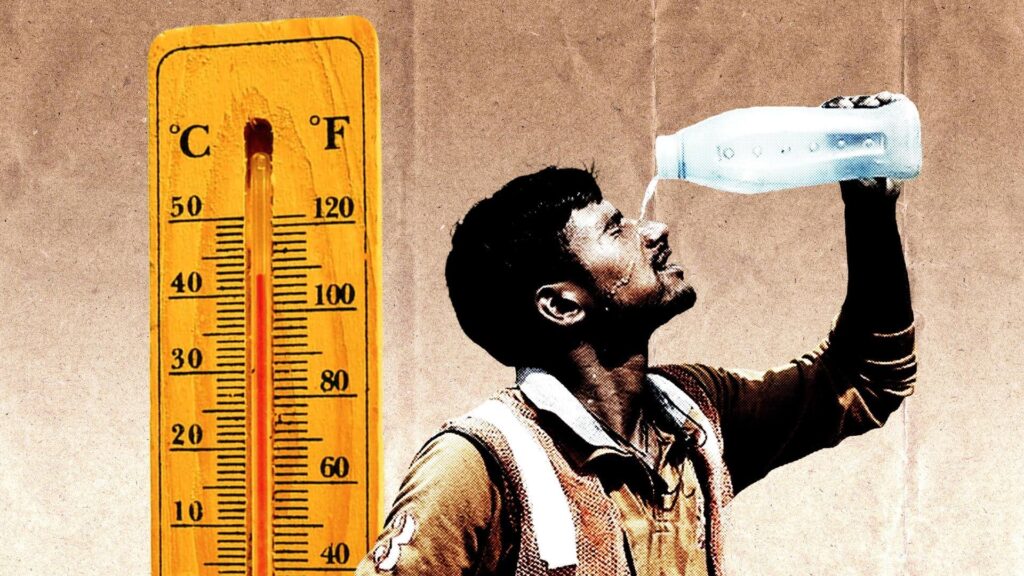
Elevated ambient temperatures increase heat‑related mortality, especially among older adults and outdoor workers. While AC provides life‑saving relief during extreme heat, its widespread use can exacerbate energy poverty when households cannot afford higher electricity bills. Moreover, HFCs are chemically inert and do not pose direct toxicity, but the associated climate impacts can worsen air‑quality problems, indirectly affecting respiratory health.
Economic and Infrastructure Impacts
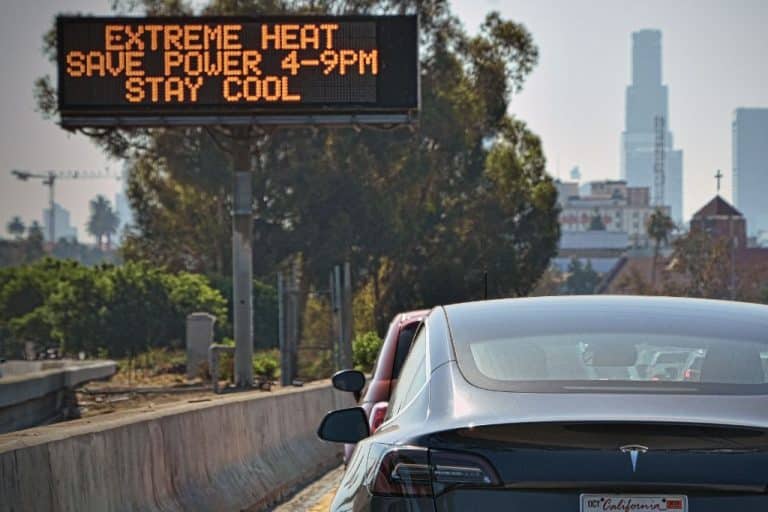
Utilities face peak‑load stress during heat waves, often requiring expensive peaker plants or grid upgrades. In regions with unreliable grids, increased AC use can lead to blackouts, compromising both comfort and critical services.
Regional Differences
In South‑East Asia, rapid urbanisation and tropical climates have driven a 25‑fold increase in AC sales since 2000 (IEA, 2022). Here, electricity grids remain coal‑heavy, magnifying emissions. In contrast, many European nations have higher renewable shares, so the same cooling demand results in lower per‑unit CO₂ emissions. In arid regions such as the Middle East, the prevalence of district‑cooling and strict building codes mitigates individual AC use, but the overall energy intensity remains high.
What Scientists Know With High Confidence
- Electricity used for cooling contributes a growing share of global CO₂ emissions.
- HFC refrigerants have high global warming potentials and are a significant source of short‑lived climate forcers.
- Improving energy‑efficiency of AC units can reduce cooling‑related emissions by at least 30%.
- Urban heat islands increase the need for mechanical cooling, creating a feedback loop.
What Remains Uncertain
Key uncertainties include the future trajectory of electricity‑grid decarbonisation in fast‑growing economies, the real‑world leak rates of next‑generation low‑GWP refrigerants, and the socioeconomic factors that influence household adoption of efficient technologies. Better long‑term monitoring of HFC emissions and more granular data on building‑stock cooling characteristics are needed to refine projections.
Common Misconceptions
Misconception: Turning the thermostat a few degrees lower saves a lot of energy.
Reality: Small thermostat adjustments do reduce electricity use, but the savings are modest (typically 3‑5% per degree) and must be combined with efficient equipment for meaningful impact.
Misconception: All refrigerants are equally harmful.
Reality: Newer refrigerants such as hydrofluoroolefins (HFOs) have GWP values below 10, dramatically lower than legacy HFCs, making them far less climate‑active.
Misconception: Air‑conditioning is the only way to stay safe during heat waves.
Reality: Passive cooling strategies—shade, ventilation, reflective roofing, and community cooling centers—can provide substantial relief and reduce reliance on mechanical AC.
Solutions and Limitations
Effective responses span technology, policy, and behavior:
- Energy‑efficient hardware: Variable‑speed compressors and higher SEER ratings cut electricity use, but higher upfront costs can deter adoption.
- Low‑GWP refrigerants: Switching to HFOs or natural refrigerants (e.g., CO₂, ammonia) reduces direct emissions, yet some alternatives require new safety standards or have higher operating pressures.
- Renewable electricity: Pairing AC units with rooftop solar can offset grid emissions, though storage and grid‑integration challenges persist.
- Building design: Passive cooling lowers demand but may be constrained by dense urban sites or heritage building codes.
- Policy instruments: Rebates, minimum‑efficiency standards, and phasedown schedules for HFCs (as in the Kigali Amendment) drive market change, yet enforcement varies across jurisdictions.
What Individuals, Communities, and Governments Can Do
What Individuals Can Do
- Set thermostats 2‑3 °C higher during non‑peak hours and use fans to circulate air.
- Maintain equipment—clean filters, seal ducts, and schedule professional leak checks.
- Upgrade to ENERGY STAR‑rated units when replacement is needed.
- Install window shading, reflective films, or awnings to reduce solar gain.
What Communities and Organizations Can Do
- Develop shared cooling centers powered by renewable energy for vulnerable populations.
- Promote green roofs and urban trees to mitigate heat‑island effects.
- Adopt building‑code incentives for passive‑cooling designs in new construction.
What Governments Can Do
- Implement and regularly tighten minimum‑efficiency standards for AC units.
- Provide financial incentives for retrofitting existing buildings with efficient or low‑GWP systems.
- Phase down high‑GWP HFCs in line with the Kigali Amendment schedule.
- Invest in grid decarbonisation and renewable‑energy subsidies to ensure clean power for cooling.
Closing Synthesis
Air‑conditioning is a double‑edged sword: it protects people from dangerous heat while simultaneously adding greenhouse gases through electricity use and refrigerant leaks. High‑confidence research shows that both pathways are real and growing, especially in hot, rapidly urbanising regions. Uncertainties remain around future energy mixes and the performance of emerging low‑GWP refrigerants, but the direction of needed action is clear. By combining efficient technologies, renewable electricity, smarter building design, and supportive policies, societies can retain the comfort of cooling without locking in additional climate warming.
Frequently Asked Questions
How do air conditioners contribute to greenhouse‑gas emissions?
Air conditioners emit greenhouse gases in two ways: the electricity they consume often comes from fossil‑fuel power plants, and many units use HFC refrigerants that have very high global warming potentials and can leak into the atmosphere.
What is the global warming potential (GWP) of common HFC refrigerants?
HFCs such as R‑410A have a GWP of about 2,090, meaning one kilogram of this refrigerant traps roughly 2,090 times more heat than the same mass of carbon dioxide over a 100‑year period.
Can using a higher thermostat setting significantly reduce energy use?
Raising the thermostat by one degree typically cuts air‑conditioning electricity demand by about 3‑5%; larger adjustments and complementary measures like fans or shading increase savings further.
What are low‑GWP alternatives to traditional HFCs?
Low‑GWP refrigerants include hydrofluoroolefins (HFOs) with GWPs below 10, as well as natural refrigerants such as carbon dioxide, ammonia, or propane, which have minimal climate impact when used safely.
How can governments accelerate the transition to climate‑friendly cooling?
Governments can tighten minimum‑efficiency standards, offer rebates for high‑efficiency or low‑GWP units, phase down HFCs under the Kigali Amendment, and invest in renewable‑energy infrastructure to supply clean power for cooling.





Leave a Comment