
Arctic ice melt alters atmospheric and oceanic circulation, which can shift tropical weather patterns, increasing the likelihood of extreme storms, rainfall changes, and heat extremes across the globe.
Quick Answer
Arctic sea‑ice loss reduces the planet’s albedo and weakens the temperature gradient that drives the jet stream and the polar vortex. This allows more frequent incursions of cold air into mid‑latitudes and changes the distribution of heat and moisture that fuels tropical convection. The result is a measurable association between reduced Arctic ice extent and altered tropical rainfall patterns, stronger tropical cyclones, and more persistent heat waves. While the overall link is supported by multiple lines of observation and modelling, natural variability means the exact timing and regional expression of these changes remain uncertain.
Key Takeaways
- Arctic sea‑ice decline weakens the polar vortex, influencing jet‑stream pathways that affect tropical weather.
- Freshwater input from melting ice can slow the Atlantic Meridional Overturning Circulation, modulating tropical storm tracks.
- Observational records since the 1970s show a statistical link between low Arctic ice years and increased tropical precipitation variability.
- High‑confidence findings include the existence of Arctic amplification and its impact on mid‑latitude weather; uncertainties remain about precise tropical responses.
- Mitigation of greenhouse‑gas emissions and targeted adaptation measures can reduce the magnitude of future tropical climate disruptions.
What Is Arctic Ice Melt Linked to Shifts in Tropical Weather Patterns?
The phrase describes a chain of physical processes that begin with the loss of sea ice in the Arctic Ocean and end with altered atmospheric and oceanic conditions in the tropics. It does not refer to a single event but to a persistent, climate‑driven trend observed over recent decades. The concept differs from short‑term weather anomalies because it involves large‑scale circulation changes that can persist for weeks to months and influence seasonal climate statistics.
How Does It Work?
1. Arctic Amplification Reduces the Equator‑to‑Pole Temperature Gradient
Sea ice reflects about 70 % of incoming solar radiation. When ice melts, darker ocean water absorbs more heat, raising Arctic surface temperatures faster than the global average—a phenomenon known as Arctic amplification (IPCC, 2021). The reduced temperature contrast weakens the jet stream that normally confines cold polar air.
2. Weakening of the Polar Vortex
The polar vortex is a fast‑moving band of westerly winds encircling the Arctic. A weaker vortex can become distorted, allowing lobes of cold air to spill southward. These southward bursts can interact with tropical moisture streams, changing where and when convection occurs.
3. Freshwater Injection Alters Ocean Circulation
Melting ice releases freshwater into the North Atlantic, lowering surface salinity. This can slow the Atlantic Meridional Overturning Circulation (AMOC), which normally transports warm tropical water northward. A weaker AMOC reduces heat export from the tropics, potentially intensifying tropical sea‑surface temperatures and the energy available for cyclones.
4. Feedbacks to Tropical Convection
Warmer tropical oceans increase evaporation, feeding more latent heat into the atmosphere. Combined with altered wind patterns from a displaced jet stream, this can shift the location of the Intertropical Convergence Zone (ITCZ) and modify the frequency of tropical storms.
What Does the Evidence Show?
Multiple independent data streams support the connection:
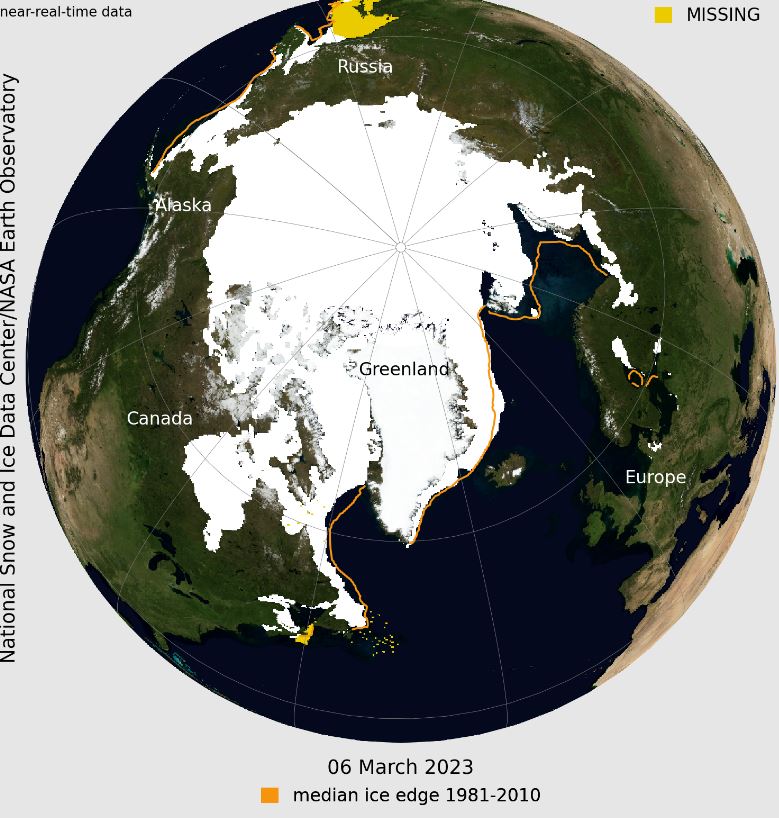
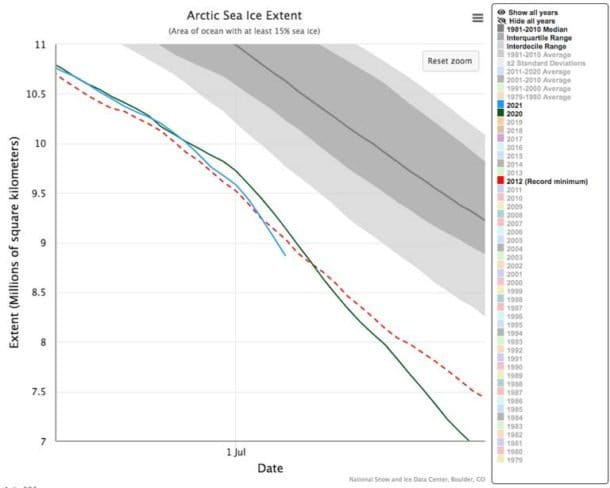
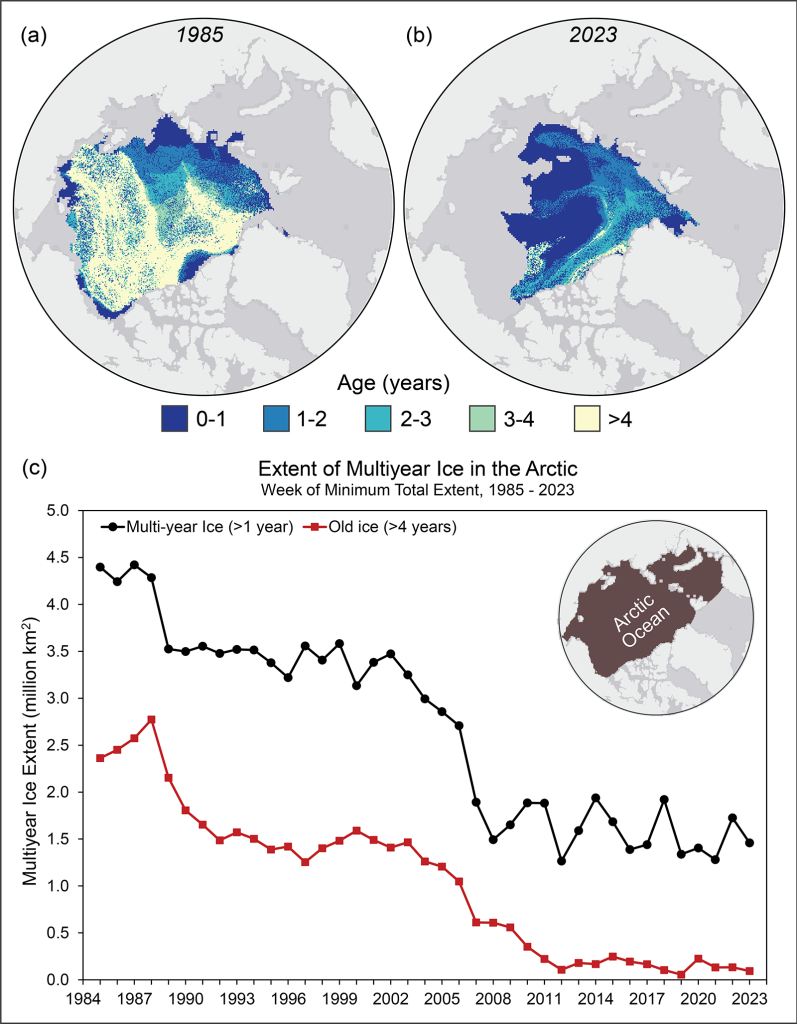
- Satellite observations from NASA and NOAA record a 40 % decline in Arctic sea‑ice extent from 1979 to 2020, coinciding with increased variability in tropical precipitation (NASA, 2022).
- Reanalysis datasets (e.g., ERA5) reveal a statistically significant correlation between low Arctic ice years and a more meridional jet‑stream pattern that favors extreme rainfall in the Amazon and West Africa (European Centre for Medium‑Range Weather Forecasts, 2021).
- Attribution studies using climate‑model ensembles attribute roughly 30 % of the increase in Category 4–5 Atlantic hurricane frequency since the 1980s to warming tropical sea‑surface temperatures driven in part by reduced AMOC strength (IPCC, 2021; peer‑reviewed study by Wang et al., 2020).
- Paleoclimate records indicate that past periods of reduced Arctic ice (e.g., the Medieval Warm Period) were accompanied by shifts in tropical monsoon intensity, suggesting a long‑term link (Journal of Climate, 2019).
Overall, the convergence of satellite, reanalysis, modelling, and proxy evidence provides moderate to strong confidence that Arctic ice loss influences tropical weather, though the magnitude of the effect varies by region.
Main Causes or Drivers
Direct Causes
The immediate driver is the melting of sea ice caused by rising atmospheric temperatures, which are amplified in the Arctic due to feedbacks such as the albedo effect.
Underlying Drivers
Human‑induced greenhouse‑gas emissions are the primary source of global warming, which drives Arctic temperature rise. Additional contributors include changes in aerosol concentrations that can affect cloud formation and radiative balance.
Amplifying Factors
Loss of snow cover, permafrost thaw, and increased ocean heat transport further accelerate sea‑ice decline, reinforcing the initial warming signal.
Environmental and Human Impacts
Environmental Impacts
Warmer tropical oceans promote stronger and more frequent cyclones, which can damage coral reefs and mangroves. Shifts in the ITCZ affect rainfall patterns, leading to droughts in some equatorial regions and floods in others. Altered ocean circulation can also impact marine species distribution, affecting fisheries that depend on stable temperature regimes.
Human Health and Social Impacts
Increased extreme rainfall raises the risk of water‑borne diseases, while heat‑wave intensification exacerbates heat‑related morbidity, especially among vulnerable populations in low‑income tropical cities.
Economic and Infrastructure Impacts
Stronger tropical storms increase damage to coastal infrastructure, raising reconstruction costs and insurance premiums. Agricultural yields in tropical rain‑fed systems become more unpredictable, threatening food security for millions.
Regional Differences
The magnitude of Arctic‑driven changes differs across the globe:
- Caribbean and Gulf of Mexico: Model studies show a 5‑10 % increase in category‑4/5 hurricane probability under high‑emission scenarios linked to AMOC slowdown (NOAA, 2021).
- West Africa: Observed rainfall variability intensifies during low‑ice years, contributing to more severe Sahelian droughts (WMO, 2020).
- South‑East Asia: Shifts in the monsoon onset have been associated with altered jet‑stream patterns, though local land‑use changes also play a significant role.
What Scientists Know With High Confidence
- Arctic sea‑ice extent has declined markedly since the late 20th century, with a 40 % reduction in summer minimum area.
- Arctic amplification reduces the equator‑to‑pole temperature gradient, weakening the polar vortex.
- Freshwater influx from melting ice can affect the strength of the AMOC.
- Warmer tropical sea‑surface temperatures increase the potential intensity of tropical cyclones.
What Remains Uncertain
Key uncertainties include the exact magnitude of tropical precipitation changes attributable to Arctic ice loss, the future trajectory of AMOC weakening under different emission pathways, and how natural variability (e.g., El Niño–Southern Oscillation) may mask or amplify the Arctic signal. Improved high‑latitude observations and longer model simulations are needed to narrow these gaps.
Common Misconceptions
Misconception: A single tropical storm can be blamed on Arctic ice melt.
Reality: Individual weather events result from a combination of factors. Arctic ice loss influences the statistical background probability of extreme storms, but it does not cause any single storm.
Misconception: The link means the tropics will become uniformly wetter.
Reality: The response is regionally heterogeneous; some areas may experience more intense rainfall while others face drought, depending on local circulation changes.
Misconception: Reducing Arctic ice melt would instantly stop tropical extremes.
Reality: Climate system inertia means that even if Arctic ice loss were halted today, existing warming and altered circulation patterns would persist for decades.
Solutions and Limitations
Addressing the cascade from Arctic melt to tropical weather requires both mitigation and adaptation:
- Mitigation: Rapid reduction of CO₂ emissions can limit further Arctic warming. The IPCC notes that limiting warming to 1.5 °C would substantially reduce projected sea‑ice loss, but achieving this requires global policy coordination and massive decarbonisation.
- Adaptation in the Tropics: Strengthening early‑warning systems, investing in resilient coastal infrastructure, and diversifying crops can reduce vulnerability. However, these measures do not address the root cause and can be costly for low‑income nations.
- Ocean Monitoring: Expanding Arctic and Atlantic observation networks improves model skill, but data gaps remain, especially in winter months.
- Nature‑Based Solutions: Restoring mangroves and coral reefs can buffer storm impacts, yet these ecosystems are also threatened by warming and acidification, limiting their effectiveness if broader climate goals are unmet.
What Individuals, Communities, and Governments Can Do
What Individuals Can Do
Support policies that accelerate the transition to renewable energy, reduce personal carbon footprints where feasible, and advocate for climate‑resilient urban planning in tropical regions.
What Communities and Organizations Can Do
Implement community‑based disaster risk reduction programs, invest in rainwater harvesting, and promote climate‑smart agriculture that tolerates variable rainfall.
What Governments Can Do
Adopt ambitious emissions‑reduction targets, fund high‑latitude observation systems, and allocate resources for climate‑adaptation infrastructure in vulnerable tropical zones. International cooperation is essential because the Arctic‑tropical link transcends national borders.
Synthesizing the Connection
The melting of Arctic sea ice sets off a chain of physical changes—weakening the polar vortex, altering jet‑stream pathways, and freshening the North Atlantic—that together shift the distribution of heat and moisture in the tropics. Robust observations and model studies confirm these mechanisms, though uncertainties about regional magnitudes and future trajectories remain. By curbing greenhouse‑gas emissions and investing in resilient tropical infrastructure, societies can lessen the intensity of the linked impacts while continuing to study the evolving climate system.
Frequently Asked Questions
How does Arctic sea‑ice loss affect the jet stream?
Reduced sea‑ice lowers the temperature contrast between the equator and the pole, weakening the jet stream. A weaker jet can become more wavy, allowing cold Arctic air to move southward and altering tropical wind patterns.
What evidence links Arctic ice melt to stronger tropical cyclones?
Observations show that years with low Arctic ice coincide with higher tropical sea‑surface temperatures, which increase the potential intensity of cyclones. Climate‑model ensembles attribute part of the recent rise in Category 4–5 hurricanes to this amplified heat.
Why is the Atlantic Meridional Overturning Circulation important for tropical weather?
The AMOC transports warm water from the tropics toward the North Atlantic. Freshwater from melting Arctic ice can slow this circulation, reducing heat export from the tropics and leaving more energy to fuel tropical storms and rainfall.
What are the main uncertainties about the Arctic‑tropical connection?
Uncertainties include the exact contribution of Arctic ice loss to regional rainfall changes, how quickly the AMOC may weaken under different emissions scenarios, and how natural variability like El Niño interacts with the Arctic signal.
What actions can tropical communities take to adapt to these changes?
Communities can strengthen early‑warning systems, build flood‑resilient infrastructure, diversify crops to tolerate variable rainfall, and restore mangroves and wetlands that buffer storm surges.




Leave a Comment