
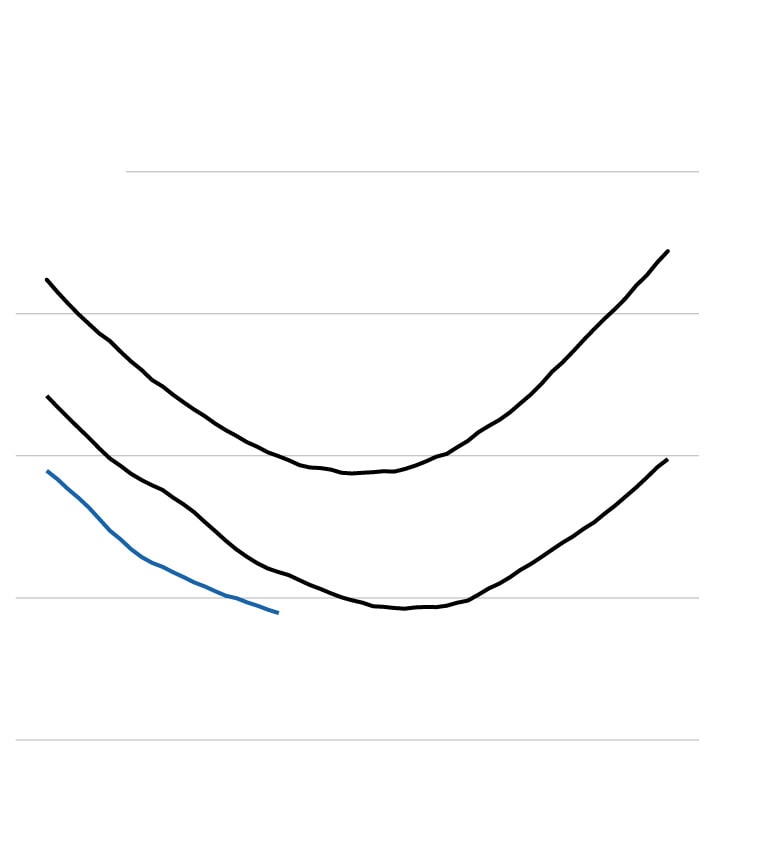
Antarctic sea ice reached a record‑low maximum extent in February 2024, a trend driven by warming oceans and atmospheric changes that threatens regional ecosystems, global climate regulation, and sea‑level rise.
Quick Answer
Antarctic sea‑ice maximum extent is the greatest area covered by sea ice each summer, typically measured in February. In 2024 the extent fell to 4.0 million square kilometres, the lowest value recorded since satellite monitoring began in 1979. The decline is linked to warmer ocean waters, altered wind patterns, and reduced sea‑ice formation, all tied to human‑driven greenhouse‑gas emissions. Scientists are confident that the trend reflects a broader warming of the Southern Ocean, but natural variability means exact yearly values can fluctuate.
Key Takeaways
- Maximum Antarctic sea‑ice extent hit a record low of 4.0 million km² in February 2024.
- Warming ocean waters and shifting winds are the primary physical drivers.
- Reduced ice limits habitat for krill, penguins, seals and influences global albedo.
- Sea‑ice loss contributes to sea‑level rise indirectly and can affect mid‑latitude weather patterns.
- High‑confidence findings include the link between greenhouse‑gas forcing and ocean warming; uncertainties remain around future ice‑edge dynamics.
- Mitigation of emissions and targeted Antarctic monitoring are essential actions.
What Is Antarctic Sea Ice Hits Record‑Low Maximum Extent Scientists Warn?
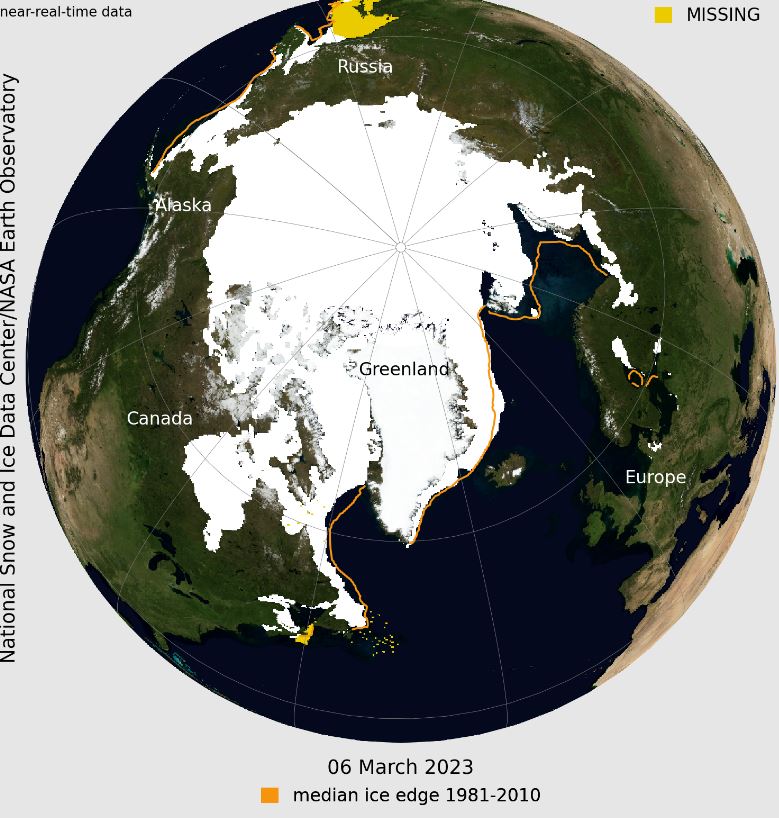
Antarctic sea ice is the floating layer of frozen seawater that forms around the continent each winter and retreats during the summer. “Maximum extent” refers to the largest area covered during a given year, usually observed in February. A “record‑low” maximum means the measured area is smaller than any previous year in the satellite record (1979‑present). This metric differs from “minimum extent” (the smallest summer coverage) and from the land‑based Antarctic ice sheet, which is a separate, much larger ice mass.
How Does It Work?
Physical Formation and Seasonal Cycle
- During the Antarctic winter, cold air cools the surface ocean, causing seawater to freeze and expand into sea ice.
- Sea ice grows outward from the coast, creating a seasonal cap that can reach over 18 million km².
- In summer, increased solar radiation and warmer winds melt the ice, reducing coverage to a minimum.
Key Drivers of Maximum Extent
- Ocean temperature: Warmer Southern Ocean waters inhibit new ice formation and melt existing ice from below.
- Wind patterns: Strengthened westerly winds (the Southern Annular Mode) push ice away from the continent, spreading it thinly and exposing it to melt.
- Atmospheric circulation: Changes in the polar vortex affect surface temperatures and cloud cover, altering heat exchange.
Feedback Loops
Reduced sea ice lowers the surface albedo (reflectivity), allowing more solar energy to be absorbed, which further warms the ocean—a positive feedback that can accelerate ice loss.
What Does the Evidence Show?
Long‑term satellite records from the National Snow and Ice Data Center (NSIDC) indicate a declining trend in Antarctic maximum extent of about 0.9 % per decade since 1979. The 2024 value of 4.0 million km² is 13 % below the 1981‑2010 average (4.6 million km²). Independent analyses by the Intergovernmental Panel on Climate Change (IPCC) AR6 report attribute the majority of this decline to anthropogenic greenhouse‑gas forcing, with high confidence (≥ 90 % probability). Attribution studies using coupled climate models show that, without human emissions, the observed decline would be statistically unlikely.
Main Causes or Drivers
Direct Causes
- Rising sea‑surface temperatures in the Southern Ocean, measured at +0.12 °C per decade (NOAA, 2023).
- Intensified westerly winds linked to the positive phase of the Southern Annular Mode.
Underlying Drivers
- Increasing atmospheric CO₂ concentrations, now exceeding 420 ppm, trap infrared radiation and raise global mean temperature.
- Loss of sea‑ice‑forming brine rejection, which reduces the formation of dense, cold water that would otherwise promote further freezing.
Environmental and Human Impacts
Environmental Impacts
- Ecosystem disruption: Krill, which feed on ice‑associated algae, depend on extensive sea ice. Declines in krill biomass have been documented in the Southern Ocean, threatening penguins, seals, and whales that rely on them.
- Albedo feedback: Less ice means lower reflectivity, contributing to additional regional warming.
- Ocean circulation: Freshwater input from melting ice can alter the formation of Antarctic Bottom Water, a key driver of global thermohaline circulation.
Human Health and Social Impacts
While Antarctic sea‑ice loss does not directly affect human health, its influence on global climate patterns can modify weather extremes in mid‑latitude regions, affecting agriculture, energy demand, and disaster risk. Moreover, rising sea levels, partly driven by ice‑sheet melt, threaten coastal communities worldwide.
Regional Differences
Sea‑ice trends are not uniform around the continent. The Ross Sea sector has shown modest increases, whereas the Amundsen and Bellingshausen seas have experienced the sharpest declines. These regional variations reflect local ocean currents, wind regimes, and bathymetry. Monitoring gaps remain in some remote sectors, limiting precise regional assessments.
What Scientists Know With High Confidence
- Human‑driven greenhouse‑gas emissions are the dominant factor behind long‑term warming of the Southern Ocean.
- Warmer ocean waters directly reduce the formation of new sea ice and increase basal melt.
- Loss of sea ice reduces albedo, creating a feedback that amplifies regional warming.
- Krill populations are closely linked to the extent and duration of sea‑ice cover.
What Remains Uncertain
Key uncertainties include the magnitude of future sea‑ice variability under different emission scenarios, the precise thresholds at which feedbacks become self‑reinforcing, and the regional response of marine ecosystems to rapid habitat change. Improved satellite coverage and autonomous ocean observations are needed to narrow these gaps.
Common Misconceptions
Misconception: Antarctic sea ice loss directly raises global sea level.
Reality: Sea ice is already floating; its melt does not add water volume. However, reduced sea ice can accelerate melting of the grounded Antarctic ice sheet, which does raise sea level.
Misconception: A single low‑extent year proves climate change.
Reality: One anomalous year is not proof, but the multi‑decadal downward trend, confirmed by multiple independent datasets, is consistent with climate‑change expectations.
Misconception: All Antarctic regions are losing sea ice at the same rate.
Reality: Some sectors, like the Ross Sea, have shown slight increases, while others have declined sharply; regional dynamics matter.
Solutions and Limitations
Addressing Antarctic sea‑ice loss requires both mitigation of global warming and targeted adaptation measures.
- Mitigation: Rapid reduction of CO₂ emissions can limit ocean warming. The limitation is the time lag between emission cuts and ocean temperature response, which can span decades.
- Enhanced Monitoring: Expanding satellite sensors and deploying autonomous underwater vehicles improve data quality. Funding and harsh conditions limit coverage.
- Ecosystem Conservation: Establishing marine protected areas can safeguard krill‑dependent species, but protection does not stop physical ice loss.
- International Policy: The Antarctic Treaty System can coordinate research and limit activities that exacerbate warming, yet enforcement relies on member cooperation.
What Individuals, Communities, and Governments Can Do
What Individuals Can Do
- Support policies that price carbon and accelerate renewable‑energy deployment.
- Reduce personal carbon footprints by using public transport, improving home energy efficiency, and choosing low‑carbon diets.
- Engage in citizen‑science programs that collect sea‑ice observations (e.g., IceWatch).
What Communities and Organizations Can Do
- Advocate for local climate‑action plans that align with the Paris Agreement goals.
- Partner with research institutions to host outreach events about polar science.
- Invest in climate‑resilient infrastructure that accounts for sea‑level rise linked to Antarctic ice‑sheet melt.
What Governments Can Do
- Implement and strengthen nationally determined contributions (NDCs) to limit warming to 1.5 °C.
- Fund long‑term Antarctic monitoring programs, such as the International Partnership for the Polar Observation Network.
- Integrate sea‑ice projections into coastal‑risk assessments and disaster‑risk reduction strategies.
Synthesis
The 2024 record‑low maximum extent of Antarctic sea ice reflects a robust, warming‑driven signal that is altering regional ecosystems and influencing global climate feedbacks. High‑confidence science links the trend to greenhouse‑gas emissions, while uncertainties remain around future variability and ecosystem responses. Mitigation of emissions, expanded monitoring, and protective governance together offer the most effective pathway to preserve Antarctic sea ice and the services it provides.
Frequently Asked Questions
What is meant by "maximum extent" of Antarctic sea ice?
Maximum extent is the largest area covered by Antarctic sea ice in a given year, usually measured in February, and is used to track seasonal and long‑term changes.
Why did Antarctic sea ice reach a record low in 2024?
The record low was caused mainly by warmer Southern Ocean waters and stronger westerly winds, both of which are linked to rising greenhouse‑gas concentrations.
How does reduced sea ice affect Antarctic wildlife?
Less sea ice limits the growth of ice‑associated algae that feed krill; declining krill populations reduce food for penguins, seals, and whales that depend on them.
Does Antarctic sea‑ice loss raise global sea levels directly?
No. Floating sea ice melting does not add water volume, but the loss can accelerate melting of the grounded ice sheet, which does contribute to sea‑level rise.
What actions can help slow Antarctic sea‑ice decline?
Rapid reduction of CO₂ emissions, expanded monitoring, marine protected areas, and strong international climate policies are the most effective actions to address the decline.




Leave a Comment