
Glaciers have been shrinking since the mid‑19th century because rising global temperatures, amplified by human activities and natural feedbacks, drive melt faster than accumulation, threatening water supplies and sea‑level stability.
Quick Answer
Glacier retreat since 1850 is primarily driven by sustained warming of the Earth’s climate, a trend linked to increased greenhouse‑gas concentrations from fossil‑fuel combustion, deforestation, and land‑use change. Higher air and ocean temperatures melt ice faster than snowfall can replenish it, while feedbacks such as reduced surface albedo accelerate the process. The most important implication is a loss of freshwater storage and contribution to sea‑level rise, although the exact rate varies by region and local climate conditions. Uncertainty remains about the timing of thresholds for individual glacier systems.
Key Takeaways
- Global mean surface temperature has risen about 1.1 °C since the late 19th century, driving widespread glacier melt.
- Human‑induced greenhouse‑gas emissions are the dominant driver of long‑term warming, while natural variability modulates short‑term trends.
- Albedo feedback, oceanic heat transport, and changing precipitation patterns amplify glacier loss.
- Retreat affects freshwater availability, sea‑level rise, and downstream ecosystems, with impacts differing across regions.
- High‑confidence findings include the link between temperature rise and glacier mass loss; major uncertainties involve regional response thresholds and future emission pathways.
What Is Why Glaciers Have Been Retreating Since 1850?
The phrase describes the long‑term, observable reduction in the extent and volume of glaciers worldwide beginning around 1850, the onset of the industrial era. Glaciers are large, persistent bodies of ice that flow under their own weight; they act as natural reservoirs, releasing meltwater seasonally. The term differs from short‑term snowline fluctuations because it refers to a sustained, multi‑decadal trend rather than isolated weather events.
How Does It Work?
1. Energy Balance Shift
Glaciers lose mass when the energy they receive (solar radiation, sensible and latent heat) exceeds the energy they lose through longwave radiation and sublimation. Rising atmospheric temperatures increase the net energy gain, accelerating melt.
2. Albedo Feedback
Ice reflects a high proportion of sunlight (albedo ≈ 0.6–0.9). As ice retreats, darker rock and soil are exposed, lowering surface albedo and absorbing more solar energy, which further speeds melt—a self‑reinforcing loop.
3. Oceanic Heat Intrusion
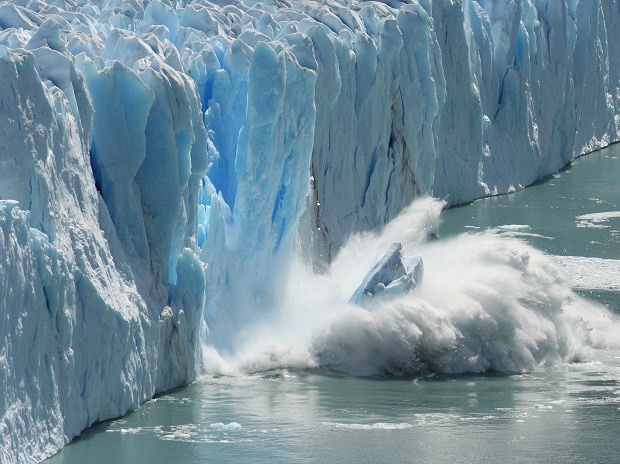
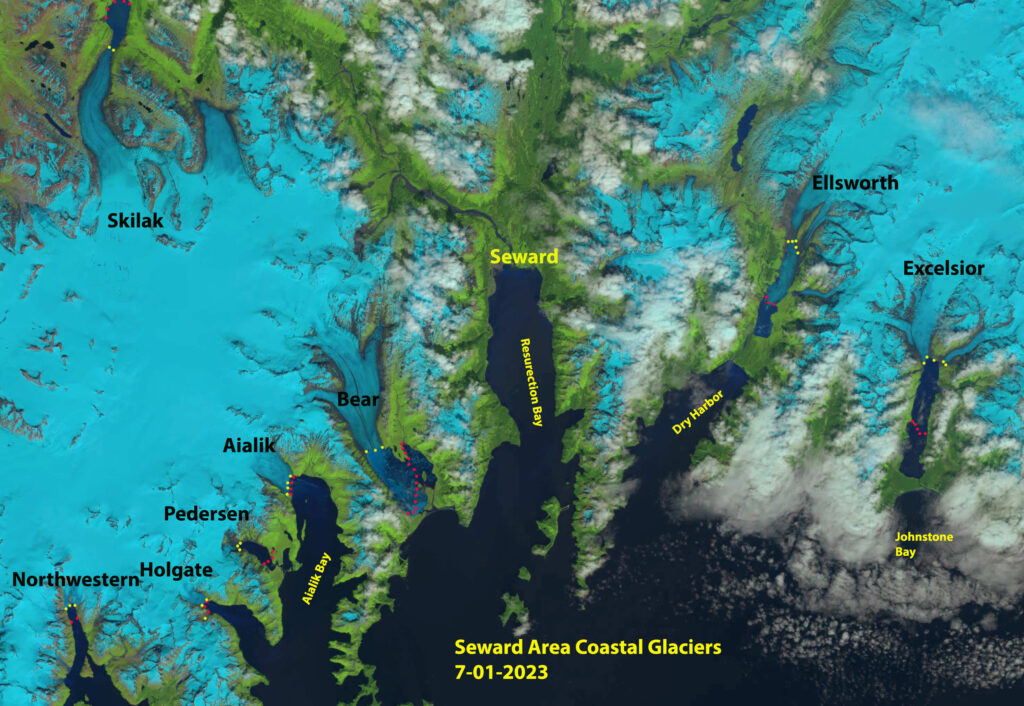
Coastal glaciers in places such as Alaska and Patagonia are in direct contact with warming ocean waters. Increased ocean heat flux melts glacier termini from below, a process documented by satellite and in‑situ measurements.
4. Precipitation Changes
Warmer air holds more moisture, potentially altering snowfall patterns. In many mountain ranges, precipitation shifts from snow to rain, reducing accumulation and enhancing melt.
What Does the Evidence Show?
Long‑term monitoring by national agencies (e.g., NOAA, European Environment Agency) and remote‑sensing programs (e.g., NASA’s GRACE satellite) consistently record declining glacier mass worldwide. A 2021 IPCC assessment report states that 89 % of the world’s glaciers have lost mass since 1961, with the average rate of loss increasing in the last two decades.
Field studies in the Himalayas, the Alps, the Andes, and the Rocky Mountains report glacier length reductions ranging from 10 % to over 80 % of their 19th‑century extents. Ice‑core records and historic photographs provide a pre‑industrial baseline, confirming that the observed retreat exceeds natural variability documented over the past several millennia.
Main Causes or Drivers
Direct Causes
- Atmospheric warming – Global mean temperature rise increases melt rates directly.
- Ocean warming – Raises basal melt for tide‑water glaciers.
Underlying Drivers
- Greenhouse‑gas emissions – CO₂ concentrations have risen from ~280 ppm in 1850 to over 420 ppm in 2023, enhancing the greenhouse effect.
- Land‑use change – Deforestation and urban expansion modify local albedo and surface heat fluxes.
Amplifying Factors
- Albedo reduction – Exposed rock absorbs more solar radiation.
- Atmospheric circulation shifts – Phenomena such as El Niño can temporarily increase regional temperatures and reduce snowfall.
Environmental and Human Impacts
Environmental Impacts
- Sea‑level rise: Melting glaciers contributed about 0.4 mm per year to global sea level between 2000–2020 (IPCC, 2021).
- Hydrological changes: Reduced summer meltwater affects river flow regimes, threatening aquatic habitats.
- Ecosystem shifts: Alpine flora and fauna that depend on consistent meltwater experience habitat loss.
Human Health and Social Impacts
- Water security: Communities in the Andes, Himalaya, and Central Asia rely on glacier melt for irrigation and drinking water; reduced flow increases competition for scarce resources.
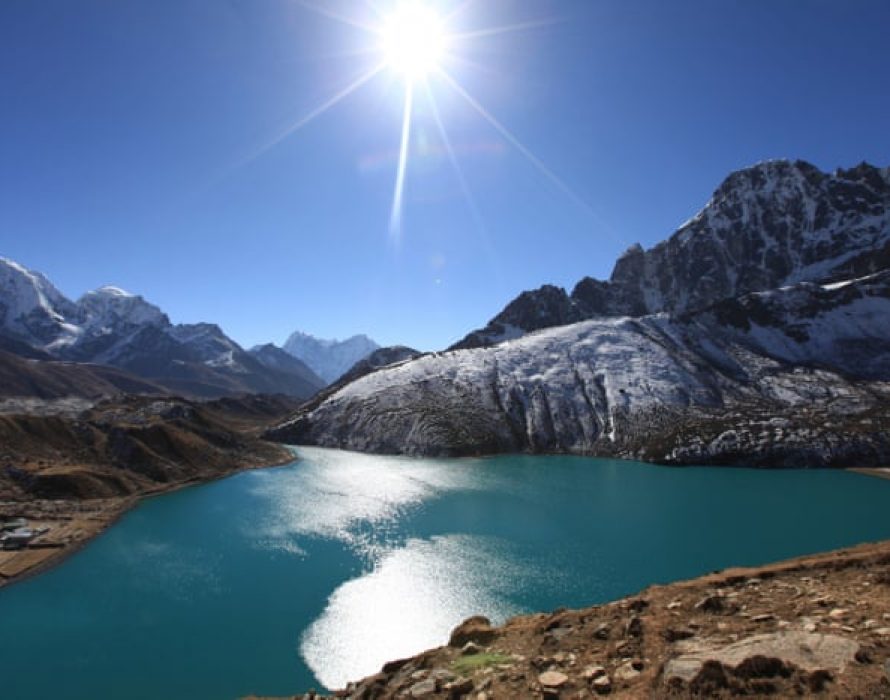
- Natural hazards: Unstable glacier margins can trigger glacial lake outburst floods (GLOFs), endangering downstream settlements.
- Cultural loss: Many indigenous cultures view glaciers as sacred; their disappearance erodes cultural heritage.
Regional Differences
Glacier response varies with climate zone, elevation, and proximity to oceans. In the Arctic, rapid warming has caused some Arctic glaciers to lose up to 90 % of their 1850 volume, while certain high‑altitude glaciers in the Karakoram have shown limited retreat, a phenomenon termed the “Karakoram anomaly,” likely linked to localized precipitation increases.
Coastal glaciers in Patagonia experience accelerated melt due to warm Pacific water, whereas interior glaciers in the European Alps are more sensitive to changes in snowfall patterns.
What Scientists Know With High Confidence
- Global temperatures have risen by roughly 1 °C since pre‑industrial times, and this warming is strongly linked to rising greenhouse‑gas concentrations.
- Glacier mass balance is highly sensitive to temperature; most glaciers have a negative mass balance when average summer temperatures exceed a critical threshold.
- Albedo feedbacks amplify melt once ice is lost, creating a positive feedback loop.
What Remains Uncertain
Key uncertainties include the precise timing of threshold crossing for individual glaciers, the magnitude of future precipitation changes in mountainous regions, and how complex ice dynamics (e.g., basal sliding, subglacial hydrology) will evolve under continued warming. Improved high‑resolution monitoring and regional climate modelling are needed to narrow these gaps.
Common Misconceptions
Misconception: Glaciers only melt because of natural climate cycles.
Reality: While natural oscillations such as ENSO influence short‑term variability, the long‑term trend of glacier retreat aligns with anthropogenic warming, as shown by multiple assessment reports.
Misconception: All glaciers are disappearing at the same rate.
Reality: Regional climate, altitude, and oceanic influence create a wide spectrum of retreat rates; some glaciers are stable or even advancing due to local conditions.
Misconception: Individual actions like recycling can stop glacier loss.
Reality: Personal consumption choices matter, but large‑scale mitigation of greenhouse‑gas emissions is required to limit further warming and glacier retreat.
Solutions and Limitations
- Mitigation of greenhouse gases – Reducing CO₂ emissions can slow temperature rise, but the climate system’s inertia means some retreat will continue for decades.
- Adaptation of water management – Building reservoirs and improving water‑use efficiency can buffer communities against reduced meltwater, yet such infrastructure may be costly and environmentally disruptive.
- Glacier monitoring and early‑warning systems – Enhanced satellite and ground observations improve hazard preparedness, but they do not prevent the underlying melt.
What Individuals, Communities, and Governments Can Do
What Individuals Can Do
- Support policies that price carbon emissions.
- Reduce personal energy consumption (e.g., efficient appliances, renewable electricity).
- Advocate for protected mountain watersheds.
What Communities and Organizations Can Do
- Develop integrated water‑resource plans that account for declining glacier contributions.
- Implement early‑warning systems for GLOFs in vulnerable valleys.
- Promote sustainable tourism that limits infrastructure expansion near glaciers.
What Governments Can Do
- Commit to nationally determined contributions (NDCs) that align with the Paris Agreement’s 1.5 °C pathway.
- Invest in high‑resolution climate and glaciological monitoring networks.
- Enact land‑use regulations that preserve alpine ecosystems and limit heat‑absorbing development.
Synthesis
Since 1850, glaciers have been retreating because rising global temperatures—driven largely by human‑generated greenhouse gases—overwhelm natural accumulation. Robust observational records and satellite data confirm this pattern across continents, while feedback mechanisms such as albedo loss accelerate it. The consequences span sea‑level rise, water insecurity, and heightened natural‑hazard risk, with regional nuances shaping specific outcomes. Scientists are highly confident about the temperature‑glacier link, yet uncertainties about local thresholds and future precipitation remain. Effective responses combine aggressive emissions mitigation, resilient water management, and targeted monitoring, recognizing that individual actions must complement systemic change.
Frequently Asked Questions
What does glacier retreat mean?
Glacier retreat refers to the long‑term reduction in a glacier’s length, area, or volume, indicating that melt exceeds snowfall accumulation over decades.
Why did glaciers start retreating around 1850?
The mid‑19th century marks the start of large‑scale fossil‑fuel combustion, which increased atmospheric CO₂ and caused a sustained rise in global temperatures that began melting glaciers faster than they could rebuild.
Which evidence shows that glaciers are losing mass?
Satellite gravimetry (e.g., NASA’s GRACE), ground‑based mass‑balance measurements, and historic photographs all document a consistent global loss of glacier ice since the 1960s, with about 89 % of glaciers showing negative mass balance.
How does glacier loss affect people?
Melting glaciers reduce summer meltwater that many mountain communities depend on for drinking, irrigation, and hydropower, and they can increase the risk of glacial‑lake outburst floods downstream.
Can individual actions stop glacier retreat?
Individual actions such as reducing personal carbon footprints help lower overall emissions, but stopping glacier retreat requires coordinated, large‑scale mitigation policies to limit global warming.





Leave a Comment