
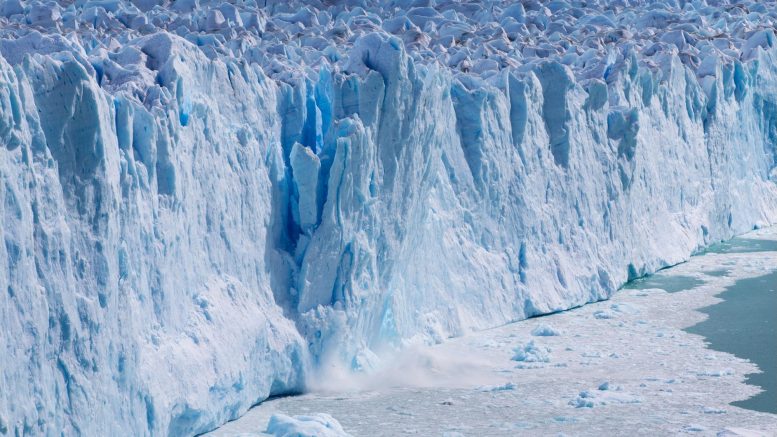
The Thwaites Glacier in West Antarctica—often called the “Doomsday Glacier”—is destabilising under warm ocean waters, and its potential collapse could add several metres to global sea level, reshaping coastlines and societies worldwide.
Quick Answer
Thwaites Glacier is a roughly 150‑km‑wide ice stream that drains part of the West Antarctic Ice Sheet into the Amundsen Sea. Warm circumpolar deep water erodes its grounding line from below, accelerating flow and thinning the ice shelf. Scientific assessments indicate that a full collapse could contribute 3–4 metres of sea‑level rise, with the timing uncertain but potentially within the next few centuries. The greatest impact would be on low‑lying coastal cities, while the exact timeline remains a key uncertainty.
Key Takeaways
- Thwaites holds back enough ice to raise sea level by up to 4 metres if it fails.
- Ocean‑driven basal melting, not surface melt, is the primary driver of its rapid destabilisation.
- High‑confidence evidence shows accelerating ice flow since the 1990s.
- Regional impacts will be uneven, with megacities and small island states most vulnerable.
- Mitigation requires global greenhouse‑gas reductions; adaptation calls for resilient coastal planning.
What Is The Doomsday Glacier: Why Its Collapse Could Be Catastrophic?
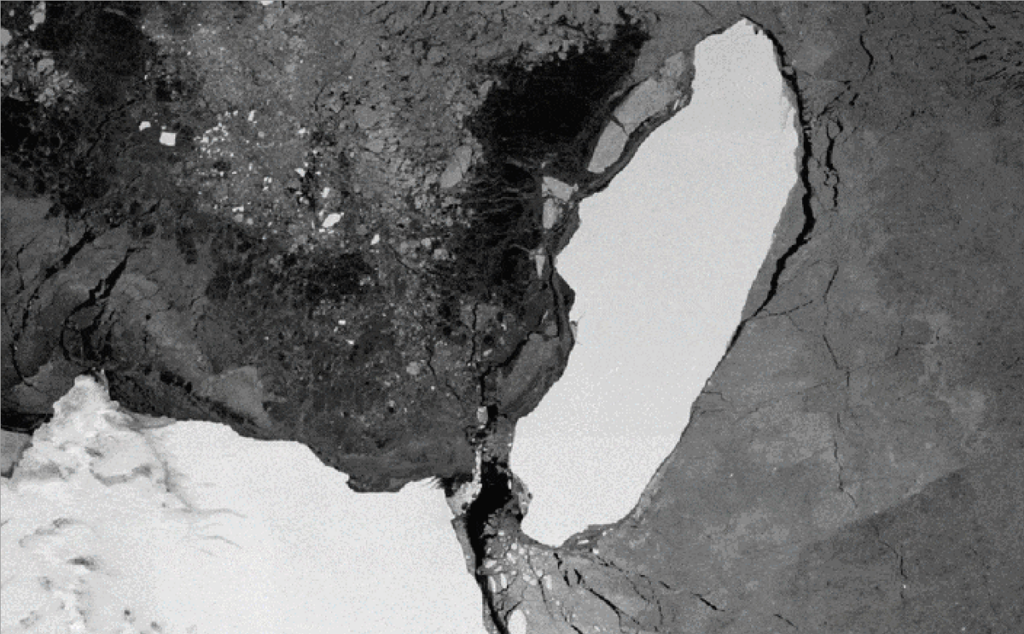
Thwaites Glacier, located in the Amundsen‑Sea sector of West Antarctica, spans an area roughly the size of Florida and feeds a 150‑kilometre‑long ice shelf. Unlike many smaller glaciers, Thwaites acts as a “buttress” for the surrounding West Antarctic Ice Sheet; its loss would release upstream ice that is currently held in place by the glacier’s grounding line. The term “Doomsday Glacier” reflects the scale of potential sea‑level rise, not sensationalism, and is used by scientists to convey the high‑stakes nature of the instability.
How Does It Work?
1. Grounding‑line retreat
Warm, salty water from the Southern Ocean intrudes onto the continental shelf, reaching the glacier’s grounding line—the point where ice detaches from the bedrock. This contact causes basal melt, thinning the ice and allowing the grounding line to migrate inland.
2. Ice‑shelf thinning and loss of buttressing
The floating ice shelf above the grounding line provides a back‑force that slows ice discharge. As basal melt removes mass from the shelf, its thickness declines, reducing buttressing strength and permitting the grounded ice to flow faster toward the ocean.
3. Accelerated ice flow
Field measurements from NASA’s Operation IceBridge and the European Space Agency’s CryoSat‑2 show that Thwaites’ flow speed increased from about 2 km yr⁻¹ in the 1990s to over 4 km yr⁻¹ in the 2010s. Faster flow translates directly into higher ice discharge rates, feeding more meltwater into the sea.
4. Potential marine ice‑sheet instability
When the grounding line retreats onto a bed that slopes downward inland—a condition present beneath Thwaites—models predict a self‑reinforcing feedback known as marine ice‑sheet instability. This can lead to rapid, irreversible retreat once a critical threshold is crossed.
What Does the Evidence Show?
Long‑term satellite altimetry (e.g., NASA’s ICESat‑2) and interferometric radar data demonstrate a persistent thinning of Thwaites’ ice shelf of roughly 1 m per year since 2000. Oceanographic surveys by the United States Antarctic Program have measured intruding water temperatures of –1.8 °C, warm enough to melt ice at rates of several metres per year at the grounding line. The Intergovernmental Panel on Climate Change (IPCC) Fifth Assessment Report (2014) and the subsequent 2021 Special Report on the Ocean and Cryosphere (SROCC) both cite these observations as strong evidence of ongoing destabilisation.
Model ensembles that incorporate ocean‑thermal forcing, such as those used by the Ice Sheet Model Intercomparison Project (ISMIP6), consistently project a sea‑level contribution of 3–4 metres from Thwaites under high‑emission scenarios (RCP8.5) by 2100, with a wide range of timing reflecting uncertainties in ocean heat transport.
Main Causes or Drivers
Direct causes
- Basal melting by warm circumpolar deep water reaching the grounding line.
- Loss of ice‑shelf buttressing due to thinning and calving events.
Underlying drivers
- Global warming that raises ocean temperatures and increases the supply of heat to the continental shelf.
- Atmospheric warming that enhances surface melt, contributing meltwater that can percolate down to the base via crevasses.
Amplifying factors
- Subglacial topography that slopes downward inland, pre‑disposing the glacier to marine ice‑sheet instability.
- Variability in wind patterns that can drive warm water onto the shelf more frequently.
Environmental and Human Impacts
Environmental Impacts
A multi‑metre rise in global sea level would inundate coastal wetlands, mangroves, and coral reef systems, eroding natural carbon sinks and reducing biodiversity. Salt‑water intrusion would alter estuarine habitats, threatening fish species that support commercial fisheries.
Human Health and Social Impacts
Coastal flooding increases exposure to water‑borne pathogens and mold‑related respiratory issues. Displacement of millions of people could strain health‑care systems, especially in low‑income nations lacking robust infrastructure.
Economic and Infrastructure Impacts
Major ports such as New York, Shanghai, and Lagos would face costly adaptation measures—elevated seawalls, managed retreat, or relocation of critical facilities. The World Bank estimates that a 1‑metre sea‑level rise could generate $1 trillion in global adaptation costs per decade, and the figure scales non‑linearly with higher rises.
Regional Differences
Impact intensity varies with local topography and socioeconomic capacity. Low‑lying delta regions in Bangladesh and the Mekong are projected to lose large fractions of arable land, whereas high‑latitude cities like Oslo may experience less direct inundation but still face increased storm surge risk. Small island developing states (e.g., the Maldives) could become uninhabitable under a 2‑metre rise, highlighting a disproportionate vulnerability.
What Scientists Know With High Confidence
- Thwaites Glacier is losing mass at an accelerating rate, documented by multiple satellite missions.
- Warm ocean water is the dominant driver of basal melt at the grounding line.
- The glacier’s grounding line rests on a retrograde (down‑slope) bed, which makes marine ice‑sheet instability possible.
- If Thwaites were to collapse completely, global sea level would rise by roughly 3–4 metres.
What Remains Uncertain
The precise timing of a potential rapid retreat remains the largest unknown. Uncertainty stems from limited observations of deep‑water pathways, the future strength of oceanic heat transport, and the interaction between surface meltwater and basal lubrication. Model projections differ on whether a “tipping point” will be reached within the next century or later, and improved oceanographic monitoring is needed to narrow these ranges.
Common Misconceptions
Misconception: The glacier will definitely collapse within the next decade.
Reality: While the glacier is destabilising, the exact timeline is uncertain. Current evidence suggests a heightened risk over the coming centuries, not an imminent collapse.
Misconception: Only Antarctica is affected by sea‑level rise.
Reality: Sea‑level rise is a global phenomenon; coastal regions worldwide will experience varying degrees of flooding, erosion, and salt‑water intrusion.
Misconception: Reducing personal carbon footprints will stop Thwaites from melting.
Reality: Individual actions are important but insufficient alone; large‑scale emission reductions by governments and industries are required to limit ocean warming that drives basal melt.
Solutions and Limitations
Addressing Thwaites’ instability involves both mitigation of greenhouse‑gas emissions and adaptation to inevitable sea‑level rise. Mitigation—shifting to renewable energy, phasing out coal, and improving energy efficiency—targets the root cause of ocean warming but requires decades to translate into cooler oceans. Adaptation strategies such as constructing surge barriers, restoring mangroves, and implementing managed retreat can protect vulnerable communities, yet they are costly, may displace populations, and cannot safeguard all low‑lying areas.
What Individuals, Communities, and Governments Can Do
What Individuals Can Do
- Support policies that accelerate decarbonisation, for example by voting for climate‑focused candidates.
- Reduce personal energy consumption through home insulation, efficient appliances, and low‑carbon transport.
- Engage in local coastal resilience projects, such as community mangrove planting.
What Communities and Organizations Can Do
- Develop and enforce zoning that avoids new development in high‑risk flood zones.
- Invest in nature‑based solutions—wetland restoration, dune reinforcement—to buffer storm surges.
- Create emergency‑response plans that include evacuation routes and shelter provisions.
What Governments Can Do
- Implement ambitious nationally determined contributions (NDCs) aligned with the Paris Agreement’s 1.5 °C pathway.
- Fund high‑resolution ocean monitoring programs to track warm water intrusion near Thwaites.
- Allocate resources for large‑scale infrastructure upgrades, such as sea walls and flood‑gate systems, while ensuring equitable access for vulnerable populations.
Closing Synthesis
Thwaites Glacier’s unique role as a buttress for the West Antarctic Ice Sheet makes its potential collapse a pivotal driver of multi‑metre sea‑level rise. Robust observations confirm accelerating ice loss driven by warm ocean waters, while high‑confidence science links this process to global warming. Major uncertainties remain around the exact timing and the complex oceanic pathways that feed basal melt. Mitigation of greenhouse‑gas emissions offers the most effective long‑term safeguard, whereas adaptation measures will be essential to protect at‑risk coastal societies. Coordinated action across scientific, policy, and community spheres is therefore critical to avert the most catastrophic outcomes.
Frequently Asked Questions
What makes Thwaites Glacier different from other Antarctic glaciers?
Thwaites is unusually large—about the size of Florida—and rests on a bed that slopes downward inland, a configuration known as a retrograde slope. Unlike many smaller Antarctic glaciers, it buttresses a massive portion of the West Antarctic Ice Sheet, so its destabilisation could release far more ice into the ocean than most other glaciers.
How does warm ocean water cause the glacier to melt from below?
Warm, salty circumpolar deep water travels onto the continental shelf and reaches Thwaites’ grounding line, where the ice contacts the seabed. This water melts the ice from below at rates of several metres per year, thinning the floating ice shelf, reducing its buttressing effect, and allowing the grounded ice to accelerate toward the ocean.
How much sea‑level rise could result if Thwaites collapses?
Scientific assessments, including IPCC reports and ice‑sheet modeling studies, estimate that a full collapse of Thwaites Glacier would contribute roughly 3 to 4 metres of global sea‑level rise. This amount would be enough to inundate many coastal regions and would represent a substantial portion of the projected sea‑level increase by the end of the century.
Which regions would be most affected by a multi‑metre sea‑level rise?
A multi‑metre rise would hit low‑lying deltas such as Bangladesh and the Mekong River basin hardest, submerge small island nations like the Maldives and Kiribati, and cause chronic flooding in major coastal megacities including New York, Shanghai, Lagos, and Mumbai. These regions would face displacement, loss of land, and heightened storm‑surge risk.
What are the most effective actions to reduce the risk of Thwaites’ collapse?
The most effective strategy is rapid, large‑scale reduction of greenhouse‑gas emissions to limit ocean warming that drives basal melt. Complementary measures include building resilient coastal infrastructure, restoring natural buffers such as mangroves and wetlands, and planning managed retreat where protection is infeasible. Combining mitigation with targeted adaptation offers the best chance to limit the worst outcomes.





Leave a Comment