
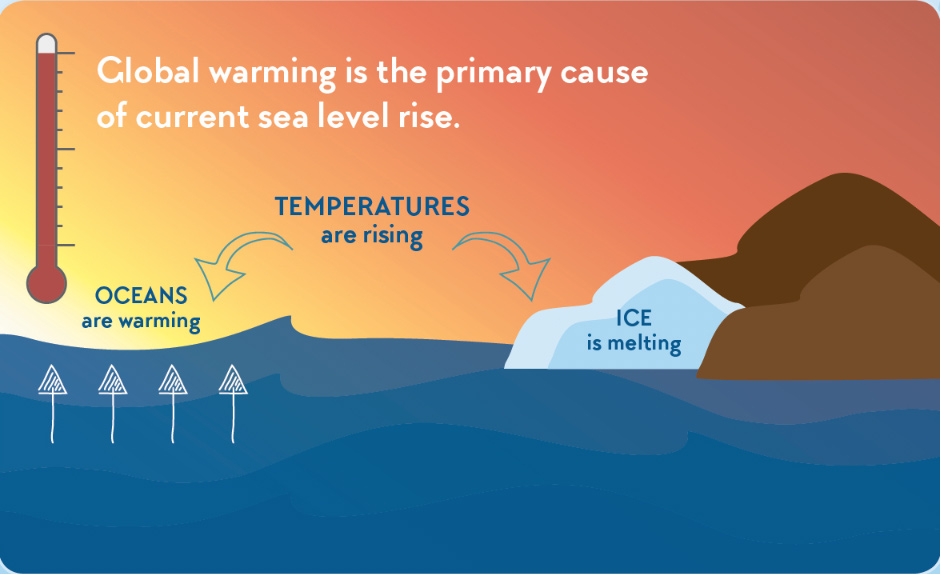
Global climate change is causing ocean waters to expand and ice sheets to melt, leading to a steady rise in sea level that threatens coastal ecosystems, infrastructure, and communities worldwide.
Quick Answer
Rising sea levels result from two well‑understood processes: thermal expansion of seawater as it absorbs excess heat, and the addition of meltwater from glaciers and the Greenland and Antarctic ice sheets. The Intergovernmental Panel on Climate Change (IPCC) reports that global mean sea level has risen about 21 cm (8‑9 inches) since 1880, and most scenario projections show an additional 0.3–1.2 m (1–4 ft) by 2100 if greenhouse‑gas emissions continue unabated. This rise increases coastal flooding, erodes shorelines, and threatens habitats and human settlements, although the exact magnitude varies by region and depends on future emissions pathways.
Key Takeaways
- Sea‑level rise is driven primarily by thermal expansion and ice‑sheet melt, both linked to global warming.
- Observations show a 21 cm increase since the late 19th century; projections range from 0.3 to 1.2 m by 2100.
- Impacts include more frequent coastal flooding, salt‑water intrusion, ecosystem loss, and economic damage.
- Regional exposure varies with local land‑subsidence, ocean currents, and coastline geometry.
- Mitigation (emission cuts) limits future rise, while adaptation (e.g., wetlands, flood barriers) reduces current vulnerability.
What Is Global Climate Change and Rising Sea Levels Explained?
Global climate change refers to long‑term shifts in Earth’s average temperature, precipitation patterns, and atmospheric composition, chiefly driven by human emissions of carbon dioxide, methane, and other greenhouse gases. Rising sea level is a specific manifestation of this broader warming: as the planet’s heat budget changes, the oceans respond by expanding and by receiving meltwater from land‑based ice. The term does not describe isolated storm surges or short‑term tides; it denotes a persistent, measurable increase in the average height of the ocean surface relative to the land.
How Does It Work?
1. Thermal Expansion
When seawater absorbs heat, its molecules move farther apart, causing the water column to increase in volume. This process, known as thermal expansion, accounts for roughly half of the observed sea‑level rise since the mid‑20th century, according to NOAA’s long‑term ocean monitoring program.
2. Ice‑Sheet and Glacier Melt
Warmer air and ocean temperatures accelerate the melting of glaciers worldwide and the massive ice sheets of Greenland and Antarctica. Meltwater flows into the ocean, directly adding to sea level. The IPCC’s Fifth Assessment Report (AR5) estimates that ice‑sheet contributions increased from about 0.5 mm yr⁻¹ in the 1990s to roughly 1.0 mm yr⁻¹ in the 2010s.
3. Land‑Based Water Storage Changes
Human activities such as groundwater extraction and reservoir impoundment can temporarily lower or raise sea level by moving water between land and ocean. While these effects are minor compared with thermal expansion and ice melt, they add complexity to regional sea‑level budgets.
What Does the Evidence Show?
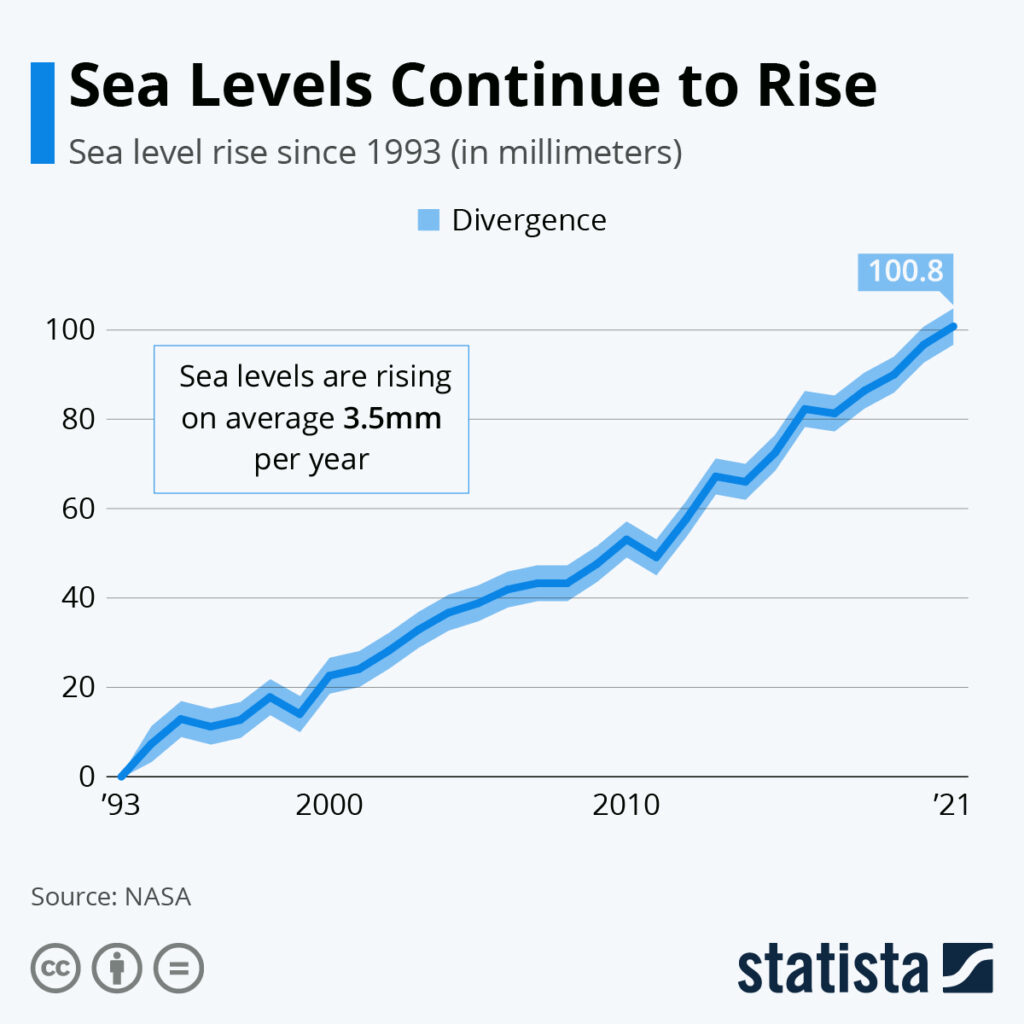
Multiple lines of evidence converge on a consistent picture of rising seas. Satellite altimetry, begun in 1992, records a global mean increase of about 3.3 mm yr⁻¹, while tide‑gauge records, extending back to the 19th century, corroborate a similar trend after correcting for vertical land movement. Paleoclimate reconstructions using coral cores and sediment layers indicate that the current rate of rise is unprecedented over the past several millennia. Model simulations that incorporate observed greenhouse‑gas concentrations reproduce the measured sea‑level trend, reinforcing the attribution to anthropogenic warming.
Main Causes or Drivers
Direct Human Drivers
- Burning of fossil fuels, which raises atmospheric CO₂ concentrations to over 420 ppm (2023 data, Mauna Loa Observatory).
- Deforestation and land‑use change that alter surface albedo and carbon storage.
Physical Amplifiers
- Positive feedbacks such as reduced sea‑ice cover, which lowers planetary albedo and amplifies warming.
- Oceanic heat uptake that stores excess energy for centuries, prolonging thermal expansion.
Environmental and Human Impacts
Environmental Impacts
- Coastal erosion accelerates as higher water levels increase wave energy on shorelines.
- Salt‑water intrusion contaminates freshwater aquifers, threatening drinking‑water supplies and agricultural soils.
- Loss of intertidal habitats such as mangroves and salt marshes reduces biodiversity and diminishes natural storm‑buffering capacity.
Human Health and Social Impacts
- More frequent “nuisance flooding” stresses urban infrastructure and can damage electrical systems, leading to power outages.
- Displaced populations in low‑lying regions may face housing insecurity and loss of livelihoods, especially in small island developing states.
- Increased exposure to water‑borne pathogens and harmful algal blooms poses public‑health risks, particularly for communities relying on coastal fisheries.
Economic and Infrastructure Impacts
- Property values in flood‑prone zones decline, affecting tax bases and insurance markets.
- Adaptation investments—such as seawalls, pumped drainage, and managed retreat—require billions of dollars annually, according to the World Bank’s 2021 cost‑of‑inaction analysis.
Regional Differences
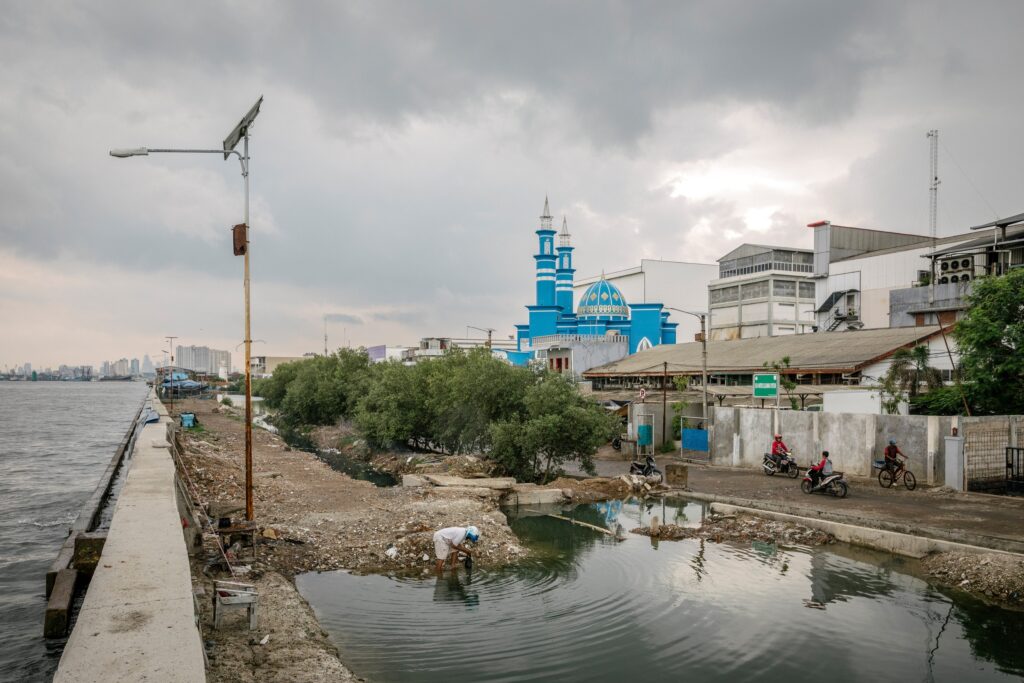
Sea‑level change is not uniform. In the western Pacific, the combined effect of ocean dynamics and land subsidence leads to rates exceeding 10 mm yr⁻¹, while parts of the North Atlantic experience slower rise due to regional ocean circulation patterns. Low‑lying deltas such as the Mekong, Nile, and Mississippi are especially vulnerable because natural subsidence adds to the oceanic signal. Conversely, areas with uplift—like parts of the Scandinavian coast—may see apparent sea‑level fall despite global rise.
What Scientists Know With High Confidence
- Human‑driven greenhouse‑gas emissions are the dominant cause of global warming since the mid‑20th century.
- Thermal expansion and ice‑sheet melt together account for the majority of observed sea‑level rise.
- Sea level is rising globally, and the rate has accelerated in recent decades.
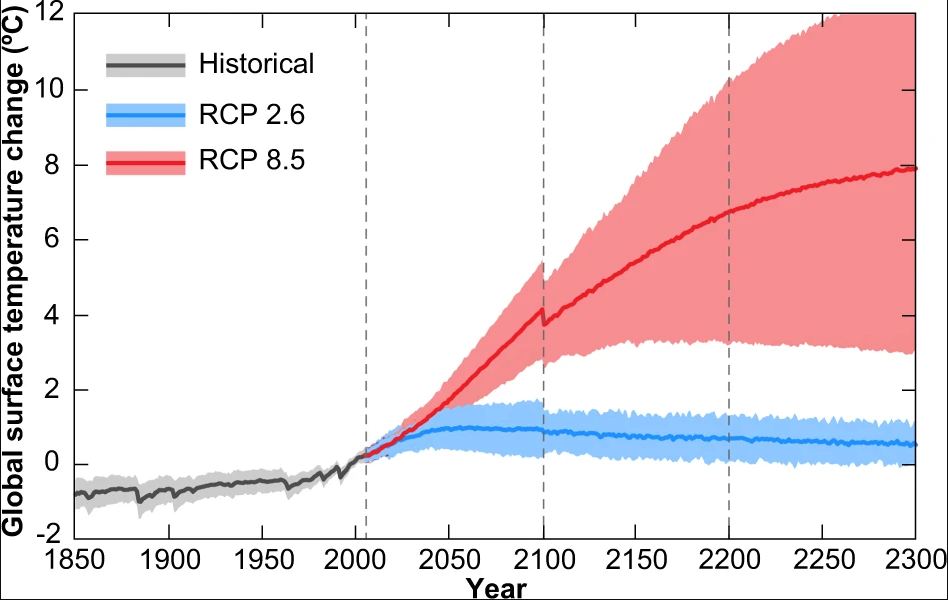
- Continued emissions will lead to further rise, with magnitude dependent on future emission pathways.
What Remains Uncertain
Key uncertainties revolve around the future behavior of the Antarctic ice sheet, especially the potential for rapid, nonlinear discharge from marine‑based basins. Ice‑sheet models differ in how they represent grounding‑line dynamics, leading to a spread of projected contributions ranging from a few centimeters to over a meter by 2100. Additionally, regional variations in ocean heat uptake and land‑movement rates introduce uncertainty into local sea‑level forecasts, affecting planning for specific coastal communities.
Common Misconceptions
Misconception: Sea‑level rise is caused only by melting ice.
Reality: Thermal expansion of warming seawater contributes roughly half of the observed rise; meltwater adds the remainder.
Misconception: Sea‑level rise will happen uniformly everywhere.
Reality: Local factors—such as land subsidence, ocean currents, and gravitational effects of ice loss—create significant regional differences.
Misconception: Small islands will disappear overnight.
Reality: While many low‑lying islands face heightened risk, the timeline depends on local uplift/subsidence rates, protective measures, and the pace of global sea‑level rise.
Solutions and Limitations
Addressing sea‑level rise requires both mitigation of climate change and adaptation to the changes already set in motion.
Mitigation
- Rapid reduction of CO₂ emissions can limit the long‑term magnitude of sea‑level rise; the IPCC’s SSP1‑1.9 pathway projects a rise of 0.3–0.5 m by 2100.
- Transitioning to renewable energy reduces the primary driver but does not reverse existing thermal expansion.
Adaptation
- Nature‑based solutions: Restoring mangroves and wetlands buffers storm surges and can sequester carbon, yet they require suitable space and long‑term maintenance.
- Hard infrastructure: Seawalls and surge barriers protect specific assets but can be expensive, may cause shoreline erosion downstream, and have limited lifespan under extreme events.
- Managed retreat: Relocating vulnerable communities reduces exposure but involves complex social, economic, and cultural considerations.
All strategies involve trade‑offs: for example, large‑scale seawalls may protect property but can disrupt sediment transport, affecting nearby ecosystems. Effective planning therefore blends multiple approaches and tailors them to local conditions.
What Individuals, Communities, and Governments Can Do
What Individuals Can Do
- Support policies that accelerate decarbonization, such as voting for climate‑focused legislation.
- Reduce personal carbon footprints through energy efficiency, low‑carbon transportation, and mindful consumption.
- Participate in local resilience projects—e.g., community wetland restoration or neighborhood flood‑plain mapping.
What Communities and Organizations Can Do
- Conduct vulnerability assessments that incorporate local sea‑level trends and land‑movement data.
- Integrate green infrastructure—rain gardens, permeable pavements, and vegetated buffers—into urban planning.
- Develop and regularly update emergency response plans for coastal flooding events.
What Governments Can Do
- Implement and enforce ambitious emissions‑reduction targets aligned with the Paris Agreement.
- Fund large‑scale adaptation initiatives, prioritizing equity for low‑income and indigenous coastal communities.
- Adopt building codes that require elevation or flood‑resilient design for new construction in at‑risk zones.
Synthesis
Rising sea level is a direct, observable consequence of global climate change, driven by well‑documented processes of thermal expansion and ice‑sheet melt. Robust observations and climate‑model evidence give high confidence that sea level will continue to climb, with regional outcomes shaped by local geology and ocean dynamics. While uncertainties remain—particularly regarding the Antarctic response—these do not undermine the core conclusion that unchecked emissions will exacerbate coastal risks. Mitigation limits the long‑term magnitude, whereas adaptation reduces present‑day vulnerability. Coordinated action across individuals, communities, and governments offers the most resilient path forward, ensuring that societies can live safely along the world’s coastlines.
Frequently Asked Questions
What are the two main processes that cause sea‑level rise?
Sea‑level rise is driven primarily by thermal expansion of warming seawater and the addition of meltwater from glaciers and the Greenland and Antarctic ice sheets.
How much has global mean sea level risen since the 19th century?
Observations show that global mean sea level has increased about 21 cm (8‑9 inches) since roughly 1880, based on tide‑gauge records and satellite data.
Why do some regions experience faster sea‑level rise than others?
Local factors such as land subsidence, ocean currents, gravitational effects of ice loss, and regional ocean heat uptake cause sea‑level change to vary, making some coastlines rise faster than the global average.
What are the most effective mitigation actions to limit future sea‑level rise?
Rapidly reducing greenhouse‑gas emissions—especially CO₂—through renewable energy, energy efficiency, and strong climate policies can limit the magnitude of future sea‑level rise, as shown by low‑emission scenario projections.
How can communities adapt to the sea‑level rise that is already occurring?
Communities can employ a mix of nature‑based solutions like mangrove restoration, hard defenses such as seawalls, and strategic managed retreat, while also improving flood‑risk planning and resilient building codes.





Leave a Comment