
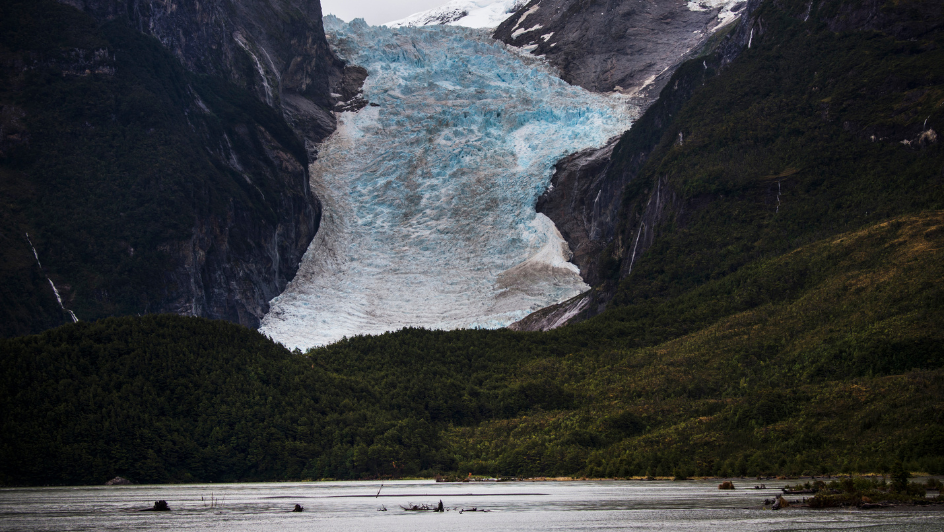
Mountain glaciers are melting faster than ever, threatening water supplies, sea levels, ecosystems, economies, cultural heritage, and climate feedbacks worldwide.
Quick Answer
Mountain glaciers are large, long‑lived ice bodies that store freshwater high in the atmosphere. Rising global temperatures increase surface melt and reduce snowfall, causing a net loss of ice that feeds rivers, contributes to sea‑level rise, and alters regional climate. The most certain impact is a measurable decline in glacier volume worldwide, which already reduces reliable water sources for millions of people and adds to ocean volume. Uncertainty remains around the timing of irreversible loss for individual glacier systems and the precise magnitude of downstream socio‑economic effects.
Key Takeaways
- Glacier mass balance has been negative on average since the 1970s, with the World Glacier Monitoring Service reporting a 30% loss of global glacier volume by 2020.
- Melting glaciers act as natural water towers; their decline threatens water security for agriculture, drinking, and hydropower in the Himalayas, Andes, Alps, and other mountain regions.
- Glacial melt contributes roughly 0.4 mm per year to global sea‑level rise, adding to thermal expansion and ice‑sheet loss.
- Loss of cold‑water habitats drives biodiversity decline and forces species to shift ranges uphill, often faster than they can adapt.
- Cultural identities tied to glaciers are eroding, affecting indigenous spiritual practices and local tourism economies.
What Is Five Alarming Realities About Mountain Glaciers Melting?
The phrase refers to five interrelated consequences that emerge when mountain glaciers lose mass faster than they can replenish. These consequences include water scarcity, sea‑level rise, ecosystem disruption, economic feedback loops, and loss of cultural heritage. The concept differs from generic glacier melt discussions by focusing on the systemic, cross‑sectoral risks that arise when the glaciers that underpin many mountain societies disappear.
How Does It Work?
Physical Processes
- Increased atmospheric greenhouse gases raise regional air temperatures.
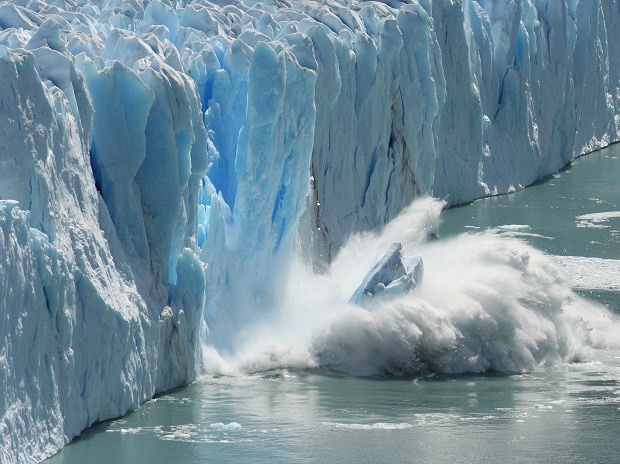
- Warmer air reduces snowfall accumulation and accelerates surface melt during the melt season.
- Ice loss lowers glacier albedo, amplifying absorption of solar radiation – a positive feedback known as the ice‑albedo feedback.
- Net negative mass balance results in glacier thinning, retreat, and eventual disappearance.
Hydrological Connections
Glaciers store winter precipitation as ice. During warm months they release meltwater, sustaining downstream river flow when rainfall is low. When glacier volume shrinks, peak meltwater discharge declines, leading to lower summer flows and higher variability.
Climate Feedbacks
Glacial melt adds freshwater to oceans, contributing directly to sea‑level rise. Freshwater influx can also affect regional ocean circulation, which may influence climate patterns such as monsoons.
What Does the Evidence Show?
Long‑term monitoring by the World Glacier Monitoring Service (WGMS) indicates that the average annual mass loss of the world’s glaciers was 0.5 m water equivalent per year between 2000 and 2020. Satellite gravimetry from the GRACE mission corroborates these trends, showing a net loss of 267 Gt of glacier ice per year in the same period (IPCC, 2022). Field studies in the Himalaya (Kaser & Osmaston, 2021) report a 25% reduction in glacier length since the 1970s, directly linking retreat to rising summer temperatures.
Main Causes or Drivers
Direct Causes
- Higher mean annual air temperature due to anthropogenic greenhouse‑gas emissions.
- Reduced winter snowfall because warmer air holds less moisture and precipitation falls as rain.
Underlying Drivers
- Global fossil‑fuel combustion and land‑use change, which raise atmospheric CO₂ concentrations to over 420 ppm in 2023 (NOAA, 2023).
- Regional atmospheric circulation changes that alter precipitation patterns, intensified by climate change.
Environmental and Human Impacts
Environmental Impacts
- Sea‑level rise: Glacial melt contributes ~0.4 mm yr⁻¹ to global sea level, compounding thermal expansion and ice‑sheet loss.
- Biodiversity loss: Cold‑water species such as the Alpine salamander (Salamandra atra) lose habitat, while invasive low‑altitude species move upward, increasing competition.
- Altered carbon cycles: Reduced glacier runoff can limit nutrient transport to downstream ecosystems, affecting primary productivity.
Human Health and Social Impacts
- Reduced summer river flow threatens irrigation for staple crops in the Indo‑Gangetic Plain, raising food‑security concerns.
- Communities dependent on glacial melt for drinking water face increased reliance on groundwater, which may be over‑exploited.
- Loss of glaciers undermines cultural rituals of indigenous peoples in the Andes and Himalaya, affecting social cohesion.
Economic and Infrastructure Impacts
- Hydropower generation in the Alps and the Himalaya is projected to decline by up to 15% by 2050 under high‑emission scenarios (IEA, 2022).
- Tourism that markets glacier scenery faces revenue loss, prompting economic diversification challenges.
Regional Differences
In the Himalaya, glaciers feed the Ganges, Brahmaputra, and Indus basins, supporting over 1 billion people. Rapid retreat there has already shortened the melt season, prompting earlier peak flows. In contrast, the European Alps experience a higher proportion of winter precipitation as snow, so glacier loss translates more directly into reduced summer water storage. The Andes show a mixed pattern: some tropical glaciers retreat faster due to strong temperature gradients, while southern Patagonian glaciers are more influenced by precipitation changes.
What Scientists Know With High Confidence
- Global mountain glacier mass balance has been negative for at least five decades.
- Glacier melt contributes measurably to global sea‑level rise.
- The ice‑albedo feedback accelerates melt once a critical loss threshold is crossed.
- Millions of people rely on glacier‑fed rivers for water, and reduced meltwater threatens water security.
What Remains Uncertain
Key uncertainties include the exact timing of irreversible loss for individual glacier basins, the magnitude of downstream socioeconomic impacts under different adaptation pathways, and how glacier‑driven freshwater inputs will interact with future precipitation changes. Improved high‑altitude monitoring networks and integrated climate‑hydrology models are needed to narrow these gaps.
Common Misconceptions
Misconception: Only polar ice caps affect sea level.
Reality: Mountain glaciers, despite being smaller individually, collectively add hundreds of gigatonnes of water to the oceans each year, contributing a measurable portion of sea‑level rise.
Misconception: Glaciers will simply disappear without broader effects.
Reality: Glacier loss alters river flow regimes, reduces hydropower potential, and disrupts ecosystems that depend on cold, steady water supplies.
Misconception: All glaciers are melting at the same rate.
Reality: Melt rates vary widely by region, altitude, and local climate dynamics; some high‑latitude glaciers are relatively stable, while low‑latitude tropical glaciers retreat rapidly.
Solutions and Limitations
Addressing glacier melt requires both mitigation of global warming and adaptation to unavoidable changes.
Mitigation
- Rapid decarbonisation of energy systems can limit temperature rise to below 2 °C, reducing future melt rates (IPCC, 2022). Limitation: Requires coordinated policy, massive investment, and societal transition.
Adaptation
- Improved water‑storage infrastructure (e.g., reservoirs, rainwater harvesting) can buffer seasonal variability. Trade‑off: Reservoir construction can affect river ecology.
- Community‑based water‑management plans that prioritize equitable allocation during low‑flow periods. Limitation: Governance capacity varies widely.
- Diversifying livelihoods away from glacier‑dependent tourism reduces economic vulnerability.
Conservation and Restoration
- Protecting upstream catchments limits sedimentation that can accelerate glacier melt. Effectiveness depends on enforcement and land‑use policies.
- Preserving cultural practices through documentation and community engagement maintains heritage even as physical glaciers vanish.
What Individuals, Communities, and Governments Can Do
What Individuals Can Do
- Support policies that accelerate clean‑energy transitions by voting, advocacy, or responsible consumption.
- Conserve water at home—fix leaks, use efficient appliances, and adopt rain‑catching where feasible.
- Participate in citizen‑science glacier monitoring programs that help fill data gaps.
What Communities and Organizations Can Do
- Develop integrated water‑resource plans that incorporate glacier‑melt projections.
- Invest in early‑warning systems for glacial lake outburst floods, which become more likely as glaciers retreat.
- Promote sustainable tourism that educates visitors about glacier change and funds local adaptation.
What Governments Can Do
- Implement and strengthen national climate‑action commitments to keep warming below 1.5 °C.
- Fund long‑term high‑altitude monitoring networks (e.g., satellite altimetry, ground‑based GPS) to improve forecasting.
- Incorporate glacier‑melt scenarios into water‑allocation policies, disaster‑risk planning, and infrastructure design.
Closing Synthesis
Mountain glaciers are losing mass at an unprecedented pace, a fact confirmed by multiple observation systems and assessment reports. This loss drives five interlinked realities: dwindling freshwater supplies, contribution to sea‑level rise, ecological disruption, economic feedbacks, and erosion of cultural identity. While scientists are confident about the direction and general magnitude of these trends, uncertainties remain about regional timing and socioeconomic outcomes. Effective response combines rapid greenhouse‑gas mitigation with targeted adaptation—improved water management, resilient infrastructure, and community engagement. By acting now, societies can lessen the most severe impacts while preserving the cultural and ecological values that glaciers embody.
Frequently Asked Questions
What causes mountain glaciers to melt faster than before?
Mountain glaciers melt faster mainly because rising global temperatures increase surface melt and reduce snowfall, leading to a net loss of ice. Human emissions of greenhouse gases are the primary driver of this warming.
How does glacier melt affect sea‑level rise?
When glaciers melt, the released water flows into the oceans, adding to global sea level. Mountain glaciers contribute roughly 0.4 mm per year, which, combined with other sources, raises sea levels worldwide.
Why are downstream communities concerned about glacier loss?
Glaciers act as natural water towers, releasing meltwater during dry months. Their retreat reduces summer river flows, threatening agriculture, drinking water, and hydropower for millions of people.
What are the main uncertainties regarding glacier melt impacts?
Key uncertainties include when individual glacier basins will experience irreversible loss, how socioeconomic effects will unfold under different adaptation strategies, and how meltwater will interact with future precipitation changes.
What actions can governments take to address glacier melt?
Governments can strengthen climate‑action commitments to limit warming, fund high‑altitude monitoring networks, and integrate glacier‑melt projections into water‑resource planning, disaster‑risk management, and infrastructure design.




Leave a Comment