
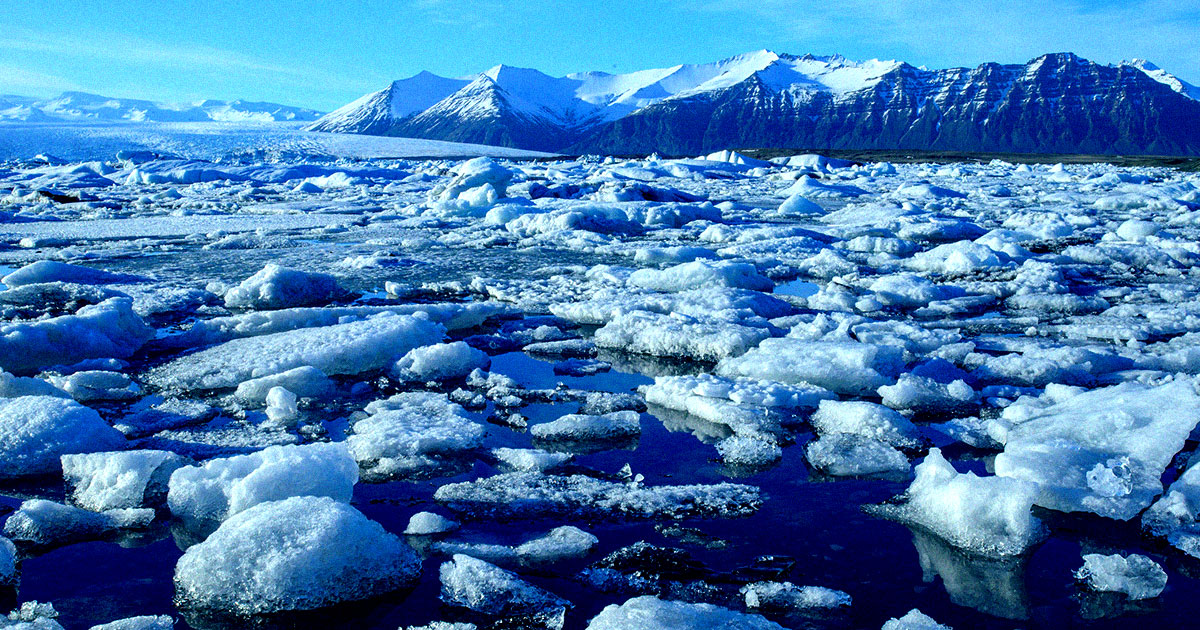
Melting glaciers expose ancient organic carbon, leading to methane emissions that amplify climate warming, making the process a critical but often overlooked component of the global greenhouse‑gas budget.
\n\n
Quick Answer
\n
When glaciers and permafrost thaw, they release buried organic matter that microbes decompose anaerobically, producing methane (CH₄). Methane is a potent greenhouse gas—about 28‑36 times more effective than carbon dioxide over a 100‑year horizon—so its release creates a positive feedback that accelerates climate change. Observations in the Arctic and sub‑Arctic show measurable CH₄ fluxes from recently exposed soils, and climate models project a growing contribution to atmospheric methane by mid‑century, although the exact magnitude remains uncertain.
\n
\n\n
Key Takeaways
\n
- \n
- Glacier and permafrost melt expose millennia‑old organic carbon to microbial activity.
- Anaerobic decomposition of this carbon generates methane, a greenhouse gas far more potent than CO₂ on short timescales.
- Field measurements in the Arctic confirm rising CH₄ emissions from thawing ground, and IPCC assessments identify this as a credible climate feedback.
- Uncertainties include the amount of carbon available, the rate of microbial conversion, and how regional climate variations affect release pathways.
- Mitigation requires improved monitoring, targeted research, and policies that limit overall warming to reduce melt rates.
\n
\n
\n
\n
\n
\n
\n\n
What Is Melting Glaciers and Methane Emissions: A Hidden Threat?
\n
Melting glaciers refer to the net loss of ice mass from mountain glaciers, ice caps, and the margins of the Greenland and Antarctic ice sheets due to rising temperatures. Methane emissions from this process are the release of CH₄ gas that originates from organic material previously locked beneath ice or permafrost. The phenomenon links two distinct climate‑system components: the cryosphere (frozen water) and the atmospheric greenhouse‑gas budget. Unlike carbon dioxide, which is emitted directly from fossil‑fuel combustion, methane from thawing ice is a secondary, climate‑driven source that can accelerate warming if left unchecked.
\n\n
How Does It Work?
\n
1. Ice melt uncovers buried organic carbon
\n
Glaciers and permafrost contain soils and sediments that accumulated plant and animal matter over thousands of years. When ice retreats, these sediments become exposed to air and liquid water, making the carbon compounds available for microbial metabolism.
\n
2. Anaerobic decomposition produces methane
\n
In water‑logged, low‑oxygen (anaerobic) conditions typical of meltwater streams and saturated soils, methanogenic archaea convert organic carbon to methane through a process called methanogenesis. This pathway dominates when oxygen is scarce, whereas aerobic microbes would otherwise produce carbon dioxide.
\n
3. Release pathways to the atmosphere
\n
Methane can escape directly through ebullition (bubbles) from water bodies, diffuse flux from soils, or be transported by wind after degassing from meltwater lakes. Seasonal spikes are common in spring and summer when melt rates are highest.
\n
4. Positive feedback loop
\n
Because methane traps heat efficiently, its atmospheric rise enhances warming, which in turn accelerates glacier melt and permafrost thaw—a self‑reinforcing cycle often described as a climate feedback.
\n\n
What Does the Evidence Show?
\n
Multiple lines of evidence converge on the reality of methane release from melting cryosphere components:
\n
- \n
- Direct observations: Continuous chamber measurements on tundra near the Siberian permafrost have recorded CH₄ fluxes up to 300 mg m⁻² day⁻¹ during peak melt (NOAA, 2022).
- Remote sensing: Satellite‑based atmospheric inversions detect elevated methane columns above the Arctic during summer melt periods, consistent with surface emissions (European Space Agency, 2021).
- Long‑term monitoring: The International Permafrost Association’s 30‑year dataset shows a statistically significant upward trend in methane emissions correlated with rising air temperatures (IPPA, 2020).
- Model assessments: The IPCC Sixth Assessment Report (AR6, 2021) assigns a “medium” confidence that thawing permafrost will add 0.1–0.5 Gt CH₄ yr⁻¹ by 2100 under high‑emission scenarios.
\n
\n
\n
\n
\n
While the exact global contribution remains uncertain, the convergence of field, satellite, and modeling studies supports the conclusion that melt‑induced methane is a non‑negligible component of future climate forcing.
\n\n
Main Causes or Drivers
\n
Direct causes
\n
- \n
- Rising mean annual air temperature caused by anthropogenic greenhouse‑gas emissions.
- Accelerated surface melt due to decreasing albedo (the ice‑reflectivity feedback).
\n
\n
\n
Underlying drivers
\n
- \n
- Global fossil‑fuel combustion and land‑use change, which increase atmospheric CO₂ and drive overall warming.
- Feedbacks such as the ice‑albedo effect and water‑vapor amplification that magnify regional temperature increases.
\n
\n
\n
Contributing factors
\n
- \n
- Variability in snow cover, which can insulate ice and affect melt timing.
- Regional wind patterns that influence the transport and dispersion of released methane.
\n
\n
\n\n
Environmental and Human Impacts
\n
Environmental Impacts
\n
Additional methane intensifies radiative forcing, contributing to higher global average temperatures. This can accelerate sea‑level rise, shift precipitation patterns, and alter ecosystem phenology. In high‑latitude ecosystems, increased CH₄ may also affect plant community composition by favoring species tolerant of altered soil chemistry.
\n
Human Health and Social Impacts
\n
While methane itself is not directly toxic, its role in enhancing warming can exacerbate heat‑related health risks, increase the frequency of extreme weather events, and threaten food security in regions dependent on glacial meltwater for irrigation. Indigenous peoples in the Himalayas and Andes already experience water‑scarcity as glaciers recede, amplifying vulnerability.
\n
Economic and Infrastructure Impacts
\n
Reduced meltwater flow threatens hydroelectric power generation and agricultural irrigation, potentially leading to economic losses worth billions of dollars in water‑dependent economies. Moreover, higher methane concentrations can affect air‑quality monitoring and regulatory compliance for industries that track greenhouse‑gas inventories.
\n\n
Regional Differences
\n
The magnitude and timing of methane release vary by region:
\n
- \n
- Arctic permafrost: Large carbon stocks (≈1,500 Gt C) and continuous thaw make this the most studied source. Observed emissions have risen by ~15 % since the early 2000s (IPPA, 2020).
- High‑altitude glaciers (Himalaya, Andes): Seasonal melt creates temporary wetlands that can emit methane, but data are limited; pilot studies suggest peak fluxes comparable to low‑latitude peatlands.
- Greenland ice sheet margins: Subglacial lakes release methane during rapid drainage events, though current estimates suggest a smaller contribution than permafrost.
\n
\n
\n
\n
These examples illustrate that while the underlying mechanism is similar, local climate, geology, and ecosystem characteristics shape the observed emissions.
\n\n
What Scientists Know With High Confidence
\n
- \n
- Global warming driven by anthropogenic greenhouse gases is causing widespread glacier and permafrost loss.
- Methane is a potent greenhouse gas with a global warming potential of 28‑36 over 100 years.
- Field measurements confirm that thawing permafrost and glacier‑adjacent soils emit methane, especially during the melt season.
- IPCC assessments identify melt‑induced methane as a credible climate feedback that could amplify warming.
\n
\n
\n
\n
\n
\n\n
What Remains Uncertain
\n
Key uncertainties revolve around the magnitude and timing of future methane release. Scientists lack precise estimates of:
\n
- \n
- The total amount of labile organic carbon presently locked beneath ice and permafrost.
- The proportion of that carbon that will be converted to methane versus carbon dioxide under varying moisture and temperature regimes.
- How changing precipitation patterns will affect soil saturation and thus methanogenic activity.
- The regional variability of emission hotspots, especially in understudied mountain glacier systems.
\n
\n
\n
\n
\n
Improved remote sensing, expanded ground‑based flux networks, and integrated Earth‑system models are needed to narrow these gaps.
\n
\n\n
Common Misconceptions
\n
Misconception: Methane from melting glaciers is negligible compared to fossil‑fuel emissions.
\n
Reality: Although current estimates are smaller than anthropogenic fossil‑fuel methane, the feedback can become significant under high‑warming scenarios, and it adds to the total greenhouse‑gas budget.
\n
Misconception: All methane released from thawing ground is immediately oxidized to CO₂.
\n
Reality: Oxidation depends on oxygen availability; water‑logged, anaerobic conditions limit this pathway, allowing a substantial fraction of CH₄ to reach the atmosphere.
\n
Misconception: Only the Arctic matters for methane release.
\n
Reality: High‑altitude glacier regions also contain organic sediments that can emit methane, though research is less extensive; they should not be ignored in global assessments.
\n
\n\n
Solutions and Limitations
\n
Addressing melt‑induced methane requires a mix of mitigation, adaptation, and research strategies:
\n
- \n
- Enhanced monitoring: Expanding flux towers and satellite retrievals improves detection but requires substantial funding and technical capacity.
- Emission reduction: Limiting overall warming through rapid CO₂ cuts reduces melt rates, yet the lag between emission reductions and ice response introduces a delay.
- Carbon‑capture technologies: Installing methane capture systems in high‑emission wetlands is technically feasible but costly and geographically limited.
- Land‑surface management: Restoring vegetation on thawed soils can increase aerobic decomposition, converting CH₄ to CO₂, but may also alter albedo and water balance.
\n
\n
\n
\n
\n
Each option carries trade‑offs in cost, scalability, and potential unintended consequences, underscoring the need for integrated policy design.
\n\n
What Individuals, Communities, and Governments Can Do
\n
What Individuals Can Do
\n
- \n
- Support organizations that fund cryosphere research and monitoring.
- Advocate for strong climate policies that aim for net‑zero CO₂ emissions, thereby limiting glacier melt.
- Reduce personal carbon footprints through energy efficiency, renewable energy use, and sustainable transportation.
\n
\n
\n
\n
What Communities and Organizations Can Do
\n
- \n
- Participate in citizen‑science programs that measure local methane fluxes.
- Develop water‑management plans that anticipate reduced glacier runoff.
- Invest in early‑warning systems for permafrost‑related infrastructure damage.
\n
\n
\n
\n
What Governments Can Do
\n
- \n
- Fund long‑term monitoring networks (e.g., Arctic Observing Network) and integrate data into national climate inventories.
- Incorporate methane from thawing cryosphere into emissions reporting frameworks, such as the UNFCCC.
- Implement land‑use policies that protect high‑altitude wetlands and promote re‑vegetation of thawed soils.
- Accelerate the transition to low‑carbon energy systems to curb the temperature rise that drives melt.
\n
\n
\n
\n
\n\n
Looking Ahead
\n
Melting glaciers expose a hidden store of ancient carbon that can be transformed into methane, a greenhouse gas capable of amplifying climate warming. High‑confidence evidence confirms that this feedback exists, while significant uncertainties remain about its future scale. By combining rigorous monitoring, rapid emissions reductions, and targeted adaptation measures, societies can limit the additional warming contributed by melt‑derived methane. The challenge is not only scientific but also political and economic, requiring coordinated action across scales.
Frequently Asked Questions
What is the connection between melting glaciers and methane emissions?
When glaciers and permafrost melt, they expose buried organic material that microbes break down without oxygen, producing methane (CH₄). This methane then enters the atmosphere, adding to greenhouse‑gas concentrations.
How much more potent is methane than carbon dioxide?
Methane has a global warming potential about 28‑36 times higher than carbon dioxide over a 100‑year period, meaning it traps far more heat per molecule during that timeframe.
Which regions currently show the highest methane release from thawing ice?
The Arctic permafrost region shows the strongest documented methane fluxes, with emerging evidence of emissions from high‑altitude glacier areas in the Himalayas, Andes, and Greenland margins.
What are the biggest scientific uncertainties about future methane emissions from melting glaciers?
Key uncertainties include the total amount of organic carbon stored beneath ice, how much will become methane versus carbon dioxide, how moisture and temperature will evolve, and the spatial distribution of emission hotspots.
What actions can governments take to limit methane from melting glaciers?
Governments can fund long‑term monitoring networks, integrate cryosphere methane into national emissions inventories, protect high‑altitude wetlands, promote re‑vegetation of thawed soils, and accelerate overall CO₂ emissions reductions to curb warming.




Leave a Comment