
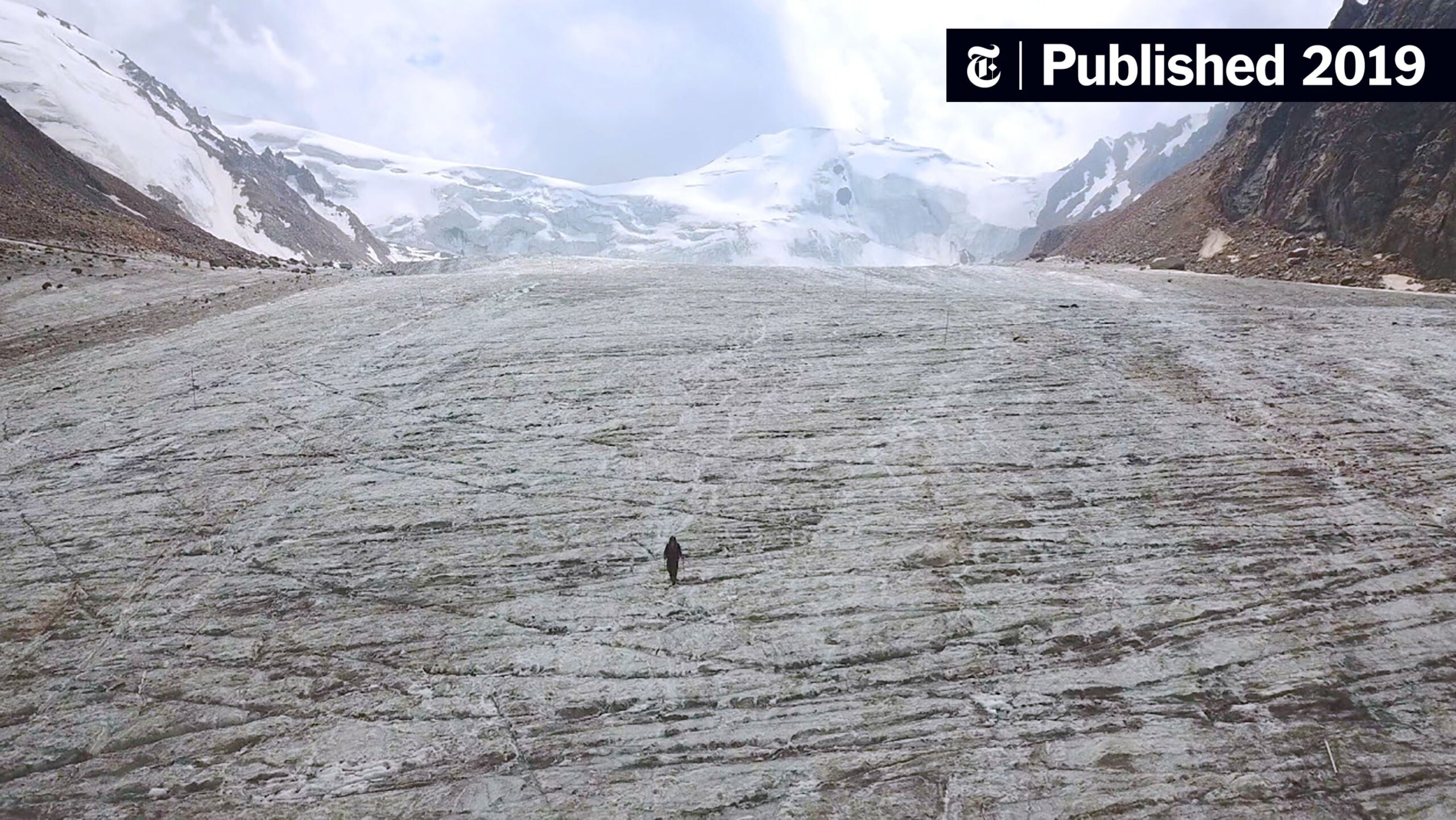
Human CO₂ emissions are the primary driver of accelerating glacier melt, backed by observations and climate models; learn the science, impacts, and realistic solutions.
Quick Answer
Human‑generated carbon dioxide traps additional heat in the atmosphere, raising global temperatures. Warmer air and oceans increase energy reaching glacier surfaces, causing them to lose mass faster than in the pre‑industrial era. Multiple lines of evidence – satellite records, ice‑core data, and climate‑model attribution studies – show a strong link between rising CO₂ and observed glacier retreat worldwide. The most immediate implication is reduced meltwater for downstream communities and rising sea levels, although natural variability still modulates local trends.
Key Takeaways
- Atmospheric CO₂ has risen from ~280 ppm in 1750 to over 415 ppm in 2023, driving a global temperature increase of ~1.1 °C.
- Glaciers worldwide lost an average of 267 Gt of ice per year between 2000 and 2019, a rate three times faster than the 20th‑century average.
- Attribution studies attribute >80 % of recent glacier mass loss to human‑induced warming.
- Impacts include freshwater scarcity for mountain communities, sea‑level rise, and ecosystem disruption.
- Mitigation (reducing CO₂) and adaptation (water‑resource planning) are both required, with mitigation offering the greatest long‑term benefit.
What Is Is Human CO₂ Really Causing Glaciers to Melt?
The question asks whether the increase in atmospheric carbon dioxide from human activities is responsible for the accelerated loss of glacier ice observed in recent decades. Glaciers are large, persistent bodies of ice that flow slowly under their own weight. They respond to changes in temperature, precipitation, and energy balance. The term does not refer to a single glacier but to the global ensemble of mountain glaciers, ice caps, and the margins of the Greenland and Antarctic ice sheets.
How Does It Work?
1. The Greenhouse Effect and CO₂
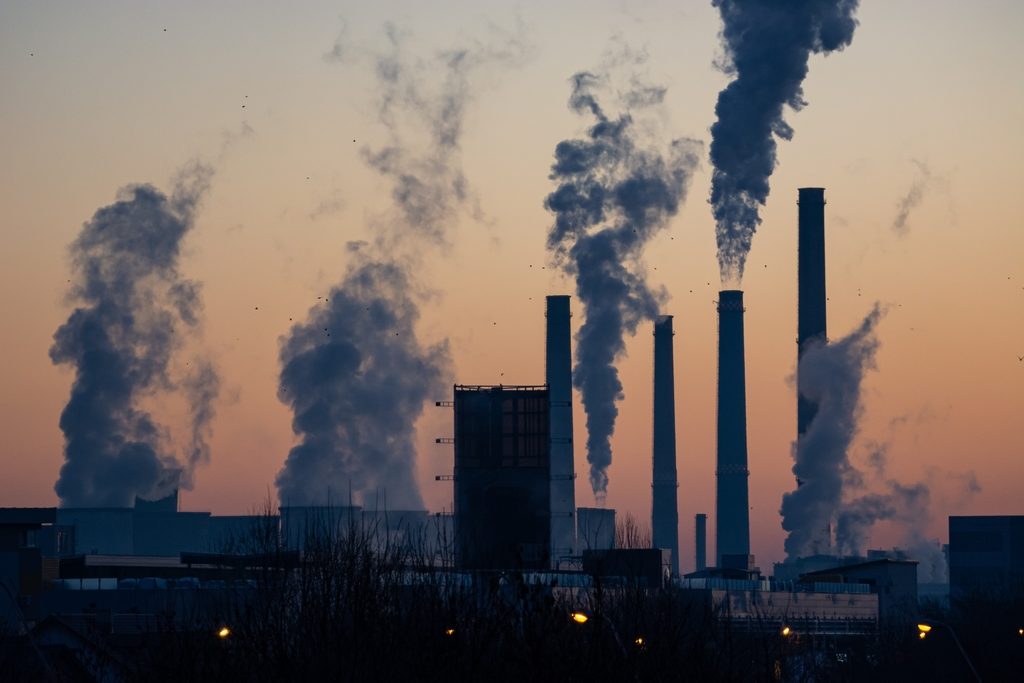
Carbon dioxide absorbs infrared radiation emitted by Earth and re‑emits it back toward the surface, creating a warming effect. Since the Industrial Revolution, fossil‑fuel combustion, cement production, and land‑use change have added roughly 2 Gt of CO₂ to the atmosphere each year, raising concentrations by about 2 ppm annually.
2. Energy Balance at the Glacier Surface
Glacier melt is controlled by the net energy flux at the ice surface, which includes shortwave solar radiation, longwave radiation from the atmosphere, sensible heat from warm air, and latent heat from moisture. Higher atmospheric temperatures increase sensible heat, while a warmer, more humid atmosphere raises longwave radiation, both accelerating melt.
3. Oceanic Influence on Tidewater and Outlet Glaciers
Warmer ocean waters erode the fronts of glaciers that terminate in the sea, a process documented for many Alaskan and West‑Antarctic glaciers. The ocean heat flux is directly linked to atmospheric warming driven by CO₂.
4. Feedbacks
As glaciers shrink, their darker underlying surfaces absorb more solar energy (the albedo feedback), further enhancing melt. Meltwater can percolate to the glacier base, lubricating flow and increasing discharge.
What Does the Evidence Show?
Evidence comes from three complementary strands:
- Direct observations: Satellite gravimetry (GRACE) and laser altimetry have recorded a net loss of ~267 Gt yr⁻¹ from 2000‑2019 (World Glacier Monitoring Service, 2022). Ground‑based mass‑balance stations in the Himalaya, Andes, and Alps report consistent negative balances.
- Historical reconstructions: Ice cores preserve past CO₂ concentrations and isotopic temperature proxies. The last 800 years show a tight correlation between CO₂ spikes and periods of glacier retreat, but the post‑1850 rise is unprecedented in magnitude and rate.
- Attribution modelling: The IPCC AR6 (2021) attributes >80 % of observed glacier mass loss since 1990 to anthropogenic warming, based on ensembles that isolate natural variability.
All lines converge on the conclusion that human‑driven CO₂ increase is the dominant driver of the recent acceleration in glacier melt.
Main Causes or Drivers
Direct Human Causes
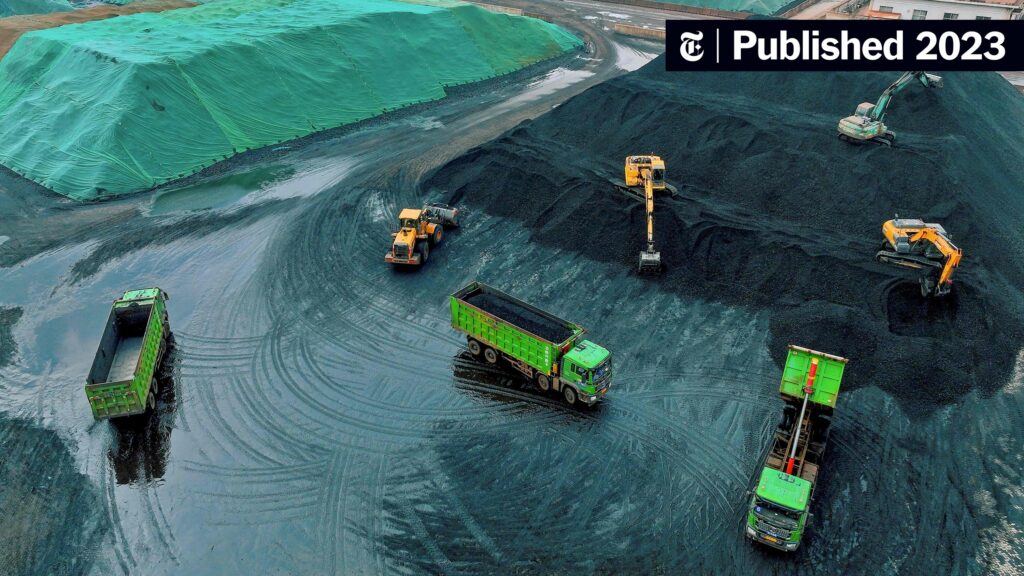
- Burning of coal, oil, and gas releases CO₂ and other greenhouse gases.
- Deforestation reduces carbon uptake, amplifying atmospheric concentrations.
Underlying Physical Drivers
- Global mean surface temperature rise (≈1.1 °C since pre‑industrial times).
- Increased atmospheric water vapour, a strong greenhouse gas that amplifies warming.
Natural Variability (Modulating Factor)
- Decadal oceanic oscillations (e.g., Pacific Decadal Oscillation) can temporarily accelerate or slow melt in specific basins, but they do not explain the long‑term trend.
Environmental and Human Impacts
Environmental Impacts
Glacier retreat reduces the albedo of mountainous terrain, contributes to sea‑level rise (≈0.2 mm yr⁻¹ from glacier melt alone), and alters downstream ecosystems that depend on cold, steady meltwater.
Human Health and Social Impacts
Many high‑altitude communities rely on glacier runoff for drinking water and irrigation. Declining meltwater threatens food security and can increase competition for water during dry seasons.
Economic and Infrastructure Impacts
Reduced summer flow can affect hydropower generation, while increased glacial lake outburst floods (GLOFs) pose risks to settlements and infrastructure in the Himalaya and Andes.
Regional Differences
Glacier response varies with latitude, altitude, and local climate:
- High‑latitude Arctic: Ice‑sheet margins in Greenland are losing mass at ~280 Gt yr⁻¹ (NASA, 2021), driven by both surface melt and oceanic melting.
- Mid‑latitude mountains (e.g., Alps, Rockies): Most glaciers have retreated >30 % of their 19th‑century extent, with some disappearing entirely.
- Tropical Andes and Himalaya: Even small temperature increases cause substantial mass loss because these glaciers exist near the melting point.
What Scientists Know With High Confidence
What Scientists Know With High Confidence
- Atmospheric CO₂ concentrations have risen sharply since 1850 and are the primary driver of global warming.
- Global glacier mass has declined markedly over the past four decades, as shown by satellite and ground measurements.
- Climate‑model attribution studies consistently attribute the majority of observed glacier loss to anthropogenic greenhouse‑gas emissions.
- Continued CO₂ emissions will likely increase the rate of glacier retreat and associated sea‑level contribution.
What Remains Uncertain
What Remains Uncertain
Key uncertainties include the precise timing of regional thresholds where melt accelerates, the future contribution of black‑carbon deposition on glacier surfaces, and the extent to which internal climate variability (e.g., volcanic eruptions) may temporarily offset or amplify melt trends. Improved high‑resolution monitoring and refined ice‑dynamic models are needed to narrow these gaps.
Common Misconceptions
Common Misconceptions
Misconception: Glaciers would disappear even without human CO₂.
Reality: Natural climate cycles have caused glacier advance and retreat, but the rapid, global-scale loss observed since the mid‑20th century exceeds any known natural variability and aligns with the timing of CO₂ emissions.
Misconception: Only the polar ice sheets matter for sea‑level rise.
Reality: Mountain glaciers, though smaller individually, collectively contribute ~0.2 mm yr⁻¹ to sea‑level rise, a non‑negligible portion of the total observed increase.
Misconception: Reducing CO₂ will instantly stop glacier melt.
Reality: Ice has thermal inertia; even if emissions were halted today, glaciers would continue to lose mass for decades due to existing warming and feedbacks.
Solutions and Limitations
Effective responses fall into mitigation and adaptation:
- Mitigation: Rapid decarbonisation of energy systems can limit temperature rise to <1.5 °C, substantially reducing future melt rates. Limitations include political feasibility, required investment, and transition timelines.
- Adaptation: Developing water‑storage infrastructure, improving glacier‑runoff forecasting, and establishing early‑warning systems for GLOFs can reduce vulnerability. These measures do not address the root cause and can be costly for low‑income regions.
- Conservation: Protecting upstream catchments reduces sediment and black‑carbon deposition that accelerate melt, but land‑use changes are often driven by broader socioeconomic pressures.
What Individuals, Communities, and Governments Can Do
What Individuals Can Do
- Support policies and candidates that prioritize clean‑energy transitions.
- Reduce personal carbon footprints through energy efficiency, low‑carbon travel, and sustainable consumption.
- Participate in community water‑conservation projects in glacier‑dependent regions.
What Communities and Organizations Can Do
- Implement integrated water‑resource management that accounts for shrinking glacier contributions.
- Invest in local climate monitoring (e.g., stream gauges) to improve early‑warning capacity.
- Promote sustainable tourism that limits waste and black‑carbon deposition on glacier surfaces.
What Governments Can Do
- Enact and strengthen nationally determined contributions (NDCs) to cut CO₂ emissions in line with the Paris Agreement.
- Fund research and monitoring networks such as the World Glacier Monitoring Service.
- Develop adaptation plans for water‑scarcity and GLOF risk, prioritising vulnerable mountain communities.
Synthesis
Human‑generated CO₂ is the principal driver of the accelerated glacier melt observed worldwide, a conclusion supported by direct measurements, ice‑core records, and robust attribution modelling. While natural variability influences local rates, the overarching trend cannot be explained without invoking anthropogenic warming. The consequences—reduced freshwater, sea‑level rise, and ecosystem disruption—are already evident in many regions. High‑confidence findings guide decisive mitigation to curb emissions and targeted adaptation to protect water‑dependent societies. Uncertainties remain in regional thresholds and feedback mechanisms, underscoring the need for continued monitoring and research.
Frequently Asked Questions
How does carbon dioxide lead to glacier melting?
Carbon dioxide traps infrared radiation, raising global temperatures. Warmer air and oceans increase the energy reaching glacier surfaces, which accelerates melt rates and reduces overall ice mass.
What is the observed rate of global glacier loss?
Between 2000 and 2019, glaciers worldwide lost an average of about 267 gigatons of ice per year, a rate three times faster than the average loss during the 20th century.
Are natural climate cycles the main cause of recent glacier retreat?
Natural cycles affect short‑term variability, but the long‑term, rapid retreat since the mid‑20th century aligns closely with rising CO₂ levels and is not explained by natural variability alone.
What impacts does glacier melt have on human societies?
Melting glaciers reduce reliable meltwater for drinking, agriculture, and hydropower, increase risk of glacial lake outburst floods, and contribute to sea‑level rise that threatens coastal communities.
What actions can governments take to address glacier melt?
Governments can strengthen CO₂ emission reductions under the Paris Agreement, fund glacier monitoring programs, and develop adaptation plans for water scarcity and flood risk in mountain regions.





Leave a Comment