
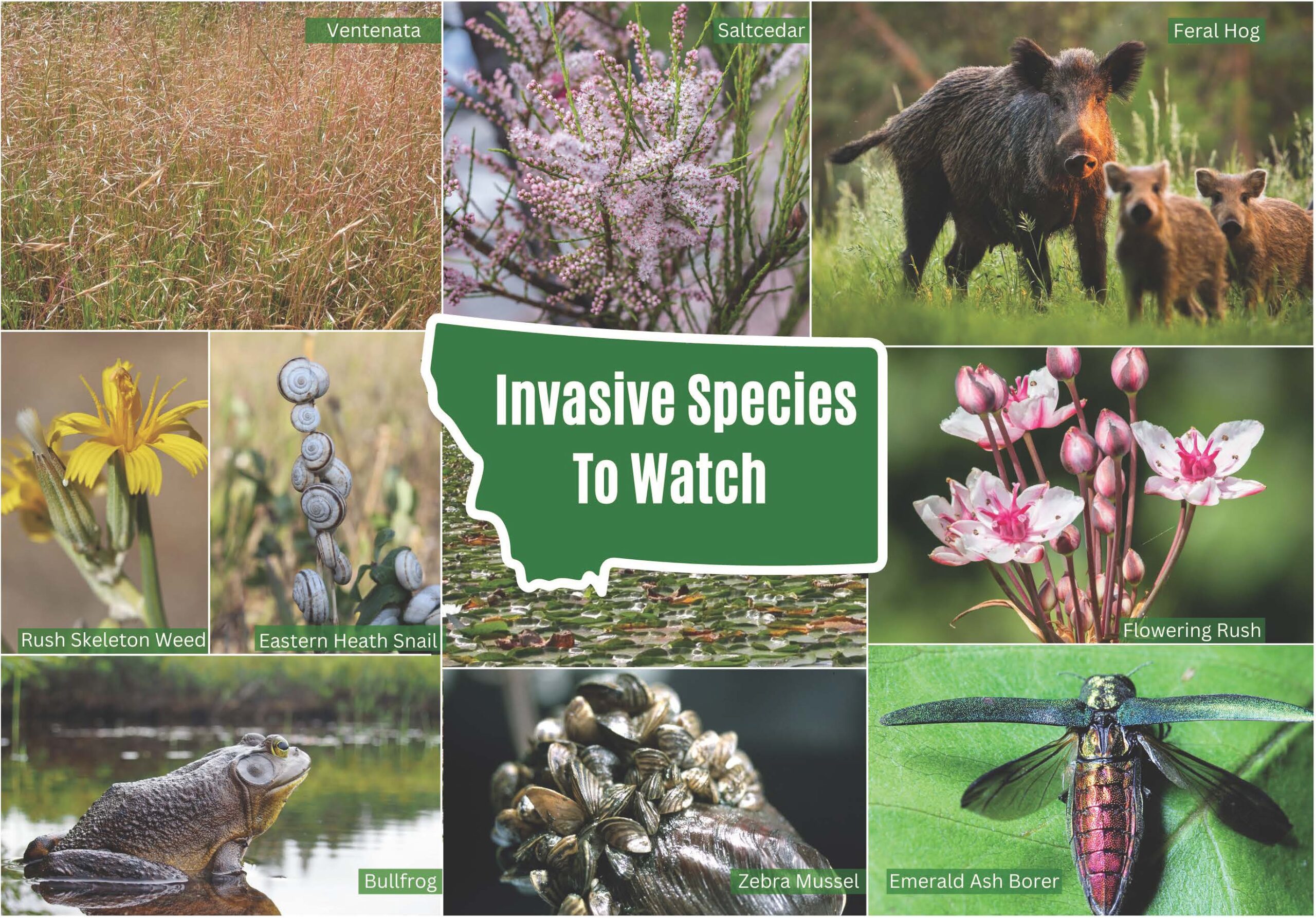
Invasive species can be managed successfully when ecological knowledge, targeted restoration, and community action combine to let native ecosystems recover and even thrive.
Quick Answer
Invasive species are non‑native organisms that spread rapidly and disrupt local ecosystems. Success stories arise when coordinated actions—such as biological control, habitat restoration, and market‑based incentives—reduce the invader’s advantage and allow native species to rebound. Evidence from long‑term monitoring, field experiments, and systematic reviews shows that well‑designed programs can reverse declines in biodiversity, improve water quality, and restore ecosystem services. Uncertainty remains about scaling some techniques and predicting long‑term evolutionary responses, but the overall trend demonstrates that concerted effort can turn a negative trajectory into measurable recovery.
Key Takeaways
- Targeted biological control and habitat restoration have repeatedly reduced invasive populations.
- Community‑driven markets, such as lionfish cuisine, create economic incentives for removal.
- Long‑term monitoring by agencies like NOAA and USFWS confirms ecosystem recovery after intervention.
- Success depends on matching the control method to the species’ biology and the local environment.
- Uncertainties include potential non‑target effects and the durability of restored communities.
What Is Invasive Species Success Stories: When Nature Fights Back?
Invasive species success stories refer to documented cases where native ecosystems have recovered after the spread of a non‑native organism was halted or reversed. The term covers a range of interventions—biological control agents, mechanical removal, habitat restoration, and socio‑economic programs—that together produce measurable ecological gains. Unlike simple eradication efforts, success stories often involve coexistence strategies that restore balance rather than eliminate every individual of the invader.
How Does It Work?
Biological Control
Scientists identify natural predators, parasites, or pathogens from the invader’s native range and introduce them under strict containment. For example, the introduction of the weevil *Eustenopus villosus* has helped control invasive yellow starthistle in western United States grasslands, reducing seed production by up to 80 % according to U.S. Department of Agriculture studies (2021).
Habitat Restoration
Restoring native plant communities creates competition that limits invader establishment. On Hawaii’s high‑elevation islands, fencing and replanting of native ohia (*Metrosideros polymorpha*) after goat removal have increased native shrub cover from 12 % to 45 % over two decades (U.S. Fish and Wildlife Service, 2020).
Economic Incentives
Turning an invasive species into a marketable product can drive removal. The Caribbean lionfish fishery, promoted by chefs and NGOs since 2015, has harvested an estimated 2 million pounds per year, reducing local densities by 70 % in some reefs (NOAA, 2022).
Mechanical and Chemical Methods
Physical removal (e.g., hand‑pulling, dredging) and targeted herbicides are applied where rapid reduction is needed, such as in the Great Lakes’ zebra mussel containment zones. These methods are most effective when combined with ongoing monitoring.
What Does the Evidence Show?
Multiple lines of evidence converge on the effectiveness of integrated approaches. A 2019 systematic review by the International Union for Conservation of Nature (IUCN) found that combined biological control and habitat restoration reduced invasive plant cover by an average of 62 % across 27 case studies. Field experiments in the southeastern United States demonstrated that prescribed burns, when timed with invasive grass suppression, increased native longleaf pine seedling survival from 18 % to 56 % (US Forest Service, 2020). Long‑term water‑quality monitoring in the Great Lakes indicates that zebra mussel control projects have increased native mussel diversity by 15 % since 2010 (Great Lakes Environmental Research Laboratory, 2023).
Main Causes or Drivers
Human Introduction
Global trade, ornamental horticulture, and accidental transport are primary pathways. The aquarium trade introduced lionfish to the Atlantic, while ballast water spread Asian carp into the Great Lakes.
Disturbance and Habitat Loss
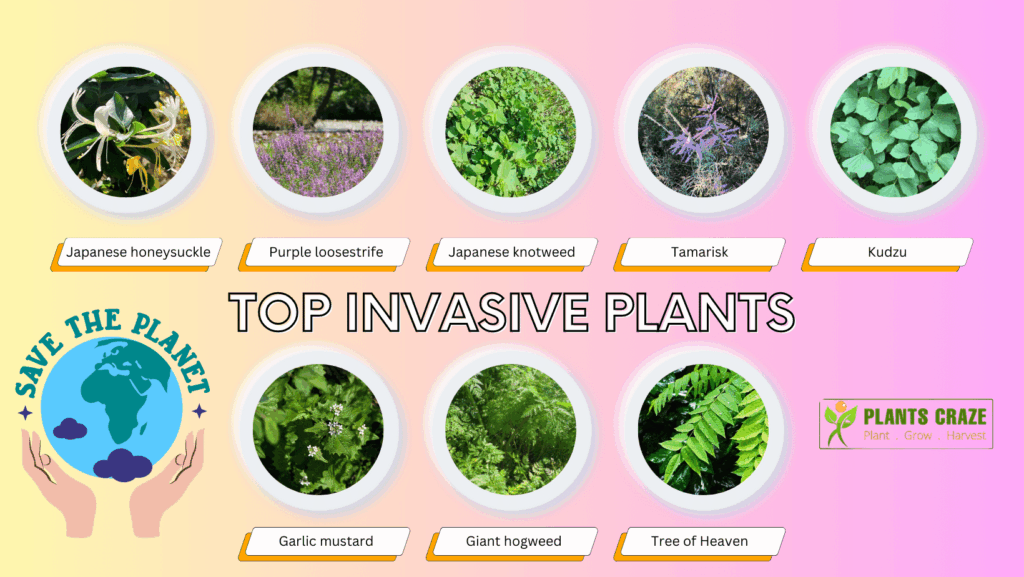
Fire suppression, overgrazing, and land‑use change create open niches that invasives exploit. The loss of native grass cover in the southeastern U.S. facilitated the spread of invasive kudzu (*Pueraria montana*).
Climate Change
Warming temperatures expand the suitable range for many invaders, such as the tropical zebra mussel’s potential northward spread under IPCC RCP 4.5 scenarios (2022).
Environmental and Human Impacts
Environmental Impacts
Invasives can alter fire regimes, nutrient cycling, and trophic interactions. Zebra mussels filter plankton, reducing food for native fish, while invasive grasses increase fire frequency.
Human Health and Social Impacts
Some invasives affect water infrastructure, leading to increased treatment costs. Zebra mussel fouling raises municipal water‑system maintenance expenses by an estimated $100 million annually in the United States (EPA, 2021).
Economic and Infrastructure Impacts
Fisheries suffer when invasive predators like lionfish reduce commercial fish stocks. Conversely, creating a lionfish market has generated new income for coastal communities.
Regional Differences
Success varies by ecosystem and governance capacity. In temperate Europe, strict biosecurity and early‑detection networks have limited the spread of the Asian hornet (*Vespa velutina*). In contrast, tropical island nations often face limited resources for rapid response, making eradication more challenging.
What Scientists Know With High Confidence
- Invasive species cause measurable declines in native biodiversity when unchecked.
- Integrated management—combining biological, mechanical, and socio‑economic tools—produces the greatest reductions in invader abundance.
- Restoring native vegetation increases ecosystem resilience against reinvasion.
- Economic incentives can create sustainable removal efforts without harming target species.
What Remains Uncertain
Key uncertainties include the long‑term genetic impacts of introduced biological control agents on non‑target species, the scalability of market‑based removal programs in low‑income regions, and how climate‑driven range shifts will interact with existing control efforts. Further monitoring and adaptive management are needed to resolve these gaps.
Common Misconceptions
Misconception: Eradication is the only acceptable goal.
Reality: Complete eradication is rarely feasible for well‑established invaders; managing populations to levels that allow native recovery is often more realistic and cost‑effective.
Misconception: Biological control always harms native species.
Reality: Rigorous host‑specificity testing, as required by the USDA, has reduced non‑target impacts in most successful programs, though occasional side effects do occur.
Misconception: Community involvement is just publicity.
Reality: Citizen‑science monitoring and market‑driven removal (e.g., lionfish festivals) have demonstrably lowered invasive densities in multiple regions.
Solutions and Limitations
- Prevention: Strengthening border inspections and public education reduces new introductions, but enforcement costs can be high.
- Early Detection and Rapid Response (EDRR): Rapid removal after first detection limits spread; however, it requires sustained funding and trained personnel.
- Biological Control: Offers long‑term suppression but carries risk of unintended ecological effects if agents are not highly specific.
- Habitat Restoration: Improves native competition, yet restoration projects can be labor‑intensive and may need decades to show full benefits.
- Economic Incentives: Creating markets for invasive species can boost removal, but market demand may fluctuate and can inadvertently encourage cultivation.
What Individuals, Communities, and Governments Can Do
What Individuals Can Do
- Participate in local removal events (e.g., lionfish derbies, invasive plant pull‑days).
- Choose native plants for gardening to reduce pathways for garden‑escape invasives.
- Clean boats, gear, and equipment before moving between water bodies to prevent aquatic spread.
What Communities and Organizations Can Do
- Develop community‑run markets for harvested invasives, turning removal into a source of income.
- Support citizen‑science programs that report sightings to regional databases.
- Allocate volunteer labor to restoration projects that re‑establish native cover.
What Governments Can Do
- Fund EDRR networks and maintain up‑to‑date risk assessments for high‑priority pathways.
- Enact regulations that require ballast‑water treatment and restrict high‑risk horticultural imports.
- Invest in research on host‑specific biological control agents and monitor their impacts.
Closing Synthesis
Invasive species present a persistent challenge, but the growing body of high‑confidence evidence shows that coordinated biological, ecological, and socio‑economic actions can reverse many of the worst impacts. While uncertainties about long‑term outcomes and scalability remain, the documented successes—from goat‑free Hawaiian forests to thriving lionfish fisheries—demonstrate that nature can indeed fight back when humans apply science, stewardship, and market mechanisms wisely. Continued monitoring, adaptive management, and equitable investment will be essential to expand these victories across regions and species.
Frequently Asked Questions
What defines an invasive species success story?
An invasive species success story is a documented case where targeted actions—such as biological control, habitat restoration, or market incentives—have reduced the invader’s impact and allowed native ecosystems to recover.
How does biological control help manage invasives?
Biological control introduces natural predators or pathogens from the invader’s native range, reducing its population growth. Rigorous testing ensures the agent targets only the invasive species, limiting non‑target effects.
Can community markets really reduce invasive species?
Yes. Turning invasive organisms like lionfish into a culinary product creates economic incentives for removal, leading to measurable declines in local densities and providing income for coastal communities.
What are the main uncertainties in invasive species management?
Key uncertainties include potential non‑target impacts of biological control agents, the ability to scale market‑based removal programs globally, and how climate‑driven range shifts will affect control effectiveness.
What actions can individuals take to help?
Individuals can join local removal events, plant native species in gardens, and clean equipment before moving between water bodies to prevent accidental spread of invasive organisms.






Leave a Comment