
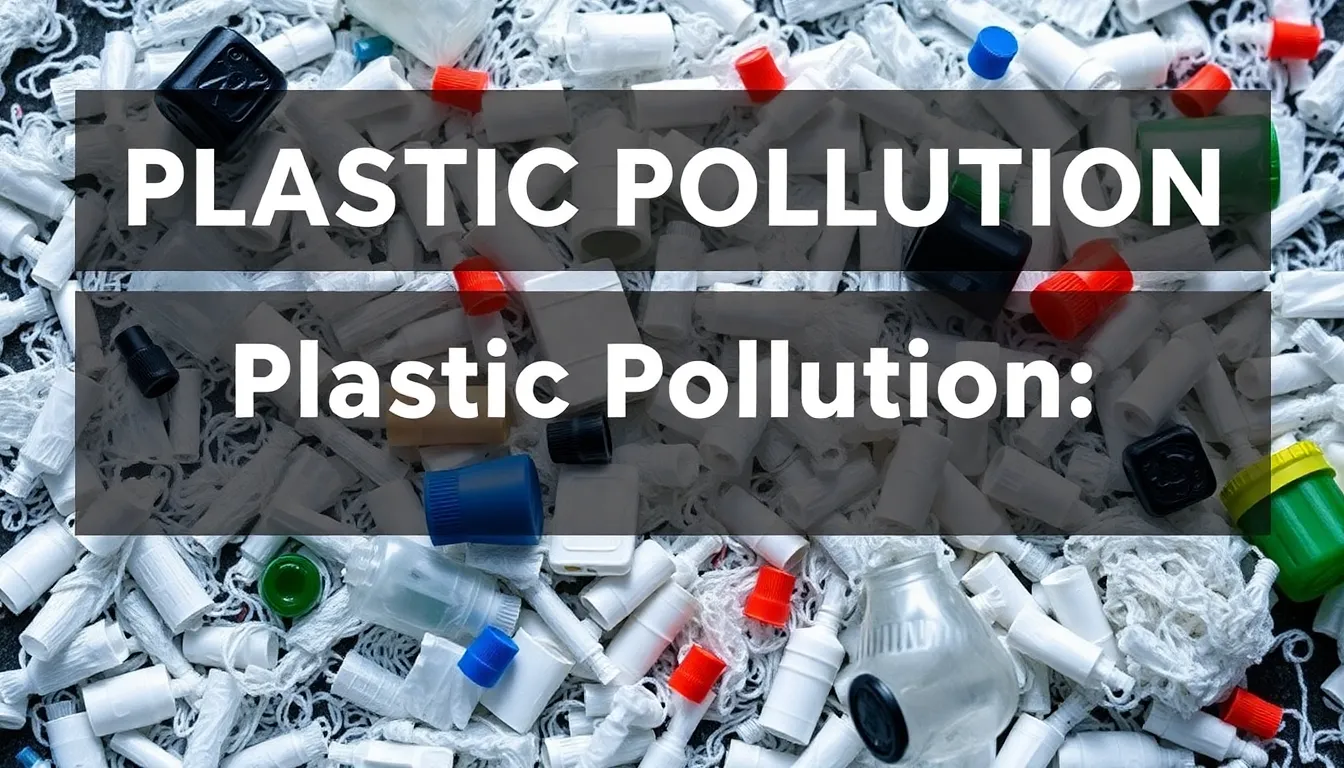
What Is Plastic Pollution?
Plastic pollution refers to the accumulation of plastic products and fragments in the environment where they cause harm to ecosystems, wildlife, and people. Unlike biodegradable materials, most plastics persist for centuries, breaking down only into smaller pieces that stay in the environment.
For a complete picture, we must look at the entire life cycle, from raw material extraction to the formation of microplastics.
Why Does Plastic Pollution Matter?
- Ecological impact: Marine and terrestrial species ingest or become entangled in plastic debris, leading to injury or death.
- Human health risks: Chemicals leached from plastics can enter food chains, contributing to endocrine disruption and other health concerns.
- Economic costs: Cleanup, loss of tourism revenue, and damage to fisheries cost billions each year.
- Social equity: Communities near waste sites often face disproportionate exposure, linking plastic pollution to environmental justice issues.
How Plastic Pollution Travels From Production to Microplastics
1. Raw Material Extraction
Most plastics are derived from petroleum or natural gas. Extraction processes contribute to air pollution and greenhouse gas emissions, intertwining plastic production with climate change.
2. Manufacturing and Polymerisation
During polymerisation, monomers are linked into long chains, creating polymers such as polyethylene (PE), polypropylene (PP), and polyethylene terephthalate (PET). Manufacturing releases volatile organic compounds (VOCs) and other pollutants, adding to chemical pollution.
3. Distribution and Packaging
Finished plastic products are shipped worldwide, often wrapped in additional plastic packaging. Transportation generates further emissions, and excessive packaging contributes directly to visible litter.
4. Consumer Use
Everyday items—bottles, bags, food containers—are used briefly but persist long after disposal. Improper disposal leads to litter that can travel via wind and waterways into oceans, rivers, and soils.
5. End‑of‑Life Options
- Landfill: Plastics occupy space for centuries and may leach additives into soil and groundwater.
- Incineration: Burning releases toxic dioxins and contributes to air pollution.
- Recycling: While a preferred route, recycling rates remain low; contamination and down‑cycling limit effectiveness.
- Mismanaged waste: The majority of mismanaged plastic ends up in the environment, where it fragments.
6. Fragmentation Into Microplastics
Physical, chemical, and biological forces break larger plastic items into particles smaller than 5 mm—known as microplastics. Sources include:
- Wear of synthetic textiles during washing.
- Breakdown of tire rubber on roads.
- Degradation of fishing gear and bottles in marine settings.
- Industrial processes that release plastic pellets (nurdles).
These particles are easily ingested by marine organisms, enter the food web, and can be inhaled by humans as airborne dust.
Microplastics: Hidden Threats Across Ecosystems
Microplastics are not just tiny bits of waste; they act as vectors for other pollutants. Their large surface area absorbs heavy metals, persistent organic pollutants, and microbial pathogens, amplifying chemical exposure for wildlife and people.
Studies have detected microplastics in drinking water, table salt, and even the air of indoor environments, linking them directly to pollution and human health concerns.
Intersections With Other Forms of Pollution
Plastic pollution does not exist in isolation. It interacts with other pollution streams, creating compound challenges.
Air Pollution
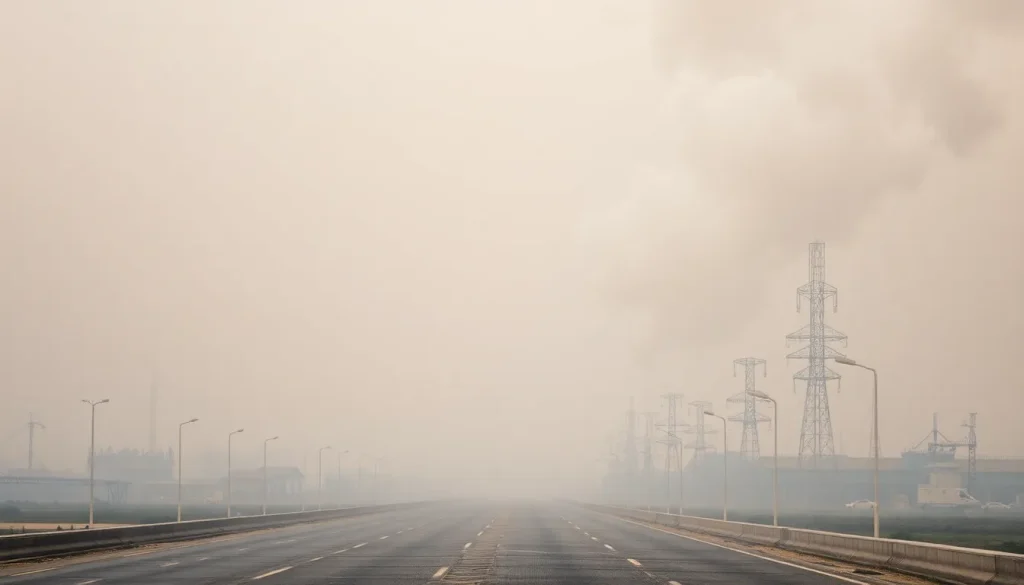
Incineration of plastic waste releases carbon monoxide, nitrogen oxides, and dioxins, worsening air quality and contributing to respiratory problems.
Water Pollution
Plastics litter rivers and oceans, adding to the already severe water pollution crisis. Floating debris blocks sunlight, affecting photosynthesis and oxygen levels.
Chemical Pollution
Plastic additives such as phthalates, bisphenol A (BPA), and flame retardants leach into soils and waterways, contaminating ecosystems and entering the food chain.
Noise and Light Pollution
While not directly caused by plastic, the production and transportation of plastic goods generate noise and light disturbances that affect wildlife, especially in coastal and urban areas.
Impacts on Human Health
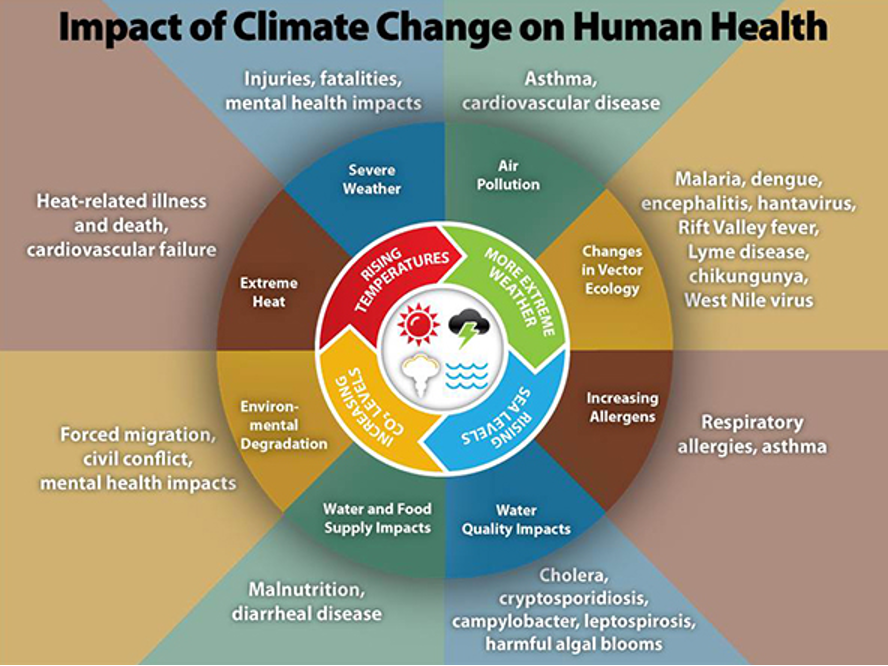
Human exposure to plastic‑derived chemicals can occur through ingestion, inhalation, and dermal contact. Potential health effects include:
- Endocrine disruption from BPA and phthalates.
- Inflammatory responses linked to microplastic particles in the gut.
- Increased risk of certain cancers associated with long‑term exposure to dioxins from incineration.
Vulnerable populations—children, pregnant people, and communities near waste facilities—face higher exposure levels, underscoring the link between plastic pollution and environmental justice.
Waste Management and Recycling Strategies
Effective management of plastic waste is essential to halt the flow of debris into the environment.
Improving Collection Systems
Investing in curbside collection, especially for hard‑to‑recycle items, reduces litter and provides cleaner feedstock for recycling facilities.
Advanced Recycling Technologies
Mechanical recycling can down‑cycle plastics into lower‑grade products, while chemical recycling breaks polymers back into monomers for “closed‑loop” reuse. Both methods are emerging and require policy support.
Extended Producer Responsibility (EPR)
EPR policies make manufacturers financially responsible for the end‑of‑life of their products, incentivising design for recyclability and funding collection programs.
Community‑Based Initiatives
Local clean‑up events, beach patrols, and educational campaigns raise awareness and directly remove litter before it fragments.
For a deeper dive into practical waste solutions, see our waste and recycling resources.
Policy Landscape and Global Initiatives
International agreements such as the United Nations’ Sustainable Development Goal 14 (Life Below Water) target a 30% reduction in marine litter by 2030. Nations are also implementing bans on single‑use plastics, deposit‑return schemes, and microbead prohibitions.
Effective policy requires coordination between governments, industry, and civil society to address the entire lifecycle—from feedstock extraction to product design.
What Individuals Can Do Today
- Choose reusable alternatives: Swap single‑use bottles, bags, and cutlery for durable options.
- Support responsible brands: Purchase products made from recycled or biobased plastics and those with transparent supply chains.
- Participate in clean‑ups: Join local beach or river clean‑up events to remove litter before it degrades.
- Properly sort waste: Follow local recycling guidelines and avoid contaminating streams.
- Advocate for policy change: Vote for representatives who back EPR legislation and plastic bans.
Every action, however small, contributes to reducing the overall load of plastic in the environment.
Future Outlook: Towards a Circular Plastic Economy
Scientists and innovators are developing biodegradable polymers, enzyme‑based recycling, and design standards that eliminate unnecessary packaging. If these technologies scale, the flow of new plastic into the environment could be dramatically reduced, while existing waste is turned into resources.
Continued research into the health effects of microplastics, combined with stronger regulations, will shape a future where plastic pollution no longer threatens ecosystems, public health, or social equity.
Related Topics to Explore
Readers interested in the broader context may also explore articles on air pollution, water pollution, chemical pollution, and the role of noise and light pollution in ecosystem health.
Conclusion
Plastic pollution is a complex, multi‑stage problem that begins with fossil‑fuel extraction and ends with invisible microplastics infiltrating air, water, and food. Its impacts span ecological damage, human health risks, and social inequities. By understanding the full lifecycle, supporting better waste management, and demanding policy reforms, societies can move toward a circular economy where plastics are designed for reuse rather than endless accumulation.
Frequently Asked Questions
What are the main sources of plastic pollution?
The main sources include production of single‑use items, mismanaged waste that escapes landfills, litter from packaging, synthetic textile fibers released during washing, tire wear, and industrial spills of plastic pellets.
How does plastic turn into microplastics?
Large plastic pieces break down through physical forces (waves, abrasion), chemical degradation (UV light, heat), and biological activity, forming particles smaller than 5 mm that can be inhaled, ingested, or settle in ecosystems.
What health risks are linked to plastic pollution?
Exposure to plastic additives like BPA and phthalates can disrupt hormones, while inhaled or ingested microplastics may cause inflammation and carry toxic chemicals, potentially increasing risks of metabolic disorders and certain cancers.
How does plastic pollution intersect with environmental justice?
Communities near waste dumps or incinerators often experience higher exposure to toxic emissions and litter, leading to disproportionate health impacts and highlighting the need for equitable waste‑management policies.
What can individuals do to reduce plastic pollution?
Choose reusable products, support brands using recycled materials, properly sort and recycle waste, join local clean‑up events, and advocate for policies that limit single‑use plastics and promote extended producer responsibility.




Leave a Comment