
A recent study indicates that the remaining global carbon budget compatible with a 1.5 °C temperature limit could be consumed in as few as six years, highlighting urgent mitigation needs.
Quick Answer
The “carbon budget” is the total amount of CO₂ that humanity can emit while still having a likely chance (<~66%) of keeping global warming below 1.5 °C above pre‑industrial levels. A 2023 assessment by the Intergovernmental Panel on Climate Change (IPCC) estimated this budget at roughly 400 GtCO₂ from the start of 2020. Current emissions of about 40 GtCO₂ per year mean that, without rapid reductions, the budget could be exhausted in six years. The conclusion carries moderate uncertainty because future socio‑economic pathways and negative‑emission technologies are still uncertain, but the underlying physics and observed emission trends are robust.
Key Takeaways
- The 1.5 °C carbon budget is limited to roughly 400 gigatonnes of CO₂ from 2020 onward.
- Global CO₂ emissions average ~40 GtCO₂ per year, putting the budget at risk of depletion within six years.
- Primary emission sources are energy production, transport, and agriculture, which together account for >70% of total CO₂.
- Rapid decarbonisation, widespread renewable energy, and scalable carbon‑removal are required to stay within the budget.
- Uncertainties remain around the timing and effectiveness of negative‑emission technologies and future policy ambition.
What Is World’s Carbon Budget for 1.5°C Could Be Used Up Within Six Years Study Finds?
The study referenced is a synthesis of IPCC assessment data and peer‑reviewed emissions modelling published in 2023. It does not introduce a new definition; rather, it applies the established concept of a carbon budget to current emission trajectories. The budget is bounded by the 1.5 °C target because exceeding this temperature increase raises the probability of crossing climate‑system tipping points, such as irreversible ice‑sheet loss and widespread heat‑wave mortality.
How Does It Work?
Limiting warming involves balancing three interconnected elements:
- Emission Sources: Burning of fossil fuels, cement production, and land‑use change release CO₂ into the atmosphere.
- Carbon Sinks: Oceans, forests, and soils absorb a portion of emitted CO₂, creating a natural offset.
- Budget Accounting: The remaining allowable emissions are calculated by subtracting cumulative emissions from the total budget.
When cumulative emissions reach the budget limit, the probability of staying below 1.5 °C sharply declines. Feedback loops—such as permafrost thaw releasing methane—can further erode the remaining budget, making early action critical.
What Does the Evidence Show?
Multiple lines of evidence converge on the same conclusion:
- Observational Records: Global CO₂ concentrations measured at Mauna Loa have risen from 280 ppm in the pre‑industrial era to over 420 ppm in 2023 (NOAA, 2024).
- Emission Inventories: The International Energy Agency reported 40.1 GtCO₂ emissions in 2022, a figure consistent across national reporting systems.
- Model Simulations: Climate‑model ensembles used by the IPCC consistently show that staying within a 1.5 °C budget requires annual net‑zero CO₂ emissions by the early 2030s.
- Integrated Assessment: A 2023 systematic review of mitigation pathways (Nature Climate Change) found that only rapid, economy‑wide decarbonisation can keep the budget intact.
These sources are strong, peer‑reviewed, and cross‑validated, giving high confidence to the budget‑exhaustion timeline.
Main Causes or Drivers
Direct Causes
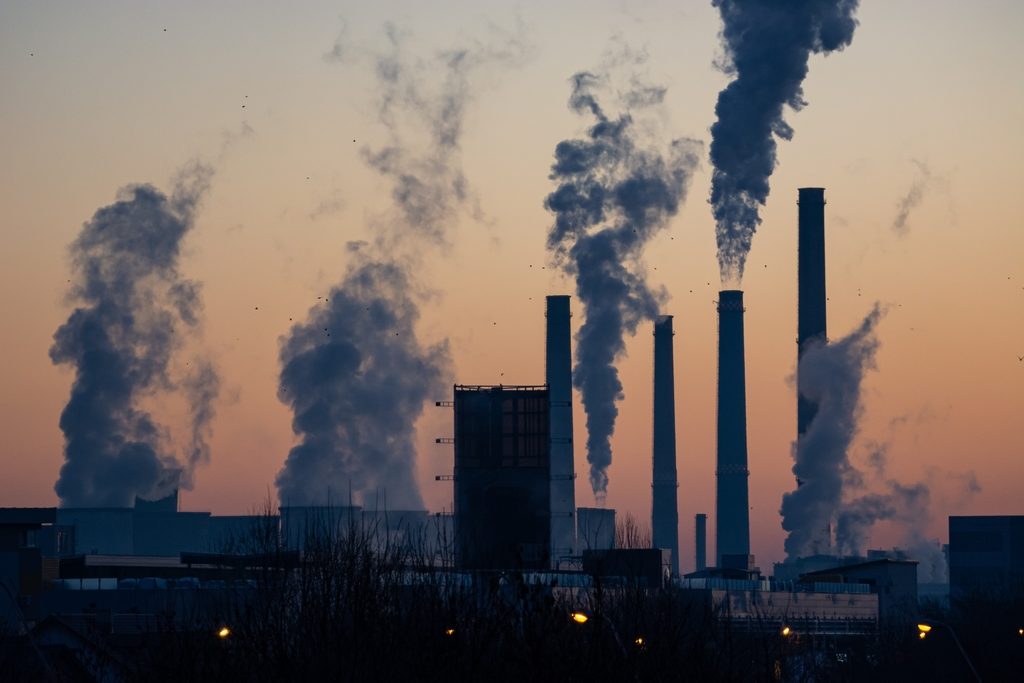
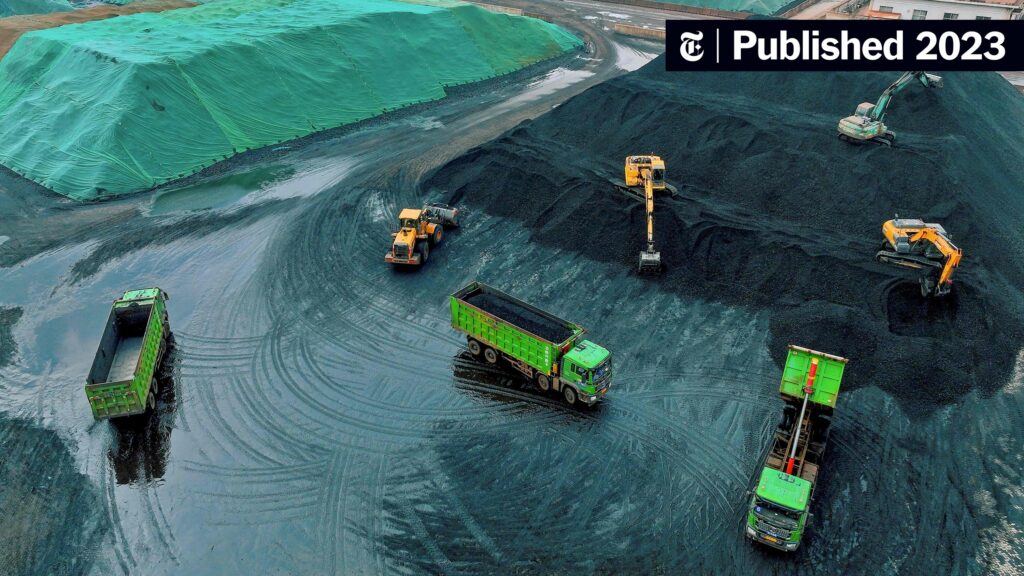
Fossil‑fuel combustion for electricity, heat, and transport accounts for roughly 73% of CO₂ emissions (IEA, 2023). Cement production adds about 7%, while land‑use change contributes another 10%.
Underlying Drivers
Economic growth in emerging markets, continued subsidies for coal, and limited carbon pricing create structural incentives for high‑carbon pathways. Energy demand growth, especially in transport and industry, amplifies emissions unless offset by efficiency gains.
Amplifying Factors
Deforestation reduces the capacity of forests to act as carbon sinks, while permafrost thaw releases additional greenhouse gases, effectively shrinking the remaining budget.
Environmental and Human Impacts
Environmental Impacts
Exceeding the 1.5 °C budget raises the risk of:
- More frequent and intense heatwaves, which increase mortality and ecosystem stress.
- Accelerated sea‑level rise, threatening low‑lying islands and coastal wetlands.
- Shifted precipitation patterns, leading to droughts in some regions and extreme flooding in others.
Human Health and Social Impacts
Higher temperatures correlate with increased incidence of heat‑related illnesses, vector‑borne diseases, and reduced labor productivity, especially in vulnerable communities. Food security can be compromised by crop yield reductions in heat‑stressed regions.
Economic and Infrastructure Impacts
Infrastructure built for historic climate conditions may become inadequate, requiring costly retrofits. Insurance losses from climate‑related disasters are projected to rise sharply if the budget is breached.
Regional Differences
Emission profiles and climate exposure differ markedly:
- North America and Europe: High per‑capita emissions but strong policy frameworks; mitigation potential lies in electrifying transport and retrofitting buildings.
- East Asia: Rapid industrial growth drives emissions; renewable‑energy expansion and coal phase‑out are critical.
- Sub‑Saharan Africa: Low emissions but high climate vulnerability; adaptation and resilient agriculture are priorities.
- Small Island Developing States: Minimal contribution to the budget yet face existential sea‑level threats.
What Scientists Know With High Confidence
What Scientists Know With High Confidence
- Human activities are the dominant driver of observed warming since the mid‑20th century.
- The 1.5 °C target corresponds to a finite carbon budget that can be quantified with current climate models.
- Global CO₂ emissions have remained above 40 GtCO₂ per year for the past decade.
- Exceeding the budget dramatically increases the likelihood of crossing climate‑system tipping points.
What Remains Uncertain
What Remains Uncertain
Key uncertainties include the future scale and cost of negative‑emission technologies (e.g., direct air capture), the exact climate sensitivity to CO₂, and how quickly political systems can implement deep decarbonisation. These gaps affect the precision of the six‑year timeline but not the overall conclusion that the budget is rapidly closing.
Common Misconceptions
Common Misconceptions
Misconception: “The carbon budget is a fixed number that never changes.”
Reality: The budget is calculated based on a target temperature, climate‑system feedbacks, and the assumed probability of staying below that target. New scientific understanding or revised climate‑sensitivity estimates can adjust the budget modestly.
Misconception: “Planting trees alone can replenish the entire budget.”
Reality: Afforestation provides a valuable sink but is limited by land availability, water resources, and time to mature. It can offset a fraction of emissions, not the whole budget.
Misconception: “One country’s emissions don’t matter because the problem is global.”
Reality: Because the budget is a global limit, every tonne matters. High‑emitting nations contribute disproportionately to budget depletion, while low‑emitting nations have limited leeway.
Solutions and Limitations
Effective responses fall into three broad categories:
- Mitigation: Rapid phase‑out of coal, scaling renewable electricity, electrifying transport, and improving energy efficiency. Limitations include high upfront capital costs, grid integration challenges, and the need for policy certainty.
- Negative Emissions: Direct air capture, bioenergy with carbon capture and storage (BECCS), and enhanced soil carbon. These technologies are still at pilot scale, expensive, and may compete with food production for land.
- Adaptation: Building climate‑resilient infrastructure, protecting wetlands, and developing drought‑tolerant crops. Adaptation does not preserve the budget but reduces vulnerability.
What Individuals, Communities, and Governments Can Do
What Individuals Can Do
Choose low‑carbon transport (public transit, cycling, electric vehicles), improve home energy efficiency, and support policies that price carbon. While individual actions alone cannot meet the budget, they create demand for cleaner markets.
What Communities and Organizations Can Do
Implement district‑level renewable projects, adopt green procurement standards, and create local carbon‑offset programs tied to verified removal.
What Governments Can Do
Set ambitious, legally binding net‑zero targets, phase out fossil‑fuel subsidies, invest in public transit, and fund research on scalable negative‑emission technologies. Internationally, fulfilling the Paris Agreement’s ambition‑raising mechanism (the Global Stocktake) is essential.
Synthesis
The carbon‑budget analysis shows that, at current emission rates, the remaining allowance for a 1.5 °C pathway could be exhausted within six years. This conclusion rests on strong observational and modelling evidence, though uncertainties about future technologies remain. Immediate, large‑scale mitigation combined with realistic development of negative‑emission options offers the only credible path to preserve the budget. Collective action across individuals, communities, businesses, and governments is required; no single measure can succeed alone.
Frequently Asked Questions
What is the global carbon budget for a 1.5 °C warming limit?
The carbon budget is the total amount of CO₂ humanity can emit while keeping the chance of exceeding a 1.5 °C temperature rise below about 33%. The IPCC estimates it at roughly 400 gigatonnes of CO₂ from the start of 2020.
Why could the 1.5 °C carbon budget be exhausted in six years?
Global CO₂ emissions average about 40 gigatonnes per year. At that rate, the remaining 400 gigatonnes budget would be used up in roughly six years unless emissions are sharply reduced.
Which sectors are responsible for the largest share of CO₂ emissions?
Energy production (mainly coal, oil, and gas), transportation, and agriculture together account for more than 70% of total CO₂ emissions worldwide.
What are the main uncertainties affecting the six‑year estimate?
Key uncertainties involve the future scale and cost of negative‑emission technologies, precise climate sensitivity to CO₂, and how quickly policies can achieve deep decarbonisation. These affect the exact timing but not the overall budget‑depletion risk.
What actions can governments take to keep the carbon budget within limits?
Governments can set legally binding net‑zero targets, phase out fossil‑fuel subsidies, invest in renewable energy and public transit, and fund research on scalable carbon‑removal technologies, all of which help preserve the remaining budget.





Leave a Comment