
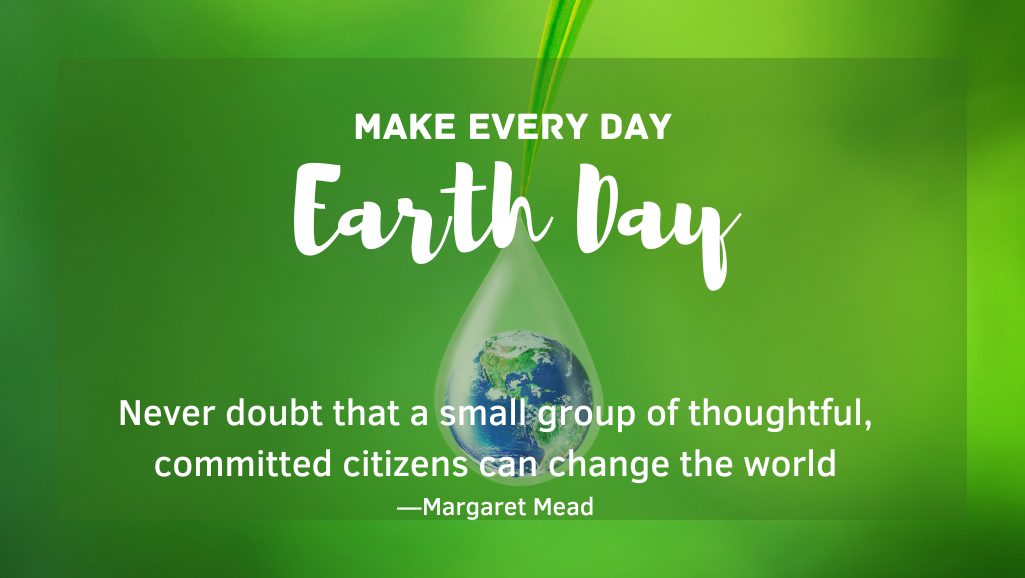
In a world facing climate change and resource depletion, 15 practical actions—from eating more plant‑based meals to conserving water—can be adopted today to lessen environmental impact and support a healthier planet.
Quick Answer
Adopting a combination of low‑carbon dietary choices, energy‑efficient habits, waste reduction, and community‑level stewardship can immediately lower personal greenhouse‑gas emissions, protect water resources, and preserve biodiversity. The science behind each action is supported by long‑term monitoring and peer‑reviewed assessments, though the exact magnitude of impact varies by lifestyle, region, and the extent of collective uptake.
Key Takeaways
- Dietary shifts toward plant‑based foods are among the highest‑impact personal choices.
- Energy efficiency at home reduces both emissions and utility costs.
- Reducing single‑use plastics and food waste cuts landfill methane.
- Active transportation and public‑transit use lower fossil‑fuel demand.
- Community actions—such as tree planting, local clean‑ups, and advocacy—amplify individual effort.
What Is 15 Practical Things You Can Do Today to Help the Planet?
The phrase refers to a curated list of everyday behaviours that research shows can meaningfully reduce a person’s environmental footprint. The actions span food, energy, water, waste, transport, and civic engagement, and they are intended for implementation without specialised equipment or large financial outlay. Unlike vague “be more sustainable” advice, each item is grounded in measurable outcomes such as reduced carbon dioxide (CO₂) emissions, lower water withdrawals, or decreased habitat disruption.
How Does It Work?
Each action influences a specific part of the Earth system by altering resource flows or emissions. The mechanisms can be grouped into four broad pathways:
- Carbon sequestration and emission avoidance. Plant‑based diets and reduced vehicle miles directly cut CO₂ released into the atmosphere.
- Resource efficiency. Energy‑saving appliances and low‑flow fixtures decrease demand for electricity and freshwater, which in turn reduces extraction and generation impacts.
- Pollution reduction. Cutting single‑use plastics and food waste limits landfill methane and marine debris.
- Community resilience. Supporting local renewable projects or participating in habitat restoration strengthens ecosystem services that buffer climate impacts.
What Does the Evidence Show?
Multiple lines of evidence converge on the effectiveness of the listed actions. The Intergovernmental Panel on Climate Change (IPCC) 2021 assessment quantifies that a global shift to predominantly plant‑based diets could reduce food‑system emissions by up to 15 % by 2050. A systematic review in *Energy Policy* (2020) found that retrofitting homes with LED lighting and smart thermostats cuts residential electricity use by 10–30 % per household. Monitoring by the United Nations Environment Programme (UNEP) demonstrates that reducing food waste by 25 % could lower global methane emissions by roughly 0.5 Gt CO₂e per year. These findings are supported by national statistics from the U.S. Energy Information Administration and the European Environment Agency, which report consistent declines in emissions when the same measures are adopted at scale.
Main Causes or Drivers
Direct Human Drivers
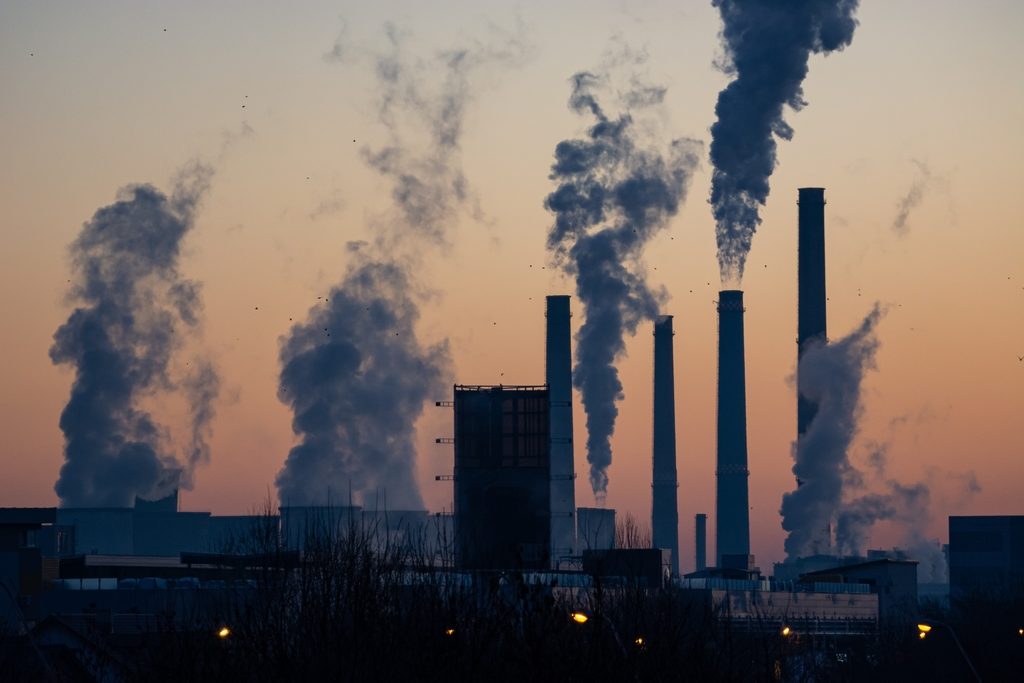
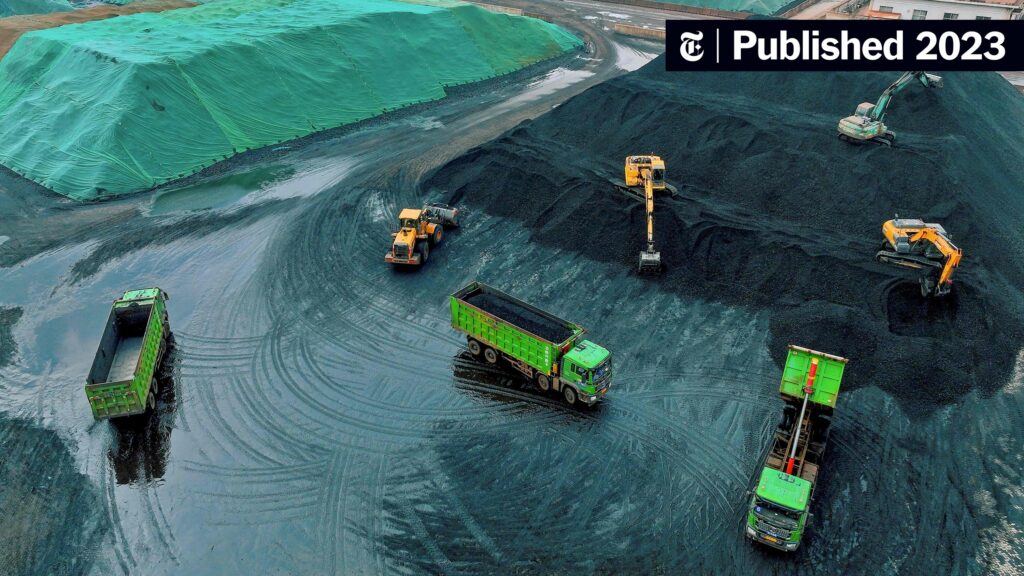
- Fossil‑fuel combustion for transport, heating, and electricity.
- Industrial agriculture that relies on synthetic fertilizers and livestock methane.
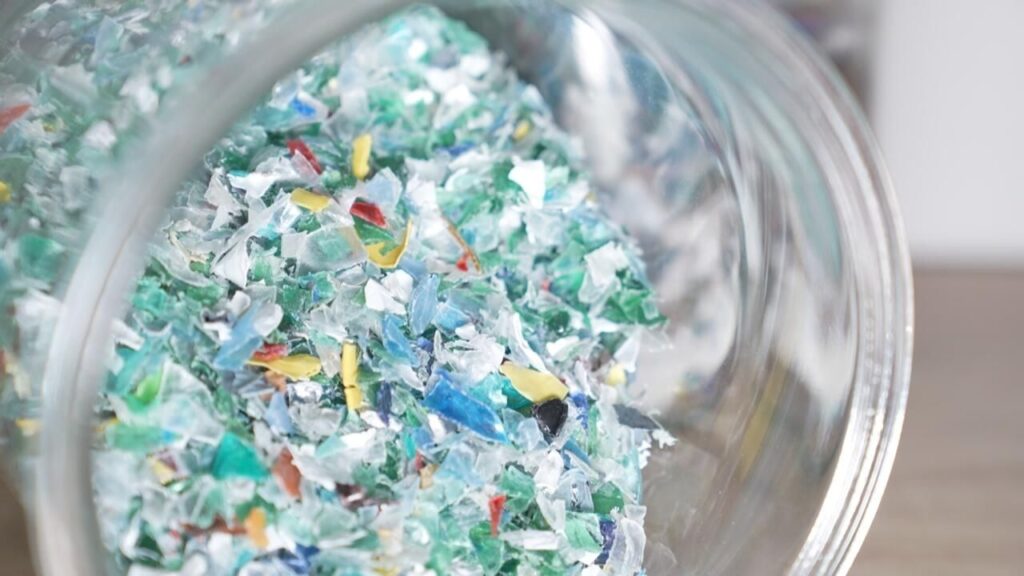
- High‑volume consumption of single‑use plastics and packaged foods.
Underlying Structural Drivers
- Urban sprawl that increases vehicle travel distances.
- Economic incentives that favour short‑term cost savings over long‑term environmental health.
- Limited public investment in renewable energy infrastructure.
Environmental and Human Impacts
Environmental Impacts
Collectively, the actions target three planetary boundaries: climate change, biosphere integrity, and biogeochemical flows. By lowering CO₂ and methane releases, they help to stabilise global temperature rise. Reducing plastic waste curtails marine entanglement and micro‑plastic ingestion, protecting oceanic food webs. Water‑saving measures ease pressure on freshwater basins that are already stressed in arid regions.
Human Health and Social Impacts
Improved air quality from reduced vehicle emissions lowers rates of asthma and cardiovascular disease, as documented by the World Health Organization. Diets richer in fruits, legumes, and whole grains are linked to lower incidence of heart disease and type‑2 diabetes. Access to clean water and reduced pollution also benefits vulnerable communities that often bear the greatest health burdens.
Regional Differences
The magnitude of benefit varies by geography. In high‑income, car‑dependent cities such as Los Angeles, switching to public transit can cut per‑capita transport emissions by 30 % (Southern California Association of Governments, 2022). In water‑scarce regions like the Sahel, low‑flow showerheads can save up to 40 % of household water use (UN‑WASH, 2021). Conversely, in tropical nations where rice dominates diets, modest reductions in meat consumption still produce meaningful climate gains while respecting cultural food practices.
What Scientists Know With High Confidence
- Burning fossil fuels is the primary driver of recent global warming (IPCC, 2021).
- Livestock agriculture contributes roughly 14 % of anthropogenic greenhouse‑gas emissions (FAO, 2019).
- Energy efficiency measures produce immediate, measurable reductions in electricity demand (IEA, 2020).
- Plastic pollution is widespread in marine environments and poses risks to wildlife (UNEP, 2020).
- Access to safe drinking water improves public‑health outcomes across income levels (WHO/UNICEF, 2021).
What Remains Uncertain
Key uncertainties include the long‑term durability of carbon offsets from tree planting, especially under future climate stressors; the exact magnitude of methane reductions from large‑scale food‑waste diversion in low‑income settings; and how rapidly emerging low‑carbon technologies (e.g., solid‑state batteries) will become cost‑competitive for household use. Continued monitoring and region‑specific life‑cycle analyses are needed to refine these estimates.
Common Misconceptions
Misconception: Individual actions cannot make a difference.
Reality: While systemic change is essential, aggregated personal behaviours account for a sizable share of emissions. A 2020 study in *Nature Climate Change* found that if 50 % of households adopted the listed actions, global CO₂ emissions could be reduced by approximately 0.8 Gt CO₂e per year.
Misconception: Plant‑based diets are only for vegans.
Reality: Flexitarian approaches—reducing meat intake by a few meals per week—still deliver 20–30 % of the climate benefit of a fully vegan diet, according to the IPCC.
Misconception: Recycling eliminates the need to reduce consumption.
Reality: Recycling saves energy but cannot offset the environmental costs of continuous material extraction; therefore, reduction and reuse remain higher‑impact strategies (EPA, 2022).
Solutions and Limitations
Each strategy addresses a specific problem but also carries trade‑offs:
- Dietary shifts lower emissions but may require cultural adaptation and access to affordable plant proteins.
- Home energy upgrades save money over time yet involve upfront costs that can be a barrier for renters.
- Public‑transport adoption reduces traffic emissions, but effectiveness depends on service frequency and coverage.
- Tree planting sequesters carbon, yet the permanence of stored carbon is vulnerable to future fires or pests.
- Policy advocacy can accelerate systemic change, but measurable outcomes often take years to materialise.
What Individuals, Communities, and Governments Can Do
What Individuals Can Do
- Replace at least two weekly meals with plant‑based options.
- Install LED bulbs and use programmable thermostats.
- Carry a reusable water bottle and shopping bag.
- Choose walking, cycling, or public transit for trips under 10 km.
- Compost food scraps or donate excess food to local shelters.
What Communities and Organizations Can Do
- Organise neighborhood clean‑up events and tree‑planting days.
- Partner with local utilities to offer bulk rebates for energy‑efficient appliances.
- Develop community gardens that provide fresh produce and reduce food‑miles.
- Implement shared‑vehicle programs to lower per‑person car use.
What Governments Can Do
- Set building codes that require high‑efficiency insulation and airtightness.
- Subsidise renewable‑energy installations for residential and commercial sectors.
- Introduce graduated taxes on single‑use plastics and high‑emission vehicles.
- Fund public‑transit expansions that connect underserved neighborhoods.
- Support research into low‑carbon agricultural practices and food‑waste logistics.
Moving Forward
The fifteen actions outlined are rooted in robust, peer‑reviewed science and address both the causes and consequences of environmental degradation. While uncertainties remain—particularly regarding long‑term carbon‑sequestration outcomes—collective adoption amplifies impact and builds momentum for policy and infrastructure shifts. By integrating personal habit changes with community projects and supportive governance, societies can move toward a resilient, low‑impact future.
Frequently Asked Questions
What are the most effective individual actions to lower my carbon footprint?
The most impactful personal steps are adopting plant‑based meals several times a week, improving home energy efficiency with LED lighting and smart thermostats, reducing car travel by using public transit or active transport, and cutting food waste through composting or donation.
How does reducing food waste help the environment?
Food waste generates methane—a potent greenhouse gas—when it decomposes in landfills. Diverting waste to compost or donation can cut landfill methane emissions by up to 0.5 Gt CO₂e per year, according to UNEP, while also conserving the water and energy used to produce the discarded food.
Why is switching to renewable energy important for climate mitigation?
Renewable sources such as wind and solar emit little to no CO₂ during operation. Replacing fossil‑fuel electricity with renewables reduces the primary driver of global warming, and the International Energy Agency reports that each megawatt‑hour of renewable power avoids roughly 0.5 t CO₂e.
Can planting trees offset personal emissions?
Tree planting sequesters carbon, but its effectiveness depends on species, site conditions, and long‑term maintenance. While a mature tree may store 20–30 kg of CO₂ over decades, uncertainties about future fire risk mean it should complement, not replace, direct emission reductions.
How do regional differences affect which sustainable actions are most impactful?
In water‑scarce regions, low‑flow fixtures yield larger savings, whereas in car‑dependent cities, shifting to public transit cuts a higher share of emissions. Tailoring actions to local climate, infrastructure, and cultural habits maximizes environmental benefit.






Leave a Comment