

Global warming is essentially a form of pollution—primarily the release of heat‑trapping gases and co‑pollutants—and framing it as such links climate action to the broader fight against air, water, and soil contamination.
Quick Answer
Global warming results from the accumulation of greenhouse gases—chiefly carbon dioxide, methane, and nitrous oxide—released during the production and combustion of fossil fuels, industrial processes, and land‑use change. These gases act as atmospheric pollutants that trap infrared radiation, raising Earth’s average temperature. The IPCC (2021) concludes with high confidence that this warming drives more extreme weather, sea‑level rise, and ecosystem disruption. Treating it as a pollution problem highlights the direct source‑control opportunities that can simultaneously improve air quality and public health, though uncertainties remain about regional climate feedbacks.
Key Takeaways
- Greenhouse gases are pollutants that alter the planet’s energy balance.
- Framing warming as pollution connects climate mitigation with air‑quality regulation.
- Evidence from long‑term monitoring, satellite data, and attribution studies confirms the link.
- Solutions that cut emissions also reduce co‑pollutants, yielding health co‑benefits.
- Equitable policies are needed because low‑income communities bear disproportionate burdens.
What Is Why Global Warming Isn’t Framed as a Pollution Problem—But Should Be?
The phrase describes the current communication gap: climate change is often presented as a separate, abstract “temperature rise” issue, while pollution is discussed in terms of smog, water toxins, and waste. In reality, the emissions that cause warming are also classic pollutants—carbon dioxide contributes to both greenhouse forcing and air‑quality degradation, while methane and black carbon affect ozone formation and respiratory health. Recognizing global warming as a pollution problem expands the policy toolbox to include existing pollution‑control statutes, market mechanisms, and public‑health incentives.
How Does It Work?
1. Emission of Greenhouse Gases
Burning coal, oil, and natural gas releases CO₂ directly into the atmosphere. Industrial processes emit methane (CH₄) from natural‑gas production and livestock, and nitrous oxide (N₂O) from fertilizer use. These gases absorb outgoing infrared radiation, creating a radiative forcing that raises global average temperatures.
2. Co‑Pollutant Formation
Many combustion sources also emit sulfur dioxide (SO₂), nitrogen oxides (NOₓ), and particulate matter (PM₂.₅). These substances contribute to smog, acid rain, and respiratory disease, while simultaneously participating in atmospheric chemistry that influences climate (e.g., black carbon absorbs sunlight).
3. Feedback Loops
Warming amplifies natural sources of pollutants: permafrost thaw releases methane; higher temperatures increase wild‑fire frequency, emitting CO₂ and PM. These feedbacks blur the line between climate drivers and traditional pollutants.
What Does the Evidence Show?
Multiple lines of evidence converge on the pollution‑climate link:
- Atmospheric monitoring: NOAA’s Global Monitoring Division records a 50 % rise in CO₂ concentration from 280 ppm in pre‑industrial times to 419 ppm in 2023.
- Satellite observations: ESA’s Sentinel‑5P data show that regions with high CO₂ emissions also exhibit elevated NOₓ and SO₂ levels, indicating co‑emission patterns.
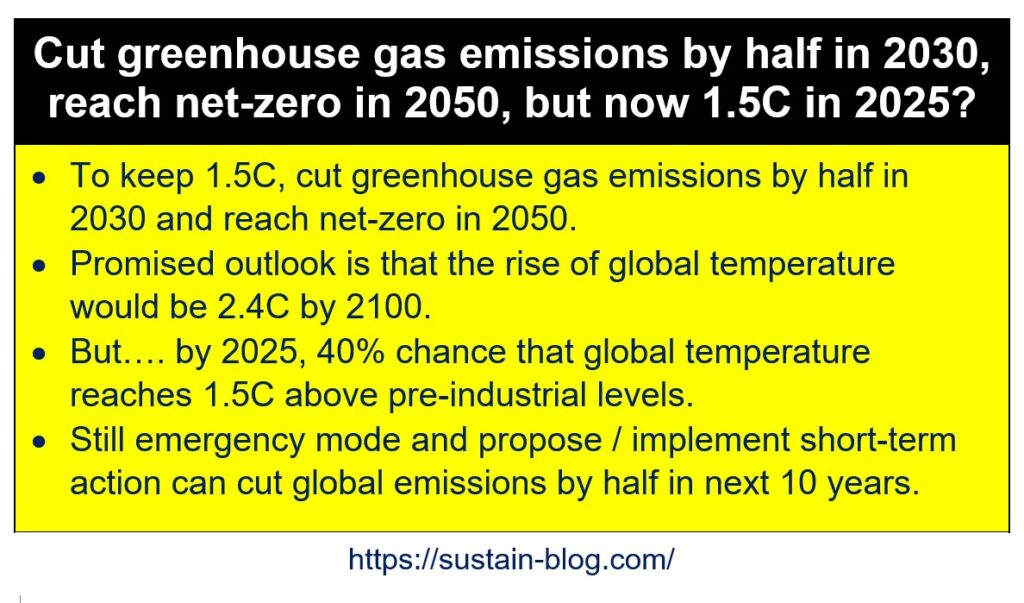
- Attribution studies: The IPCC (2021) attributes 1.5 °C of warming since 1850 largely to anthropogenic greenhouse gases, many of which are regulated as air pollutants.
- Health co‑benefits: A systematic review in The Lancet (2020) estimates that each megaton of CO₂ avoided yields roughly 2,000 premature deaths averted from reduced PM₂.₅ exposure.
Main Causes or Drivers
Direct Causes
- Fossil‑fuel electricity generation (≈ 25 % of global CO₂ emissions).
- Transportation (≈ 15 % of CO₂, plus significant NOₓ and PM).
- Industrial processes such as cement production and petrochemical refining.
- Agricultural activities that emit CH₄ and N₂O.
Underlying Drivers
- Economic growth models that prioritize inexpensive energy over emissions intensity.
- Urbanization patterns that concentrate traffic and industry.
- Policy gaps where air‑quality standards do not cover greenhouse gases.
Environmental and Human Impacts
Environmental Impacts
- Accelerated ice‑sheet melt and sea‑level rise.
- Shifts in species’ geographic ranges, increasing extinction risk.
- Ocean acidification from absorbed CO₂, threatening coral reefs.
- Altered precipitation patterns leading to more intense droughts and floods.
Human Health and Social Impacts
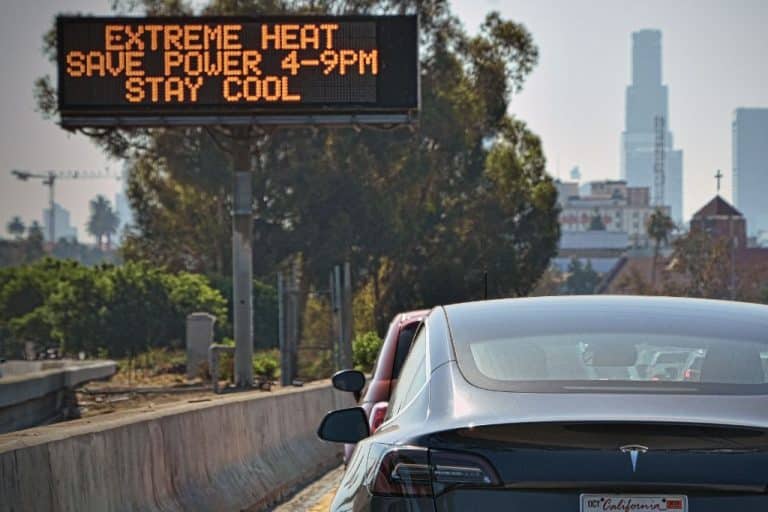
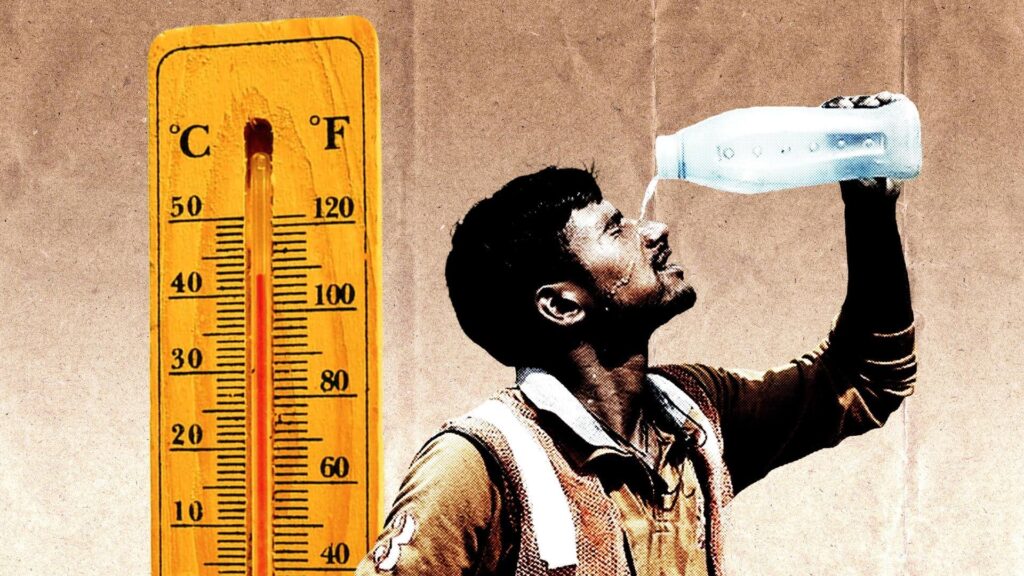
- Heat‑related mortality, especially among the elderly and outdoor workers.
- Worsening air‑quality: higher ozone and PM₂.₅ levels exacerbate asthma and cardiovascular disease.
- Food‑security challenges from reduced crop yields in tropical and temperate zones.
- Disproportionate exposure of low‑income communities that live near power plants and highways.
Regional Differences
Impact intensity varies with geography:
- South‑Asian megacities face combined smog and heat‑wave risks, driven by coal power and dense traffic.
- Arctic communities experience permafrost thaw and loss of traditional hunting grounds.
- Small‑island developing states confront sea‑level rise that threatens entire populations.
- Rural agricultural regions in sub‑Saharan Africa may see reduced rainfall, while some higher‑latitude areas could experience longer growing seasons.
What Scientists Know With High Confidence
- Human activities are the dominant source of the observed increase in atmospheric greenhouse gases since the mid‑19th century.
- CO₂, CH₄, and N₂O each have a positive radiative forcing that raises global mean temperature.
- Air pollutants such as black carbon and ozone also contribute to warming, while sulfate aerosols provide a modest cooling effect.
- Reducing fossil‑fuel combustion will simultaneously lower CO₂ and co‑pollutants, delivering climate and health benefits.
What Remains Uncertain
Key uncertainties include the magnitude of climate feedbacks from permafrost methane release, regional variations in cloud responses, and the socioeconomic pathways that will determine future emission trajectories. These gaps affect precise projections of temperature rise but do not alter the central conclusion that greenhouse‑gas emissions are a form of pollution.
Common Misconceptions
Misconception: Climate change is only about temperature, not pollution.
Reality: Greenhouse gases are pollutants that change the Earth’s energy balance; they also co‑emit substances that degrade air quality.
Misconception: Cutting air pollutants will not affect global warming.
Reality: Measures that reduce sulfur dioxide, nitrogen oxides, and black carbon also lower short‑lived climate forcers, providing immediate cooling effects.
Misconception: Pollution controls are unrelated to climate policy.
Reality: Existing clean‑air legislation (e.g., the U.S. Clean Air Act) can be leveraged to set CO₂ limits, creating a regulatory pathway that addresses both issues together.
Solutions and Limitations
- Renewable energy transition: Solar and wind replace fossil‑fuel generation, cutting CO₂ and PM₂.₅. Limitation: Intermittency requires storage or grid upgrades.
- Energy efficiency standards: Building codes reduce fuel use, yielding immediate emission cuts. Limitation: Requires upfront investment and enforcement.
- Carbon pricing combined with air‑quality fees: Economic incentives can internalize climate and health costs. Limitation: Political feasibility varies across jurisdictions.
- Methane capture from waste and agriculture: Reduces a potent greenhouse gas and improves local odor and safety. Limitation: Technology adoption is uneven, especially in low‑income regions.
- Urban planning that cuts vehicle miles traveled: Promotes public transit, cycling, and walking, lowering CO₂, NOₓ, and PM. Limitation: Requires long‑term infrastructure investment and cultural change.
What Individuals, Communities, and Governments Can Do
What Individuals Can Do
- Choose low‑carbon transportation modes (public transit, biking, electric vehicles where feasible).
- Improve home energy efficiency (insulation, LED lighting, smart thermostats).
- Support policies that tighten emissions standards for power plants and vehicles.
- Reduce food waste and adopt plant‑rich diets, which lower methane from livestock.
What Communities and Organizations Can Do
- Implement local clean‑air ordinances that include CO₂ limits for municipal buildings.
- Develop community solar projects that displace fossil‑fuel electricity.
- Conduct air‑quality monitoring to identify pollution hotspots and target mitigation.
- Partner with schools to integrate climate‑pollution education into curricula.
What Governments Can Do
- Adopt integrated climate‑air‑quality legislation that treats greenhouse gases as regulated pollutants.
- Provide subsidies or tax credits for renewable‑energy installations and retrofits.
- Set ambitious national targets for methane reduction in agriculture and waste sectors.
- Invest in public‑transport infrastructure to cut vehicle emissions.
- Ensure environmental‑justice assessments accompany all major permitting decisions.
Closing Synthesis
Global warming is fundamentally a pollution problem: the same emissions that trap heat also degrade air, water, and soil. Robust evidence—from atmospheric measurements to health‑impact studies—confirms this overlap. Recognizing the dual nature of greenhouse‑gas emissions enables policies that address climate change while delivering immediate public‑health gains. Although uncertainties remain around feedback mechanisms and regional climate responses, the high‑confidence core—that human‑generated pollutants drive warming—guides effective, equitable action. By aligning climate mitigation with traditional pollution control, societies can pursue a unified pathway toward a cleaner, healthier, and more resilient planet.
Frequently Asked Questions
What makes global warming a type of pollution?
Global warming is driven by greenhouse gases such as carbon dioxide, methane, and nitrous oxide, which are released into the atmosphere during fossil‑fuel combustion, industrial processes, and agriculture. These gases trap infrared radiation, altering the Earth’s energy balance, which fits the scientific definition of air pollution.
How does framing global warming as pollution help reduce emissions?
Treating greenhouse gases as pollutants allows existing air‑quality laws, carbon pricing, and health‑impact assessments to be applied to climate mitigation. Policies that limit soot, nitrogen oxides, and sulfur dioxide also cut short‑lived climate forcers, delivering immediate cooling and health benefits while lowering CO₂.
Which pollutants besides CO₂ contribute to climate change?
Methane (CH₄) and nitrous oxide (N₂O) are powerful greenhouse gases emitted from livestock, fertilizer use, and natural‑gas systems. Black carbon (soot) absorbs sunlight and accelerates warming, while ozone formed from NOₓ and volatile organic compounds adds to the heat‑trapping effect.
What are the biggest uncertainties in linking pollution to climate impacts?
Key uncertainties include how much methane will be released from thawing permafrost, how clouds will respond to a warmer atmosphere, and which socioeconomic pathways will shape future emissions. These gaps affect precise temperature projections but not the overall conclusion that pollutants drive warming.
What actions can governments take to address global warming as a pollution issue?
Governments can adopt integrated climate‑air‑quality legislation that sets CO₂ limits alongside traditional pollutants, provide subsidies for renewable energy and energy‑efficiency upgrades, implement methane‑reduction targets for agriculture and waste, and ensure environmental‑justice reviews for all major projects.






Leave a Comment