
Ecosystems rely on the variety of species, genes, and functional traits within biodiversity to maintain stability, provide essential services, and adapt to change, making biodiversity the foundation of ecosystem survival.
Quick Answer
Biodiversity— the range of species, genetic variants, and ecosystem functions—creates the web of interactions that keep ecosystems productive and resilient. By spreading risk across many organisms, biodiversity buffers ecosystems against disturbances, supports food webs, and underpins services such as pollination, water purification, and carbon storage. While the overall principle is well‑established, uncertainty remains about the precise thresholds at which loss of diversity triggers irreversible collapse in specific systems.
Key Takeaways
- Biodiversity provides functional redundancy and complementary roles that stabilize ecosystem processes.
- Greater species richness enhances resilience to climate extremes, disease, and invasive species.
- Essential ecosystem services—food, clean water, climate regulation—are directly linked to biological variety.
- Human well‑being, cultural identity, and economic security depend on healthy, biodiverse ecosystems.
- Conservation, restoration, and sustainable management are proven ways to preserve biodiversity, but trade‑offs and resource limits must be considered.
What Is the Dependence of Ecosystems on Biodiversity?
The term “biodiversity” encompasses three nested levels: genetic diversity within species, species diversity within communities, and ecosystem diversity across landscapes. Ecosystem dependence on biodiversity refers to the way ecological processes—such as primary production, nutrient cycling, and trophic interactions—require a range of organisms to function effectively. Unlike a single‑species system, a biodiverse ecosystem contains multiple pathways for energy flow and material recycling, reducing the chance that any single disturbance will collapse the whole system.
How Does It Work?
1. Functional Redundancy and Complementarity
When several species perform similar ecological roles (functional redundancy), the loss of one species can be compensated by others. Complementarity occurs when different species use resources in distinct ways, increasing overall ecosystem efficiency. For example, a forest with both nitrogen‑fixing legumes and deep‑rooted trees captures more soil nutrients than a monoculture of a single tree species.
2. Trophic Cascades and Energy Transfer
Producers (plants, algae) convert solar energy into biomass. Herbivores feed on producers, and predators feed on herbivores, forming a trophic cascade. Removing a keystone predator, such as sea otters, can cause sea‑urchin overgrazing and loss of kelp forests, illustrating how species loss reverberates through food webs.
3. Resilience Through Diversity
Diverse communities contain a broader range of physiological traits. When climate stressors shift temperature or moisture regimes, some species possess traits that allow them to persist, while others may decline. This trait diversity helps maintain overall ecosystem function, a principle supported by long‑term grassland experiments (e.g., the Biodiversity‑Ecosystem Functioning experiment, United States Department of Agriculture, 2019).
4. Feedback Loops and Stabilization
Species interactions generate feedbacks that can stabilize or destabilize ecosystems. Mutualisms such as pollination create positive feedbacks that sustain plant reproduction, while predator‑prey dynamics can dampen population swings, contributing to overall stability.
What Does the Evidence Show?
Multiple lines of evidence converge on the importance of biodiversity:
- Long‑term monitoring: The International Long Term Ecological Research (ILTER) network documents that sites with higher species richness exhibit lower variability in primary productivity over decades (ILTER report, 2020).
- Meta‑analyses: A 2018 systematic review of 150 field experiments found that ecosystem productivity increased by an average of 25 % when species richness doubled, and stability improved by 30 % (Cardinale et al., *Nature*).
- Assessment reports: The Intergovernmental Science‑Policy Platform on Biodiversity and Ecosystem Services (IPBES, 2019) concluded that ecosystem services are most at risk when both species richness and functional diversity decline.
- Case studies: Coral reefs with >30 coral species show 2–3 times greater resistance to bleaching events than reefs dominated by a single species (NOAA Coral Reef Watch, 2021).
These findings are consistent across terrestrial, freshwater, and marine ecosystems, indicating a robust, cross‑system relationship.
Main Causes or Drivers
Direct Causes
- Habitat loss from agriculture, urban expansion, and infrastructure development.
- Overexploitation of wildlife and plant resources.
- Pollution that degrades water, soil, and air quality.
Underlying Drivers
- Economic incentives favoring short‑term yields over long‑term ecosystem health.
- Global climate change altering temperature and precipitation patterns, which can outpace species’ adaptive capacity.
- Invasive species that outcompete native organisms, reducing native diversity.
Environmental and Human Impacts
Environmental Impacts
Loss of biodiversity reduces carbon sequestration capacity, weakens soil fertility, and diminishes water regulation. For example, tropical deforestation that eliminates diverse understory plants cuts regional carbon uptake by an estimated 0.5 Gt C yr⁻¹ (FAO, 2022).
Human Health and Social Impacts
Reduced pollinator diversity lowers crop yields, threatening food security for up to 75 % of global crops that rely on animal pollination (IPBES, 2019). Wetland degradation diminishes natural water filtration, increasing reliance on costly engineered treatment. Cultural practices tied to specific species—such as medicinal plants used by Indigenous peoples—are jeopardized when those species disappear.
Regional Differences
Biodiversity loss is most acute in tropical regions, where the World Wildlife Fund reports a 30 % decline in forest cover between 2000 and 2020. Temperate grasslands in North America have lost up to 70 % of native prairie species due to conversion to agriculture. In contrast, some high‑latitude Arctic ecosystems retain relatively high functional redundancy, but rapid warming threatens to outpace species’ migration abilities.
What Scientists Know With High Confidence
- Species richness positively correlates with ecosystem productivity and stability across most biomes.
- Functional redundancy buffers ecosystems against the loss of individual species.
- Human well‑being depends on biodiversity‑driven services such as pollination, water purification, and climate regulation.
- Habitat destruction is the primary driver of global biodiversity loss.
What Remains Uncertain
Key uncertainties include the exact biodiversity thresholds that trigger regime shifts in complex ecosystems, the capacity of species to adapt genetically to rapid climate change, and how synergistic stressors (e.g., combined pollution and warming) interact at landscape scales. Improved long‑term, multi‑taxa monitoring is needed to refine these thresholds.
Common Misconceptions
Misconception: Only charismatic megafauna matter for ecosystem health.
Reality: Microbes, soil invertebrates, and understory plants often drive nutrient cycling and soil structure, supporting the entire food web.
Misconception: One species can replace the function of many.
Reality: Functional redundancy exists, but no single species can fully replicate the suite of traits provided by a diverse community, especially under changing conditions.
Misconception: Biodiversity loss is only a future problem.
Reality: Global assessments show that biodiversity has already declined at rates up to 1,000 times the background extinction rate, already affecting ecosystem services today.
Solutions and Limitations
Effective strategies combine protection, restoration, and sustainable management:
- Protected areas: Expanding well‑managed reserves can safeguard habitats, but isolated patches may not support species that require large ranges.
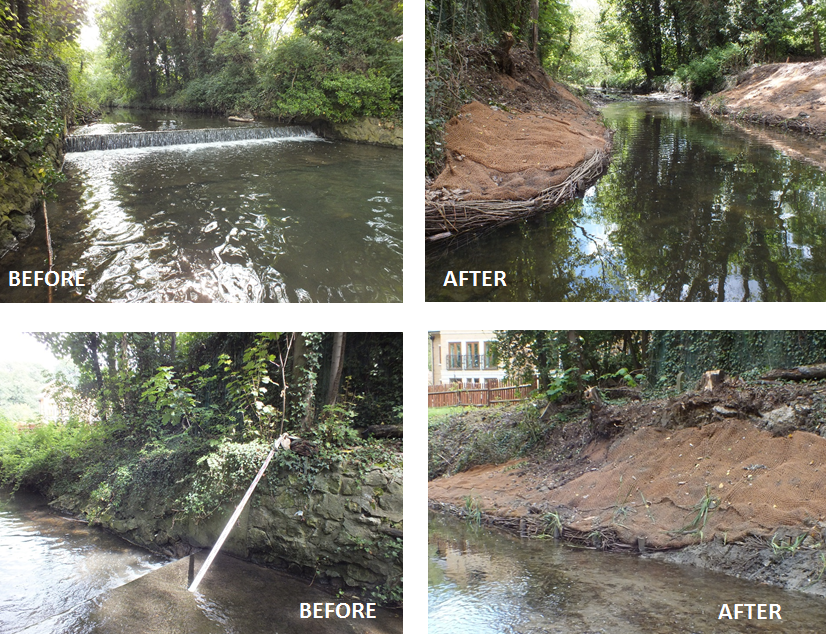
- Restoration ecology: Re‑introducing native species and re‑establishing structural complexity improves function, yet success depends on soil quality and long‑term funding.
- Sustainable agriculture: Agroforestry and diversified cropping increase on‑farm biodiversity, but may require new market incentives.
- Invasive species control: Early detection programs reduce establishment risk, but eradication can be costly and technically challenging.
What Individuals, Communities, and Governments Can Do
What Individuals Can Do
- Choose products with certified sustainable sourcing (e.g., FSC timber, MSC seafood).
- Support local conservation NGOs through volunteering or donations.
- Plant native species in gardens to create micro‑habitats for pollinators.
What Communities and Organizations Can Do
- Develop community‑led monitoring programs that track local species trends.
- Implement green infrastructure (wetland buffers, urban trees) that enhances habitat connectivity.
- Adopt land‑use planning that integrates biodiversity corridors.
What Governments Can Do
- Set and enforce legally binding targets for protected area coverage (e.g., 30 % by 2030).
- Incorporate ecosystem‑based approaches into climate adaptation policies.
- Provide subsidies for farmers who adopt biodiversity‑friendly practices.
Closing Synthesis
Ecosystems survive because the diversity of life creates multiple, overlapping pathways for energy flow, nutrient cycling, and resilience to disturbance. Robust evidence shows that greater biodiversity enhances productivity, stabilizes services, and supports human well‑being, while the main threats stem from habitat loss, overexploitation, and climate change. Uncertainties remain about precise tipping points, but the precautionary principle—preserving and restoring biological variety—remains the most reliable path forward. By aligning individual choices, community actions, and policy frameworks, societies can maintain the biodiversity foundation essential for a thriving planet.
Frequently Asked Questions
Why is biodiversity considered essential for ecosystem stability?
Biodiversity supplies multiple species that perform similar and complementary functions, creating redundancy that buffers ecosystems against disturbances and maintains productivity.
How does species loss affect human food security?
Many crops depend on animal pollinators; losing pollinator diversity can reduce yields of up to 75 % of global food crops, directly threatening food security.
What are the main drivers of global biodiversity loss?
The primary drivers are habitat destruction from agriculture and urbanization, overexploitation of resources, pollution, climate change, and invasive species.
Can a single species replace the ecological role of many others?
No. While functional redundancy exists, no single species can fully replicate the range of traits and interactions provided by a diverse community, especially under changing conditions.
What practical actions can governments take to protect biodiversity?
Governments can set legally binding protected‑area targets, integrate ecosystem‑based approaches into climate policies, and provide subsidies for biodiversity‑friendly farming practices.







Leave a Comment