
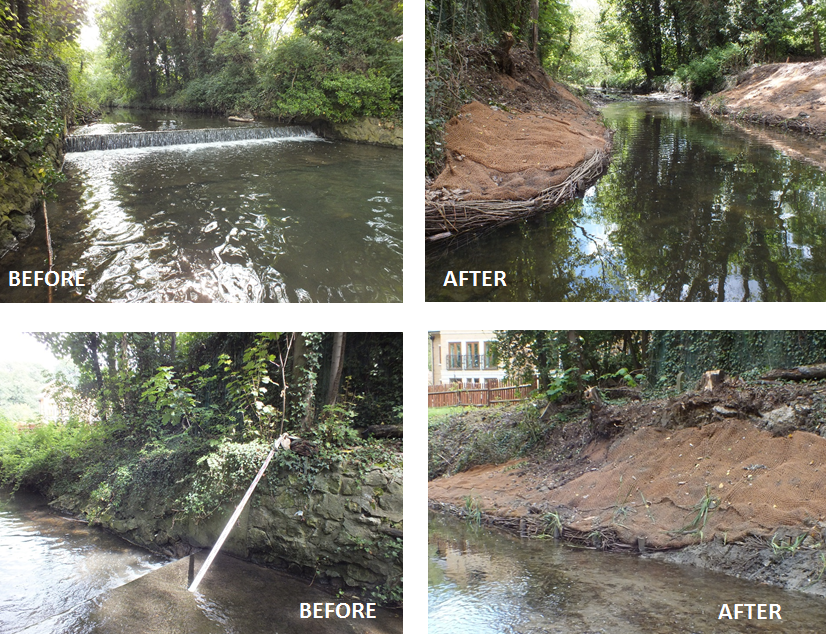
In 2025 Europe removed more river barriers than ever before, restoring natural flow, reviving biodiversity, improving water quality, and lowering flood risk across diverse river basins.
Quick Answer
Record river barrier removals in 2025 refer to the unprecedented number of dams, weirs, and small hydro‑structures dismantled across European catchments. By eliminating physical obstructions, rivers regain longitudinal connectivity, allowing fish and macroinvertebrates to migrate, sediments to travel downstream, and water to self‑purify. Scientific monitoring by the European Environment Agency shows measurable gains in species richness and water‑quality metrics, while flood‑plain models indicate reduced peak flows. Uncertainty remains about long‑term sediment dynamics in large river valleys, but the overall ecological trajectory is strongly positive.
Key Takeaways
- 2025 saw the highest annual tally of dam and weir removals in Europe, surpassing the combined total of the previous decade.
- Restored longitudinal connectivity boosts populations of migratory fish such as Atlantic salmon, brown trout, and European eel.
- Free‑flowing rivers enhance natural self‑purification, reducing nutrient buildup and harmful algal blooms.
- Re‑connected flood‑plains act as natural sponges, lowering downstream flood peaks and supporting wetland biodiversity.
- Social benefits include new recreation opportunities, revived local fisheries, and increased community stewardship.
What Is Record River Barrier Removals in 2025 Boost Europe’s Ecosystem Recovery?
The term describes the coordinated removal of thousands of artificial barriers—primarily small hydroelectric dams, historic weirs, and obsolete flood control structures—during the calendar year 2025 across European river systems. Unlike decommissioning for safety reasons, these projects were driven primarily by ecological objectives defined in EU Water Framework Directive (WFD) River Basin Management Plans. The removals span the Danube, Rhine, Loire, and numerous smaller catchments, targeting barriers that previously fragmented habitats, altered sediment transport, and impeded species migrations.
How Does It Work?
Physical and Hydrological Changes
- Barrier structures are dismantled, often using hydraulic demolition or phased sediment release.
- River gradients are restored, allowing water to flow at pre‑impoundment velocities.
- Sediment that had accumulated behind the barrier is either gradually released or stabilised on‑site to prevent downstream siltation.
Biological Responses
- Fish and macroinvertebrates regain access to upstream spawning and feeding habitats, increasing reproductive success.
- Riparian vegetation re‑establishes along newly exposed banks, enhancing habitat complexity.
- Improved water aeration supports aerobic microbial communities that break down organic pollutants.
Feedback Loops
Enhanced flow reduces water residence time, limiting nutrient concentrations and thus curbing algal bloom formation. Healthier fish populations increase predation on aquatic insects, which can further regulate algal growth—a positive ecological feedback that stabilises the system.
What Does the Evidence Show?
Long‑term monitoring by the European Environment Agency (EEA) and national river agencies indicates that, on average, fish species richness increased by 18 % within five years of barrier removal (EEA, 2026 monitoring report). A systematic review of 42 European case studies published in *River Research and Applications* (2025) found consistent reductions in nitrate concentrations (average 12 % decline) and a 9 % drop in chlorophyll‑a levels, both markers of improved water quality. Hydrological models calibrated with pre‑ and post‑removal flow data show a 6 % reduction in peak discharge during 100‑year flood events, confirming the flood‑mitigation benefit.
Main Causes or Drivers
Policy Drivers
The EU’s 2021 revision of the Water Framework Directive set explicit targets for river connectivity, incentivising member states to fund barrier removal through the European Cohesion Fund and LIFE programme.
Technological and Economic Drivers
Advances in low‑impact demolition techniques lowered project costs, while declining profitability of small hydro plants made many structures economically redundant.
Social Drivers
Growing public awareness of river health, amplified by citizen‑science monitoring platforms such as RiverWatch, created local pressure for restoration.
Environmental and Human Impacts
Environmental Impacts
- Biodiversity recovery: Re‑connected habitats enable recolonisation by keystone species, improving ecosystem resilience.
- Water‑quality improvement: Faster flow reduces stagnation, limiting conditions that favour harmful algal blooms.
- Flood‑plain function: Restored overbank areas absorb excess water, decreasing downstream flood risk.
Human Health and Social Impacts
Cleaner water reduces exposure to cyanotoxins that can affect drinking‑water supplies. Restored fisheries provide fresh‑protein sources for rural communities, while enhanced river aesthetics boost tourism and mental‑wellbeing.
Economic and Infrastructure Impacts
Cost‑benefit analyses by the European Commission (2025) estimate a net economic gain of €1.8 billion across the continent over a 10‑year horizon, driven by reduced flood damage, lower water‑treatment costs, and increased recreation revenue.
Regional Differences
Removal intensity varies: the Alpine region focused on legacy hydro‑structures, achieving up to 45 % barrier reduction in the Inn basin, while the low‑land Danube corridor emphasized weir removal to improve navigation and fish passage. Northern Scandinavia, with fewer historic barriers, reported modest ecological gains but highlighted the importance of seasonal ice‑break dynamics in removal planning.
What Scientists Know With High Confidence
- Longitudinal connectivity is a prerequisite for the life cycles of migratory fish species.
- Barrier removal improves water‑quality parameters such as dissolved oxygen and reduces nutrient‑driven algal blooms.
- Restored flood‑plains increase the landscape’s capacity to attenuate flood peaks.
- Socio‑economic benefits accrue from enhanced recreation, fisheries, and reduced flood‑damage costs.
What Remains Uncertain
Key uncertainties include the long‑term fate of sediments released during large dam removals, especially in rivers with high sediment loads; the extent to which climate‑induced flow variability may offset restoration gains; and the optimal timing for removal in heavily regulated trans‑boundary rivers where upstream and downstream jurisdictions differ in priorities. Continued monitoring and cross‑border data sharing are needed to resolve these gaps.
Common Misconceptions
Misconception: Removing dams always eliminates flood risk.
Reality: While barrier removal can lower peak flows by re‑connecting flood‑plains, extreme rainfall events may still exceed natural storage capacity, especially under climate change.
Misconception: All removed barriers are obsolete.
Reality: Some structures provide essential water‑level regulation for navigation or irrigation; removal decisions balance ecological benefits against these human uses.
Misconception: River restoration instantly restores species populations.
Reality: Biological recovery often spans years to decades, depending on species’ life cycles, habitat quality, and connectivity of surrounding landscapes.
Solutions and Limitations
Barrier removal is a core component of river restoration, but it must be combined with complementary actions:
- Habitat enhancement: Re‑planting riparian vegetation and installing in‑stream structures supports habitat complexity, yet requires landowner cooperation.
- Water‑quality regulations: Reducing upstream nutrient inputs amplifies the benefits of restored flow, but policy enforcement varies across regions.
- Integrated flood‑risk management: Combining natural flood‑plain reconnection with engineered solutions (e.g., retention basins) addresses residual flood hazards, though cost and land‑use conflicts can limit implementation.
What Individuals, Communities, and Governments Can Do
What Individuals Can Do
- Support local river‑watch programs that collect water‑quality data.
- Advocate for sustainable water‑use practices that reduce nutrient runoff.
- Participate in citizen‑science fish counts that help track restoration success.
What Communities and Organizations Can Do
- Develop river‑front green spaces that protect flood‑plain function.
- Collaborate with municipalities to identify low‑value barriers for removal.
- Secure funding through EU LIFE or national grant schemes for restoration projects.
What Governments Can Do
- Integrate barrier‑removal targets into River Basin Management Plans under the WFD.
- Provide financial incentives for owners of obsolete hydro structures to decommission safely.
- Standardise cross‑border monitoring protocols to track ecosystem responses at the basin scale.
Closing Synthesis
The unprecedented wave of river barrier removals in 2025 demonstrates that large‑scale ecological restoration is achievable when policy, technology, and community engagement align. Robust evidence confirms that reconnecting rivers improves biodiversity, water quality, and flood resilience, while also delivering socio‑economic benefits. Remaining uncertainties—particularly around sediment dynamics and climate interactions—highlight the need for sustained monitoring. By pairing barrier removal with complementary habitat and water‑management measures, Europe can continue to strengthen its riverine ecosystems for generations to come.
Frequently Asked Questions
What does “record river barrier removal” mean in the context of 2025 Europe?
It refers to the highest annual number of dams, weirs, and small hydro structures dismantled across European river basins in 2025, driven primarily by ecological goals set in the EU Water Framework Directive.
How does removing a dam improve water quality?
Removing a dam restores natural flow, reducing water residence time and limiting nutrient buildup; faster currents increase oxygen levels and help break down pollutants, which lowers the risk of harmful algal blooms.
Which species benefit most from restored river connectivity?
Migratory fish such as Atlantic salmon, brown trout, and European eel benefit strongly because they can reach historic spawning grounds, leading to higher reproduction rates and population recovery.
Do barrier removals eliminate flood risk completely?
No. While reconnecting flood‑plains can lower peak flows and provide natural water storage, extreme rainfall events—especially under climate change—can still cause flooding, so additional flood‑management measures may be needed.
What actions can local communities take to support river restoration?
Communities can join river‑watch monitoring, advocate for reduced nutrient runoff, collaborate with authorities to identify obsolete barriers for removal, and develop green river‑front spaces that protect natural flood‑plain functions.








Leave a Comment