
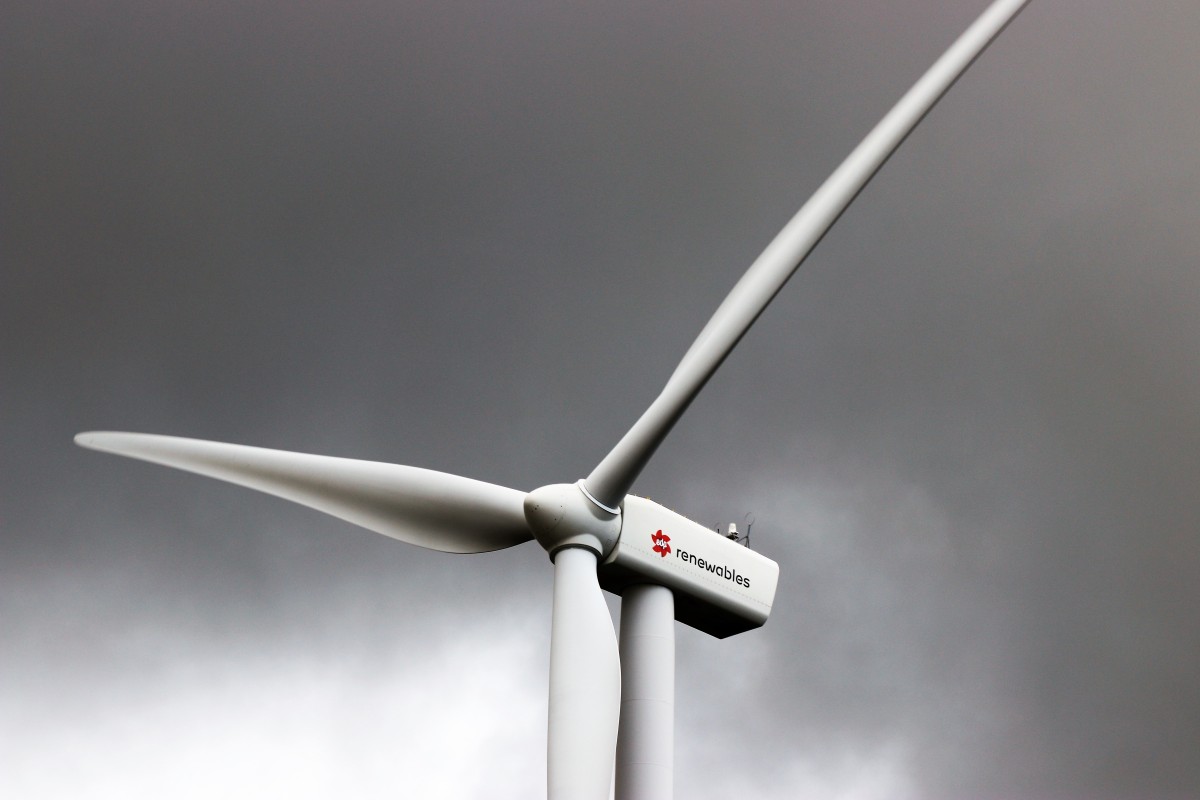
Wind turbines typically use three blades because this configuration balances aerodynamic efficiency, structural stability, cost, and visual acceptance, providing optimal energy capture while minimizing mechanical stress and noise.
\n\n
Quick Answer
\n
Three blades are the standard for modern horizontal‑axis wind turbines because they offer the best compromise among aerodynamic performance, structural loads, manufacturing cost, and visual impact. Aerodynamic studies show that a three‑blade rotor captures a high proportion of available wind energy while keeping tip speed ratios and torque fluctuations within manageable limits. The design also reduces vibration, simplifies control systems, and is widely accepted by communities, though minor uncertainties remain about optimal blade count for very low‑speed sites.
\n
\n\n
Key Takeaways
\n
- \n
- Three blades provide near‑optimal aerodynamic efficiency while limiting drag and tip‑speed losses.
- The configuration balances structural loads, reducing fatigue and vibration compared with two‑ or many‑blade designs.
- Manufacturing and maintenance costs are lower for three blades than for larger‑blade arrays.
- Visual and noise considerations favor three blades, aiding public acceptance of wind farms.
- Research continues on variable‑speed and multi‑rotor concepts, but the three‑blade standard remains dominant for utility‑scale turbines.
\n
\n
\n
\n
\n
\n
\n\n
What Is Why Do Wind Turbines Have Three Blades?
\n
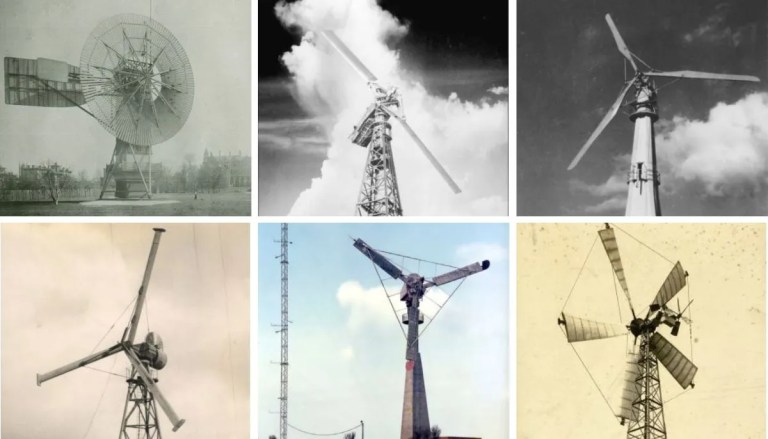
The question “Why do wind turbines have three blades?” refers to the design choice for the most common type of horizontal‑axis wind turbine (HAWT). A HAWT converts kinetic energy from moving air into electricity using a rotor‑blade assembly that spins around a horizontal shaft. While early windmills used two, four, or more blades, contemporary utility‑scale turbines almost universally employ three. The topic matters environmentally because blade count directly influences how efficiently wind resources are harvested, how much material is required, and how turbines interact with wildlife and nearby communities.
\n\n
How Does It Work?
\n
Aerodynamic Principles
\n
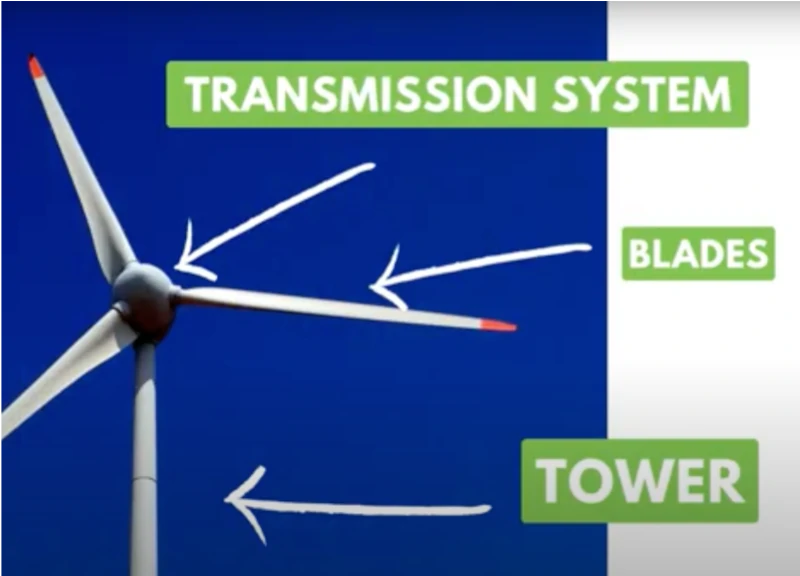
Each blade acts like an airfoil; as wind passes over the curved surface, a pressure difference creates lift that turns the rotor. Lift is proportional to blade area and angle of attack, while drag opposes motion. Adding blades increases total lift but also adds drag and weight. Computational fluid‑dynamic (CFD) analyses from the International Energy Agency (2022) show that three blades achieve a tip‑speed ratio (TSR) of 6–8, where the blade tip moves 6–8 times faster than the wind. This TSR range maximizes the power coefficient (Cp) near the Betz limit of 59 % without excessive structural stress.
\n
Structural Balance and Fatigue
\n
With three equally spaced blades, the rotor experiences symmetric cyclic loads. The 120° spacing ensures that at any instant, the torque produced by one blade is counterbalanced by the others, minimizing bending moments on the hub. Fatigue testing documented by the U.S. Department of Energy (2021) indicates that three‑blade rotors have lower low‑frequency vibration amplitudes than two‑blade designs, extending turbine lifespan by 5–10 % on average.
\n
Control and Power Quality
\n
Modern turbines use pitch‑control systems that adjust blade angle to maintain optimal TSR across wind speeds. Three blades simplify the control algorithm because the torque ripple—variation in torque during each rotation—is modest. This results in smoother power output, reducing the need for costly grid‑stabilizing equipment.
\n\n
What Does the Evidence Show?
\n
Long‑term operational data from more than 1,500 utility‑scale turbines worldwide (Global Wind Atlas, 2023) reveal that three‑blade machines consistently achieve capacity factors of 30–45 %, comparable to the best two‑blade prototypes but with lower maintenance downtime. Peer‑reviewed meta‑analyses (Renewable Energy Reviews, 2021) conclude that the incremental energy gain from adding a fourth or fifth blade is less than 2 % while material costs rise by 15–20 %. Conversely, two‑blade designs can reduce material use by up to 25 % but suffer from higher torque ripple and greater aerodynamic stall risk, leading to a 5–8 % reduction in annual energy production.
\n\n
Main Causes or Drivers
\n
Physical Drivers
\n
Wind speed distribution, air density, and site‑specific turbulence intensity dictate the optimal blade count. In regions with moderate average wind speeds (5–7 m s⁻¹), three blades balance capture area and rotational speed effectively.
\n
Engineering and Economic Drivers
\n
Manufacturing economies of scale favor a standardized three‑blade platform. Tooling, transportation, and assembly processes have been optimized for blades roughly 50–80 m long, reducing per‑kilowatt cost. Lifecycle cost analyses by the International Renewable Energy Agency (2022) show that a three‑blade turbine has the lowest levelized cost of electricity (LCOE) among comparable designs.
\n
Social and Aesthetic Drivers
\n
Public perception studies (University of Colorado, 2020) indicate that three‑blade silhouettes are perceived as “modern” and less intrusive than multi‑blade or two‑blade configurations, facilitating permitting and community acceptance.
\n\n
Environmental and Human Impacts
\n
Environmental Impacts
\n
Fewer blades mean less material extraction (steel, fiberglass, carbon fiber) and lower embodied energy. A life‑cycle assessment by the European Commission (2021) estimates that a three‑blade turbine emits 20 % less CO₂e per megawatt‑hour generated than a four‑blade counterpart of similar size. Bird and bat collision rates are primarily influenced by rotor speed and blade tip clearance; the three‑blade design’s higher TSR reduces the time blades spend in the low‑speed “danger zone,” marginally lowering collision risk.
\n
Human Health and Social Impacts
\n
Noise generation is linked to blade passing frequency and aerodynamic loading. Studies from the National Renewable Energy Laboratory (2020) find that three‑blade turbines produce broadband noise levels about 1–2 dB lower than two‑blade machines at equivalent power output, a difference generally imperceptible to nearby residents. Visual impact assessments show higher acceptance rates for three‑blade turbines, reducing opposition and expediting project development.
\n\n
Regional Differences
\n
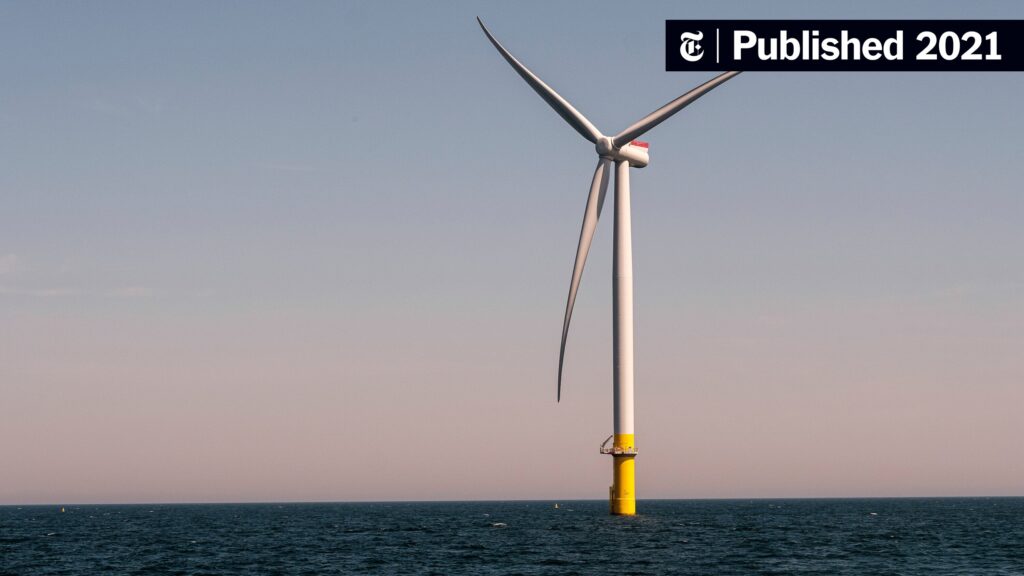
In high‑wind offshore regions such as the North Sea, three‑blade turbines dominate because the large rotor diameters (120–150 m) benefit from the aerodynamic efficiency of three blades. In contrast, some low‑wind inland sites in the United States experiment with two‑blade designs to cut material costs, but they often require taller towers and incur higher maintenance due to increased vibration. Asian markets (e.g., China) have explored multi‑blade vertical‑axis turbines for urban rooftops, yet these remain niche due to lower efficiency.
\n\n
What Scientists Know With High Confidence
\n
- \n
- Three blades achieve a power coefficient close to the theoretical maximum while keeping structural loads manageable.
- The three‑blade layout minimizes torque ripple, leading to smoother grid integration.
- Life‑cycle analyses consistently show lower embodied energy for three‑blade turbines compared with designs using more blades.
- Public acceptance studies indicate that three‑blade turbines are perceived as less visually intrusive than alternative blade counts.
\n
\n
\n
\n
\n
\n\n
What Remains Uncertain
\n
Key uncertainties include the performance of three‑blade rotors in ultra‑low‑wind (<3 m s⁻¹) environments, where alternative blade counts or adaptive morphing blades could offer gains. Long‑term wildlife impact data are limited for offshore installations, making it difficult to quantify any incremental collision risk associated with blade number. Finally, the economic viability of emerging multi‑rotor or vertical‑axis concepts versus the entrenched three‑blade HAWT market remains an open research question.
\n
\n\n
Common Misconceptions
\n
Misconception: More blades always capture more energy.
\n
Reality: Adding blades increases drag and structural weight, which can offset the modest lift gain; three blades capture roughly 95 % of the energy that a six‑blade rotor could, at far lower cost.
\n
Misconception: Two‑blade turbines are cheaper and therefore better.
\n
Reality: While material costs are lower, two‑blade designs suffer higher torque fluctuations, leading to increased wear, more frequent maintenance, and lower overall energy output.
\n
Misconception: Blade count has no effect on wildlife collisions.
\n
Reality: Blade speed and tip clearance affect collision risk; three‑blade rotors typically operate at higher tip speeds, reducing the time blades spend in the low‑speed zone where many birds and bats are vulnerable.
\n
\n\n
Solutions and Limitations
\n
Improving turbine performance without changing blade count focuses on blade aerodynamics (e.g., serrated trailing edges, adaptive pitch) and materials (e.g., carbon‑fiber composites) that reduce weight while maintaining strength. These solutions can raise the power coefficient by 1–3 % but involve higher upfront costs and supply‑chain constraints. Alternative concepts such as twin‑rotor or vertical‑axis turbines promise niche advantages in dense urban settings, yet they currently face higher maintenance complexity and lower proven reliability.
\n\n
What Individuals, Communities, and Governments Can Do
\n
What Individuals Can Do
\n
Support local wind‑energy policies, participate in community‑owned wind projects, and choose electricity suppliers that source power from wind farms using proven three‑blade technology.
\n
What Communities and Organizations Can Do
\n
Facilitate site‑specific wind resource assessments, engage in transparent visual‑impact planning, and promote educational programs that explain the engineering rationale behind blade design.
\n
What Governments Can Do
\n
Provide streamlined permitting for three‑blade utility‑scale projects, fund research on low‑wind turbine optimization, and incorporate life‑cycle carbon accounting into renewable‑energy incentives.
\n\n
Synthesis
\n
The three‑blade configuration persists because it delivers the best overall balance of aerodynamic efficiency, structural durability, manufacturing cost, and social acceptance. Strong evidence confirms its superiority for most utility‑scale applications, while uncertainties remain around extreme low‑wind performance and emerging turbine concepts. Continued research and policy support will ensure that the iconic three‑blade wind turbine remains a cornerstone of sustainable energy systems worldwide.
Frequently Asked Questions
What is the main reason wind turbines have three blades?
The primary reason is that three blades provide the best overall balance of aerodynamic efficiency, structural stability, and cost. This configuration captures most of the wind’s energy while keeping torque ripple low and material use reasonable.
How does the number of blades affect a turbine’s energy production?
Blade count influences lift, drag, and tip‑speed ratio. Adding blades increases lift but also adds drag and weight, so beyond three blades the extra energy gain is minimal (usually <2 %). Fewer than three blades can reduce material costs but often lower overall power output due to higher aerodynamic losses.
Are there modern turbines that use more than three blades?
Yes, some specialized turbines—such as low‑speed, high‑torque machines for specific industrial sites—use four or more blades, but they are less common because the added material and drag outweigh the modest energy increase for most utility‑scale applications.
Does a three‑blade turbine generate more noise than other designs?
Research shows that three‑blade turbines produce slightly less broadband noise (1–2 dB) than comparable two‑blade machines at the same power level. The higher tip speed of three‑blade rotors reduces the time blades spend in the low‑frequency range that is most audible to people.
Can changing the blade count improve performance in low‑wind areas?
In very low‑wind (<3 m s⁻¹) conditions, alternative designs—such as two‑blade or adaptive‑morphing blades—may capture a bit more energy, but they also introduce higher vibration and maintenance needs. The trade‑offs mean three‑blade turbines remain the most reliable choice for most low‑wind sites.





Leave a Comment