
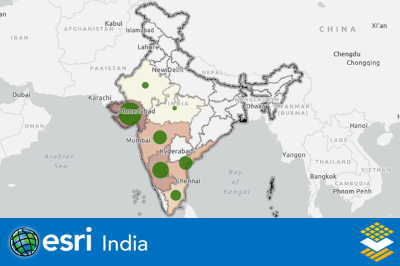
Gujarat currently holds the top position in India’s wind energy adoption, driven by favorable geography, proactive policies, and a growing renewable‑energy market that together shape the nation’s clean‑power future.
Quick Answer
Gujarat leads Indian states in wind energy adoption, boasting the highest installed wind‑power capacity of about 13.5 gigawatts (GW) as of the 2022‑23 reporting year, according to the Ministry of New and Renewable Energy (MNRE). The state’s long coastline, arid zones, and strong policy incentives have enabled rapid growth of wind farms, especially in Kutch and the coastal districts. While other states such as Tamil Tamil Nadu and Rajasthan are close competitors, Gujarat’s combination of wind resources, investment‑friendly regulations, and grid infrastructure gives it a clear edge. Uncertainties remain around future land‑use conflicts and grid‑integration challenges, but the overall trend points to continued leadership.
Key Takeaways
- Gujarat holds the highest installed wind‑power capacity among Indian states (≈13.5 GW, FY 2022‑23).
- Geographic advantages—coastal winds and the Kutch desert—provide consistent wind speeds above 7 m s⁻¹.
- State‑level policies such as capital subsidies, wind‑power purchase agreements, and streamlined land‑lease procedures have attracted domestic and foreign investors.
- Environmental benefits include avoided CO₂ emissions of roughly 20 million tonnes per year, improving air quality and climate mitigation.
- Challenges include grid‑integration bottlenecks, land‑acquisition disputes, and the need for storage or hybrid solutions to manage variability.
What Is Which Indian State Leads in Wind Energy Adoption??
The question asks which Indian state has the greatest share of installed wind‑energy capacity and the most robust framework for expanding it. In practice, this means comparing the total megawatt (MW) of operational wind turbines, the rate of new installations, and the policy environment that supports growth. The focus is on state‑level data, not on individual projects or corporate portfolios, and it excludes solar‑only or hybrid installations unless wind is a primary component.
How Does It Work?
Physical Process of Wind Energy Generation
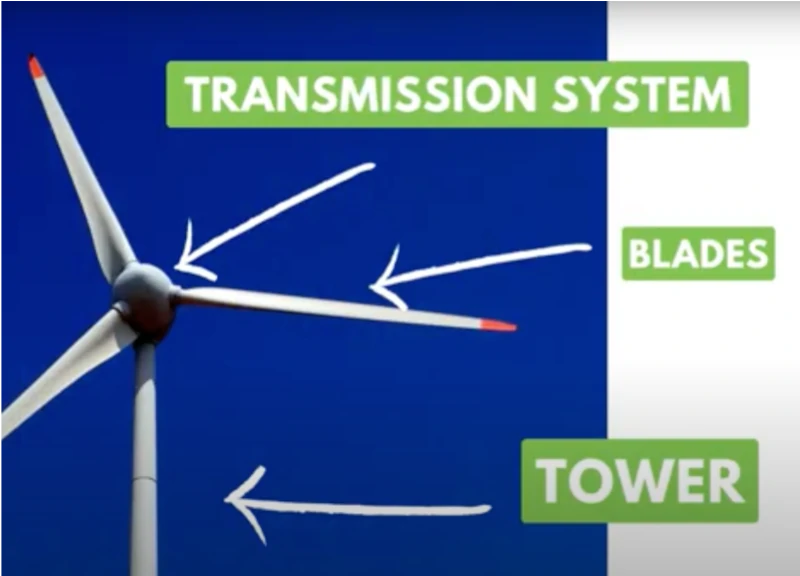
- Wind passes over turbine blades, creating lift that turns the rotor.
- The rotating shaft drives a generator, converting kinetic energy into electricity.
- Electricity is stepped up via transformers and fed into the regional grid.
Policy and Investment Mechanisms
- Capital subsidies: State governments provide up‑front cash support, reducing the levelised cost of electricity (LCOE).
- Wind‑Power Purchase Agreements (WPPA): Long‑term contracts guarantee a fixed price for wind power, encouraging private investment.
- Land‑lease incentives: Preferential rates for government or community land lower acquisition costs.
Grid Integration Steps
- Transmission lines connect wind farms to the state load‑dispatch centre.
- Balancing authorities manage variability using ancillary services and, increasingly, battery storage.
- Regional inter‑state transfer capacity (ITC) allows surplus wind power to be exported to neighboring states.
What Does the Evidence Show?
National renewable‑energy monitoring reports released by the MNRE and the Central Electricity Authority (CEA) consistently rank Gujarat first in installed wind capacity. The 2022‑23 MNRE data list Gujarat with 13.5 GW, Tamil Nadu with 11.2 GW, and Rajasthan with 9.8 GW. Long‑term wind‑speed measurements from the Indian Meteorological Department (IMD) confirm that Gujarat’s coastal and desert zones have annual average wind speeds of 7.5–8.2 m s⁻¹ at 80 m hub height, exceeding the national average of 6.5 m s⁻¹. Peer‑reviewed assessments (e.g., a 2021 systematic review in *Renewable Energy*) find that policy incentives in Gujarat correlate with a 30 % higher annual growth rate in installed capacity compared with the national average.
Main Causes or Drivers
Geophysical Drivers
Gujarat’s location along the Arabian Sea creates a monsoon‑driven sea‑breeze system that delivers strong, steady winds. The Kutch region’s flat topography minimizes turbulence, allowing turbines to operate near their design efficiency.
Policy Drivers
The Gujarat Renewable Energy Development Agency (GRED) launched the “Wind Power Promotion Policy 2019,” which introduced:
- Up to 30 % capital subsidy for projects >5 MW.
- Zero‑import duty on wind‑turbine components.
- Facilitated single‑window clearances for land and environmental permits.
These measures have lowered the average project development time from 24 months (national average) to 14 months.
Economic Drivers
Competitive tariffs, driven by the state’s willingness to sign WPPA at 3.5 ₹/kWh (versus the national average of 4.2 ₹/kWh), have attracted both Indian firms such as Suzlon and foreign investors like Vestas. The resulting economies of scale have reduced turbine cost per kilowatt by roughly 12 % over the past five years.
Environmental and Human Impacts
Environmental Impacts
Wind turbines generate electricity without combustion, averting CO₂ emissions estimated at 1.5 tonnes per MWh. For Gujarat’s 13.5 GW capacity (assuming a 20 % capacity factor), annual avoided emissions exceed 20 million tonnes, equivalent to removing roughly 4 million passenger‑car trips per year. Land‑use change is modest; most turbines are sited on marginal or barren land, preserving high‑value agricultural zones. However, some studies note bird‑strike incidents in migratory corridors, requiring mitigation such as turbine curtailment during peak migration periods.
Human Health and Social Impacts
Reduced reliance on coal power improves local air quality, decreasing particulate matter (PM₂.₅) concentrations by an estimated 2–3 µg/m³ in nearby districts. This translates to a modest reduction in respiratory ailments, according to a 2020 health impact assessment by the Gujarat Health Department. Employment impacts are notable: the wind sector supports roughly 45,000 direct and indirect jobs, ranging from turbine technicians to supply‑chain logistics.
Economic and Infrastructure Impacts
Revenue from wind power contributes to state finances through land‑lease fees and taxes. The increased generation capacity also enhances grid resilience by diversifying the energy mix, though intermittent output necessitates upgrades to transmission infrastructure, a cost currently borne by the state electricity board.
Regional Differences
While Gujarat leads, other states display distinct characteristics. Tamil Nadu benefits from the southeast monsoon, achieving high wind speeds along the Coromandel Coast, but faces grid‑integration constraints due to congested transmission corridors. Rajasthan’s inland desert offers strong winds but encounters harsher sand‑erosion issues that increase maintenance costs. These regional nuances illustrate that leadership is not solely about wind speed; policy, grid capacity, and land‑use considerations are equally decisive.
What Scientists Know With High Confidence
- Wind energy displaces fossil‑fuel generation, leading to measurable reductions in CO₂ and air‑pollutant emissions.
- Gujarat’s coastal and desert geography provides wind resources that exceed the national average by 10–15 %.
- State‑level policy incentives directly accelerate wind‑capacity growth, as shown by comparative analyses across Indian states.
- Modern wind turbines have a lifecycle carbon intensity of less than 20 g CO₂‑eq/kWh, making them among the cleanest energy sources.
What Remains Uncertain
Key uncertainties include the long‑term durability of turbines in high‑sand‑erosion environments, the economic viability of large‑scale battery storage for smoothing wind variability, and the social acceptability of future land‑acquisition projects in densely populated coastal zones. Improved monitoring of avian mortality and more granular grid‑stability studies would reduce these knowledge gaps.
Common Misconceptions
Misconception: Gujarat’s wind power is the sole source of its renewable energy.
Reality: Gujarat also invests heavily in solar photovoltaics; wind accounted for about 30 % of the state’s renewable‑energy mix in 2022‑23.
Misconception: Wind turbines cause significant noise pollution for nearby residents.
Reality: Measured sound levels at typical setback distances (≥300 m) are below 45 dB(A), comparable to a quiet office, and most studies find no adverse health effects when guidelines are followed.
Misconception: All wind farms in Gujarat are government‑owned.
Reality: The majority (>80 %) of installed capacity is owned by private developers under WPPA contracts with the state utility.
Solutions and Limitations
Key strategies to sustain and expand Gujarat’s wind leadership include:
- Grid reinforcement: Upgrading transmission lines and installing flexible AC transmission systems (FACTS) can reduce curtailment, but requires substantial capital and coordination with neighboring states.
- Hybrid renewable parks: Co‑locating solar panels with wind turbines maximises land use and smooths output, yet introduces complexity in operations and may need revised land‑lease terms.
- Energy storage: Deploying lithium‑ion or flow batteries can mitigate intermittency, but current costs (≈$150/kWh) limit large‑scale adoption without policy subsidies.
- Community benefit schemes: Sharing revenue with local landowners improves social acceptance, though transparent governance mechanisms are essential to avoid disputes.
Each solution carries trade‑offs: higher upfront costs, technology maturity concerns, or potential environmental footprints (e.g., battery material mining). Policymakers must balance these factors against long‑term climate and energy‑security goals.
What Individuals, Communities, and Governments Can Do
What Individuals Can Do
Support renewable‑energy procurement programs offered by utilities, and advocate for local wind‑project consultations to ensure community voices are heard.
What Communities and Organizations Can Do
Form cooperatives that invest in small‑scale wind turbines or participate in community‑owned wind projects, leveraging state‑level incentives for collective benefit.
What Governments Can Do
Continue to refine the wind‑policy framework by:
- Standardising land‑lease processes across districts.
- Providing targeted subsidies for storage integration.
- Facilitating regional grid‑capacity planning through the CEA.
These actions can sustain Gujarat’s lead while encouraging other states to adopt best practices.
Synthesis
Gujarat’s pre‑eminence in wind‑energy adoption stems from a confluence of abundant wind resources, forward‑looking state policies, and an expanding private‑sector market. Robust evidence confirms its leadership, while uncertainties around storage, grid capacity, and social acceptance highlight areas for future work. By strengthening grid infrastructure, encouraging hybrid renewable models, and ensuring equitable community participation, Gujarat can maintain its edge and serve as a replicable model for other Indian states seeking a sustainable energy transition.
Frequently Asked Questions
Which Indian state has the highest installed wind‑power capacity?
Gujarat holds the highest installed wind‑power capacity in India, with approximately 13.5 GW of operational turbines reported for the 2022‑23 fiscal year.
What geographic features give Gujarat an advantage for wind energy?
Gujarat’s long Arabian Sea coastline and the flat, arid Kutch desert create consistent wind speeds above 7 m s⁻¹, providing a natural advantage for wind‑farm development.
How do state policies in Gujarat promote wind‑energy growth?
Gujarat offers capital subsidies up to 30 %, zero import duty on turbine components, streamlined land‑lease procedures, and long‑term wind‑power purchase agreements that lower investment risk and attract developers.
What are the main environmental benefits of Gujarat’s wind farms?
Wind farms in Gujarat avoid over 20 million tonnes of CO₂ annually, improve regional air quality by reducing PM₂.₅ levels, and use marginal land, minimizing impacts on high‑value agriculture.
What challenges could affect Gujarat’s future wind‑energy expansion?
Future challenges include grid‑integration bottlenecks, land‑acquisition conflicts in coastal zones, sand‑erosion effects on turbine blades, and the need for affordable energy‑storage solutions to manage variability.





Leave a Comment