
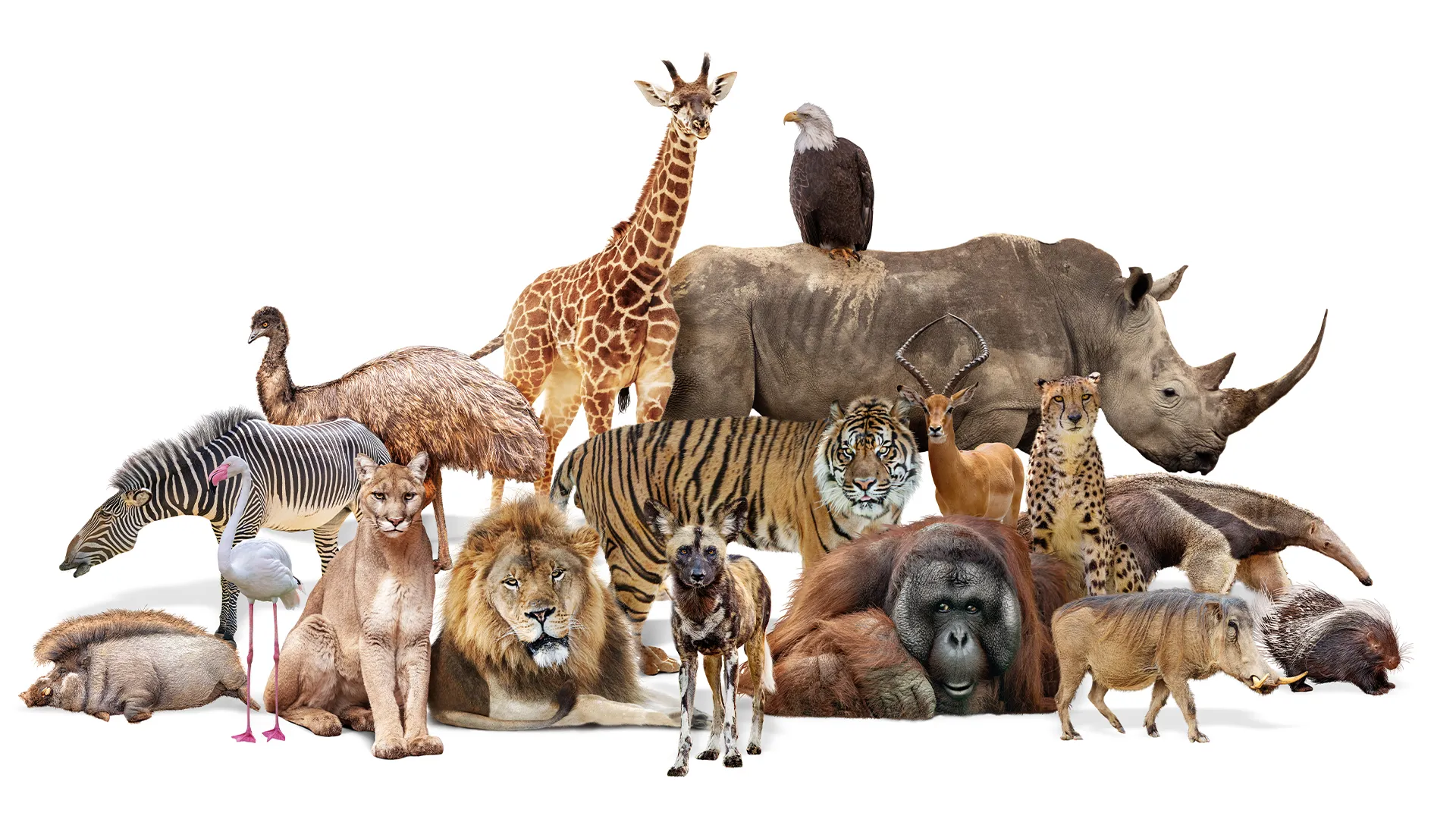
Animals facing the highest extinction rates are those most sensitive to habitat loss, climate change, disease, and overexploitation, a pattern that varies across amphibians, reptiles, birds, and mammals and threatens ecosystem stability worldwide.
Quick Answer
Across the tree of life, amphibians exhibit the highest proportion of threatened species—about one‑third of known taxa—followed by mammals (≈26%), reptiles (≈20%) and birds (≈12%). These rates reflect a mix of direct drivers such as habitat destruction, illegal trade, and pollution, and indirect drivers like climate‑induced disease spread. The consequence is reduced ecosystem services, heightened vulnerability of human livelihoods, and accelerated loss of biodiversity. While exact numbers vary by assessment year, the overall pattern is robust, though uncertainties remain around data gaps for many invertebrates and regional populations.
Key Takeaways
- Amphibians have the highest extinction proportion, driven by disease (chytridiomycosis) and habitat loss.
- Mammals and large vertebrates are disproportionately affected by poaching and land‑use change.
- Climate change amplifies existing threats by altering habitats and facilitating invasive species.
- Effective solutions combine protected‑area expansion, disease management, and community‑based stewardship.
- Individual actions matter most when they support systemic policies and fund proven conservation programs.
What Is Which Animals Have the Highest Extinction Rates??
The phrase refers to the comparative proportion of species within each taxonomic group that are classified as Vulnerable, Endangered, or Critically Endangered by the International Union for Conservation of Nature (IUCN). It does not imply that every member of a group is extinct, but rather that a significant share faces a high risk of disappearance without intervention. The assessment typically includes vertebrates—amphibians, reptiles, birds, and mammals—because data are most complete for these groups.
How Does It Work?
1. Assessment of Extinction Risk
Scientists evaluate species against criteria such as population size, rate of decline, geographic range, and degree of fragmentation. The IUCN Red List uses quantitative thresholds to assign categories from Least Concern to Extinct.
2. Data Collection and Monitoring
Long‑term field surveys, satellite‑derived habitat maps, and citizen‑science platforms provide the raw data. Gaps are filled with expert elicitation and modeling when direct observations are unavailable.
3. Calculation of Proportional Extinction Rates
For each taxonomic group, the number of threatened species is divided by the total assessed species, yielding a proportion (e.g., 0.33 for amphibians). This proportion is compared across groups to identify which have the highest rates.
What Does the Evidence Show?
Multiple independent sources converge on the same pattern. The IUCN Red List (2022) reports that 31% of amphibians, 26% of mammals, 20% of reptiles, and 12% of birds are threatened. A systematic review published in *Biological Conservation* (2021) confirmed that amphibians experience the steepest recent declines, largely due to the spread of the fungal pathogen *Batrachochytrium dendrobatidis*. Climate‑impact assessments by the Intergovernmental Panel on Climate Change (IPCC, 2022) highlight that rising temperatures increase disease susceptibility and shrink suitable habitats, especially for ectothermic groups.
Main Causes or Drivers
Habitat Loss and Fragmentation
Urban expansion, agriculture, and infrastructure projects convert or divide natural habitats, removing the space needed for breeding, foraging, and migration. Forest loss alone accounts for roughly 40% of the threat to tropical amphibians (UNEP, 2020).
Climate Change
Changing temperature and precipitation regimes shift elevational and latitudinal ranges. Species with narrow climatic tolerances—many amphibians and high‑altitude mammals—cannot track these shifts quickly enough.
Pollution and Disease
Waterborne contaminants degrade amphibian skin, while pesticides weaken immune systems, making disease outbreaks more lethal. The chytrid fungus has caused declines in over 200 amphibian species worldwide.
Overexploitation and Illegal Trade
Poaching for ivory, bushmeat, pet trade, and traditional medicine drives rapid declines in large mammals (e.g., African elephants) and reptiles (e.g., turtles).
Invasive Species
Non‑native predators or competitors, such as the Burmese python in the Everglades, can decimate native populations, especially on islands where endemic species have evolved without such pressures.
Environmental and Human Impacts
Environmental Impacts
Loss of amphibians reduces pest control services and signals water‑quality degradation. Declines in large mammals affect seed dispersal and nutrient cycling, leading to altered forest composition. Bird extinctions can disrupt pollination networks.
Human Health and Social Impacts
Reduced biodiversity can increase disease transmission to humans, as ecosystem regulation of pathogens weakens. Many Indigenous cultures hold specific species as totems; their loss erodes cultural heritage and food security.
Economic and Infrastructure Impacts
Tourism revenue linked to charismatic wildlife (e.g., elephants, turtles) can fall sharply when populations collapse. Fisheries that depend on healthy river ecosystems suffer when keystone fish species disappear.
Regional Differences
In the tropical Andes, steep elevation gradients create many range‑restricted amphibians, making the region a hotspot for amphibian extinction risk. In contrast, boreal forests of Canada have lower amphibian diversity but face rapid mammal declines due to expanding oil‑sand development. Southeast Asia experiences the highest reptile trade pressure, while sub‑Saharan Africa contends with both large‑mammal poaching and rapid agricultural conversion.
What Scientists Know With High Confidence
- Habitat loss is the leading direct cause of species threatened with extinction across all vertebrate groups.
- Amphibians have the highest proportion of threatened species, largely because of disease and habitat degradation.
- Climate change interacts synergistically with other threats, accelerating declines.
- Protected‑area networks that include habitat connectivity reduce extinction risk for many taxa.
What Remains Uncertain
Data gaps persist for many invertebrate groups, making it difficult to assess their true extinction risk. The long‑term effectiveness of captive‑breeding programs for re‑introduction remains variable and context‑dependent. Additionally, the precise thresholds at which climate‑induced habitat shift becomes irreversible for specific species are still being refined through modeling studies.
Common Misconceptions
Misconception: “Only exotic or charismatic species are at risk.”
Reality: While charismatic megafauna receive media attention, the majority of threatened species are small, less‑known taxa such as amphibians and certain reptiles, which play critical ecological roles.
Misconception: “Extinction rates are a recent phenomenon.”
Reality:
The current background extinction rate (estimated at 0.01–0.1 species per year) is vastly exceeded by the modern rate, which is tens to hundreds of times higher according to the IUCN Red List assessments.
Misconception: “If a species is listed as endangered, it is already doomed.”
Reality: Conservation successes such as the recovery of the California condor demonstrate that targeted actions can reverse decline trajectories, though success depends on sustained effort and funding.
Solutions and Limitations
Effective responses must address both proximate drivers and underlying socioeconomic contexts.
Protected‑Area Expansion and Connectivity
Designating new reserves can safeguard critical habitats, but without ecological corridors species may remain isolated, limiting gene flow. Implementation costs and land‑use conflicts can delay progress.
Disease Management
Treating amphibian populations with antifungal agents shows promise in pilot studies, yet scaling treatments across remote habitats is logistically challenging and expensive.
Anti‑Poaching Enforcement
Strengthening patrols and employing technology (e.g., drones) reduces illegal harvest, but corruption and limited funding can undermine effectiveness.
Community‑Based Stewardship
Engaging local people in sustainable harvesting and habitat restoration aligns livelihoods with conservation goals. However, success depends on secure land tenure and equitable benefit sharing.
Ex‑situ Conservation (Captive Breeding)
Captive breeding can prevent absolute loss, yet re‑introduction success varies, and maintaining genetic diversity in captivity is complex.
What Individuals, Communities, and Governments Can Do
What Individuals Can Do
- Support reputable conservation organizations that fund habitat protection and disease research.
- Choose sustainably sourced products (e.g., certified timber, seafood) to reduce habitat pressure.
- Participate in citizen‑science projects that monitor local wildlife.
What Communities and Organizations Can Do
- Develop community‑led protected areas that balance economic needs with biodiversity goals.
- Implement sustainable agriculture practices that limit pesticide runoff.
- Promote ecotourism models that provide financial incentives for wildlife protection.
What Governments Can Do
- Enforce and strengthen anti‑poaching legislation, backed by adequate funding.
- Integrate biodiversity considerations into land‑use planning and climate‑adaptation strategies.
- Invest in long‑term monitoring programs and open data portals to reduce knowledge gaps.
Closing Synthesis
The groups with the highest extinction rates—amphibians, mammals, reptiles, and birds—share common threats of habitat loss, climate change, disease, and exploitation. Robust evidence from the IUCN Red List, peer‑reviewed syntheses, and climate assessments confirms these patterns, while uncertainties remain around less‑studied taxa and the long‑term outcomes of some interventions. Solutions that combine protected‑area networks, disease management, anti‑poaching enforcement, and community stewardship offer the greatest chance of reversing declines, provided they are implemented at scale and supported by policy. By aligning individual choices with systemic actions, society can reduce the trajectory toward biodiversity loss and preserve the ecosystem services essential for human well‑being.
Frequently Asked Questions
What does the term “extinction rate” refer to in conservation biology?
Extinction rate describes the proportion of species within a taxonomic group that are classified as threatened (Vulnerable, Endangered, or Critically Endangered) based on IUCN criteria, indicating the speed at which biodiversity is being lost.
Which animal group currently has the highest proportion of threatened species?
Amphibians have the highest proportion, with about 31% of assessed species listed as threatened, primarily due to disease, habitat loss, and climate change impacts.
How does climate change specifically increase extinction risk for amphibians?
Climate change alters temperature and precipitation patterns, shrinking suitable moist habitats and facilitating the spread of the chytrid fungus, which together raise mortality and reduce breeding success in many amphibian populations.
What are the most effective conservation actions for species with high extinction rates?
The most effective actions combine protected‑area expansion with ecological corridors, disease management for amphibians, anti‑poaching enforcement, community‑based stewardship, and targeted captive‑breeding programs where in‑situ recovery is not yet possible.
Can individual lifestyle choices meaningfully affect global extinction rates?
Individual choices matter most when they support systemic change—such as donating to reputable conservation groups, purchasing sustainably sourced products, and participating in citizen‑science—thereby amplifying broader policy and funding mechanisms that protect threatened species.








Leave a Comment