
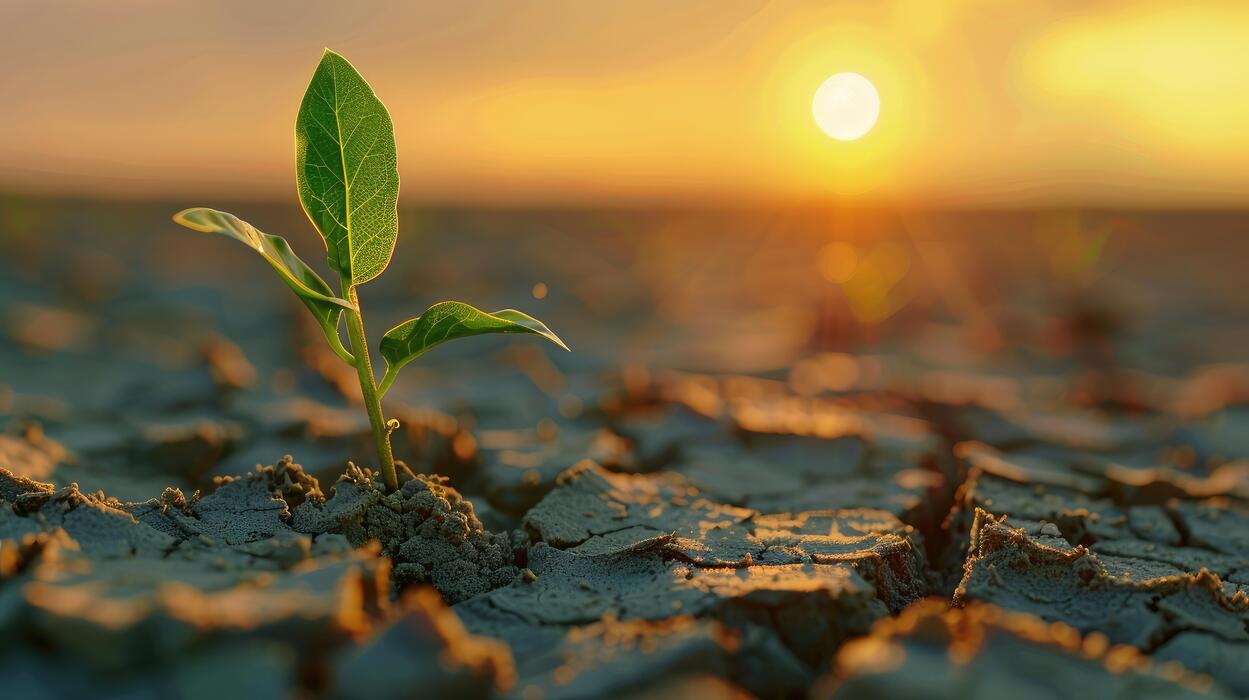
Global warming can lengthen growing seasons and boost CO₂‑driven photosynthesis in some regions, yet it also intensifies heat stress, extreme weather, and pest pressures that threaten crops worldwide.
Quick Answer
Global warming alters agricultural productivity through two opposing mechanisms: warmer temperatures can extend the frost‑free period and higher atmospheric CO₂ can enhance photosynthesis for certain crops, while more frequent heatwaves, droughts, floods, and pest outbreaks reduce yields and damage soils. The net effect varies by crop type, climate zone, and adaptive capacity, with temperate regions seeing modest gains and tropical or arid areas facing clear losses. Uncertainty remains around the magnitude of CO₂ fertilisation and the speed of climate‑driven pest expansions.
Key Takeaways
- Temperate zones may gain 5‑15% yield increases for some cereals due to longer seasons and CO₂ fertilisation.
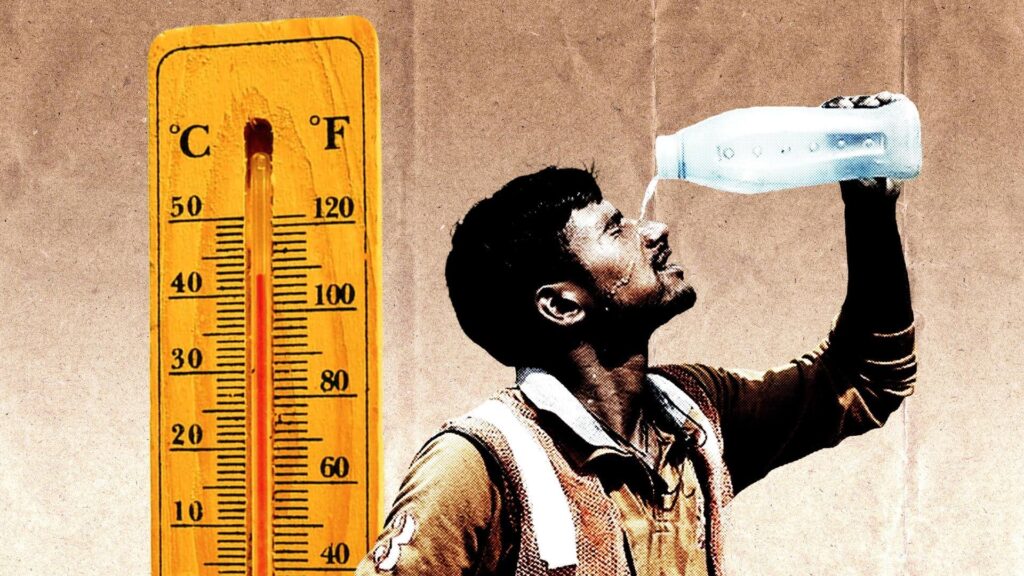
- Heat stress above 35 °C sharply reduces yields of maize, wheat, and rice, especially in the tropics.
- Extreme precipitation events increase soil erosion and crop loss, while prolonged droughts reduce water‑use efficiency.
- Pest and disease ranges are expanding northward and to higher elevations, adding new management challenges.
- Adaptation strategies—such as drought‑tolerant varieties, agroforestry, and improved irrigation—can offset many negative impacts but require investment and local knowledge.
What Is Where Global Warming Helps Agriculture—and Where It Harms It?
The phrase describes the dual, region‑specific outcomes of climate change on food production. It encompasses both the potential agronomic benefits of moderate warming and CO₂ enrichment, and the detrimental effects of higher temperatures, erratic precipitation, and associated biotic stresses. The scope includes field crops, livestock feed, and the broader food‑system services that depend on stable yields.
How Does It Work?
Extended Growing Seasons
In many temperate and sub‑polar regions, average spring temperatures have risen enough to advance planting dates by 5–10 days (Intergovernmental Panel on Climate Change, 2021). This lengthens the frost‑free period, allowing farmers to grow longer‑maturing varieties or to double‑crop (e.g., a winter wheat followed by a summer corn). The benefit is most pronounced where winter chilling was previously a limiting factor.
CO₂ Fertilisation
Atmospheric CO₂ concentrations have increased from roughly 280 ppm in pre‑industrial times to 420 ppm in 2023 (NOAA, 2024). Higher CO₂ improves the efficiency of the Rubisco enzyme, enhancing photosynthetic rates for C₃ crops such as wheat, rice, and soybeans. Experiments in open‑top chambers show yield gains of 5–10% for wheat under elevated CO₂ when water and nutrients are not limiting.
Heat Stress and Phenology Shifts
When daily maximum temperatures exceed crop‑specific thresholds (often 30–35 °C for cereals), pollen viability and grain filling decline sharply. A meta‑analysis of field trials reported average yield reductions of 6% per °C above optimum for maize (FAO, 2022). Heat also accelerates phenological development, shortening the grain‑filling period and reducing final biomass.
Changes in Water Availability
Warmer air holds more moisture, but precipitation patterns become more uneven. Some mid‑latitude regions experience increased winter rain, while many arid and semi‑arid zones face intensified evapotranspiration and longer droughts. Soil moisture models project a 10–20% decline in usable water for rain‑fed agriculture in Sub‑Saharan Africa by 2050 under high‑emission scenarios.
Pest and Disease Expansion
Insects and pathogens are ectothermic; higher temperatures shorten their life cycles and expand their geographic ranges. The European corn borer, for example, has moved 300 km northward in the last two decades, increasing pesticide demand in newly affected areas.
What Does the Evidence Show?
Multiple lines of evidence converge on a nuanced picture. Long‑term yield records from the United States and Europe demonstrate modest gains for wheat and barley during the 1990s–2010s, attributed partly to CO₂ fertilisation and breeding advances. Conversely, satellite‑derived vegetation indices reveal declining greenness in parts of South Asia and the Sahel during recent heatwaves. Systematic reviews of field experiments confirm that CO₂ enrichment benefits C₃ crops under well‑watered conditions, but the effect diminishes under drought stress. Climate attribution studies consistently link the increase in extreme heat days to anthropogenic warming, reinforcing the link between climate change and reduced yields in vulnerable regions.
Main Causes or Drivers
Direct Climatic Drivers
- Rising average surface temperature (global mean +1.1 °C since 1850, IPCC AR6, 2021).
- Increased atmospheric CO₂ concentration (from 280 ppm to 420 ppm, NOAA, 2024).
- Altered precipitation patterns, including more intense storms and longer dry spells.
Underlying Human Drivers
- Fossil‑fuel combustion and land‑use change that emit greenhouse gases.
- Expansion of irrigation and fertilizer use, which can amplify climate feedbacks.
Environmental and Human Impacts
Environmental Impacts
Soil erosion rates increase by up to 30% after single‑day extreme rainfall events, reducing organic matter and fertility. Salinization threatens coastal plains as sea‑level rise pushes saltwater into groundwater, rendering soils unsuitable for most annual crops. Biodiversity loss in agro‑ecosystems follows from monoculture expansion driven by the search for climate‑resilient yields.
Human Health and Social Impacts
Reduced staple yields raise food prices, disproportionately affecting low‑income households and increasing the risk of undernutrition. Heat stress also endangers farm workers, leading to higher rates of heat‑related illness and reduced labor productivity.
Economic and Infrastructure Impacts
Crop failure can trigger supply chain disruptions, as seen in the 2021 wheat shortage linked to heatwaves in Russia and Kazakhstan. Damage to irrigation infrastructure from flooding adds repair costs that can exceed 5% of regional agricultural budgets.
Regional Differences
In Canada and northern Europe, warming has opened new areas for corn and soybean cultivation, with reported yield increases of 8–12% for soybeans between 2000 and 2020. In contrast, East Africa’s maize yields have declined by an average of 4% per decade since 2000 due to recurrent droughts (World Bank, 2023). South‑East Asia faces simultaneous threats: rising temperatures reduce rice grain quality, while intensified monsoon floods damage planting fields.
What Scientists Know With High Confidence
- Global average temperature is rising due to human‑driven greenhouse‑gas emissions.
- Elevated CO₂ enhances photosynthesis for C₃ crops under adequate water and nutrient conditions.
- Heat stress above crop‑specific thresholds reduces yields for major cereals.
- Pest and disease ranges are expanding poleward and upward in elevation.
What Remains Uncertain
Key uncertainties include the magnitude of CO₂ fertilisation under future water‑limited conditions, the speed at which new pest species will adapt to novel climates, and the socioeconomic capacity of smallholder farmers to adopt climate‑smart technologies. Long‑term field experiments that combine elevated CO₂, heat, and variable precipitation are needed to resolve these gaps.
Common Misconceptions
Misconception: Global warming will universally increase food production.
Reality: While some temperate regions may see modest gains, the majority of the world’s most populous areas are projected to experience net yield declines.
Misconception: CO₂ fertilisation alone can solve food‑security challenges.
Reality: The benefit is limited by water, nutrient availability, and extreme weather; without adaptation, gains are unlikely to offset losses.
Misconception: Pests will not become a major problem because farmers can use more pesticides.
Reality: Increased pesticide use raises resistance, environmental harm, and cost, making integrated pest management a more sustainable approach.
Solutions and Limitations
Adaptation measures—such as breeding heat‑tolerant varieties, improving irrigation efficiency, and adopting agroforestry—have demonstrated yield protection of 10–20% in field trials. However, they require research funding, seed‑distribution networks, and farmer training. Mitigation actions that reduce greenhouse‑gas emissions (e.g., shifting to renewable energy in agriculture) lower future warming but do not address near‑term climate impacts. Conservation of soil organic matter improves water retention but may be limited by land‑use pressures. Each strategy involves trade‑offs: higher‑tech solutions can be costly for low‑income farms, while low‑tech practices may need more labor.
What Individuals, Communities, and Governments Can Do
What Individuals Can Do
- Support policies that fund climate‑smart research and extension services.
- Choose food products sourced from farms using sustainable water and soil practices.
What Communities and Organizations Can Do
- Establish local seed banks for drought‑ and heat‑tolerant varieties.
- Implement community‑wide water‑catchment and drip‑irrigation projects.
What Governments Can Do
- Provide subsidies or low‑interest loans for climate‑resilient equipment.
- Integrate climate risk assessments into national agricultural planning.
- Invest in early‑warning systems for heatwaves and pest outbreaks.
Closing Synthesis
Global warming reshapes agriculture through a balance of longer seasons and CO₂‑driven growth on one side, and heat stress, water scarcity, and pest pressure on the other. High‑confidence evidence confirms that temperate zones may gain modestly, while tropical and arid regions face pronounced risks. Uncertainties around combined stressors highlight the need for integrated field research. Effective responses combine mitigation of emissions with targeted adaptation—such as resilient crop varieties, efficient water use, and pest‑management strategies—while recognizing economic and equity constraints. By aligning scientific insight with practical action, societies can safeguard food security in a warming world.
Frequently Asked Questions
What are the main ways global warming can benefit agriculture?
Global warming can benefit agriculture by lengthening the frost‑free period, which allows earlier planting and double‑cropping in temperate zones, and by increasing atmospheric CO₂, which enhances photosynthesis and water‑use efficiency for many C₃ crops when moisture and nutrients are adequate.
How does higher CO₂ improve crop water‑use efficiency?
Higher CO₂ reduces the stomatal opening needed for gas exchange, so plants lose less water through transpiration while maintaining or increasing photosynthetic carbon gain, leading to better water‑use efficiency especially under moderate water‑limited conditions.
Which regions are most at risk from warming‑induced heat stress?
Tropical and subtropical regions such as Sub‑Saharan Africa, South‑East Asia, and parts of Latin America are most at risk because staple crops like maize, rice, and wheat experience sharp yield declines when daily temperatures exceed 35 °C, a threshold that is being reached more frequently.
What adaptation strategies are most effective for smallholder farmers?
Effective strategies for smallholders include planting heat‑tolerant and drought‑resistant varieties, using rainwater harvesting and drip irrigation to improve water efficiency, and adopting integrated pest management to reduce reliance on costly pesticides.
Can planting cover crops reduce soil degradation under climate change?
Yes, cover crops protect soil from erosion, improve organic matter, and enhance moisture retention, which helps mitigate the increased erosion and salinization risks associated with more intense rainfall and rising sea levels.






Leave a Comment