
Wind energy captures the kinetic power of moving air and converts it into electricity through turbines, offering a renewable, low‑carbon power source while presenting technical and ecological challenges.
Quick Answer
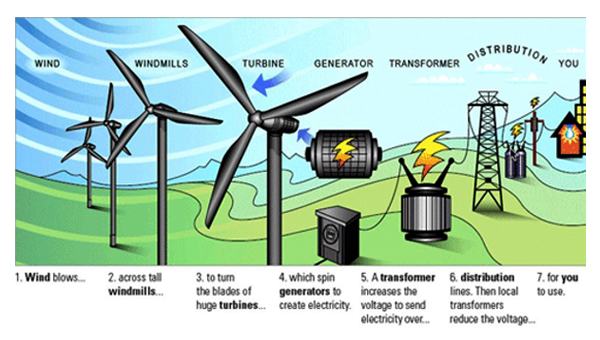
Wind energy is the conversion of atmospheric kinetic energy into electrical power using wind turbines. Air movement, driven by uneven solar heating, turns turbine blades, which spin a shaft connected to a generator that produces electricity via electromagnetic induction. The electricity is then transmitted to the grid. Scientific assessments confirm that wind power reduces greenhouse‑gas emissions and diversifies energy supplies, though its output varies with wind availability, requiring storage or complementary generation for reliability.
Key Takeaways
- Wind energy is a renewable, non‑polluting source derived from the kinetic energy of moving air.
- Modern turbines convert wind‑driven mechanical motion into electricity through a gearbox and generator.
- Global wind capacity has grown steadily; the International Energy Agency reports over 1,000 GW installed worldwide as of 2023.
- Intermittency and wildlife impacts are the main challenges, mitigated by storage, forecasting, and turbine siting strategies.
- Policy support, community engagement, and responsible planning are essential for expanding wind energy sustainably.
What Is Wind Energy and How Is It Generated?
Wind energy refers to the kinetic energy present in atmospheric air currents that can be captured and transformed into usable power. It is a subset of renewable energy because the wind is driven by solar heating of the Earth’s surface, a process that is continuously replenished and does not deplete finite resources. Unlike fossil fuels, wind does not emit carbon dioxide or other pollutants during operation, making it a cornerstone of low‑carbon energy systems.
How Does It Work?
Physical Principle
The wind’s kinetic energy is described by the equation ½ ρ v³ A, where ρ is air density, v is wind speed, and A is the swept area of the turbine blades. When wind passes over an airfoil‑shaped blade, a pressure difference creates lift, causing the rotor to rotate.
Turbine Components
A typical utility‑scale turbine consists of:
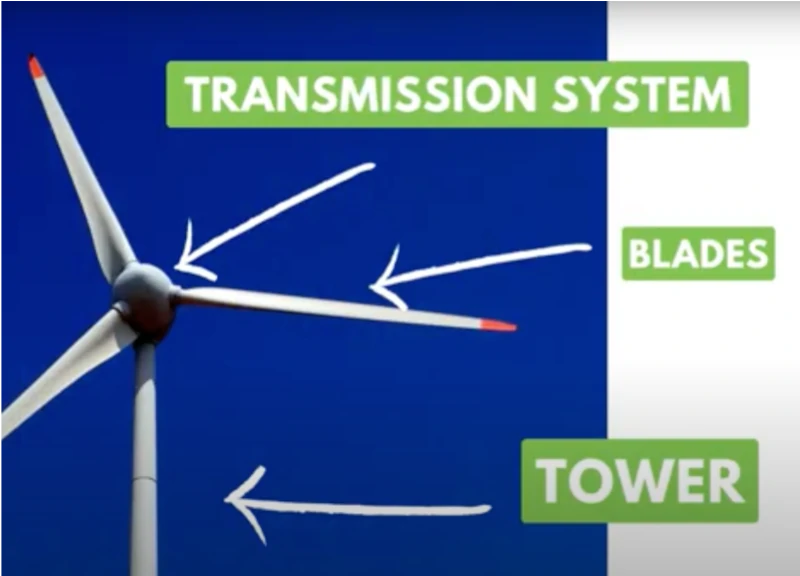
- Rotor: three aerodynamically designed blades attached to a hub.
- Gearbox: increases the low‑speed rotor rotation (≈10–20 rpm) to the higher speed required by the generator (≈1,500 rpm).
- Generator: converts mechanical rotation into electricity via electromagnetic induction, as described by Faraday’s law.
- Nacelle: housing that contains the gearbox, generator, and control electronics.
- Tower: supports the nacelle at a height where wind speeds are higher and more consistent.
Electrical Conversion and Grid Integration
After generation, power passes through power electronics that condition voltage and frequency to match grid standards. Substations step up the voltage for long‑distance transmission, reducing losses. Because wind is variable, grid operators use forecasting tools and, increasingly, battery storage or complementary generation (e.g., solar, hydro) to balance supply and demand.
What Does the Evidence Show?
Long‑term monitoring by the International Renewable Energy Agency (IRENA) and national agencies demonstrates that wind turbines achieve capacity factors of 30–45 % in well‑sited locations, meaning they produce that proportion of their maximum possible output over a year. A systematic review published in *Renewable and Sustainable Energy Reviews* (2021) found that wind power reduces lifecycle CO₂ emissions to 10–20 g CO₂‑eq kWh⁻¹, far lower than coal (<900 g CO₂‑eq kWh⁻¹). Studies across Europe, the United States, and China consistently report modest bird and bat mortality rates that can be reduced with siting guidelines and “smart” turbine technologies.
Main Causes or Drivers
Natural Drivers
Wind originates from pressure gradients created by uneven solar heating of land and ocean surfaces. Seasonal and geographic factors—such as the jet stream, coastal breezes, and mountain‑valley circulations—determine local wind regimes.
Human Drivers
Policy incentives (e.g., feed‑in tariffs, renewable portfolio standards), declining turbine costs, and corporate sustainability commitments have accelerated wind deployment. Technological advances, including larger rotor diameters and higher‑capacity turbines, have expanded the viable wind resource.
Environmental and Human Impacts
Environmental Impacts
Wind farms produce no air emissions during operation, contributing to climate‑change mitigation. Land‑use impacts are relatively low; turbines occupy only a small footprint, allowing agriculture or conservation underneath. However, turbine blades can cause bird and bat collisions, especially in migration corridors. Ongoing research into acoustic deterrents and curtailment during peak activity periods aims to mitigate these effects.
Human Health and Social Impacts
Communities near turbines may experience noise or visual concerns, though most studies find no consistent link between turbine noise and adverse health outcomes when exposure levels stay below 45 dB(A). Early and transparent stakeholder engagement has been shown to improve acceptance and generate local economic benefits such as jobs and tax revenue.
Economic and Infrastructure Impacts
Wind projects create construction and maintenance jobs, and generate tax income for host regions. The need for new transmission lines can raise costs and provoke land‑use debates, especially in remote, high‑wind areas.
Regional Differences
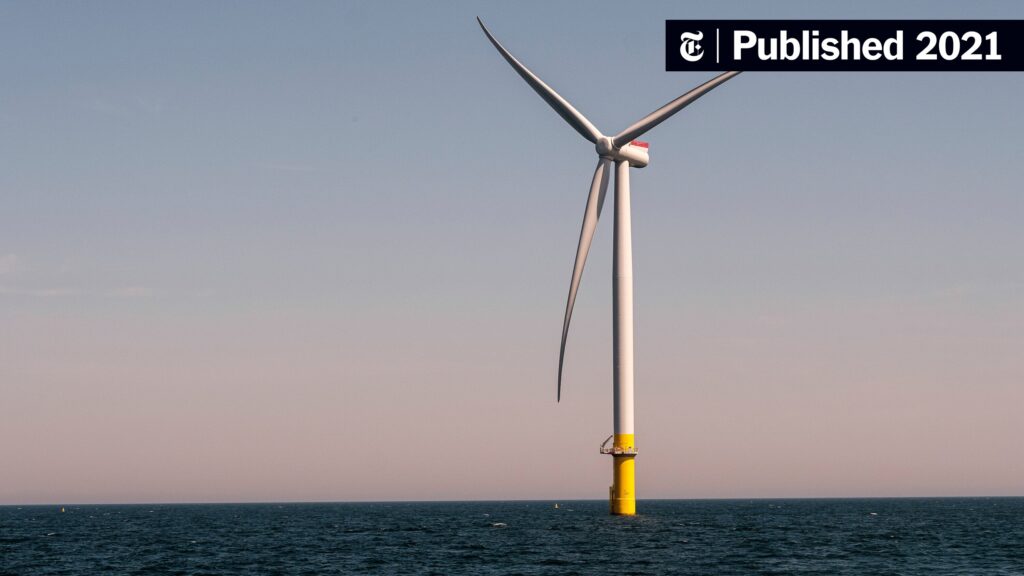
In coastal and offshore settings—such as the North Sea, the U.S. Atlantic coast, and Taiwan—wind speeds are higher, allowing larger turbines and higher capacity factors. Inland regions with lower average winds, like parts of the U.S. Midwest, still host extensive farms due to favorable land availability. Developing nations often face financing and grid‑integration challenges, while also benefiting from reduced reliance on imported fossil fuels.
What Scientists Know With High Confidence
- Wind is a renewable, abundant energy source driven by solar heating.
- Modern turbines reliably convert wind kinetic energy into electricity with low lifecycle greenhouse‑gas emissions.
- Strategic siting and technological upgrades significantly reduce wildlife mortality.
- Integrating wind power with storage and diversified generation improves grid reliability.
What Remains Uncertain
Key uncertainties include the long‑term durability of offshore turbine foundations under harsh marine conditions, the socioeconomic outcomes of large‑scale deployment in low‑income regions, and the precise magnitude of cumulative wildlife impacts when wind farms proliferate across migratory pathways. Improved monitoring and region‑specific studies are needed to refine these estimates.
Common Misconceptions
Misconception: Wind turbines generate electricity only when the wind is strong.
Reality: Turbines begin producing power at the “cut‑in” speed (about 3–4 m s⁻¹) and continue generating up to the “cut‑out” speed (≈25 m s⁻¹). Modern control systems allow turbines to capture energy across a wide range of wind speeds.
Misconception: Wind farms consume large amounts of land.
Reality: The physical footprint of turbine bases and access roads is small; the surrounding land often remains usable for agriculture, grazing, or conservation.
Misconception: Wind energy is always more expensive than fossil fuels.
Reality: Levelized cost analyses from the International Energy Agency show that on‑shore wind is among the cheapest new electricity sources in many markets, with costs continuously falling due to technology improvements.
Solutions and Limitations
Key response strategies include:
- Technology upgrades: larger rotors and higher hub heights capture more energy but increase material use and logistical complexity.
- Energy storage: batteries and pumped hydro smooth intermittent output, yet storage adds cost and resource demands.
- Improved siting: ecological assessments minimize wildlife impacts, though they can lengthen permitting timelines.
- Grid modernization: flexible transmission and smart‑grid controls enhance integration, requiring substantial investment.
Each solution carries trade‑offs; for example, offshore wind offers higher capacity factors but entails higher capital costs and maritime ecosystem considerations.
What Individuals, Communities, and Governments Can Do
What Individuals Can Do
Support policies that expand renewable portfolios, choose electricity providers with wind‑energy options, and participate in community‑owned wind projects where available.
What Communities and Organizations Can Do
Engage early in project planning, conduct local wildlife surveys, and negotiate benefit‑sharing agreements such as community funds or local hiring commitments.
What Governments Can Do
Implement clear permitting standards, provide stable financial incentives, invest in transmission infrastructure, and fund research on storage and wildlife mitigation technologies.
Closing Synthesis
Wind energy converts the natural motion of air into clean electricity, offering a scalable path to decarbonize power systems. The physics of turbine operation are well‑understood, and extensive monitoring confirms substantial climate benefits and manageable environmental trade‑offs. Remaining uncertainties—particularly about long‑term offshore durability and regional socioeconomic effects—highlight the need for continued research and adaptive management. By pairing robust technology with thoughtful policy and community engagement, societies can harness wind’s power while safeguarding ecosystems and ensuring equitable outcomes.
Frequently Asked Questions
What exactly is wind energy?
Wind energy is the kinetic power of moving air that can be captured and transformed into electricity using wind turbines. It is a renewable resource because the wind is continuously generated by solar heating of the Earth’s surface.
How do wind turbines turn wind into electricity?
Wind blows over turbine blades, creating lift that spins the rotor. The rotor turns a shaft connected to a gearbox, which speeds up rotation for a generator. The generator uses electromagnetic induction to produce electricity, which is then sent to the grid.
What are the main environmental concerns with wind farms?
The primary concerns are wildlife impacts, especially bird and bat collisions, and visual or noise issues for nearby residents. Proper siting, wildlife monitoring, and technology such as curtailment during peak migration can reduce these effects.
How reliable is wind power compared to other renewable sources?
Wind power has a capacity factor of 30‑45 % in well‑sited areas, lower than solar’s typical 20‑25 % but comparable to hydro. Advances in forecasting, storage, and hybrid systems improve overall reliability and enable wind to complement other renewables.
What actions can individuals take to support wind energy?
Individuals can choose electricity providers that source from wind, support local or community wind projects, and advocate for policies that promote renewable energy development. Public engagement helps ensure responsible siting and community benefits.





Leave a Comment