
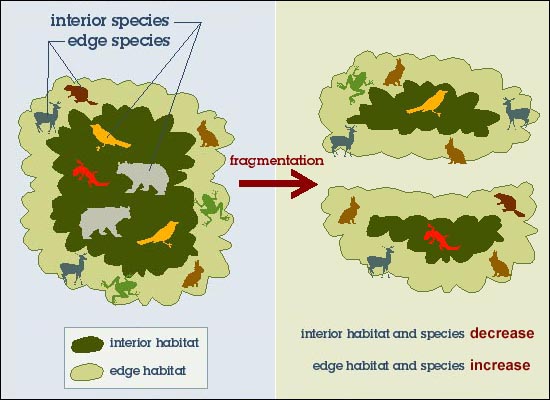
Habitat fragmentation is the process where large, continuous natural areas are broken into smaller, isolated patches, reducing connectivity and threatening biodiversity, ecosystem services, and human well‑being.
Quick Answer
Habitat fragmentation occurs when human activities such as road building, agriculture, and urban expansion divide an originally contiguous ecosystem into separate fragments. This loss of connectivity limits species movement, reduces genetic exchange, and can alter ecosystem functions. Scientific assessments consistently show that fragmented landscapes support fewer species and lower ecosystem resilience. The most important implication is that continued fragmentation amplifies extinction risk and weakens services like pollination and water regulation, although the exact magnitude varies by region and ecosystem.
Key Takeaways
- Fragmentation turns large habitats into isolated patches, cutting ecological corridors.
- Reduced connectivity leads to smaller populations, inbreeding, and higher extinction risk.
- Key ecosystem services—pollination, seed dispersal, carbon storage—decline as fragmentation progresses.
- Primary drivers are land‑use change, infrastructure development, and resource extraction.
- Evidence‑based solutions include wildlife corridors, land‑sparrow planning, and restoration of native vegetation.
What Is Habitat Fragmentation? A Clear Explanation
Habitat fragmentation describes the breaking apart of a once‑continuous natural area into multiple, smaller pieces that are separated by a matrix of human‑dominated land uses such as farms, roads, or cities. The term is distinct from habitat loss, which refers to the outright removal of habitat area; fragmentation can occur even when total habitat area remains relatively stable, but the spatial arrangement changes dramatically.
Fragments vary in size, shape, and quality. Edge effects—changes in microclimate, light, and predator exposure at the borders of a patch—often reduce the interior suitability of small fragments. The concept also includes sub‑types such as “island fragmentation” (e.g., forest islands in agricultural landscapes) and “linear fragmentation” (e.g., corridors cut by highways).
How Does It Work?
Physical Separation
When a road or field bisects a forest, the physical distance between remaining patches increases. Species that require large territories or specific microhabitats may no longer be able to cross the altered landscape.
Edge Effects
Edges experience higher temperature fluctuations, wind, and invasive species pressure. Small patches have a higher proportion of edge relative to interior, which can alter species composition and soil processes.
Genetic Isolation
Limited movement reduces gene flow. Over time, isolated populations may experience inbreeding depression, lowering fitness and adaptability.
Feedback Loops
Reduced pollinator presence can lower plant reproductive success, leading to further habitat degradation—a feedback that intensifies fragmentation impacts.
What Does the Evidence Show?
Long‑term monitoring by the U.S. Forest Service and European Forest Institute demonstrates that fragmented forests host 10‑30 % fewer bird species than comparable unfragmented sites (IUCN, 2022). A meta‑analysis of 85 field studies published in *Conservation Biology* found consistent declines in mammal abundance with increasing patch isolation (moderate confidence). Satellite‑derived land‑cover data from 1990‑2020 indicate that global forest fragmentation has risen by roughly 12 % (FAO, 2023), with the most rapid change in tropical regions.
Experimental landscape‑level studies in the Netherlands showed that installing green bridges across highways restored movement for medium‑sized mammals within five years, supporting the efficacy of connectivity measures (strong evidence).
Main Causes or Drivers
Direct Human Activities
- Road networks that cut through habitats.
- Conversion of wild land to agriculture or urban areas.
- Infrastructure projects such as dams and mining pits.
Underlying Socio‑economic Drivers
- Population growth increasing demand for land.
- Economic incentives for commodity crops and livestock.
- Policy frameworks that prioritize development over conservation.
Environmental and Human Impacts
Environmental Impacts
- Loss of species richness, especially for specialists with large home ranges.
- Disruption of ecosystem services: pollination, natural pest control, water filtration, and carbon sequestration.
- Altered fire regimes because fragmented edges can dry more quickly.
Human Health and Social Impacts
- Increased human‑wildlife conflict as animals move into agricultural or suburban zones.
- Reduced availability of wild foods and medicinal plants that local communities rely on.
- Potential rise in vector‑borne diseases when edge habitats favor disease‑carrying species.
Economic and Infrastructure Impacts
- Higher costs for water treatment when fragmented watersheds deliver more sediment.
- Loss of tourism revenue linked to wildlife viewing in fragmented regions.
Regional Differences
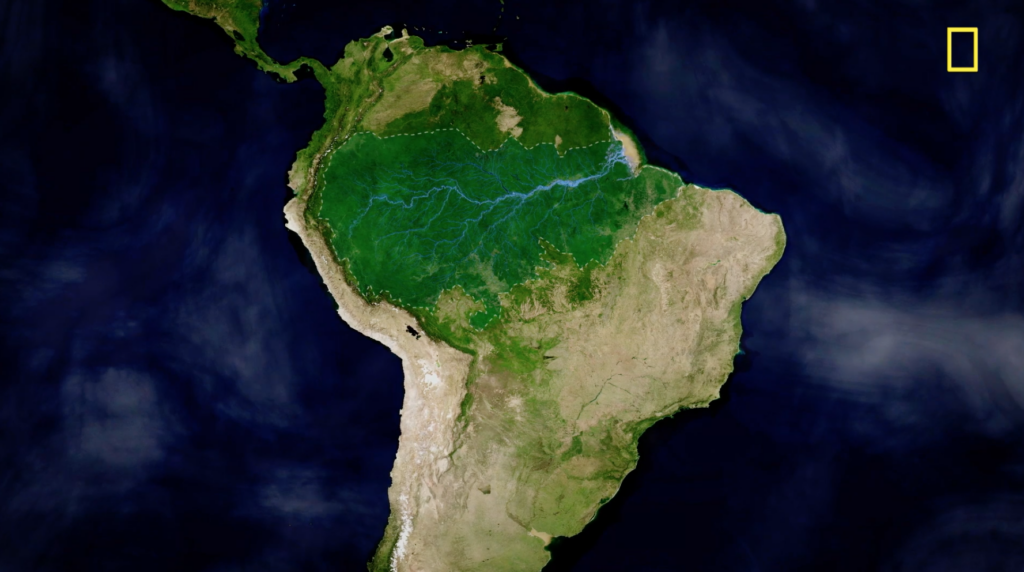
In tropical rainforests, where species often have narrow ranges, fragmentation can cause rapid local extinctions; a study in the Amazon (2021) linked a 25 % drop in forest‑dependent bird species to road expansion. Temperate grasslands, by contrast, show more resilience to moderate fragmentation but suffer from invasive grasses that colonize edges. In highly urbanized regions such as the Pearl River Delta, fragmented wetlands have reduced flood‑mitigation capacity, increasing flood risk for nearby residents.
What Scientists Know With High Confidence
- Fragmentation reduces species richness and alters community composition across biomes.
- Edge effects decrease interior habitat quality, especially in small patches.
- Connectivity restoration (e.g., corridors, overpasses) can improve movement and gene flow for many taxa.
- Human‑driven land‑use change is the primary driver of contemporary fragmentation.
What Remains Uncertain
Key uncertainties include the threshold patch size required to sustain particular species, especially for understudied invertebrates; the long‑term effectiveness of different corridor designs in highly heterogeneous landscapes; and how climate change may interact with fragmentation to reshape species ranges. Better long‑term, multi‑scale monitoring would help resolve these gaps.
Common Misconceptions
Misconception: Fragmentation is only a problem for large animals.
Reality: Small organisms such as pollinating insects and soil microbes also depend on continuous habitat for foraging and dispersal. Their decline can cascade to affect plant reproduction and soil health.
Misconception: Planting trees in a single line solves fragmentation.
Reality: Linear tree plantings may provide limited shade but rarely offer the width or habitat quality needed for many species; effective corridors require sufficient width, native vegetation, and minimal disturbance.
Misconception: Fragmentation is irreversible.
Reality: While some landscape changes are permanent, restoration of native vegetation and strategic land‑use planning can reconnect patches and improve ecosystem function over decades.
Solutions and Limitations
Prevention strategies focus on land‑use planning that avoids new fragmenting infrastructure. Mitigation includes creating wildlife overpasses, underpasses, and riparian buffers. Restoration efforts—re‑forestation of degraded matrix lands—can enlarge patch size, but success depends on soil conditions, seed source availability, and long‑term protection from further clearing.
Economic trade‑offs arise because allocating land for corridors may compete with agricultural production. Social acceptance is essential; community‑led restoration projects tend to have higher survival rates for planted species.
What Individuals, Communities, and Governments Can Do
What Individuals Can Do
- Support land‑conservation NGOs that purchase or protect critical habitats.
- Choose products certified for sustainable sourcing, reducing pressure for new agricultural fronts.
- Participate in local tree‑planting or native‑garden initiatives that increase habitat quality in fragmented matrices.
What Communities and Organizations Can Do
- Advocate for municipal green‑space networks that link parks and natural areas.
- Develop community monitoring programs to track local wildlife movement and report barrier impacts.
- Collaborate with planners to integrate wildlife corridors into new development projects.
What Governments Can Do
- Incorporate habitat‑connectivity criteria into land‑use zoning and infrastructure permitting.
- Fund large‑scale restoration projects targeting high‑priority corridors identified by biodiversity assessments.
- Implement policies that incentivize farmers to maintain hedgerows and set‑aside lands.
Closing Synthesis
Habitat fragmentation is the division of once‑continuous ecosystems into isolated patches, driven largely by human land‑use change. Robust evidence shows that fragmentation erodes biodiversity, weakens ecosystem services, and heightens human‑wildlife conflicts. While uncertainties remain around exact threshold sizes and climate interactions, the scientific consensus supports connectivity restoration and proactive land‑use planning as effective mitigation pathways. By combining policy action, community engagement, and targeted restoration, societies can reduce fragmentation’s most harmful impacts while preserving the natural fabric essential for both wildlife and people.
Frequently Asked Questions
What exactly is habitat fragmentation?
Habitat fragmentation is the process where a large, continuous natural area is divided into smaller, isolated patches by human activities such as roads, agriculture, or urban development, reducing ecological connectivity.
How does fragmentation affect wildlife movement?
Fragmentation creates physical barriers and edge effects that limit the ability of animals to travel between patches, leading to reduced gene flow, smaller populations, and higher risks of inbreeding and local extinction.
What are the main human activities that cause habitat fragmentation?
The primary drivers are road construction, conversion of wild land to agriculture or urban areas, and large infrastructure projects like dams and mining, all of which split natural habitats into separate pieces.
Can wildlife corridors really reverse the impacts of fragmentation?
Evidence from field studies shows that well‑designed corridors, such as green bridges and riparian buffers, can restore movement for many species and improve genetic exchange, though success depends on width, habitat quality, and long‑term protection.
What actions can individuals take to help reduce habitat fragmentation?
Individuals can support conservation organizations, choose sustainably sourced products, and take part in local native‑planting or tree‑planting projects that increase habitat quality in fragmented landscapes.





Leave a Comment