
Biodiversity loss and habitat loss are distinct but interlinked processes that erode the planet’s living systems, and understanding their differences is essential for effective conservation.
\n\n
Quick Answer
\n
Habitat loss refers to the physical destruction, degradation, or fragmentation of the natural environments where species live, while biodiversity loss describes the decline in the variety of life—including species, genetic, and ecosystem diversity—within those environments. Habitat loss is a primary driver of biodiversity loss because it removes the space and resources species need to survive. Scientific assessments such as the IPBES Global Assessment (2019) show that habitat conversion accounts for roughly 70 % of recent species declines, and extinction rates are now estimated to be 100–1,000 times higher than the background rate. The main implication is a reduced capacity of ecosystems to provide services like clean water, pollination, and climate regulation, although uncertainties remain about exact future trajectories for many taxa.
\n
\n\n
Key Takeaways
\n
- \n
- Habitat loss is the loss or alteration of physical space; biodiversity loss is the reduction of biological variety.
- Deforestation, urban expansion, and intensive agriculture are the leading causes of habitat loss worldwide.
- Habitat loss drives about 70 % of recent species declines, but other drivers (climate change, invasive species, overexploitation) also contribute.
- Both processes undermine ecosystem services that support human well‑being, especially water purification, food production, and disease regulation.
- Restoration, protected areas, and sustainable land‑use practices can mitigate impacts, but trade‑offs and implementation challenges persist.
\n
\n
\n
\n
\n
\n
\n\n
What Is Biodiversity Loss vs. Habitat Loss: What’s the Difference?
\n
Habitat loss describes the conversion of natural ecosystems—forests, wetlands, coral reefs, grasslands—into other land uses or the degradation of those ecosystems through pollution, fire, or invasive species. It is measured by the area of habitat removed or fragmented, often expressed as a percentage of the original extent. Biodiversity loss, by contrast, captures three nested levels of variety: species richness (the number of different species), genetic diversity (the variation within species), and ecosystem diversity (the range of habitat types). While habitat loss is a spatial metric, biodiversity loss is a biological metric that can occur even when some habitat remains, for example through overharvesting or climate‑driven range shifts.
\n\n
How Does It Work?
\n
1. Habitat Conversion
\n
When forests are cleared for agriculture, the canopy is removed, soil structure changes, and microclimates become hotter and drier. Species that depend on shade, specific soil microbes, or particular food resources lose their niche.
\n
2. Fragmentation and Edge Effects
\n
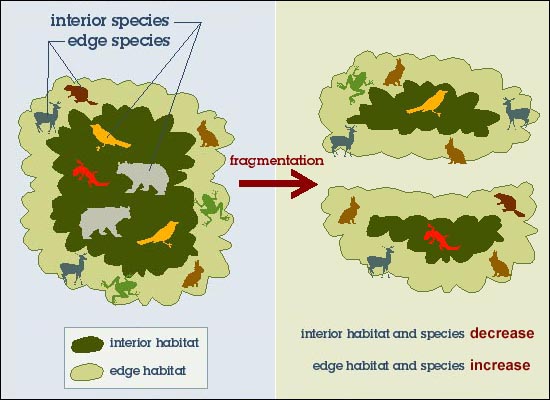
Remaining patches become isolated. Edge habitats expose interior species to predators, invasive species, and human disturbance, a phenomenon documented in numerous long‑term studies (e.g., the U.S. Forest Service).
\n
3. Decline in Species Populations
\n
Reduced habitat area lowers carrying capacity, leading to smaller populations. Small populations are more vulnerable to stochastic events and inbreeding, which erodes genetic diversity.
\n
4. Cascading Ecological Interactions
\n
Loss of a keystone species—such as a large pollinator or apex predator—can trigger trophic cascades, altering community composition and ecosystem function.
\n
5. Feedback Loops
\n
Degraded habitats often experience reduced carbon sequestration, contributing to climate change, which in turn accelerates both habitat loss (through sea‑level rise) and biodiversity loss (through range shifts).
\n\n
What Does the Evidence Show?
\n
Long‑term monitoring by the Global Biodiversity Information Facility and the IUCN Red List indicates that over 28 % of assessed species are threatened with extinction. The Intergovernmental Science‑Policy Platform on Biodiversity and Ecosystem Services (IPBES) reports that habitat conversion accounts for roughly 70 % of observed declines across taxa. Meta‑analyses of forest fragmentation (e.g., Haddad et al., 2015) consistently find a 13 % average reduction in species richness within 100 m of an edge. Conversely, restoration projects that reconnect habitat corridors have documented 20–30 % increases in pollinator abundance within five years (Bennett et al., 2020). These findings are supported by satellite‑derived land‑cover change data showing that between 1990 and 2015, 75 % of the world’s terrestrial ecosystems experienced some degree of modification (FAO, 2020).
\n\n
Main Causes or Drivers
\n
Direct Causes
\n
- \n
- Deforestation for timber, cattle ranching, and soy production.
- Urban sprawl and infrastructure development.
- Drainage of wetlands for agriculture or flood control.
- Mining and quarrying that remove substrate and create pollution.
\n
\n
\n
\n
\n
Underlying Drivers
\n
- \n
- Global demand for commodities and the economic incentives that prioritize short‑term yield over long‑term ecosystem health.
- Population growth and the associated need for food, housing, and energy.
- Policy frameworks that lack strong land‑use planning or enforcement.
- Climate change, which can exacerbate fire frequency, sea‑level rise, and pest outbreaks, indirectly accelerating habitat loss.
\n
\n
\n
\n
\n\n
Environmental and Human Impacts
\n
Environmental Impacts
\n
Habitat loss reduces carbon storage, alters water cycles, and diminishes soil fertility. Biodiversity loss weakens ecosystem resilience, making systems less able to recover from disturbances such as drought or disease. Loss of pollinators, for example, can lower fruit set in both wild and cultivated plants, affecting food webs.
\n
Human Health and Social Impacts
\n
Degraded wetlands lose their ability to filter pathogens, increasing water‑borne disease risk. Reduced forest cover can raise exposure to vector‑borne illnesses like malaria, as documented in the WHO’s 2021 review. Indigenous and rural communities that rely on local biodiversity for nutrition, medicine, and cultural practices face heightened vulnerability when habitats shrink.
\n
Economic and Infrastructure Impacts
\n
Forests provide timber, non‑timber forest products, and tourism revenue; their loss translates into billions of dollars annually. Infrastructure built on unstable, altered land (e.g., flood‑prone reclaimed wetlands) incurs higher maintenance costs and disaster risk.
\n\n
Regional Differences
\n
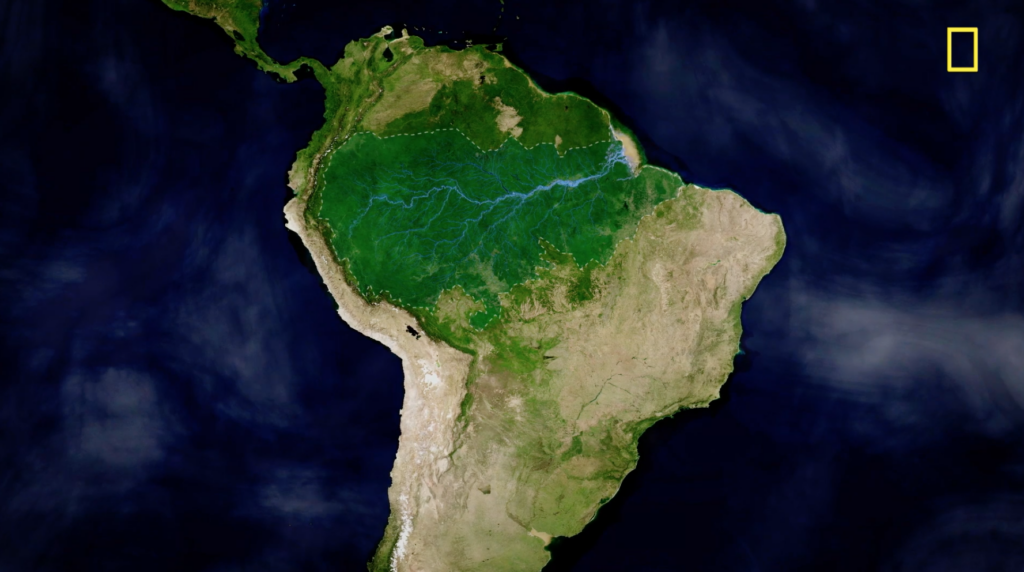
In the Amazon basin, deforestation rates of roughly 0.5 % per year (INPE, 2022) have fragmented the forest, threatening countless endemic species. In Southeast Asia, palm‑oil expansion has converted over 20 % of primary forest since 1990, driving declines in orangutan and tiger populations. Conversely, parts of Europe have seen habitat recovery through rewilding initiatives, leading to modest increases in bird diversity. The magnitude of both habitat and biodiversity loss therefore varies with land‑use policies, economic pressures, and existing conservation frameworks.
\n\n
What Scientists Know With High Confidence
\n
- \n
- Habitat loss is the single largest driver of recent species declines worldwide.
- Current extinction rates are at least 100 times higher than the background rate inferred from the fossil record.
- Ecosystem services such as pollination, water purification, and carbon storage decline as biodiversity declines.
- Fragmentation creates edge effects that disproportionately affect interior‑dependent species.
\n
\n
\n
\n
\n
\n\n
What Remains Uncertain
\n
Key uncertainties include the precise future trajectory of species loss under combined climate‑change and land‑use scenarios, the extent to which genetic diversity can buffer populations against rapid environmental change, and the effectiveness of large‑scale restoration in recovering full ecosystem functionality. Data gaps are especially prominent for invertebrates, deep‑sea organisms, and many tropical plant groups, where monitoring is sparse.
\n
\n\n
Common Misconceptions
\n
Misconception: Habitat loss and biodiversity loss are the same thing.
\n
Reality: Habitat loss describes the removal or alteration of physical space, whereas biodiversity loss measures the reduction in biological variety. One can occur without the other—for example, a protected forest may retain its area (no habitat loss) but still lose species due to poaching.
\n
Misconception: Protecting a single area solves biodiversity loss.
\n
Reality: While protected areas are vital, isolated reserves cannot compensate for widespread habitat conversion outside their boundaries, especially for wide‑ranging species that need connected corridors.
\n
Misconception: Biodiversity loss is only a concern for “exotic” species.
\n
Reality: Loss of common, abundant species can erode ecosystem functions just as dramatically as the loss of charismatic megafauna.
\n
\n\n
Solutions and Limitations
\n
Effective responses combine prevention, restoration, and sustainable management. Protected‑area networks, when properly enforced, can reduce habitat conversion rates by up to 30 % (WRI, 2021). Ecological corridors reconnect fragmented patches, yet their design requires land‑owner cooperation and may be limited by existing infrastructure. Agroforestry and shade‑grown agriculture can maintain productive land while preserving canopy cover, but yields may be lower than intensive monocultures, affecting farmer income without subsidies or market incentives. Restoration of degraded lands can sequester carbon and improve biodiversity, but success varies with soil condition, climate, and the choice of native species; some restored sites retain only 40–60 % of original species richness after a decade.
\n\n
What Individuals Can Do
\n
- \n
- Support certified sustainable products (e.g., FSC timber, shade‑grown coffee) that reduce pressure on forests.
- Participate in citizen‑science monitoring programs that help track local species trends.
- Advocate for local land‑use planning that incorporates green infrastructure and habitat corridors.
\n
\n
\n
\n\n
What Communities and Organizations Can Do
\n
- \n
- Develop community‑managed forest reserves that align livelihood needs with conservation goals.
- Implement restoration projects using locally sourced native seedlings to enhance genetic diversity.
- Establish payment‑for‑ecosystem‑service schemes that reward landowners for maintaining habitat.
\n
\n
\n
\n\n
What Governments Can Do
\n
- \n
- Enforce and expand legally protected areas to meet the 30 % by 2030 target set by the Convention on Biological Diversity.
- Integrate biodiversity considerations into climate‑policy frameworks, such as including nature‑based solutions in Nationally Determined Contributions.
- Provide fiscal incentives for sustainable agriculture, and fund long‑term monitoring networks like the Global Biodiversity Observation Network.
\n
\n
\n
\n\n
Synthesis
\n
Habitat loss and biodiversity loss are intertwined yet distinct processes that together undermine ecosystem health and human well‑being. Robust evidence confirms that habitat conversion drives the majority of recent species declines, while uncertainties persist around future trajectories and the full potential of restoration. Solutions that combine protected areas, ecological corridors, sustainable land‑use, and community engagement offer the most promising path forward, but they require coordinated policy, adequate financing, and ongoing scientific monitoring to succeed.
Frequently Asked Questions
What is the main difference between habitat loss and biodiversity loss?
Habitat loss is the physical removal or degradation of the environments where species live, while biodiversity loss is the decline in the variety of life—species, genetic, and ecosystem diversity—within those environments.
Which driver is responsible for the majority of recent species declines?
Habitat loss is the single largest driver, accounting for roughly 70 % of recent species declines according to the IPBES Global Assessment (2019).
How does fragmentation affect wildlife?
Fragmentation creates isolated patches and edge effects, exposing interior species to higher predation, competition, and environmental stress, which can reduce populations and genetic diversity.
What are some proven strategies to reduce habitat and biodiversity loss?
Protected‑area networks, ecological corridors, sustainable agroforestry, and community‑led restoration projects have demonstrated effectiveness, though each comes with trade‑offs such as enforcement challenges or lower yields.
Can individuals make a meaningful impact on biodiversity loss?
Individuals can help by choosing certified sustainable products, supporting citizen‑science monitoring, and advocating for land‑use policies that protect habitats, actions that complement larger systemic solutions.





Leave a Comment