
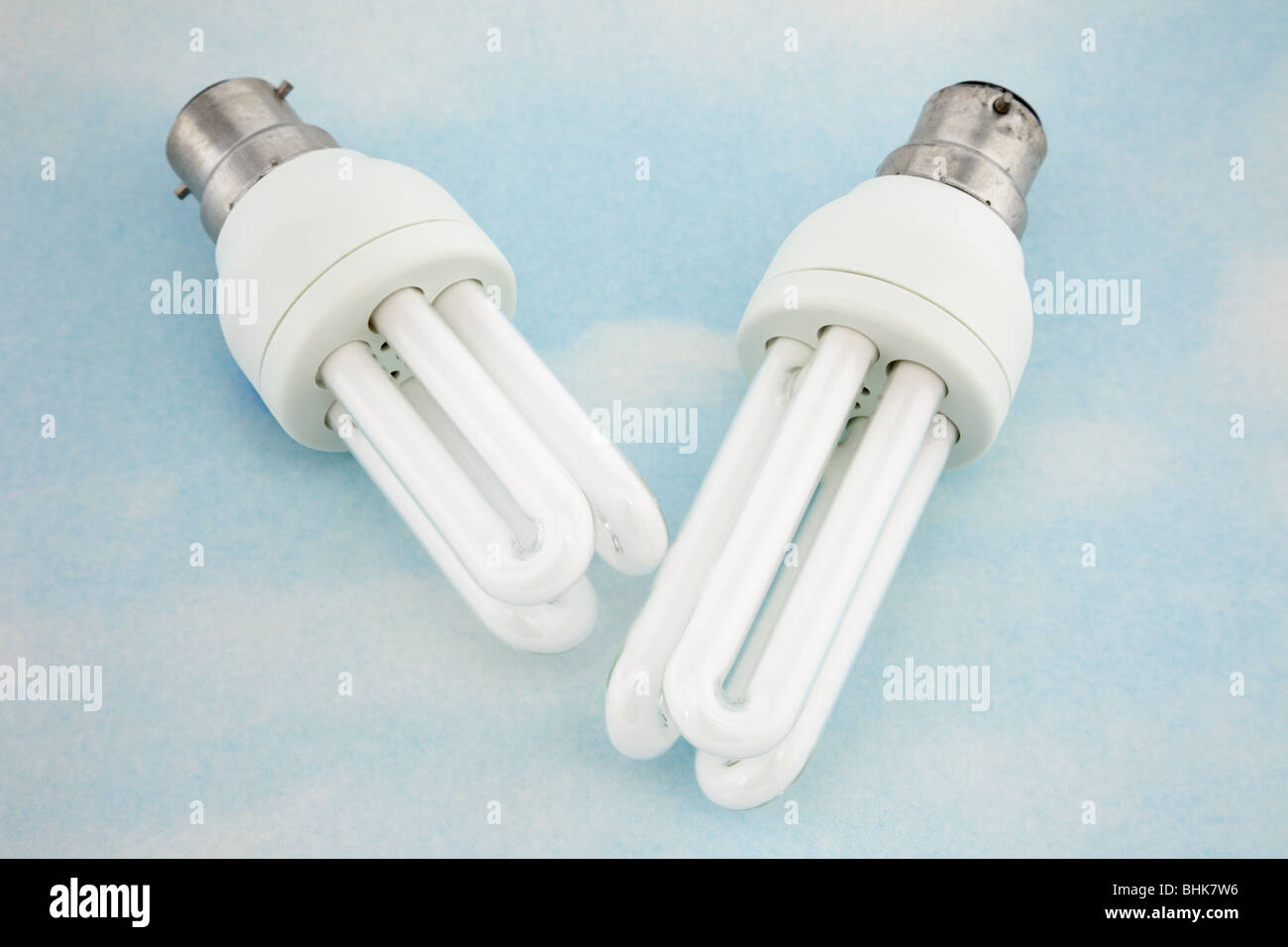
Long-life low-energy light bulbs, such as LEDs and CFLs, use far less electricity than incandescent bulbs, last up to 25,000 hours, and can lower household energy bills while reducing greenhouse‑gas emissions, though their upfront cost and disposal considerations vary.
Quick Answer
Long‑life low‑energy light bulbs are lighting devices—primarily light‑emitting diodes (LEDs) and compact fluorescent lamps (CFLs)—that convert electricity into visible light with efficiencies of 60–120 lumens per watt, far higher than the ~15 lm/W of traditional incandescent bulbs. Their extended service life (10,000–25,000 hours) means fewer replacements and lower total energy demand. The strongest evidence from the International Energy Agency and peer‑reviewed life‑cycle analyses shows that, over a typical 10‑year horizon, the energy savings outweigh the higher purchase price, especially in regions with high electricity rates. Uncertainty remains around the long‑term performance of cheaper LEDs and the environmental handling of mercury‑containing CFLs.
Key Takeaways
- LEDs and CFLs use 70–90% less electricity than incandescent bulbs.
- A typical LED lasts 10,000–25,000 hours, reducing waste and replacement frequency.
- Life‑cycle assessments show net climate benefits when the bulbs replace incandescents for at least 2–3 years.
- Mercury in CFLs requires proper recycling; LEDs avoid this hazard.
- Upfront cost is higher, but payback periods range from 6 months to 3 years depending on usage and local electricity prices.
What Are Long-Life Low-Energy Light Bulbs—and Are They Worth It?
Long‑life low‑energy light bulbs refer to lighting technologies that deliver more light per unit of electricity and maintain that output for many thousands of hours. The two dominant families are:
- Compact Fluorescent Lamps (CFLs) – gas‑filled tubes that use an electric discharge to generate ultraviolet light, which then excites a phosphor coating to produce visible light.
- Light‑Emitting Diodes (LEDs) – semiconductor devices that emit photons when electrons recombine across a p‑n junction.
Both differ fundamentally from incandescent bulbs, which generate light by heating a filament, wasting most energy as heat. The term “low‑energy” emphasizes reduced electricity consumption, while “long‑life” highlights service lives an order of magnitude greater than the ~1,000 hour lifespan of many incandescents.
How Does It Work?
Energy conversion in LEDs
- Electric current passes through a semiconductor diode.
- Electrons cross the junction and release energy as photons – a process called electroluminescence.
- Multiple semiconductor materials allow designers to tune the wavelength (color) of the emitted light.
- Heat‑sinking materials dissipate the small amount of waste heat, preserving efficiency.
How CFLs produce light
- A voltage is applied across a gas‑filled tube, creating an electric arc.
- The arc emits ultraviolet photons.
- Inside the tube, a phosphor coating absorbs the UV photons and re‑emits them as visible light.
- The ballast (integrated or external) regulates current, ensuring stable output.
What Does the Evidence Show?
Multiple lines of evidence converge on the conclusion that low‑energy bulbs reduce overall energy demand. The International Energy Agency’s 2021 “Energy Efficiency 2021” report estimates that worldwide LED adoption avoided roughly 1.1 billion tonnes of CO₂ equivalent between 2010 and 2020. A systematic review published in Energy Policy (2020) found average household electricity savings of 12–18% when replacing incandescents with LEDs, with higher savings in climates where lighting accounts for a larger share of total electricity use.
Life‑cycle analyses (LCAs) from the U.S. Environmental Protection Agency indicate that, even when accounting for manufacturing emissions, LEDs achieve a net reduction of 60–80 % in greenhouse‑gas impact over a 10‑year period compared with incandescents. For CFLs, LCAs show a net benefit only after at least 2 years of use, largely because of the embedded mercury (typically 3–5 mg per bulb).
Main Causes or Drivers
Policy and regulation
Energy‑efficiency standards in the United States (e.g., ENERGY STAR) and the European Union’s Ecodesign Directive have phased out many low‑efficiency incandescent products, creating market pressure for LEDs and CFLs.
Economic incentives
Utility rebate programs and declining manufacturing costs have lowered the purchase price of LEDs from >$10 per bulb in 2010 to <$3 for comparable lumen output in 2023.
Consumer awareness
Information campaigns highlighting cost‑payback and environmental benefits have increased adoption, especially in higher‑income households that can absorb the upfront expense.
Environmental and Human Impacts
Environmental Impacts
Reduced electricity demand directly lowers emissions from fossil‑fuel power plants. In the United States, the Lawrence Berkeley National Laboratory estimates that each LED replacing an incandescent saves about 0.5 kg CO₂ per year, translating to roughly 2 million tonnes saved annually at the national scale.
Less frequent bulb replacement also cuts municipal solid‑waste volumes; a typical household that switches ten 60‑W incandescents to LEDs can avoid discarding 200–300 bulbs over a decade.
Human Health and Social Impacts
CFLs contain mercury, a neurotoxic element. If a bulb breaks, small inhalation risks exist, but the amount is below occupational exposure limits. Proper recycling programs mitigate long‑term health concerns. LEDs emit negligible ultraviolet or infrared radiation, making them safer for sensitive populations.
Lower electricity bills improve household disposable income, especially in low‑income communities where energy costs represent a larger share of monthly expenses.
Economic and Infrastructure Impacts
Widespread LED adoption reduces peak load on electrical grids, potentially deferring costly infrastructure upgrades. However, the manufacturing of semiconductor chips requires rare earth elements (e.g., gallium, indium), creating supply‑chain considerations that merit further study.
Regional Differences
Adoption rates vary widely. In the European Union, LED market penetration exceeded 80 % of residential lighting by 2022, driven by stringent Ecodesign standards. In contrast, many low‑income regions of Sub‑Saharan Africa still rely heavily on incandescent or kerosene lighting due to limited access to affordable LED products and weak recycling infrastructure for CFLs.
In high‑latitude countries (e.g., Canada, Scandinavia), longer winter evenings increase lighting demand, amplifying the energy‑saving potential of LEDs compared with equatorial regions where daylight hours are more evenly distributed.
What Scientists Know With High Confidence
- LEDs are at least three times more energy‑efficient than incandescent bulbs.
- Life‑cycle greenhouse‑gas emissions of LEDs are substantially lower than those of incandescents, even when manufacturing impacts are included.
- Properly recycled CFLs eliminate most mercury exposure risk; the majority of mercury is captured in recycling facilities.
- Payback periods for LEDs in typical residential settings are under three years in regions where electricity costs exceed $0.10 kWh.
What Remains Uncertain
Key gaps include the long‑term reliability of low‑cost LEDs under high‑temperature or high‑humidity conditions, and the full environmental impact of rare‑earth mining required for large‑scale LED production. Additionally, data on disposal practices for CFLs in low‑income countries are limited, making it difficult to quantify global mercury release from improper handling.
Common Misconceptions
Misconception: LEDs emit harmful blue light that damages eyes.
Reality: While LEDs can emit higher proportions of short‑wavelength light, modern products meet stringent photobiological safety standards. Using warm‑color LEDs (2700–3000 K) or dimming controls mitigates any potential circadian disruption.
Misconception: CFLs are always cheaper than LEDs.
Reality: Initial purchase price of CFLs is lower, but the shorter lifespan (8,000–10,000 hours) and higher electricity use often result in higher total cost of ownership compared with LEDs over a typical 5‑year period.
Misconception: Replacing a bulb saves no noticeable amount of energy.
Reality: Replacing a 60‑W incandescent with a 10‑W LED reduces power draw by 50 W. In a home that uses lighting for 3 hours per day, that equals 55 kWh saved per year – enough to power a typical laptop for more than a year.
Solutions and Limitations
Adopting low‑energy bulbs is a mitigation measure that directly reduces electricity demand. Limitations include:
- Upfront cost: Even though prices have fallen, low‑income households may need subsidy or rebate programs.
- Supply chain impacts: Rare‑earth mining for LEDs raises concerns about habitat disturbance and geopolitical dependence.
- End‑of‑life handling: CFLs require specialized recycling; inadequate systems can lead to mercury release.
Complementary strategies—such as improving building insulation, installing daylight sensors, and integrating renewable electricity—enhance the overall climate benefit of efficient lighting.
What Individuals, Communities, and Governments Can Do
What Individuals Can Do
- Replace remaining incandescents with ENERGY STAR‑rated LEDs of appropriate lumen output.
- Take advantage of utility rebates or bulk‑purchase discounts.
- Dispose of CFLs at designated recycling points; avoid throwing them in regular trash.
- Use dimmers or motion sensors to reduce unnecessary lighting.
What Communities and Organizations Can Do
- Implement public‑building retrofit programs that prioritize LEDs.
- Partner with local recyclers to establish convenient CFL collection bins.
- Run outreach campaigns highlighting payback calculations for typical household usage.
What Governments Can Do
- Maintain or tighten minimum efficacy standards (lumens per watt) for all sold lighting products.
- Provide targeted subsidies for low‑income households to overcome upfront cost barriers.
- Fund research on low‑cost, high‑durability LED designs and on sustainable rare‑earth sourcing.
- Mandate producer‑responsibility schemes for end‑of‑life collection of CFLs and LEDs.
Synthesis of Findings
Long‑life low‑energy light bulbs, chiefly LEDs and CFLs, convert electricity into light far more efficiently than incandescent bulbs and last an order of magnitude longer. Robust life‑cycle and emissions studies show that, when used for at least a few years, they provide net climate and economic benefits despite higher purchase prices. Remaining uncertainties involve the environmental footprint of raw material extraction and the effectiveness of recycling programs in low‑resource settings. Evidence‑based policies, targeted subsidies, and public‑education initiatives can accelerate adoption while addressing these gaps, making low‑energy lighting a reliable component of broader energy‑efficiency and climate‑mitigation strategies.
Frequently Asked Questions
What defines a long-life low-energy light bulb?
A long-life low-energy light bulb is a lighting device—typically an LED or CFL—that uses significantly less electricity per lumen and can operate for 10,000 to 25,000 hours, far outlasting traditional incandescent bulbs.
How do LEDs convert electricity into light?
LEDs use a semiconductor diode; when electric current passes through, electrons recombine across a p‑n junction and release energy as photons, producing visible light with high efficiency.
Do low-energy bulbs really reduce household energy bills?
Yes. Replacing a 60‑W incandescent with a 10‑W LED saves about 50 W per hour. For typical use of three hours daily, that equals roughly 55 kWh saved each year, translating into noticeable bill reductions.
Are there any environmental drawbacks to using CFLs?
CFLs contain a small amount of mercury (3–5 mg). If broken or disposed of improperly, mercury can enter the environment, so recycling through specialized programs is essential to avoid health risks.
What actions can governments take to promote low-energy lighting?
Governments can enforce minimum efficacy standards, offer subsidies for low‑income households, fund research on sustainable LED materials, and require producer‑responsibility schemes for end‑of‑life bulb collection.








Leave a Comment