
Horizontal‑axis wind turbines (HAWTs) are the predominant wind‑energy technology, converting kinetic wind energy into electricity through lift‑driven rotating blades mounted on a horizontal shaft, and they play a key role in low‑carbon power systems worldwide.
Quick Answer
A horizontal‑axis wind turbine consists of a rotor with three blades attached to a horizontal shaft, a nacelle that houses a generator, and a tall tower that positions the rotor in steady, high‑speed winds. The blades act like airplane wings, generating lift that turns the shaft; the generator then converts this mechanical rotation into electrical power. HAWTs achieve conversion efficiencies of about 40‑50 % under optimal conditions, making them the most widely deployed wind technology. Their large‑scale deployment reduces reliance on fossil fuels, though their output varies with wind availability and they can affect wildlife and local communities.
Key Takeaways
- HAWTs convert wind energy to electricity via aerodynamic lift on horizontally rotating blades.
- Typical modern turbines reach 3‑10 MW capacity and can exceed 50 m rotor diameter.
- Efficiency peaks around 40‑50 % of the wind’s kinetic energy, higher than most vertical‑axis designs.
- Environmental benefits include low‑carbon power, but concerns involve bird/bat mortality, noise, and visual impact.
- Effective deployment depends on site wind resources, grid integration, and mitigation measures.
What Are Horizontal-Axis Wind Turbines?
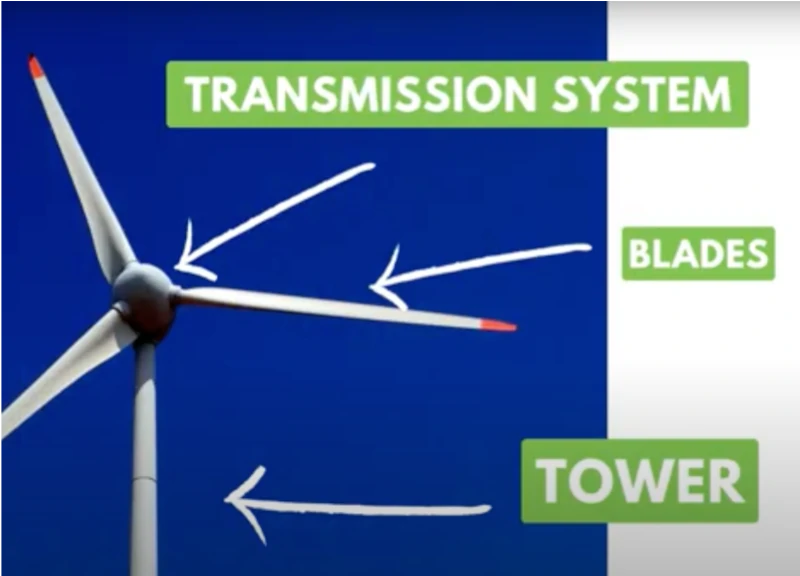
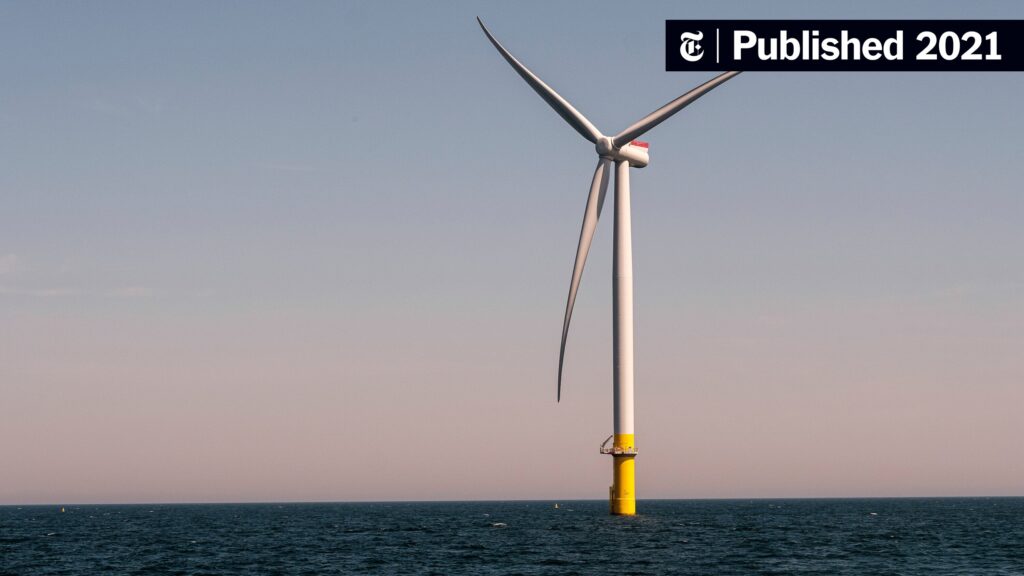
Horizontal‑axis wind turbines (HAWTs) are machines that extract kinetic energy from moving air and transform it into electricity. The defining characteristic is a rotor whose shaft is parallel to the ground, unlike vertical‑axis turbines where the shaft is perpendicular. A typical HAWT comprises three main components: the rotor (blades and hub), the nacelle (generator, gearbox, control electronics), and a tower that lifts the rotor above ground‑level turbulence. Designs vary in size—from small 100‑kW units used for remote sites to offshore megawatt turbines exceeding 10 MW—but all share the same basic geometry and operating principle. Their dominance stems from higher aerodynamic efficiency and proven scalability.
How Does It Work?
The conversion process can be broken into four sequential steps:
- Wind Capture: Wind flows over the blade airfoil, creating a pressure differential that generates lift, similar to an aircraft wing.
- Rotor Rotation: Lift forces cause the rotor to spin around the horizontal shaft; the gearbox (or direct‑drive system) steps up the rotational speed suitable for electricity generation.
- Electrical Generation: The generator, typically an asynchronous or permanent‑magnet synchronous type, converts mechanical rotation into alternating current, which is then rectified and conditioned.
- Grid Integration: Power electronics adjust voltage and frequency to match the grid, and supervisory control systems monitor wind speed, blade pitch, and yaw to optimise performance and protect the turbine.
Blade pitch control and yaw mechanisms allow the turbine to orient itself into the wind and adjust blade angle, maximizing energy capture while preventing overload during gusts.
What Does the Evidence Show?
Long‑term monitoring by national meteorological agencies and independent research institutes shows that modern HAWTs operating in wind‑rich regions (average wind speeds ≥7 m s⁻¹) achieve capacity factors of 35‑45 % (International Energy Agency, 2022). Systematic reviews of field studies confirm that offshore installations benefit from steadier, higher‑speed winds, yielding capacity factors above 50 % (IEA, 2022). Life‑cycle assessments indicate that, over a 20‑year operational period, HAWTs offset 20‑30 times the CO₂ emitted during manufacturing (U.S. EPA, 2021). However, meta‑analyses of wildlife impact studies report increased bird and bat mortality near turbines, with mortality rates varying by species, turbine design, and location (Bat Conservation International, 2020).
Main Causes or Drivers
Direct Drivers
The immediate cause of electricity generation is wind kinetic energy, quantified by ½ ρ v³ (where ρ is air density and v is wind speed). Turbine placement on tall towers (often 80‑120 m) ensures exposure to higher‑speed, less turbulent wind layers.
Underlying Drivers
Global demand for low‑carbon electricity, policy incentives such as renewable portfolio standards, and declining turbine costs (average $1,300 kW⁻¹ in 2021) drive large‑scale HAWT deployment. Technological advances—larger rotors, advanced blade materials, and digital control systems—further improve performance.
Environmental and Human Impacts
Environmental Impacts
HAWTs reduce greenhouse‑gas emissions by displacing fossil‑fuel generation, contributing to climate mitigation. However, turbine blades can cause collision mortality for birds and bats; studies suggest that mitigation measures (e.g., ultrasonic deterrents, strategic siting) can cut mortality by 30‑50 % (Bat Conservation International, 2020). Land‑use change is modest; wind farms typically occupy <2 % of the footprint for energy production, allowing concurrent agriculture or grazing.
Human Health and Social Impacts
Noise and visual impact are the most frequently reported concerns among nearby residents. Peer‑reviewed surveys indicate that perceived annoyance correlates more with lack of community engagement than with measured sound levels (World Health Organization, 2018). Employment creation is a documented benefit: the wind sector employed ~1.2 million people globally in 2021, with many jobs in manufacturing, installation, and maintenance (International Renewable Energy Agency, 2022).
Economic and Infrastructure Impacts
HAWTs provide stable, location‑specific power, reducing transmission losses when sited close to demand centers. Offshore farms require substantial upfront investment but benefit from higher capacity factors and longer turbine lifespans (up to 25 years). Grid integration may require storage or complementary generation to smooth intermittency.
Regional Differences
In Europe, dense offshore wind farms in the North Sea exploit consistent westerly winds, delivering average capacity factors above 50 %. In the United States, the Great Plains host extensive onshore farms with wind speeds around 7‑8 m s⁻¹, while the southeastern states face lower wind resources and higher turbulence, limiting turbine efficiency. Tropical regions, such as parts of Brazil and Indonesia, encounter variable wind patterns and higher humidity, prompting research into corrosion‑resistant materials and hybrid solar‑wind solutions.
What Scientists Know With High Confidence
- HAWTs convert wind kinetic energy to electricity with efficiencies of 40‑50 % under optimal wind conditions.
- Deploying HAWTs reduces lifecycle CO₂ emissions by a factor of 20‑30 compared with fossil‑fuel plants.
- Capacity factor is strongly linked to average wind speed; offshore sites consistently outperform onshore locations.
- Bird and bat collision risk is real but can be mitigated through siting, technology, and operational strategies.
What Remains Uncertain
Key uncertainties include the long‑term durability of next‑generation blade composites in harsh offshore environments, the cumulative regional impact of large wind farms on migratory bird pathways, and the economic viability of integrating very large (>10 MW) turbines with existing grid infrastructure without extensive storage solutions. Improved long‑term monitoring and standardized impact assessment protocols are needed to resolve these gaps.
Common Misconceptions
Misconception: HAWTs generate electricity 24/7.
Reality: Turbines only produce power when wind speeds exceed a cut‑in threshold (typically 3‑4 m s⁻¹) and below a cut‑out limit (often 25 m s⁻¹). Output therefore varies hourly and seasonally.
Misconception: All wind turbines look the same.
Reality: While the horizontal‑axis layout is common, blade length, hub height, and drivetrain type differ widely to match local wind regimes and site constraints.
Misconception: Wind farms always harm wildlife.
Reality: Evidence shows that careful siting, seasonal curtailment, and emerging deterrent technologies can substantially reduce bird and bat mortality, making many projects compatible with biodiversity goals.
Solutions and Limitations
Key response strategies include:
- Improved Siting: Using high‑resolution wind resource maps and wildlife corridors to avoid sensitive habitats reduces ecological trade‑offs but may limit available land.
- Technology Mitigation: Blade‑mounted ultrasonic emitters, radar‑guided curtailment, and slower rotor speeds lower bat mortality; however, they add cost and may slightly reduce energy capture.
- Hybrid Energy Systems: Pairing HAWTs with battery storage or complementary solar PV smooths intermittency, yet storage adds capital expense and material resource demands.
- Policy Instruments: Incentives for offshore development and streamlined permitting accelerate deployment, but policy certainty is needed to attract long‑term investment.
What Individuals, Communities, and Governments Can Do
What Individuals Can Do
Support renewable‑energy tariffs, vote for policies that fund wind‑energy research, and engage in local planning meetings to advocate for wildlife‑friendly turbine placement.
What Communities and Organizations Can Do
Partner with developers to conduct baseline wildlife surveys, implement community benefit agreements, and promote local job training programs for turbine maintenance.
What Governments Can Do
Invest in grid upgrades, fund long‑term ecological monitoring, create clear offshore leasing processes, and support research on next‑generation blade materials that reduce environmental footprints.
Closing Synthesis
Horizontal‑axis wind turbines convert wind into electricity through lift‑driven rotating blades, offering one of the most efficient and scalable renewable‑energy options available. Robust evidence confirms their climate‑mitigation benefits, while ongoing research addresses ecological and social challenges. High‑confidence findings affirm their performance and emissions advantages; remaining uncertainties revolve around long‑term ecological impacts and grid integration of ever‑larger turbines. By combining smart siting, technological mitigation, and supportive policy, societies can harness HAWTs responsibly, advancing a low‑carbon future without compromising biodiversity or community well‑being.
Frequently Asked Questions
What is a horizontal‑axis wind turbine?
A horizontal‑axis wind turbine (HAWT) is a machine with a rotor whose shaft runs parallel to the ground; it uses three lift‑producing blades, a nacelle‑mounted generator, and a tall tower to capture wind energy and convert it into electricity.
How do HAWTs generate electricity?
Wind flows over the turbine blades, creating lift that spins the horizontal shaft; the gearbox or direct‑drive system increases rotation speed, and the generator converts this mechanical motion into electrical power that is fed into the grid.
What are the main environmental concerns associated with HAWTs?
The primary concerns are bird and bat collisions, noise, visual impact, and land‑use change. Studies show mitigation measures—such as strategic siting and deterrent technologies—can reduce wildlife mortality, while noise and visual effects are often linked to community engagement.
Where are horizontal‑axis wind turbines most effective?
HAWTs perform best in locations with steady, high‑speed winds, such as offshore sites in the North Sea or onshore plains with average wind speeds above 7 m s⁻¹. Higher hub heights and larger rotors further increase efficiency in these regions.
What actions can communities take to support responsible wind‑energy development?
Communities can participate in turbine‑site planning, conduct wildlife surveys, negotiate community benefit agreements, and promote local training programs for turbine operation and maintenance, ensuring projects balance energy goals with ecological and social wellbeing.





Leave a Comment