
Choosing a powerful, evidence‑based title for a global warming essay helps readers grasp the issue’s complexity while motivating deeper engagement.
Quick Answer
A compelling title for a global warming essay succinctly signals the essay’s focus—whether it examines scientific mechanisms, economic costs, social justice, or hopeful solutions—while reflecting the consensus that human‑driven climate change is unequivocally real. It should hint at the main argument, invite curiosity, and be grounded in the robust findings of the IPCC and related assessments. Because the field evolves, the title must remain flexible enough to accommodate new data without losing relevance.
Key Takeaways
- Effective titles balance clarity, intrigue, and relevance to the essay’s central thesis.
- High‑confidence climate science confirms that greenhouse‑gas emissions drive global warming.
- Titles can frame the essay through lenses such as economics, ethics, technology, or adaptation.
- Misconceptions—like “global warming is a myth”—should be avoided in title wording.
- Choosing a title that reflects evidence‑based solutions enhances credibility and impact.
What Is The Perfect Title Ideas for a Global Warming Essay?
The phrase “perfect title ideas for a global warming essay” refers to a set of thoughtfully crafted headline options that capture the essence of an essay about climate change. These titles are not merely decorative; they guide readers’ expectations, signal the essay’s focus (e.g., scientific, economic, ethical), and can influence the essay’s reach in academic or public‑policy contexts. The scope includes titles for research papers, high‑school assignments, policy briefs, or public‑facing articles, each requiring a balance between precision and appeal.
How Does It Work?
1. Identify the Core Message
Start by summarizing the essay’s thesis in one sentence. Is the focus on the physics of greenhouse‑gas forcing, the socioeconomic costs, or actionable mitigation pathways? This core message becomes the backbone of the title.
2. Choose a Framing Lens
Common lenses include:
- Scientific Mechanism: Emphasizes physical processes (e.g., “Radiative Forcing and the Accelerating Pace of Global Warming”).
- Economic Impact: Highlights cost implications (e.g., “The Hidden Economic Toll of Climate Inaction”).
- Human Responsibility: Centers on anthropogenic drivers (e.g., “Human Choices and the Climate Crisis”).
- Solutions and Hope: Focuses on mitigation or adaptation (e.g., “Innovating Carbon‑Neutral Futures”).
3. Incorporate Keywords Strategically
Keywords such as “global warming,” “climate change,” “carbon emissions,” and “sustainability” improve discoverability without sacrificing readability.
4. Test for Clarity and Appeal
Read the draft title aloud. Does it convey the main argument? Does it spark curiosity? Peer feedback can reveal ambiguous phrasing.
What Does the Evidence Show?
Multiple lines of evidence confirm that anthropogenic greenhouse‑gas emissions are the dominant driver of observed warming since the mid‑20th century. The IPCC Sixth Assessment Report (2021) synthesizes satellite observations, ocean heat content records, and paleoclimate reconstructions, concluding with >99% confidence that human activities are the primary cause. Economic analyses by the International Monetary Fund (2022) estimate that unchecked warming could reduce global GDP by up to 7% by 2100 under high‑emission scenarios. These robust findings provide the factual foundation that any credible essay title must respect.
Main Causes or Drivers
Direct Causes
- Combustion of fossil fuels releasing carbon dioxide (CO₂) and methane (CH₄).
- Deforestation reducing the land‑based carbon sink.
- Industrial processes emitting fluorinated gases.
Underlying Drivers
- Economic growth models reliant on carbon‑intensive energy.
- Policy frameworks that delay carbon pricing.
- Consumer demand for high‑energy products.
Environmental and Human Impacts
Environmental Impacts
Rising temperatures intensify heatwaves, shift precipitation patterns, and accelerate ice‑sheet melt. Ocean acidification, driven by increased CO₂ absorption, threatens coral reefs and shell‑forming organisms. These changes diminish biodiversity, alter ecosystem services, and increase the frequency of extreme weather events.
Human Health and Social Impacts
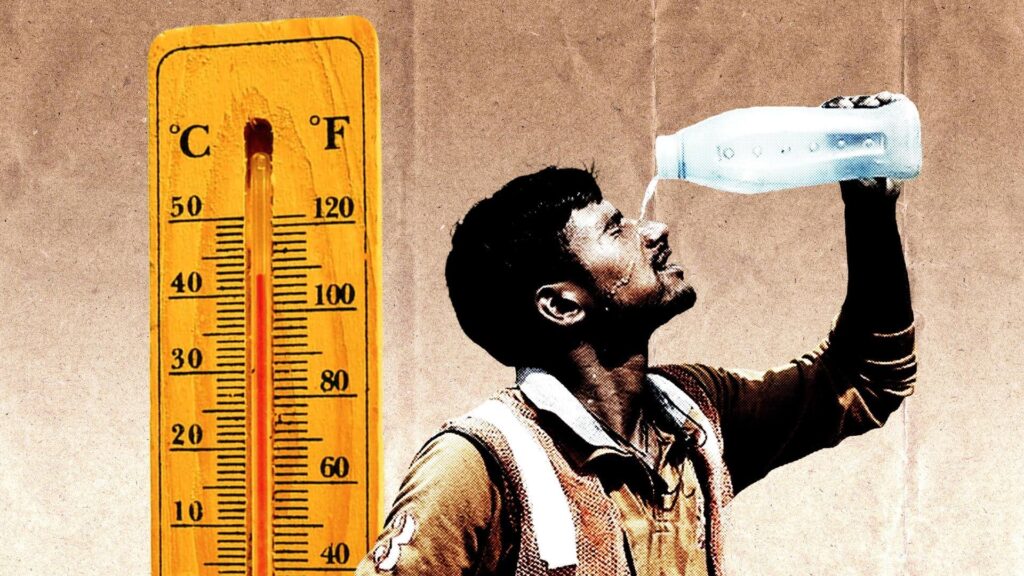
Heat‑related mortality rises with each 1 °C of warming, according to the World Health Organization (2021). Food security is jeopardized in regions dependent on rain‑fed agriculture, especially in Sub‑Saharan Africa and South Asia. Coastal communities face heightened flood risk from sea‑level rise, prompting migration pressures.
Economic and Infrastructure Impacts
Infrastructure damage from storms and wildfires imposes billions of dollars in repair costs annually. The insurance industry reports a 30% increase in climate‑related claims between 2010 and 2020, reflecting the growing economic burden.
Regional Differences
Impacts vary by latitude, development level, and local governance. The Arctic experiences warming at twice the global average, leading to permafrost thaw and feedback loops. Low‑income island nations, such as the Maldives, confront existential threats from sea‑level rise despite contributing minimally to emissions. Conversely, some temperate regions may see longer growing seasons, yet still face drought risk due to altered precipitation.
What Scientists Know With High Confidence
- Human‑generated greenhouse gases are the primary cause of global warming since the 1950s.
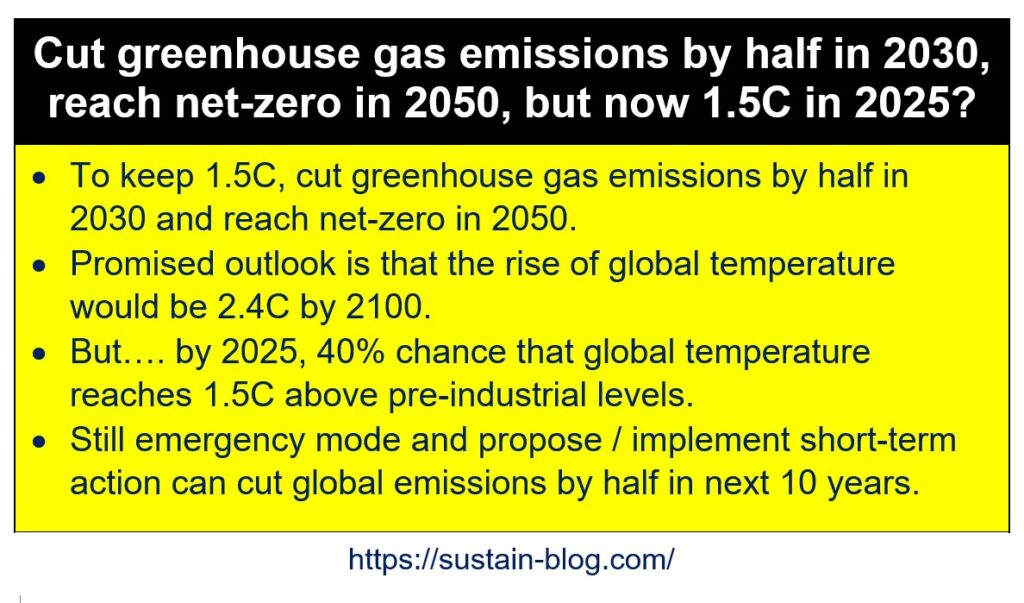
- Global average surface temperature has risen about 1.1 °C above pre‑industrial levels.
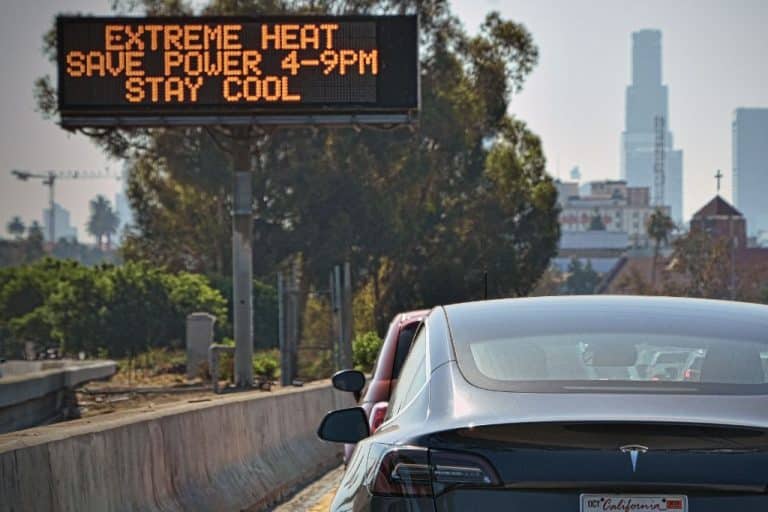
- Warming leads to more frequent and intense heatwaves, heavy precipitation, and marine heatwaves.
- Mitigation actions—such as rapid decarbonization—can limit warming to well‑below 2 °C.
What Remains Uncertain
Key uncertainties include the exact magnitude of climate sensitivity to CO₂, the rate of permafrost carbon release, and regional precipitation responses under different emission pathways. These gaps stem from limited observational networks in remote areas and the complex interplay of atmospheric, oceanic, and terrestrial processes. Improved satellite missions and long‑term monitoring are essential to narrow these uncertainties.
Common Misconceptions
Misconception: “Global warming is just a short‑term weather fluctuation.”
Reality: Climate refers to long‑term averages over decades, whereas weather varies daily. The persistent upward trend in global mean temperature across multiple datasets confirms a climate‑scale change, not a temporary anomaly.
Misconception: “Only scientists need to worry about climate change.”
Reality: Climate impacts affect agriculture, health, infrastructure, and economies, making it a cross‑sectoral issue that concerns policymakers, businesses, and the general public.
Misconception: “Renewable energy alone will solve the problem instantly.”
Reality: While renewable technologies are essential, a comprehensive transition also requires energy efficiency, carbon‑capture options, policy reforms, and behavioral changes to achieve net‑zero emissions within the needed timeframe.
Solutions and Limitations
Effective responses fall into three broad categories:
- Mitigation: Rapid decarbonization of electricity, transport, and industry. Limitations include high upfront capital costs, technology readiness gaps, and political resistance.
- Adaptation: Building flood‑resilient infrastructure, developing drought‑tolerant crops, and improving early‑warning systems. Trade‑offs involve land‑use conflicts and unequal access to resources.
- Conservation and Restoration: Protecting forests, restoring wetlands, and promoting regenerative agriculture. These actions offer co‑benefits for biodiversity but may be constrained by competing development pressures.
What Individuals, Communities, and Governments Can Do
What Individuals Can Do
- Reduce personal carbon footprints by choosing public transit, limiting air travel, and improving home energy efficiency.
- Support policies and candidates that prioritize climate legislation.
- Engage in community tree‑planting or local climate‑education initiatives.
What Communities and Organizations Can Do
- Implement district‑wide renewable energy projects and green building standards.
- Develop climate‑risk assessments to guide land‑use planning.
- Facilitate public workshops that translate scientific findings into actionable local strategies.
What Governments Can Do
- Enact carbon pricing mechanisms that internalize the social cost of emissions.
- Invest in research and development for low‑carbon technologies, including storage and hydrogen.
- Set ambitious, legally binding emissions‑reduction targets aligned with the Paris Agreement.
Synthesizing the Path Forward
Choosing the perfect title for a global warming essay is more than a stylistic exercise; it reflects an understanding of the science, the socioeconomic stakes, and the range of viable solutions. By grounding titles in high‑confidence evidence, acknowledging uncertainties, and steering clear of common myths, writers can produce essays that educate, persuade, and inspire action across diverse audiences.
Frequently Asked Questions
Why is a strong title important for a global warming essay?
A strong title quickly signals the essay’s focus, attracts readers, and conveys that the content is grounded in credible climate science, increasing the likelihood of engagement and impact.
What scientific evidence underpins global warming essays?
The IPCC Sixth Assessment Report (2021) provides >99% confidence that human activities are the dominant cause of warming, supported by satellite data, ocean heat records, and paleoclimate reconstructions.
Which lenses can be used when crafting a title?
Common lenses include scientific mechanisms, economic impacts, human responsibility, and solution-oriented perspectives, each guiding the essay’s narrative and audience appeal.
How can individuals contribute to climate mitigation?
Individuals can lower their carbon footprints by using public transport, reducing air travel, improving home energy efficiency, and supporting climate‑friendly policies.
What are the main uncertainties in climate projections?
Key uncertainties involve climate sensitivity to CO₂, the speed of permafrost carbon release, and regional precipitation changes, mainly due to limited observations and complex system interactions.





Leave a Comment