
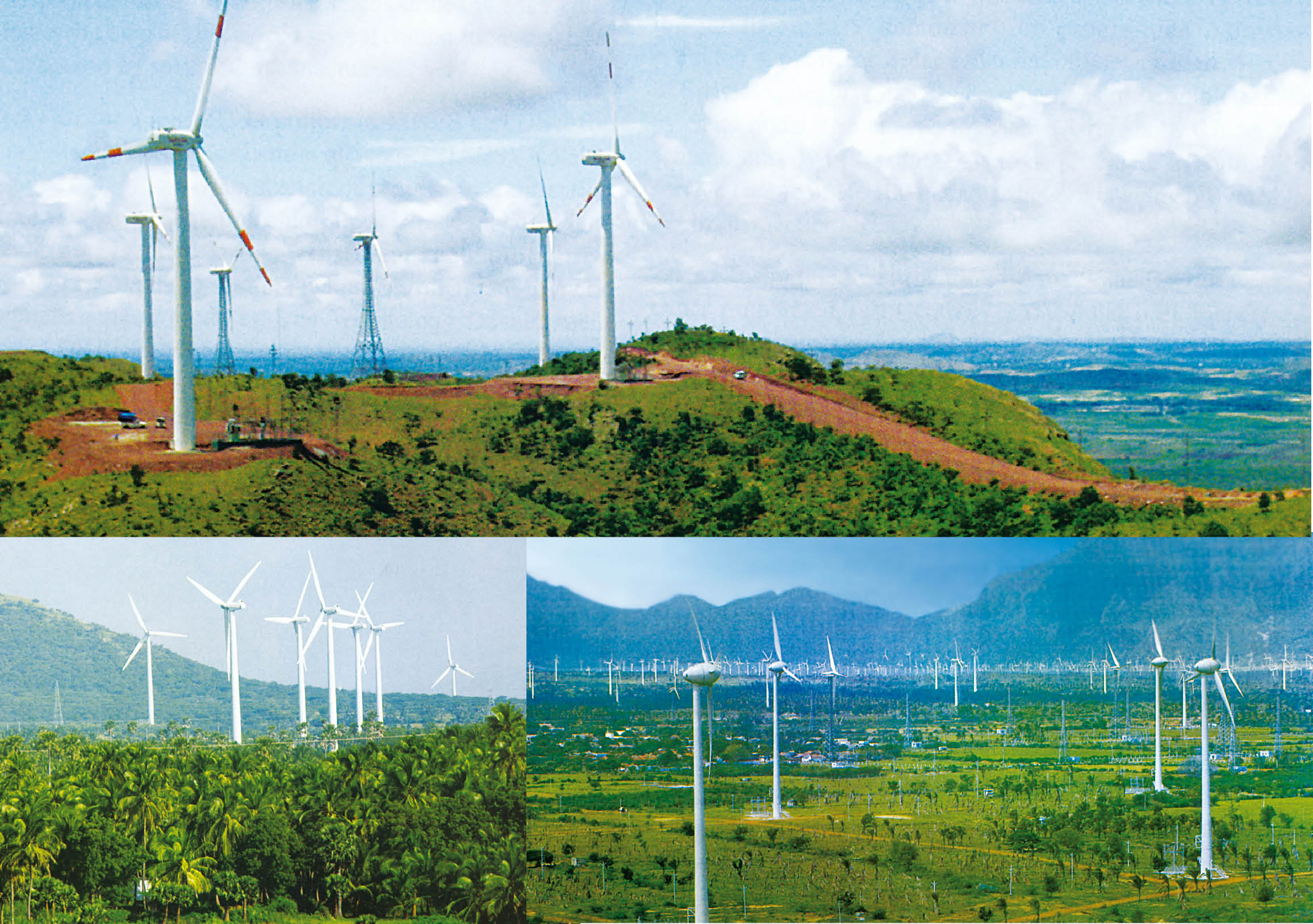
India’s wind energy future hinges on expanding capacity, improving technology, and integrating storage to meet growing power demand while reducing emissions.
\n
Quick Answer
Wind energy converts kinetic energy from atmospheric air currents into electricity using turbines. In India, strong monsoonal and coastal winds provide a reliable resource that can supply a substantial share of the nation’s electricity. Evidence from the International Energy Agency and the Ministry of New and Renewable Energy shows that expanding wind capacity can cut CO₂ emissions by millions of tonnes per year, though land‑use conflicts and grid integration remain uncertain.
\n
Key Takeaways
- India ranks among the world’s top wind power producers, with 2022 installed capacity of about 39 GW.
- Government targets aim for 60 GW by 2030 and 100 GW by 2040, supported by competitive tariffs and auction reforms.
- Technological advances such as larger rotors, offshore turbines, and battery storage are reducing levelized costs.
- Environmental benefits include avoided fossil‑fuel emissions, but turbine siting can affect birds and local land use.
- Effective policies, grid upgrades, and community participation are essential to realize the projected growth.
\n
What Is The Future of Wind Energy in India?
The term “future of wind energy in India” refers to the projected development of wind‑generated electricity over the coming decades, encompassing installed capacity, technology adoption, policy frameworks, and integration with the broader energy system. It includes on‑shore projects in high‑wind states, emerging offshore farms along the coast, and hybrid systems that pair wind with solar or storage. Understanding this future matters because electricity demand is expected to grow by 3 %‑4 % annually, and wind offers a low‑carbon pathway to meet that demand.
\n
How Does It Work?
Physical Process
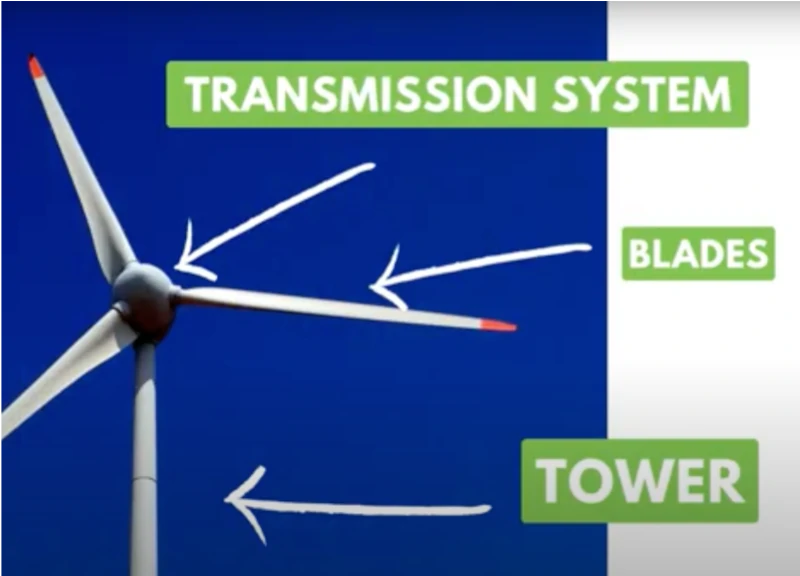
Wind turbines capture kinetic energy when air moves over rotor blades, causing them to spin. The rotation drives a gearbox (or directly a low‑speed generator) that converts mechanical energy into electrical energy, which is then fed into the grid via transformers and transmission lines.
System Integration
Modern wind farms are linked to smart‑grid platforms that balance variable output with demand. Energy storage—typically lithium‑ion batteries or pumped hydro—smooths fluctuations, while forecasting tools predict wind speeds days in advance to optimise dispatch.
\n
What Does the Evidence Show?
Long‑term monitoring by India’s National Institute of Wind Energy indicates an average capacity factor of 22‑25 % for on‑shore turbines, comparable to global averages. The International Renewable Energy Agency (IRENA, 2022) estimates that each gigawatt of wind capacity can avoid roughly 1.5 million tonnes of CO₂ emissions annually. A systematic review of impact assessments (World Bank, 2021) finds that wind farms generate modest local employment—about 1,200 jobs per gigawatt during construction and 30 permanent positions thereafter—while delivering net positive economic returns in rural districts.
\n
Main Causes or Drivers
Policy Incentives
Competitive bidding, accelerated depreciation, and green‑energy certificates have lowered investment risk.
Technological Progress
Blade lengths now exceed 80 m, increasing energy capture per turbine and reducing land footprint.
Climate Imperatives
India’s commitment to the Paris Agreement and its 2070 net‑zero goal create a regulatory push for renewable expansion.
\n
Environmental and Human Impacts
Environmental Impacts
Wind power displaces fossil‑fuel generation, reducing air pollutants such as SO₂ and PM₂.5. However, turbine blades can pose collision risks for migratory birds, especially in the Gujarat and Rajasthan corridors; mitigation measures like siting away from flyways have shown effectiveness in pilot studies.
Human Health and Social Impacts
Reduced air pollution translates into lower respiratory illness rates, estimated to save thousands of premature deaths per gigawatt of wind capacity (Health Effects Institute, 2020). Community ownership models—where locals receive a share of revenue—have improved acceptance and provided supplemental income.
Economic and Infrastructure Impacts
Wind farms stimulate local supply chains (steel, concrete, logistics) and require upgrades to transmission infrastructure, prompting investment in high‑voltage corridors in Gujarat and Tamil Nadu.
\n
Regional Differences
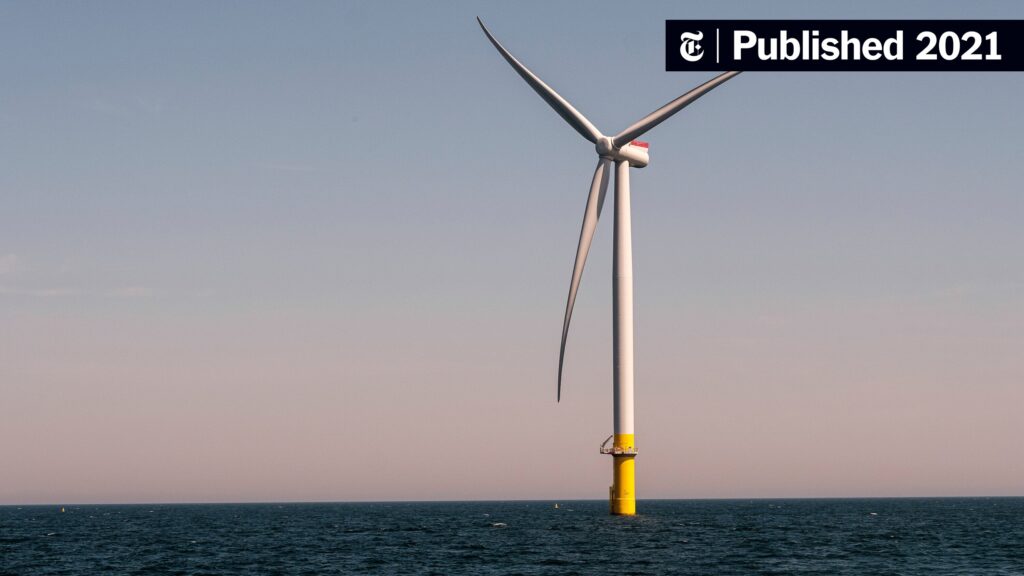
Coastal states such as Gujarat, Maharashtra, and Tamil Nadu benefit from steady sea‑breeze regimes, supporting higher capacity factors (≈28 %). Inland high‑wind zones in Rajasthan and Madhya Pradesh offer strong seasonal winds but face greater land‑acquisition challenges. Offshore potential—estimated at 30 GW by 2035—remains largely untapped due to higher capital costs and regulatory hurdles.
\n
What Scientists Know With High Confidence
- Wind turbines generate electricity without emitting greenhouse gases during operation.
- India’s wind resource is sufficient to meet 10‑15 % of projected electricity demand by 2040.
- Policy reforms since 2015 have significantly lowered the levelized cost of wind power, making it competitive with coal in many regions.
- Battery storage improves grid reliability and reduces curtailment of wind output.
\n
What Remains Uncertain
Key uncertainties include the timeline for large‑scale offshore deployment, the effectiveness of wildlife mitigation across diverse habitats, and the pace of transmission‑grid reinforcement needed to connect remote wind zones to demand centers. Data gaps in long‑term turbine performance under extreme heat also limit precise lifetime cost estimates.
\n
Common Misconceptions
Misconception: Wind turbines cause large‑scale deforestation.
Reality: Turbines occupy a small footprint; most land remains usable for agriculture or grazing, and siting guidelines prevent placement in high‑conservation forests.
Misconception: Wind energy is unreliable and cannot supply baseload power.
Reality: While wind is variable, integration with storage and complementary solar resources can provide a stable supply, as demonstrated in hybrid farms in Gujarat.
Misconception: Offshore wind is prohibitively expensive for India.
Reality: Costs are falling globally; recent tenders in Europe show offshore LCOE below $50 /MWh, and Indian projects are expected to achieve similar economies of scale within the next decade.
\n
Solutions and Limitations
Key strategies include expanding offshore wind, improving transmission corridors, and deploying grid‑scale batteries. Offshore farms capture stronger, more consistent winds but require substantial upfront investment and robust maritime regulations. Battery storage mitigates intermittency but adds material demand for lithium and cobalt, raising supply chain concerns. Policy stability—such as long‑term power purchase agreements—is essential, yet political shifts can alter tariff structures, creating investment risk.
\n
What Individuals, Communities, and Governments Can Do
What Individuals Can Do
Support renewable‑energy tariffs, advocate for community‑owned wind projects, and reduce personal electricity consumption to lower overall demand.
What Communities and Organizations Can Do
Form cooperatives to negotiate land‑lease agreements, participate in environmental impact assessments, and facilitate local skill‑training programs for turbine maintenance.
What Governments Can Do
Maintain transparent auction mechanisms, fund offshore feasibility studies, streamline land‑acquisition processes, and invest in high‑voltage transmission upgrades that connect wind‑rich regions to load centers.
\n
Closing Synthesis
India’s wind energy future rests on proven physical principles, strong policy momentum, and emerging technologies that together can deliver clean power at competitive cost. High‑confidence evidence confirms substantial emissions reductions and economic benefits, while uncertainties around offshore scaling and ecosystem safeguards guide ongoing research. By aligning government incentives, community participation, and responsible technology deployment, India can turn its abundant wind corridors into a cornerstone of a low‑carbon energy system.
Frequently Asked Questions
What is wind energy and how is it generated in India?
Wind energy converts the kinetic energy of moving air into electricity using turbines. In India, turbines are installed on‑shore in high‑wind states and increasingly offshore, where rotating blades drive generators that feed power into the national grid.
How much wind power capacity does India currently have and what are the targets?
India installed about 39 GW of wind capacity by the end of 2022. Government auctions aim to reach 60 GW by 2030 and 100 GW by 2040, supported by competitive tariffs and policy incentives.
What are the main environmental benefits and potential ecological concerns of wind farms in India?
Wind farms avoid fossil‑fuel emissions, reducing CO₂, SO₂ and particulate matter, which improves air quality and public health. Potential concerns include bird collisions and land‑use conflicts, which can be mitigated through careful siting and monitoring.
Which regions in India have the highest wind energy potential and why?
Coastal Gujarat, Maharashtra, and Tamil Nadu enjoy steady sea‑breeze winds, giving higher capacity factors (≈28 %). Inland Rajasthan and Madhya Pradesh have strong seasonal winds but face greater land‑acquisition challenges.
What actions can individuals and communities take to support India's wind energy expansion?
Individuals can choose renewable‑energy tariffs and advocate for community‑owned projects. Communities can form cooperatives to lease land, participate in impact assessments, and provide training for turbine operation and maintenance.





Leave a Comment