
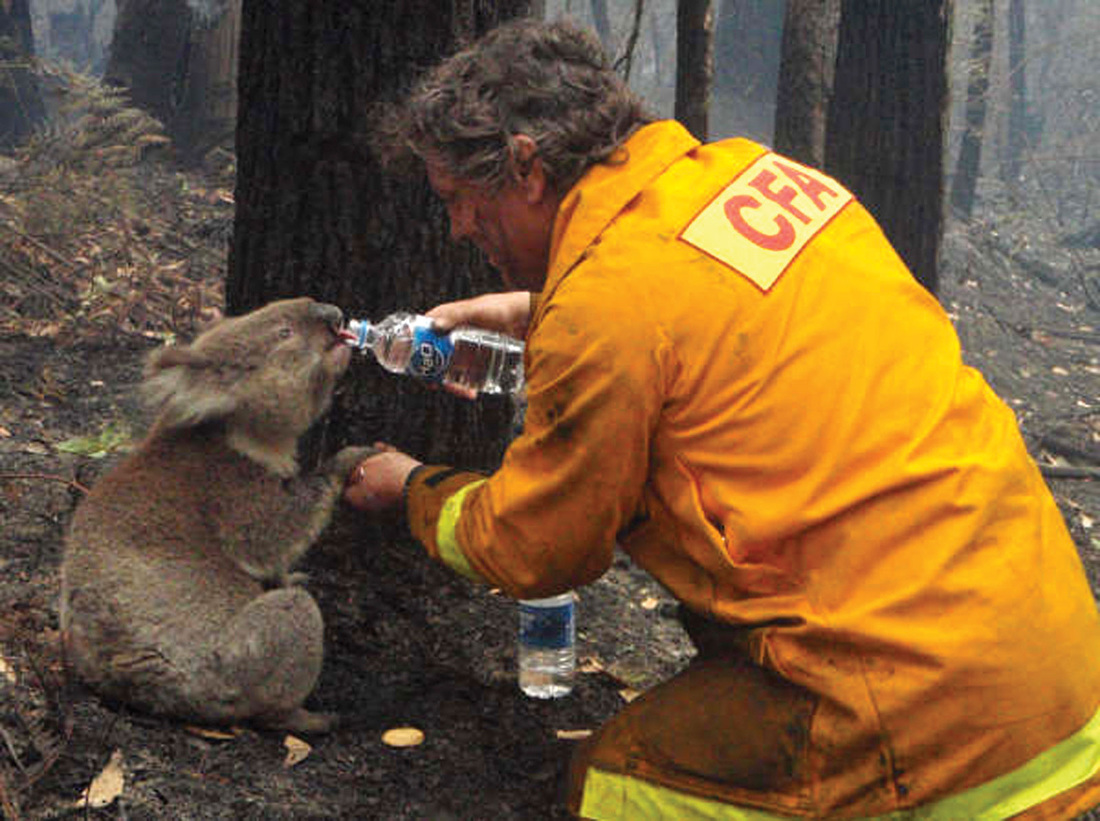
Australia’s bushfires reshape ecosystems, threaten public health, and strain economies, while climate trends intensify fire risk and underscore the need for evidence‑based mitigation and adaptation.
Quick Answer
Australia’s bushfires are large‑scale wildfires that burn vegetation, release carbon, and disrupt ecosystems and communities. They occur when hot, dry conditions combine with ignition sources, and their frequency and intensity have risen alongside climate‑driven heatwaves and prolonged droughts. The most significant impacts include loss of biodiversity, degraded air and water quality, and heightened health and economic stress for affected populations. While scientific consensus links climate change to increased fire risk, uncertainties remain around exact future fire regimes and the effectiveness of various management strategies.
Key Takeaways
- Fire frequency and intensity in Australia have increased over recent decades, driven largely by rising temperatures and drought.
- Immediate ecological damage includes loss of flora, fauna, and soil structure, while long‑term effects involve altered fire‑adapted communities and increased erosion.
- Human health impacts range from acute smoke‑related respiratory issues to chronic mental‑health stress for displaced residents.
- Economic costs extend beyond property loss to agriculture, tourism, and infrastructure repair, often amounting to billions of Australian dollars.
- Effective responses combine prescribed burns, landscape restoration, community resilience planning, and policies that address underlying climate drivers.
What Is The Environmental and Human Impact of Australia’s Bushfires?
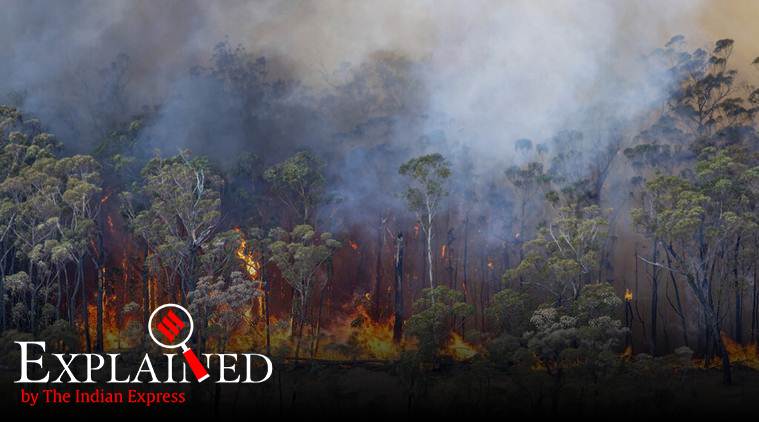
The term refers to the combined ecological and societal consequences of large‑scale wildfires that occur across Australia’s forests, shrublands, and grasslands. Impacts are measured in terms of biodiversity loss, soil and water degradation, air‑quality deterioration, public‑health outcomes, economic disruption, and cultural effects on Indigenous and local communities. Unlike prescribed burns, which are planned and controlled, bushfires are typically unplanned, fast‑moving, and can affect vast geographic areas in a matter of days.
How Does It Work?
Physical and Chemical Processes
- Heat builds as solar radiation and atmospheric conditions raise temperatures above 30 °C, often accompanied by low humidity.
- Dry vegetation acts as fuel; fine fuels such as leaf litter ignite easily, while larger fuels like tree trunks sustain longer flames.
- Combustion releases carbon dioxide, carbon monoxide, particulate matter (PM2.5), and volatile organic compounds, contributing to atmospheric pollution.
- Fire creates its own weather: intense heat generates updrafts, drawing in surrounding air and potentially forming fire‑generated thunderstorms.
Biological and Ecological Interactions
- Fire‑adapted species (e.g., many eucalypts) possess lignotubers or serotinous cones that enable post‑fire regeneration.
- Fire‑sensitive species (e.g., koala Phascolarctos cinereus) suffer high mortality because they cannot escape rapidly moving fronts.
- Loss of canopy cover increases soil temperature and reduces moisture retention, accelerating erosion.
Human‑System Feedbacks
- Smoke plumes travel hundreds of kilometres, exposing urban populations to hazardous air quality.
- Infrastructure damage (roads, power lines) hampers emergency response and recovery efforts.
- Displacement creates temporary housing needs and can exacerbate mental‑health conditions such as PTSD.
What Does the Evidence Show?
Long‑term monitoring by the Australian Bureau of Meteorology demonstrates a 0.7 °C rise in mean summer temperature between 1970 and 2020, coinciding with a 30 % increase in the area burned annually, according to the National Bushfire Research Centre (2022). Systematic reviews of fire ecology (e.g., a 2021 CSIRO meta‑analysis) report consistent declines in understorey bird diversity following high‑severity fires, with recovery times exceeding a decade in many cases. Health‑impact studies published in the Medical Journal of Australia link acute exposure to bushfire smoke with a 12 % rise in emergency‑department visits for asthma during major fire events.
Economic assessments by the Department of Agriculture, Water and the Environment estimate that the 2019‑2020 “Black Summer” fires cost the Australian economy roughly AUD 100 billion, incorporating losses in tourism, agriculture, and infrastructure (2021). These figures are corroborated by independent modeling that attributes a large share of the cost increase to climate‑driven fire‑weather extremes.
Main Causes or Drivers
Direct Causes
- Lightning strikes, which account for about 20 % of ignitions in remote regions.
- Human activities, including accidental sparks from equipment, campfires, and arson.
Underlying Drivers
- Climate change: Elevated temperatures and altered precipitation patterns lengthen fire seasons.
- Land‑use change: Expansion of agriculture and urban fringe into fire‑prone landscapes increases exposure.
- Fuel accumulation: Suppression of low‑intensity fires leads to dense understorey, raising potential fire intensity.
Amplifying Factors
- Prolonged droughts, such as the 2017‑2020 “Millennium Drought”, reduce vegetation moisture content.
- Heatwaves, which can raise the Fire Danger Index above critical thresholds for weeks.
Environmental and Human Impacts
Environmental Impacts
Immediate loss of vegetation reduces carbon sequestration capacity, while combustion emissions add ~0.5 Gt CO₂ to the atmosphere per major fire season (IPCC, 2022). Soil erosion rates can triple in burnt catchments, leading to sedimentation of rivers and degradation of aquatic habitats. Post‑fire landscapes often see a shift toward fire‑adapted grasses, decreasing overall biodiversity and increasing the likelihood of future high‑severity fires.
Human Health and Social Impacts
Fine particulate matter (PM2.5) from smoke penetrates deep lung tissue, triggering respiratory inflammation. The 2019‑2020 fires were linked to an estimated 400 excess deaths from smoke exposure, according to a national health surveillance report. Psychological impacts include elevated rates of anxiety, depression, and PTSD among evacuees; a 2021 longitudinal study found that 22 % of affected adults reported persistent mental‑health symptoms two years after the event.
Economic and Infrastructure Impacts
Agricultural losses include the destruction of grazing land and crop yields; the 2019‑2020 fires reduced national wool production by an estimated 7 %. Tourism suffered as iconic sites like the Blue Mountains experienced reduced visitor numbers, costing regional economies millions. Infrastructure damage includes the loss of over 1,000 km of power lines, leading to prolonged outages and costly repairs.
Regional Differences
Fire behaviour varies across Australia’s climate zones. In temperate southeastern forests, high‑severity crown fires dominate, while in arid interior regions, ground‑cover fires spread rapidly across sparse vegetation. Coastal regions benefit from higher humidity and occasional sea breezes that can limit fire spread, whereas inland areas experience more extreme fire‑weather conditions. Indigenous fire‑management practices, such as cultural burning in the Northern Territory, have shown localized reductions in fire intensity, highlighting the importance of region‑specific approaches.
What Scientists Know With High Confidence
- Climate warming has lengthened Australia’s fire season and increased the probability of extreme fire‑weather days (IPCC, 2022).
- Fire‑adapted ecosystems rely on periodic low‑intensity burns; suppression of these burns leads to fuel build‑up and higher severity fires (CSIRO, 2021).
- Exposure to bushfire smoke is associated with measurable increases in respiratory hospital admissions (Medical Journal of Australia, 2020).
- Economic analyses consistently show that large‑scale bushfires impose multi‑billion‑dollar costs on national and regional economies (Australian Government, 2021).
What Remains Uncertain
Key uncertainties include the precise magnitude of future fire‑season extensions under different emissions pathways, the long‑term recovery trajectories of fire‑sensitive species, and the effectiveness of large‑scale prescribed‑burn programs in a warming climate. Data gaps in remote‑area fire monitoring and limited longitudinal health studies also constrain our ability to fully quantify chronic health outcomes.
Common Misconceptions
Misconception: Bushfires are a new phenomenon in Australia.
Reality: Indigenous fire regimes have shaped Australian landscapes for tens of thousands of years; however, the frequency and intensity of recent bushfires exceed historical variability documented in paleo‑ecological records.
Misconception: All Australian flora is fire‑adapted.
Reality: While many eucalypts regenerate after fire, numerous understory plants, orchids, and rainforest species lack fire‑resilience and suffer high mortality when exposed to severe burns.
Misconception: Smoke from bushfires is harmless if it dissipates quickly.
Reality: Fine particles remain suspended for days to weeks, traveling across state borders and posing health risks even after visible flames have been extinguished.
Solutions and Limitations
Effective strategies span prevention, adaptation, and restoration. Prescribed burns reduce fuel loads but require favorable weather windows and can emit pollutants themselves. Landscape‑scale restoration—replanting native species and stabilising soils—supports biodiversity recovery but is costly and may take decades. Community‑based early‑warning systems improve evacuation outcomes, yet they depend on robust communication infrastructure. Climate mitigation (reducing greenhouse‑gas emissions) addresses the root driver of fire‑weather intensification, but policy implementation is gradual and faces political challenges.
What Individuals, Communities, and Governments Can Do
What Individuals Can Do
- Stay informed about local fire‑danger ratings and heed evacuation orders promptly.
- Reduce home‑fuel loads by clearing dead leaves, branches, and maintaining defensible space around properties.
- Support reputable bushfire‑recovery charities that fund habitat restoration and mental‑health services.
What Communities and Organizations Can Do
- Develop and rehearse community fire‑response plans, integrating Indigenous knowledge where appropriate.
- Invest in local air‑quality monitoring stations to provide real‑time health advisories.
- Partner with land‑management agencies to conduct coordinated prescribed‑burn programs.
What Governments Can Do
- Implement and fund aggressive emissions‑reduction targets aligned with the Paris Agreement to curb long‑term fire‑weather risk.
- Allocate resources for rapid‑deployment firefighting crews, aerial suppression assets, and post‑fire rehabilitation teams.
- Enact land‑use planning that restricts development in high‑risk fire zones and provides incentives for fire‑resilient building designs.
Synthesis
Australia’s bushfires are a complex socio‑ecological challenge amplified by a warming climate, fuel accumulation, and human settlement patterns. Strong evidence links rising temperatures to longer, more intense fire seasons, while the immediate and long‑term impacts span biodiversity loss, air‑quality degradation, public‑health crises, and substantial economic costs. High‑confidence findings guide actions such as prescribed burning, community preparedness, and emissions reductions, yet uncertainties about future fire regimes and ecosystem recovery persist. By integrating science‑based fire management, resilient infrastructure, and climate mitigation, Australia can reduce both environmental damage and human suffering while safeguarding its unique natural heritage for future generations.
Frequently Asked Questions
What defines a bushfire in the Australian context?
A bushfire is an uncontrolled fire that burns vegetation in Australia’s forests, shrublands, or grasslands, often spreading rapidly under hot, dry conditions and causing ecological and societal impacts.
How does climate change influence the frequency of bushfires?
Climate change raises average temperatures and extends drought periods, which lengthen fire seasons and increase the likelihood of extreme fire‑weather days, leading to more frequent and severe bushfires.
What are the primary health risks associated with bushfire smoke?
Bushfire smoke contains fine particulate matter (PM2.5) and gases that can trigger asthma attacks, worsen chronic respiratory conditions, and increase hospital admissions for cardiovascular issues.
Which economic sectors are most affected by large‑scale bushfires?
Agriculture, tourism, and infrastructure are heavily impacted; fires destroy crops and livestock, deter visitors from natural attractions, and damage roads, power lines, and buildings, costing billions of dollars.
What role do prescribed burns play in managing bushfire risk?
Prescribed burns intentionally reduce fuel loads under controlled conditions, lowering the intensity of future wildfires, though they must be carefully timed to avoid adverse air‑quality impacts.




Leave a Comment